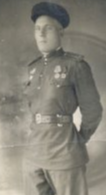
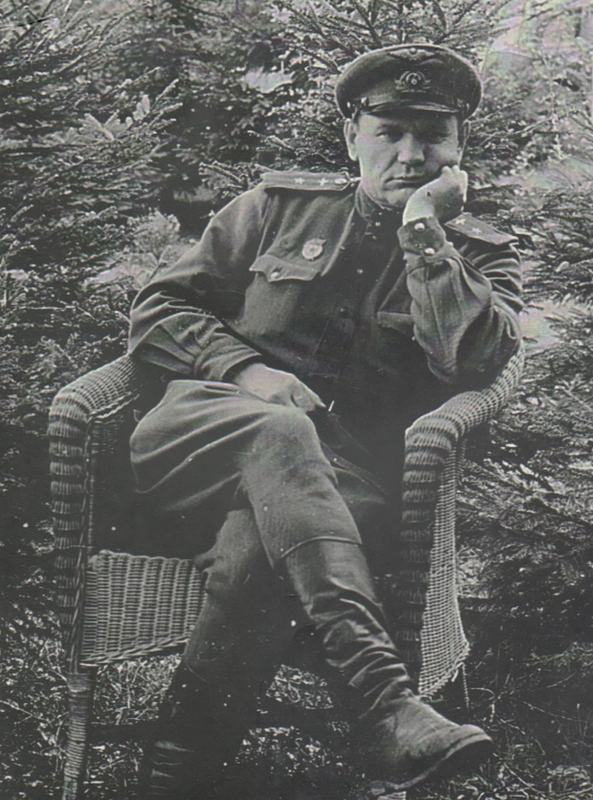
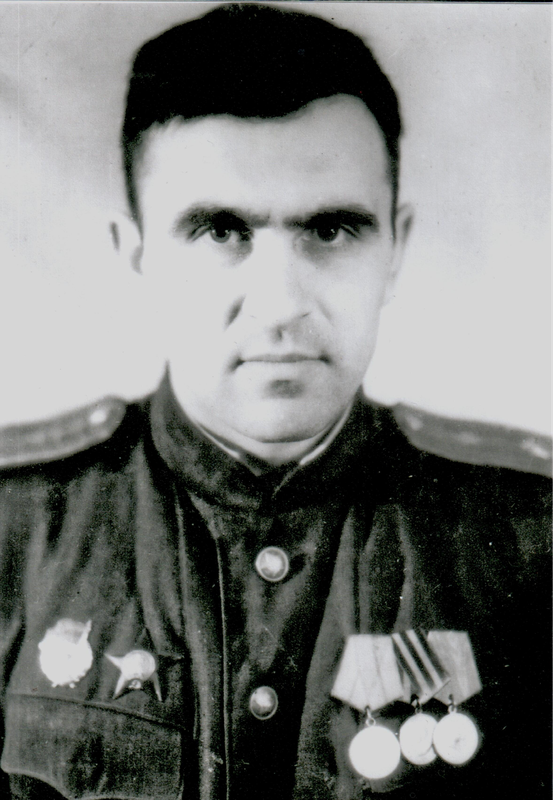
Artyukh Grigory Fedorovich
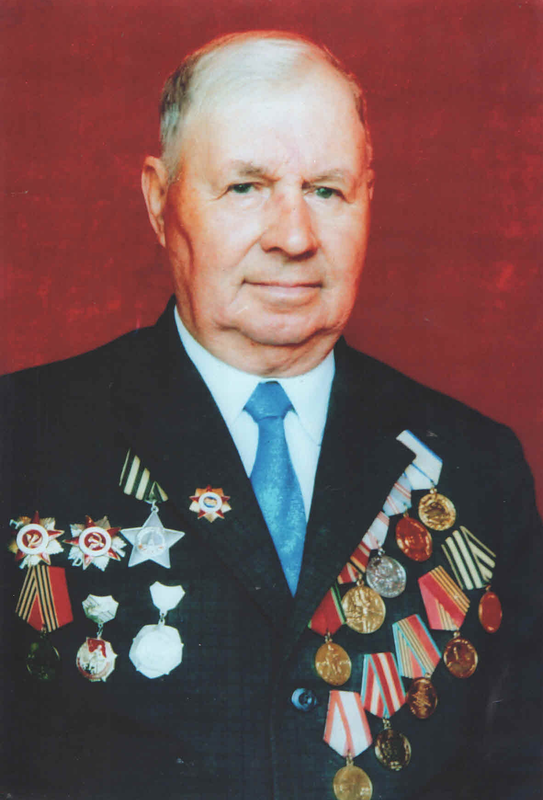
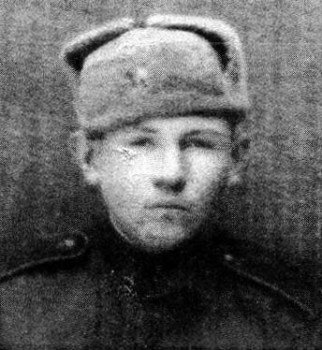
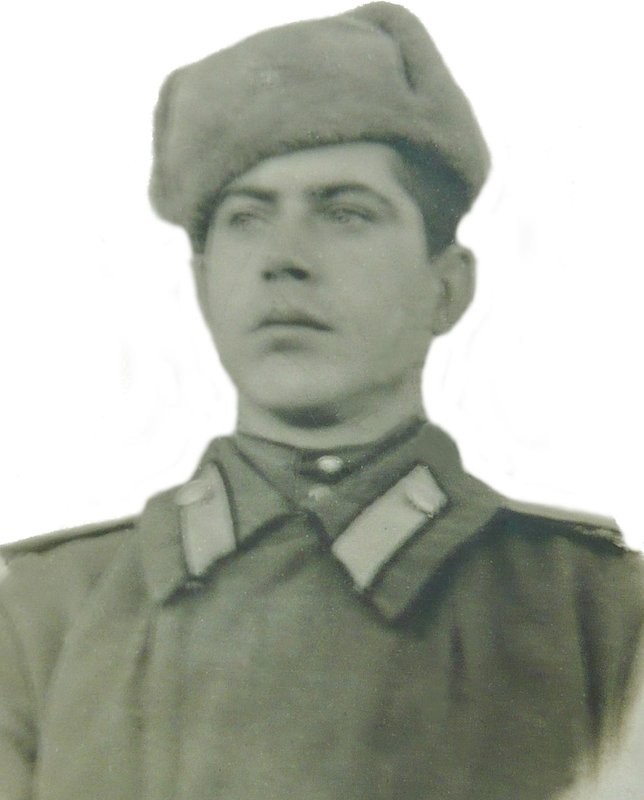
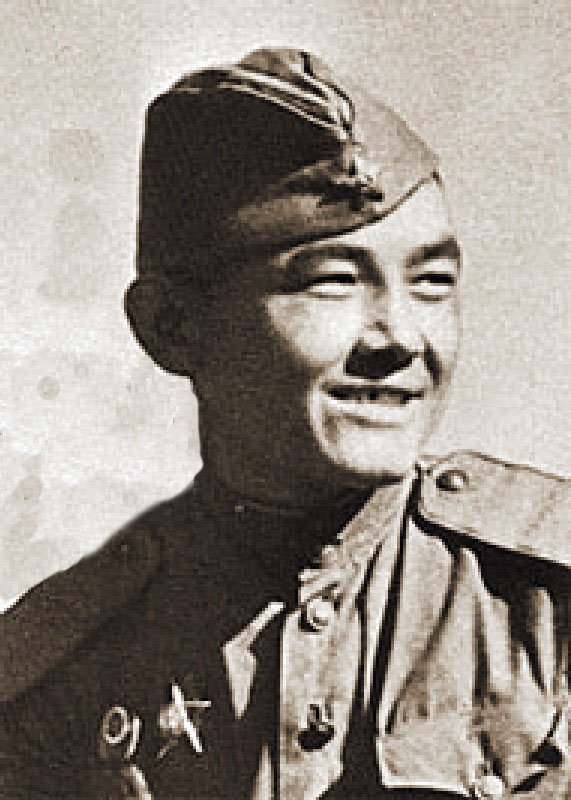
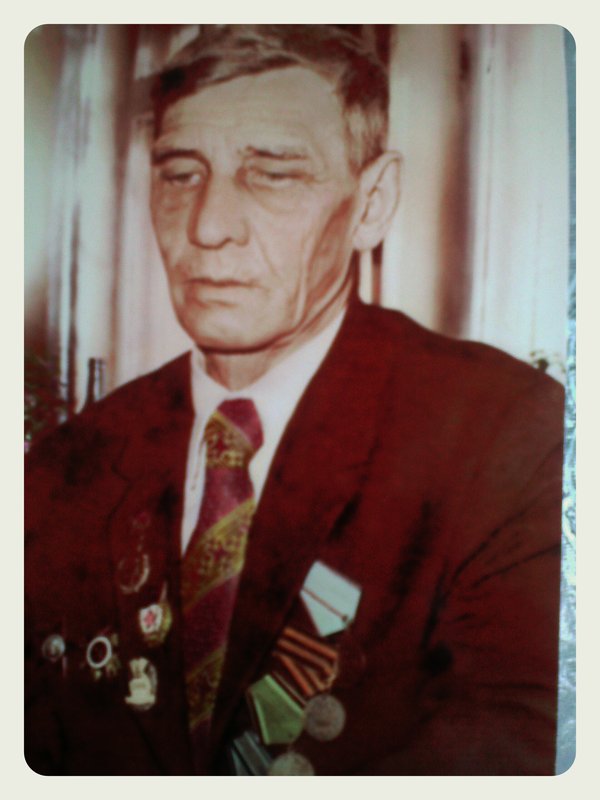
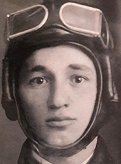
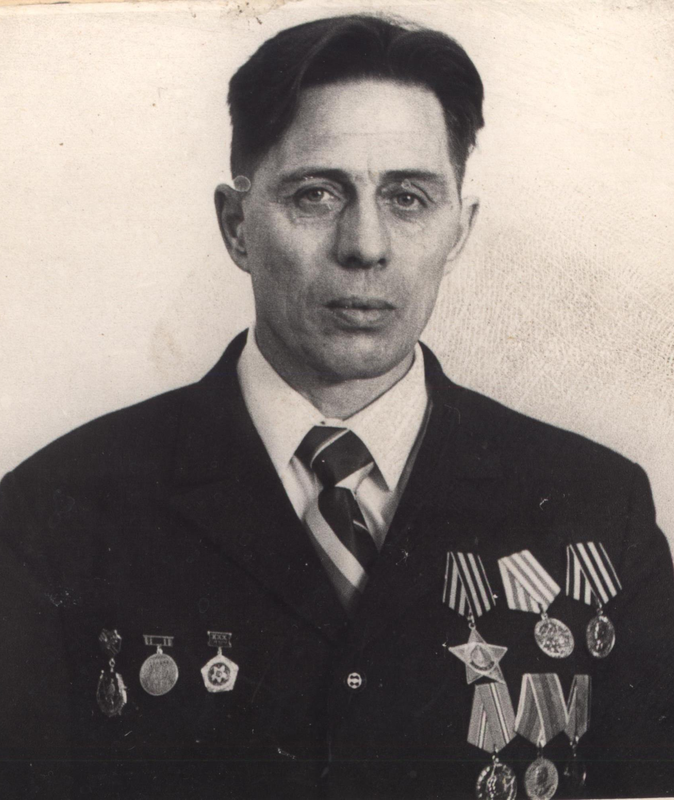
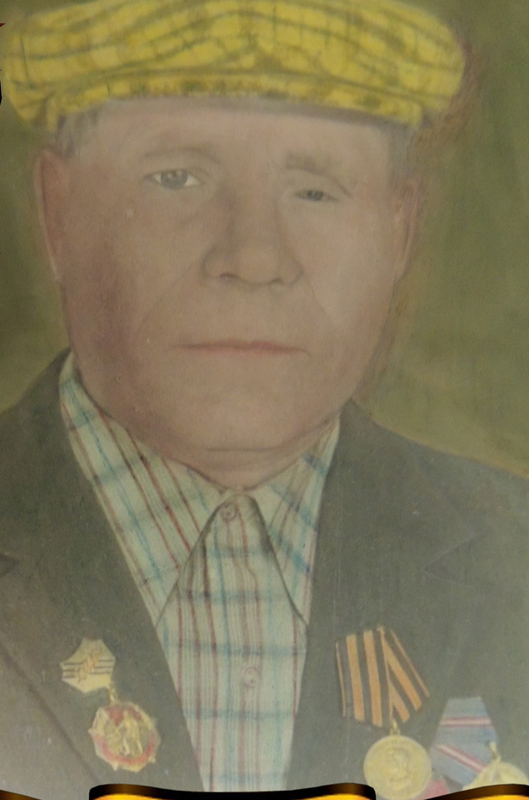
CITY: s. Maksimovka Gradizhsky (Kremenchug) district, Poltava region, Ukrainian SSR. DATE OF BIRTH: 01/23/1920 DATE OF DEATH: 06/04/1989 HISTORY: Title: Lieutenant Colonel Type of Troops: Ground Forces, Air Force (except naval aviation), coastal service, NKVD troops, border troops Subdivision: 5th Guards Aviation Gomel Long-Range Division Artyukh Grigoriy Fedorovich was born on January 23, 1920, died on June 4, 1989. Artyukh Grigory Fedorovich was purposeful, neat, conscientious in character, possessed a calligraphic handwriting and for good academic results, in 1938 he was enrolled as a student at Kharkov University. On June 22, 1941, the Great Patriotic War began. By order of Joseph Stalin, students of the mathematical and physical faculties of the country's universities, who studied perfectly, were sent to evacuation to study at military institutes in order to preserve qualified personnel and the gene pool. After graduation, they were assigned an officer's rank, and they were no longer sent to the front as a rank and file. Of course, this did not free them from the hardships of wartime, but it allowed them to get to the front in the second echelon. Many lives were saved in this way. Artyukh Grigory Fedorovich in August 1941 was enrolled as a student at the Higher Military Hydrometeorological Institute in the city of Leninabad. The city had an unusual climate. There was an unbearable, scorching heat, and if the long-awaited wind blew, it raised the sand, and everything turned out to be in a whirlwind of a sandstorm. They ate a lot of fruits and dried fruits and many had stomach problems. To escape the heat, the listeners soaked and wrapped a sheet in it before going to bed and slept outdoors on the traditionally flat roofs of a Central Asian city. Once, waking up in the morning on the roof and in the sheet, Gregory felt something foreign under his arm. It turned out to be a snake. From fear, he could not move, but then, pulling himself together, gently freed himself from the uninvited guest. On November 23, 1942 Artyukh Grigory Fedorovich graduated from the Higher Military Hydrometeorological Institute, all graduates, having received a diploma and, having taken the oath, were sent to the ranks of the army. Artyukh Grigory Fedorovich was sent to the Leningrad front. This was the period of the blockade of Leningrad. Aviation, like many other military units, provided a way of life. Every day the pilots lost their comrades. The winter of 1942 was harsh and long. Due to the lack of vitamins in the diet, many military men developed scurvy. As a result of the illness, the teeth fell out in young people. However, after the spread of the epidemic, measures were taken, and coniferous decoctions were given to the military. As a result of incredible physical and psychological stress, as well as the hardships of a harsh winter, Grigory Fedorovich in 1942 suffered pneumonia, practically healed him “on his feet,” which later affected. In 1943, Grigory Fedorovich took part in the defeat of the fascist groups on the outskirts of Stalingrad. When the main battle was over, Stalingrad presented an apocalyptic picture. According to the stories of Grigory Fedorovich, ruins remained from the city, broken brick, twisted red-hot metal were enveloped in a slowly rising red haze and smoke. From the fire and spilled blood, the water in the river was also colored red. Artyukh Grigory Fedorovich flew during the war to reconnoitre weather conditions. He took part in a combat mission, with a plane landing in a forest clearing in a partisan detachment, to provide them with weapons, provisions and communications. This time, the Nazis followed the plane and began encirclement. According to the stories of Grigory Fedorovich, the entire composition of the ship had to accept a ground battle and take off under enemy fire. Grigory Fedorovich also took part in a combat sortie to Narva. For these military episodes, he was awarded the Order of the Red Star. The airfields of the deployment were subjected to intensified enemy bombing strikes. On May 9, 1945, Grigory Fyodorovich met in Poland, in the city of Rzeszow. There, in Poland, in the city of Rzeszow, he met his future wife, Kovaleva Alexandra Grigorievna.Since June 1943, Artyukh Grigory Fedorovich was the Head of the Meteorological Service of the Office of the 53rd Stalingrad Aviation Division of the Long-Range Operation of the 4th Guards. Bombs. Av. Gomel Long-Range Aviation Corps, with the rank of captain. For participation in the Great Patriotic War and subsequent service in the Soviet Army, he was awarded the following awards: Order of the Red Star - twice Medal "For Military Merit" Order of the Patriotic War II degree Medal "For the Defense of Leningrad" Medal "For Victory over Germany in the Great Patriotic War 1941-1945 " Medal "In Commemoration of the 250th Anniversary of Leningrad" Many jubilee medals The path that Grigory Fedorovich traveled in the Great Patriotic War can be traced by the medal "For the Defense of Leningrad" and thanks to the engineer-captain GF Artyukh, who was announced as the commander of the Military Unit, General - Major of Aviation Labudev, by order of the Supreme Commander-in-Chief Marshal of the Soviet Union, Comrade Stalin, for participation in the operations: - "For the defeat of the Nazi armies on the outskirts of Stalingrad and the elimination of enemy troops encircled at Stalingrad" - "For the capture of the capital of Soviet Belarus, the city of Minsk, the most important strategic hub defense of the Germans in the western direction "-" For the capture of the city and fortress of Brest, a powerful operational center for the defense of the Germans in the Warsaw direction "-" Forcing the Pronya River and making a breakthrough of 45 km. along the front and 30 km. in depth "-" For a breakthrough of the German defense in the sector of the first Belorussian front in the Bobruisk direction. " After the end of the war, Grigory Fedorovich continued to serve in the ranks of the Soviet Army. Since July 1946, he has served in the meteorological service of the General Staff of the Long-Range Aviation Air Force in Moscow. From July 1956 to September 1958 he was the deputy head of the Long-Range Aviation Meteorological Service. In connection with an illness received during the period of service, Artyukh Grigory Fedorovich was declared unfit for further service in the ranks of the Soviet army, and on September 30, 1958, he was dismissed from the post of chief of the meteorological service of Long-Range Aviation with the rank of lieutenant colonel. Artyukh Grigory Fedorovich was an intelligent, modest, handsome, loving person. He loved his homeland, his family, his home. He rejoiced at the successes and achievements of our country. Grigory Fedorovich took part in the celebrations for the Victory Day, was a member of the Union of Long-Range Aviation Veterans, took part in organizing and equipping the Museum of Long-Range Aviation in Ryazan with materials. Grigory Fedorovich died on June 4, 1989 after an unsuccessful operation at the Burdenko hospital. He was buried with military honors at the Nikolo-Khovanskoye cemetery in Moscow. His cousin, Voloshko Vasily Stepanovich, said at the commemoration on the day of the funeral that he always wanted to be like Grisha, with whom they went to school 7 kilometers on foot. In 2014, Vasily Stepanovich, Lieutenant General, was buried at the Troekurovsky cemetery, who lived to be 93 years old and worked until old age as the Head of the Strategic Planning Department of the Russian General Staff. During the war, as a military pilot, he twice burned on the plane. P.S. Grigory Fedorovich's father - Fedor Ivanovich Artyukh, born in 1895, was drafted into the ranks of the Red Army and sent to the front. Reached Hungary. He was awarded the Order of the Patriotic War II degree, medals, died at the age of 90.
Artyukh Grigory Fedorovich
CITY: s. Maksimovka Gradizhsky (Kremenchug) district, Poltava region, Ukrainian SSR. DATE OF BIRTH: 01/23/1920 DATE OF DEATH: 06/04/1989 HISTORY: Title: Lieutenant Colonel Type of Troops: Ground Forces, Air Force (except naval aviation), coastal service, NKVD troops, border troops Subdivision: 5th Guards Aviation Gomel Long-Range Division Artyukh Grigoriy Fedorovich was born on January 23, 1920, died on June 4, 1989. Artyukh Grigory Fedorovich was purposeful, neat, conscientious in character, possessed a calligraphic handwriting and for good academic results, in 1938 he was enrolled as a student at Kharkov University. On June 22, 1941, the Great Patriotic War began. By order of Joseph Stalin, students of the mathematical and physical faculties of the country's universities, who studied perfectly, were sent to evacuation to study at military institutes in order to preserve qualified personnel and the gene pool. After graduation, they were assigned an officer's rank, and they were no longer sent to the front as a rank and file. Of course, this did not free them from the hardships of wartime, but it allowed them to get to the front in the second echelon. Many lives were saved in this way. Artyukh Grigory Fedorovich in August 1941 was enrolled as a student at the Higher Military Hydrometeorological Institute in the city of Leninabad. The city had an unusual climate. There was an unbearable, scorching heat, and if the long-awaited wind blew, it raised the sand, and everything turned out to be in a whirlwind of a sandstorm. They ate a lot of fruits and dried fruits and many had stomach problems. To escape the heat, the listeners soaked and wrapped a sheet in it before going to bed and slept outdoors on the traditionally flat roofs of a Central Asian city. Once, waking up in the morning on the roof and in the sheet, Gregory felt something foreign under his arm. It turned out to be a snake. From fear, he could not move, but then, pulling himself together, gently freed himself from the uninvited guest. On November 23, 1942 Artyukh Grigory Fedorovich graduated from the Higher Military Hydrometeorological Institute, all graduates, having received a diploma and, having taken the oath, were sent to the ranks of the army. Artyukh Grigory Fedorovich was sent to the Leningrad front. This was the period of the blockade of Leningrad. Aviation, like many other military units, provided a way of life. Every day the pilots lost their comrades. The winter of 1942 was harsh and long. Due to the lack of vitamins in the diet, many military men developed scurvy. As a result of the illness, the teeth fell out in young people. However, after the spread of the epidemic, measures were taken, and coniferous decoctions were given to the military. As a result of incredible physical and psychological stress, as well as the hardships of a harsh winter, Grigory Fedorovich in 1942 suffered pneumonia, practically healed him “on his feet,” which later affected. In 1943, Grigory Fedorovich took part in the defeat of the fascist groups on the outskirts of Stalingrad. When the main battle was over, Stalingrad presented an apocalyptic picture. According to the stories of Grigory Fedorovich, ruins remained from the city, broken brick, twisted red-hot metal were enveloped in a slowly rising red haze and smoke. From the fire and spilled blood, the water in the river was also colored red. Artyukh Grigory Fedorovich flew during the war to reconnoitre weather conditions. He took part in a combat mission, with a plane landing in a forest clearing in a partisan detachment, to provide them with weapons, provisions and communications. This time, the Nazis followed the plane and began encirclement. According to the stories of Grigory Fedorovich, the entire composition of the ship had to accept a ground battle and take off under enemy fire. Grigory Fedorovich also took part in a combat sortie to Narva. For these military episodes, he was awarded the Order of the Red Star. The airfields of the deployment were subjected to intensified enemy bombing strikes. On May 9, 1945, Grigory Fyodorovich met in Poland, in the city of Rzeszow. There, in Poland, in the city of Rzeszow, he met his future wife, Kovaleva Alexandra Grigorievna.Since June 1943, Artyukh Grigory Fedorovich was the Head of the Meteorological Service of the Office of the 53rd Stalingrad Aviation Division of the Long-Range Operation of the 4th Guards. Bombs. Av. Gomel Long-Range Aviation Corps, with the rank of captain. For participation in the Great Patriotic War and subsequent service in the Soviet Army, he was awarded the following awards: Order of the Red Star - twice Medal "For Military Merit" Order of the Patriotic War II degree Medal "For the Defense of Leningrad" Medal "For Victory over Germany in the Great Patriotic War 1941-1945 " Medal "In Commemoration of the 250th Anniversary of Leningrad" Many jubilee medals The path that Grigory Fedorovich traveled in the Great Patriotic War can be traced by the medal "For the Defense of Leningrad" and thanks to the engineer-captain GF Artyukh, who was announced as the commander of the Military Unit, General - Major of Aviation Labudev, by order of the Supreme Commander-in-Chief Marshal of the Soviet Union, Comrade Stalin, for participation in the operations: - "For the defeat of the Nazi armies on the outskirts of Stalingrad and the elimination of enemy troops encircled at Stalingrad" - "For the capture of the capital of Soviet Belarus, the city of Minsk, the most important strategic hub defense of the Germans in the western direction "-" For the capture of the city and fortress of Brest, a powerful operational center for the defense of the Germans in the Warsaw direction "-" Forcing the Pronya River and making a breakthrough of 45 km. along the front and 30 km. in depth "-" For a breakthrough of the German defense in the sector of the first Belorussian front in the Bobruisk direction. " After the end of the war, Grigory Fedorovich continued to serve in the ranks of the Soviet Army. Since July 1946, he has served in the meteorological service of the General Staff of the Long-Range Aviation Air Force in Moscow. From July 1956 to September 1958 he was the deputy head of the Long-Range Aviation Meteorological Service. In connection with an illness received during the period of service, Artyukh Grigory Fedorovich was declared unfit for further service in the ranks of the Soviet army, and on September 30, 1958, he was dismissed from the post of chief of the meteorological service of Long-Range Aviation with the rank of lieutenant colonel. Artyukh Grigory Fedorovich was an intelligent, modest, handsome, loving person. He loved his homeland, his family, his home. He rejoiced at the successes and achievements of our country. Grigory Fedorovich took part in the celebrations for the Victory Day, was a member of the Union of Long-Range Aviation Veterans, took part in organizing and equipping the Museum of Long-Range Aviation in Ryazan with materials. Grigory Fedorovich died on June 4, 1989 after an unsuccessful operation at the Burdenko hospital. He was buried with military honors at the Nikolo-Khovanskoye cemetery in Moscow. His cousin, Voloshko Vasily Stepanovich, said at the commemoration on the day of the funeral that he always wanted to be like Grisha, with whom they went to school 7 kilometers on foot. In 2014, Vasily Stepanovich, Lieutenant General, was buried at the Troekurovsky cemetery, who lived to be 93 years old and worked until old age as the Head of the Strategic Planning Department of the Russian General Staff. During the war, as a military pilot, he twice burned on the plane. P.S. Grigory Fedorovich's father - Fedor Ivanovich Artyukh, born in 1895, was drafted into the ranks of the Red Army and sent to the front. Reached Hungary. He was awarded the Order of the Patriotic War II degree, medals, died at the age of 90.
0 comment




2026 © Russian Military Historical Society Developed by Jetmix