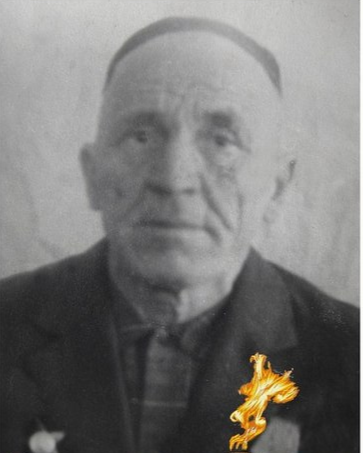
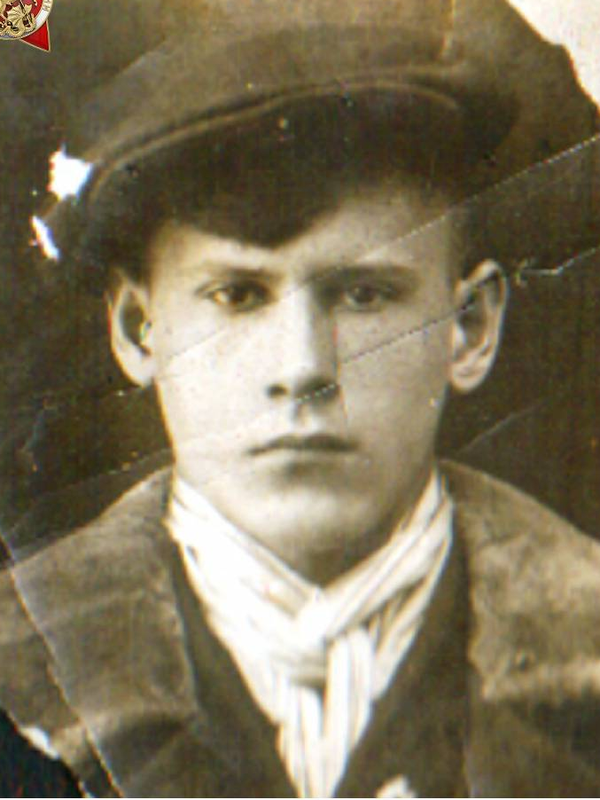
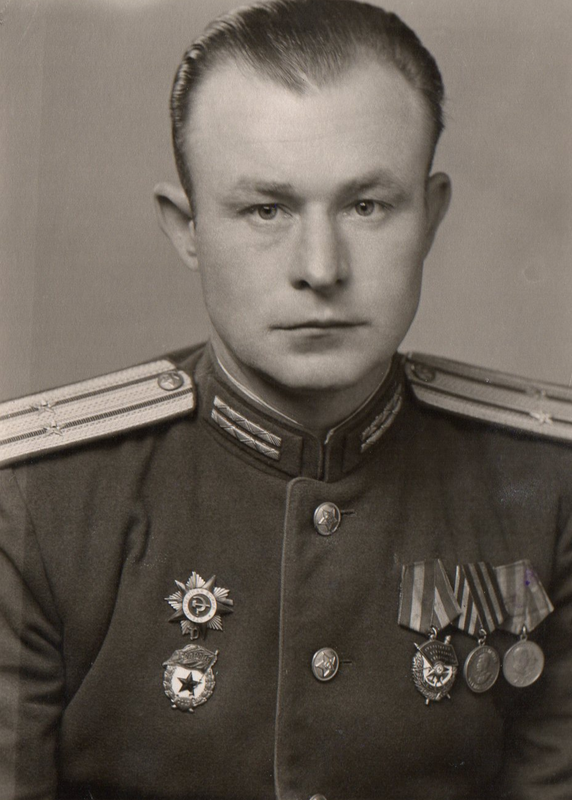
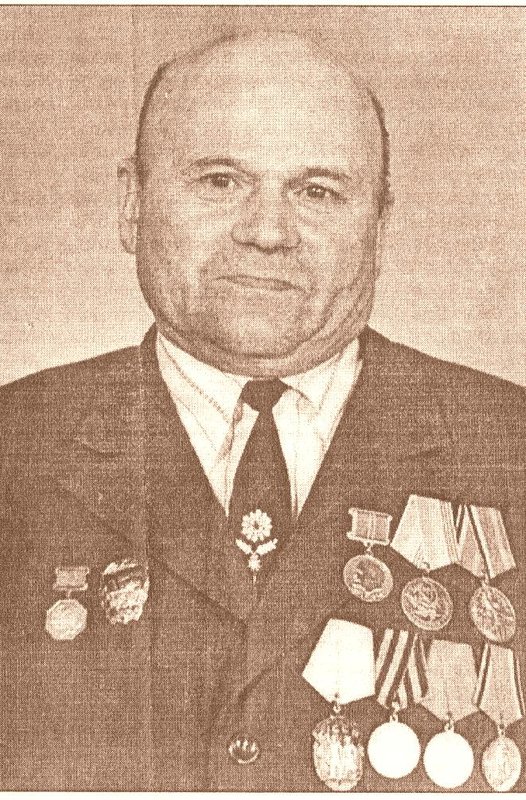

Andrienko Fedor Markovich
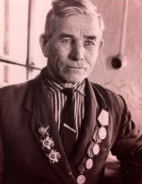
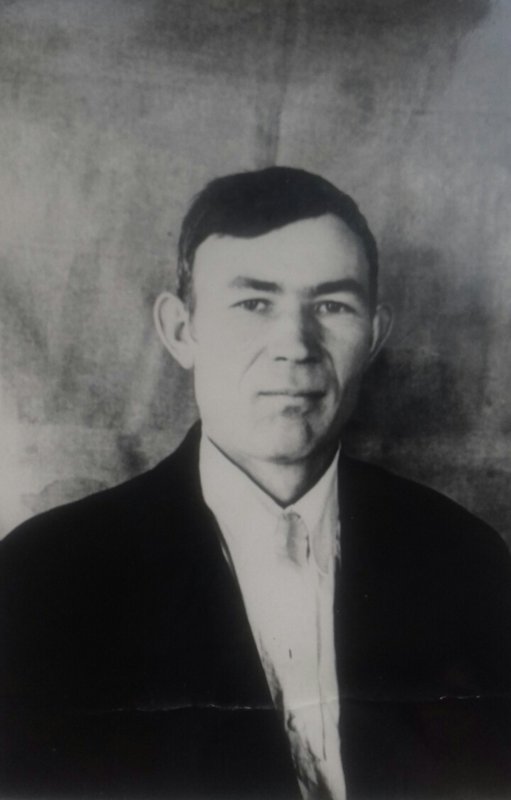
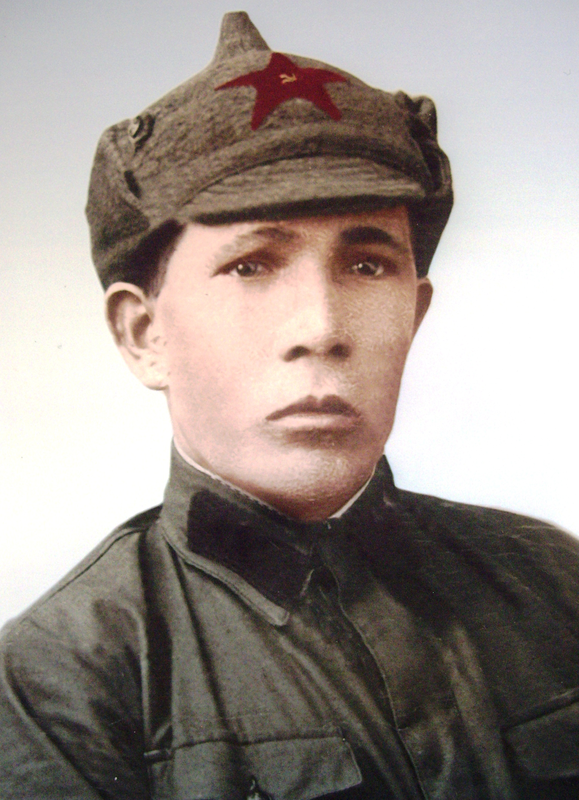
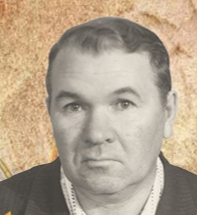
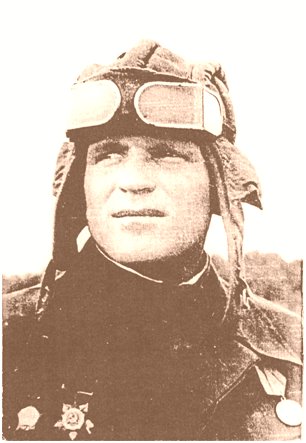
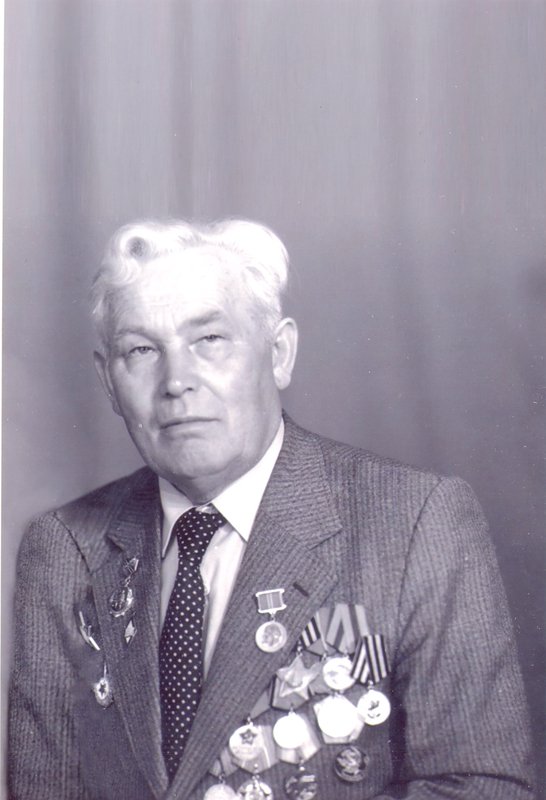
CITY: the village of Veliky Sambir, Konotop district, Sumy region DATE OF BIRTH: 02/09/1924 DATE OF DEATH: 02/02/2006 HISTORY: Andrienko Fyodor Markovich (02/09/1924 - 02/02/2006) was born in the village of Veliky Sambir, Konotop region, Sumy region. In 1936 he finished 7 classes and entered the Konotop pedagogical school. On June 20, 1941, he received a diploma as a primary school teacher. And the next day the war began. Together with his friends he asked to go to the front, but the seventeen-year-old boy was refused in the military registration and enlistment office. And he left for the village of Trunovskoye, Stavropol Territory, where his family lived at that time.In July 1942, Fedor was drafted into the Red Army in the Trunovsky Military Commissariat of the Trunovsky District of the Stavropol Territory. First he served in the reserve regiment. He received his first baptism of fire at the Kursk Bulge on the 1st Ukrainian Front. He commanded the communications department of the mortar crew. Everyday life at the front is harsh. Spend the night at an observation post (OP), which sometimes is a knee-deep trench filled with a slurry of snow and water, from dusk to dawn, without losing your vigilance for a minute, performing the task assigned to you by the command, and at the same time expecting any action from the enemy - It is not simple. Or run to the attack in broad daylight, which seems to be twilight, peering ahead through the curtain of smoke, fire, rearing from the explosions of the earth. And make decisions. Fyodor Markovich recalls such an episode from his military life. It was in Belarus, not far from the village of Vasilkevichi, which, in all likelihood, is no longer on modern maps after the Nazi occupation and the battles that raged there. “I was on the NP 300 meters from the mortars. At some point, the enemy felt stronger and went on the offensive. An order was received to withdraw from the Observation point, to move to firing positions. At the firing positions, I saw our comrade, the commander of a mortar crew, who was wounded. Without thinking twice, I replaced it. I was good at reconnaissance and aiming, I was good at shooting. I have fired many shots. At this time, a wounded soldier, an ATR, approached from our retreating soldiers. And the enemy was already not far away. I then decided to shoot from his ATGM. First time. I have never fired an ATGM. And already at a distance of visibility of the enemy - it was a tank with soldiers, I fired in their direction. Good luck. I got hit by the tracks. The tank stopped. And at this time our general retreat began to subside. The German offensive also died down. In this battle he was wounded and was treated in the Murom hospital. Then, as a commander of a battery control platoon in a mortar regiment as part of the 7th Guards Mechanized Corps, he participated in hostilities on the 1st Ukrainian, 1st, 2nd and 3rd Belorussian fronts. We entered Europe with battles. We went through Poland, Czechoslovakia. Was an eyewitness to the speech of Rokossovsky. He called to proudly bear the high rank of the Russian soldier - liberator, heroically finish off the enemy in his lair, not to vent anger on the civilian population, not to loot, like the Nazis. The attack on Berlin was especially memorable. To save the Nazis in Berlin, German armies marched from the Balkan Peninsula, from the south. And the Berlin divisions, which were supposed to defend Berlin, to save themselves, fled to the south. And now - a collision. We were actually surrounded by two German armies - retreating and advancing. It was a real cauldron - merciless hand-to-hand combat. It was scary, but fear was overcome by a high sense of patriotism. And I really did not want to die in the last days before the end of the war. The breath of Victory was already felt. I met Victory Day in an evacuation hospital in the city of Chesnohov, Poland, where he was sent after a serious injury. After treatment, they were given ten days of home leave, and then returned to their 7th Guards Mechanized Reserve Corps of the Supreme Commander-in-Chief Headquarters. " Guard senior sergeant F.M. Andrienko awarded with military awards: the Order of the Patriotic War of the first degree, the Order of the Red Star, the Order of Glory of the third degree. He was especially proud of the Order of Glory, to which he was presented for the courage and courage shown in the last months of the war. “On February 14, 1945, Weidnanzau, under heavy mortar and artillery fire from the enemy, disrupted the connection between the battalion's NP and the battery. Comrade Andrienko eliminated 14 gusts of the communication line. On March 19, 1945, the enemy in the Kranzdorf area launched counterattacks. Comrade Andrienko, being at the NP, among 14 fighters went to counterattack the enemy. 4 German soldiers were killed, 8 were taken prisoner, a service carriage was destroyed, documents and topographic maps were seized, and Comrade. Andrienko were taken to the headquarters. In 1946 Andrienko F.M. was mobilized on the basis of Stalin's order for the early mobilization of teachers and other specialists. In 1946 he got married. Andrienko Nina Vasilievna became his wife - a veteran of the Second World War, awarded with the Orders of the Patriotic War of the second degree, medals "For Military Merit", "For the Liberation of the Caucasus." Andrienko Fyodor Markovich devoted his entire further life to the profession he had chosen in his distant pre-war youth - pedagogy. He graduated from the Stavropol Pedagogical Institute in absentia. And he never regretted the chosen path. He always respected his colleagues and was proud of his students. Received the title of "Honored Teacher". After retirement, he could not sit at home. With great pleasure and awareness of the importance of his activities, he served as an honorary member of the regional council of the Russian Society for the Protection of Historical and Cultural Monuments, was awarded the medal "For diligence and usefulness." Children and grandchildren are proud of the exploits of Andrienko Fyodor Markovich and Nina Vasilievna, they cherish the awards and sacred memory of their great feat.
Andrienko Fedor Markovich
CITY: the village of Veliky Sambir, Konotop district, Sumy region DATE OF BIRTH: 02/09/1924 DATE OF DEATH: 02/02/2006 HISTORY: Andrienko Fyodor Markovich (02/09/1924 - 02/02/2006) was born in the village of Veliky Sambir, Konotop region, Sumy region. In 1936 he finished 7 classes and entered the Konotop pedagogical school. On June 20, 1941, he received a diploma as a primary school teacher. And the next day the war began. Together with his friends he asked to go to the front, but the seventeen-year-old boy was refused in the military registration and enlistment office. And he left for the village of Trunovskoye, Stavropol Territory, where his family lived at that time.In July 1942, Fedor was drafted into the Red Army in the Trunovsky Military Commissariat of the Trunovsky District of the Stavropol Territory. First he served in the reserve regiment. He received his first baptism of fire at the Kursk Bulge on the 1st Ukrainian Front. He commanded the communications department of the mortar crew. Everyday life at the front is harsh. Spend the night at an observation post (OP), which sometimes is a knee-deep trench filled with a slurry of snow and water, from dusk to dawn, without losing your vigilance for a minute, performing the task assigned to you by the command, and at the same time expecting any action from the enemy - It is not simple. Or run to the attack in broad daylight, which seems to be twilight, peering ahead through the curtain of smoke, fire, rearing from the explosions of the earth. And make decisions. Fyodor Markovich recalls such an episode from his military life. It was in Belarus, not far from the village of Vasilkevichi, which, in all likelihood, is no longer on modern maps after the Nazi occupation and the battles that raged there. “I was on the NP 300 meters from the mortars. At some point, the enemy felt stronger and went on the offensive. An order was received to withdraw from the Observation point, to move to firing positions. At the firing positions, I saw our comrade, the commander of a mortar crew, who was wounded. Without thinking twice, I replaced it. I was good at reconnaissance and aiming, I was good at shooting. I have fired many shots. At this time, a wounded soldier, an ATR, approached from our retreating soldiers. And the enemy was already not far away. I then decided to shoot from his ATGM. First time. I have never fired an ATGM. And already at a distance of visibility of the enemy - it was a tank with soldiers, I fired in their direction. Good luck. I got hit by the tracks. The tank stopped. And at this time our general retreat began to subside. The German offensive also died down. In this battle he was wounded and was treated in the Murom hospital. Then, as a commander of a battery control platoon in a mortar regiment as part of the 7th Guards Mechanized Corps, he participated in hostilities on the 1st Ukrainian, 1st, 2nd and 3rd Belorussian fronts. We entered Europe with battles. We went through Poland, Czechoslovakia. Was an eyewitness to the speech of Rokossovsky. He called to proudly bear the high rank of the Russian soldier - liberator, heroically finish off the enemy in his lair, not to vent anger on the civilian population, not to loot, like the Nazis. The attack on Berlin was especially memorable. To save the Nazis in Berlin, German armies marched from the Balkan Peninsula, from the south. And the Berlin divisions, which were supposed to defend Berlin, to save themselves, fled to the south. And now - a collision. We were actually surrounded by two German armies - retreating and advancing. It was a real cauldron - merciless hand-to-hand combat. It was scary, but fear was overcome by a high sense of patriotism. And I really did not want to die in the last days before the end of the war. The breath of Victory was already felt. I met Victory Day in an evacuation hospital in the city of Chesnohov, Poland, where he was sent after a serious injury. After treatment, they were given ten days of home leave, and then returned to their 7th Guards Mechanized Reserve Corps of the Supreme Commander-in-Chief Headquarters. " Guard senior sergeant F.M. Andrienko awarded with military awards: the Order of the Patriotic War of the first degree, the Order of the Red Star, the Order of Glory of the third degree. He was especially proud of the Order of Glory, to which he was presented for the courage and courage shown in the last months of the war. “On February 14, 1945, Weidnanzau, under heavy mortar and artillery fire from the enemy, disrupted the connection between the battalion's NP and the battery. Comrade Andrienko eliminated 14 gusts of the communication line. On March 19, 1945, the enemy in the Kranzdorf area launched counterattacks. Comrade Andrienko, being at the NP, among 14 fighters went to counterattack the enemy. 4 German soldiers were killed, 8 were taken prisoner, a service carriage was destroyed, documents and topographic maps were seized, and Comrade. Andrienko were taken to the headquarters. In 1946 Andrienko F.M. was mobilized on the basis of Stalin's order for the early mobilization of teachers and other specialists. In 1946 he got married. Andrienko Nina Vasilievna became his wife - a veteran of the Second World War, awarded with the Orders of the Patriotic War of the second degree, medals "For Military Merit", "For the Liberation of the Caucasus." Andrienko Fyodor Markovich devoted his entire further life to the profession he had chosen in his distant pre-war youth - pedagogy. He graduated from the Stavropol Pedagogical Institute in absentia. And he never regretted the chosen path. He always respected his colleagues and was proud of his students. Received the title of "Honored Teacher". After retirement, he could not sit at home. With great pleasure and awareness of the importance of his activities, he served as an honorary member of the regional council of the Russian Society for the Protection of Historical and Cultural Monuments, was awarded the medal "For diligence and usefulness." Children and grandchildren are proud of the exploits of Andrienko Fyodor Markovich and Nina Vasilievna, they cherish the awards and sacred memory of their great feat.
0 comment



2026 © Russian Military Historical Society Developed by Jetmix