




Alekseenko Mikhail Iosifovich
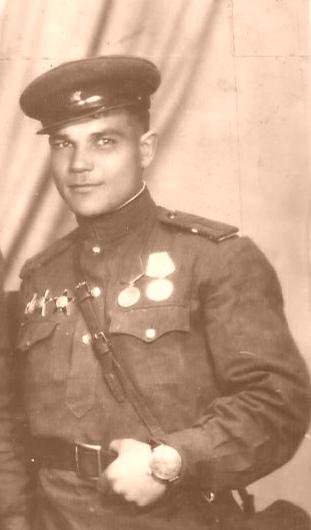
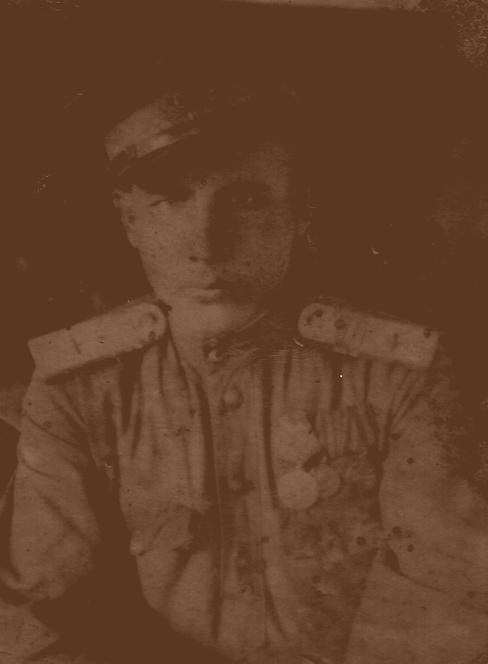
CITY: Belousovka village, Pavlogradskiy district, Omsk region DATE OF BIRTH: 01/07/1925 DATE OF DEATH: 04/26/1999 HISTORY: Mikhail Iosifovich Alekseenko was drafted into the army as a conscript born in 1926 and served until he returned to his homeland in the Omsk region in 1950. Upon returning home, a metric was found confirming that he was born on January 7, 1925 in the village of Belousovka, Pavlogradsky district, Omsk region. He graduated from a seven-year school, before the army he worked on a collective farm. It was hard at that time, there was not enough bread, equipment, horses. Mikhail Iosifovich, like his peers, helped their parents, the collective farm, as much as they could. In December 1943, Mikhail Iosifovich, a young youth who did not manage to stand firmly on his feet, went to defend the Motherland from the fascist invaders. Mikhail Iosifovich served in the 148th rifle division of the 1st Ukrainian Front. The division where Aleksey Mikhailovich served successfully routed the enemy in the Lvov-Sandomierz operation. In these battles, the young sergeant was slightly wounded in his right arm, but remained in the ranks. The unit continued the offensive, and together with it and the guard Sergeant Alekseenko participated in the battles for the liberation of the Polish cities of Debica and Krakow. Having burst into the territory of Germany, into the lair of the Nazis, the guardsmen of the 148th rifle division crossed the Oder River. In March, the unit in which Mikhail Iosifovich served took part in the Upper Silesian offensive operation. On March 24, when the village of the Circle of Guards was captured, Sergeant Alekseenko was seriously wounded. The second injury was serious and ended up in the hospital. On March 26, 1945, this was the time when the Soviet army was crushing the enemy in Germany. It was not possible to take part in the capture of Berlin, I learned about the surrender of Germany in the hospital, but the war for Mikhail Iosifovich was not over yet. After being discharged from the hospital, he participated in the war with Japan, and after defeating it, he was in the service for four more years in the Far East, until 1950. While serving in the Far East, he met his wife Anna Ustinovna. He returned to his native land and together with all his fellow villagers to raise the national economy destroyed by the war. In the same year he began to work on the collective farm. Zhdanov. Mikhail Iosifovich Alekseenko worked with full dedication in his native collective farm, this is evidenced by his awards - a pile of certificates of honor and letters of thanks for impeccable work, the medal "For Valiant Labor". For participation in the war he was awarded government awards: medals "For Victory over Germany in the Great Patriotic War of 1941-45." and "For the victory over Japan". Mikhailovich Iosifovich was awarded the Order of the Patriotic War, 2nd degree. Mikhail Iosifovich never received his award for the last battle. Years passed. Together with his wife Anna Ustinovna, they brought up and raised three sons, Alexander, Sergei and Vladimir, and a daughter, Valentina. In 1999, Mikhail Iosifovich Alekseenko passed away. From the award list for the medal "For Military Merit": "Devoted to the cause of the party of Lenin-Stalin and the socialist homeland. Morally stable. Politically developed mediocre. In matters of combat training, he has good grades. Disciplined. Demanding to himself and to his subordinates. He does a lot of education. and training of the personnel of the department. Discipline in the department is good. Classes are able to organize and conduct. Comrade Alekseenko from June 1944 to April 1945 participated in the front of the struggle against the German invaders. 1st Ukrainian front. 60 army 148 guards regiment. In 1945 On March 24, as a squad leader during the capture of the village, Krug was seriously wounded and was sent to the hospital where he was until the day of victory over Germany.Conclusion: For the exemplary performance of the mission of the command of the struggle against the German invaders, it is worthy of being awarded the medal "For Military Merit". "
Alekseenko Mikhail Iosifovich
CITY: Belousovka village, Pavlogradskiy district, Omsk region DATE OF BIRTH: 01/07/1925 DATE OF DEATH: 04/26/1999 HISTORY: Mikhail Iosifovich Alekseenko was drafted into the army as a conscript born in 1926 and served until he returned to his homeland in the Omsk region in 1950. Upon returning home, a metric was found confirming that he was born on January 7, 1925 in the village of Belousovka, Pavlogradsky district, Omsk region. He graduated from a seven-year school, before the army he worked on a collective farm. It was hard at that time, there was not enough bread, equipment, horses. Mikhail Iosifovich, like his peers, helped their parents, the collective farm, as much as they could. In December 1943, Mikhail Iosifovich, a young youth who did not manage to stand firmly on his feet, went to defend the Motherland from the fascist invaders. Mikhail Iosifovich served in the 148th rifle division of the 1st Ukrainian Front. The division where Aleksey Mikhailovich served successfully routed the enemy in the Lvov-Sandomierz operation. In these battles, the young sergeant was slightly wounded in his right arm, but remained in the ranks. The unit continued the offensive, and together with it and the guard Sergeant Alekseenko participated in the battles for the liberation of the Polish cities of Debica and Krakow. Having burst into the territory of Germany, into the lair of the Nazis, the guardsmen of the 148th rifle division crossed the Oder River. In March, the unit in which Mikhail Iosifovich served took part in the Upper Silesian offensive operation. On March 24, when the village of the Circle of Guards was captured, Sergeant Alekseenko was seriously wounded. The second injury was serious and ended up in the hospital. On March 26, 1945, this was the time when the Soviet army was crushing the enemy in Germany. It was not possible to take part in the capture of Berlin, I learned about the surrender of Germany in the hospital, but the war for Mikhail Iosifovich was not over yet. After being discharged from the hospital, he participated in the war with Japan, and after defeating it, he was in the service for four more years in the Far East, until 1950. While serving in the Far East, he met his wife Anna Ustinovna. He returned to his native land and together with all his fellow villagers to raise the national economy destroyed by the war. In the same year he began to work on the collective farm. Zhdanov. Mikhail Iosifovich Alekseenko worked with full dedication in his native collective farm, this is evidenced by his awards - a pile of certificates of honor and letters of thanks for impeccable work, the medal "For Valiant Labor". For participation in the war he was awarded government awards: medals "For Victory over Germany in the Great Patriotic War of 1941-45." and "For the victory over Japan". Mikhailovich Iosifovich was awarded the Order of the Patriotic War, 2nd degree. Mikhail Iosifovich never received his award for the last battle. Years passed. Together with his wife Anna Ustinovna, they brought up and raised three sons, Alexander, Sergei and Vladimir, and a daughter, Valentina. In 1999, Mikhail Iosifovich Alekseenko passed away. From the award list for the medal "For Military Merit": "Devoted to the cause of the party of Lenin-Stalin and the socialist homeland. Morally stable. Politically developed mediocre. In matters of combat training, he has good grades. Disciplined. Demanding to himself and to his subordinates. He does a lot of education. and training of the personnel of the department. Discipline in the department is good. Classes are able to organize and conduct. Comrade Alekseenko from June 1944 to April 1945 participated in the front of the struggle against the German invaders. 1st Ukrainian front. 60 army 148 guards regiment. In 1945 On March 24, as a squad leader during the capture of the village, Krug was seriously wounded and was sent to the hospital where he was until the day of victory over Germany.Conclusion: For the exemplary performance of the mission of the command of the struggle against the German invaders, it is worthy of being awarded the medal "For Military Merit". "
0 comment




2026 © Russian Military Historical Society Developed by Jetmix