





Aslanov Zakhrab Yulchievich
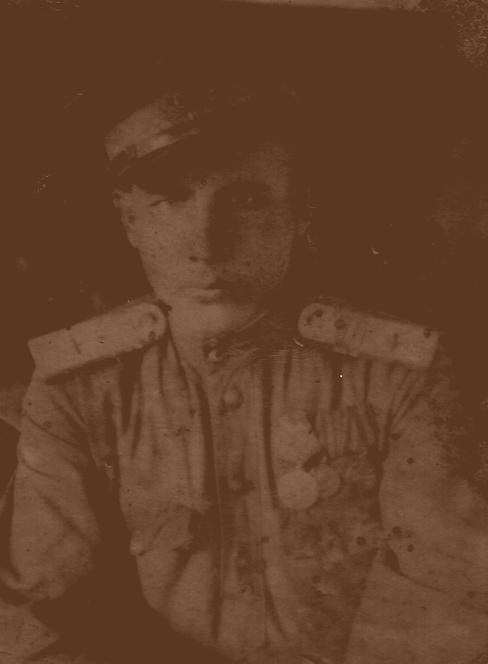
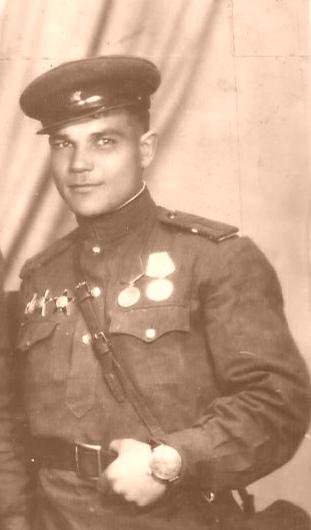
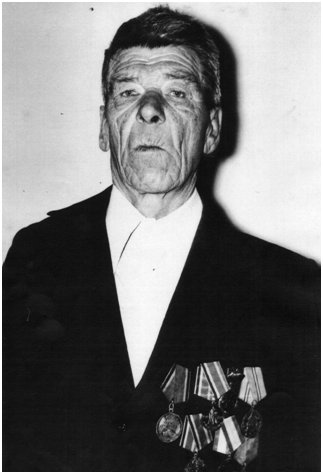
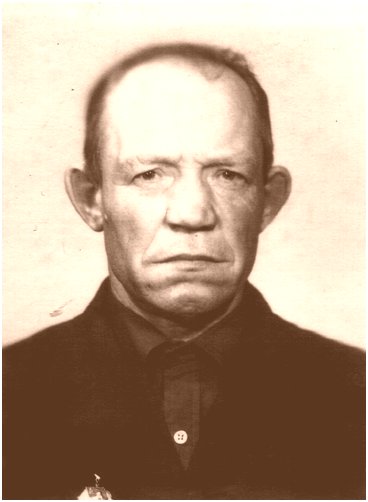
CITY: s. Kurush, Republic of Dagestan. DATE OF BIRTH: 06/18/1918 DATE OF DEATH: 06/18/2010 HISTORY: In October, in all the mountain villages of Southern Dagestan, another conscription of citizens to the Soviet Army took place. Military commissars had to create temporary evacuation points for recruitment in places convenient for mobilizing citizens who worked in distant pasture farming. At that time, the regions of Southern Dagestan had winter pastures in the Mugan steppe along the Kura river valley on the territory of the Azerbaijan SSR. To call citizens from these places, an evacuation point was created in the area of the Samur River near the so-called "Golden Bridge". From here, the mobilized echelons were sent to Georgia to undergo the course of a young soldier with the subsequent transfer to the active forces. Having quickly passed the basics of knowledge of small arms and regulations, Aslanov Zakhrab in January 1942 was sent to Kharkov, where there were fierce battles for the South-Eastern part of the USSR. The fellow countrymen who arrived with him were assigned to other active military units. The harsh winter of 1942 was not up to everyone. Many highlanders, dressed out of season, not adapting to the climate, and not yet having time to join the battle, froze in the trenches. The same fate befell the soldiers of the Wehrmacht, who counted on an easy summer victory over the USSR. Zahrab, recalling the events of that period, declares that the soldiers who withstood the tests of the war and the harsh 1942, secured the right to life in the following years in the flesh until the Victory over Nazi Germany. Many of the wounds he received during the liberation of Budapest, Zhitomir and Poltava, Zakhrab considers in the order of things in his fate and the fate of every Red Army soldier in the Great Patriotic War. The rapid advance of the Soviet Army to the West forced the German command to clench into a fist to repulse. To this end, it created a powerful military grouping under the code name "South" on the territory of Hungary in the Budapest region with three defensive lines, mainly on the western bank of the Danube River and around Budapest. Guided by the decision of the VGT Headquarters of December 12, 1944, the headquarters of the 2nd and 3rd Ukrainian Fronts developed a plan to encircle and destroy the enemy with the aim of the subsequent liberation of the capital of Hungary. For two months, there were fierce positional battles for every square meter of Hungarian land. Hundreds of Soviet Army soldiers were left to lie in the Danube hills. Here on February 11, i.e. Two days before the end of the all-front operation, the commander of the artillery crew Aslanov Zakhrab received a severe leg injury and a concussion, remaining lying under the overturned artillery mount for more than a day. At that time, some soldiers went to their Victory, others to field sanbats, and still others to mass graves. Zakhrab Yulchievich was picked up from the position as dead, but before being buried, one of the servicemen saw life in him, and he was taken to a field hospital, and then placed on an ambulance train and taken to Molotov. Zakhrab began a struggle for survival, which he with great courage endured while amputating his left leg in the Molotov Hospital for Victory!
Aslanov Zakhrab Yulchievich
CITY: s. Kurush, Republic of Dagestan. DATE OF BIRTH: 06/18/1918 DATE OF DEATH: 06/18/2010 HISTORY: In October, in all the mountain villages of Southern Dagestan, another conscription of citizens to the Soviet Army took place. Military commissars had to create temporary evacuation points for recruitment in places convenient for mobilizing citizens who worked in distant pasture farming. At that time, the regions of Southern Dagestan had winter pastures in the Mugan steppe along the Kura river valley on the territory of the Azerbaijan SSR. To call citizens from these places, an evacuation point was created in the area of the Samur River near the so-called "Golden Bridge". From here, the mobilized echelons were sent to Georgia to undergo the course of a young soldier with the subsequent transfer to the active forces. Having quickly passed the basics of knowledge of small arms and regulations, Aslanov Zakhrab in January 1942 was sent to Kharkov, where there were fierce battles for the South-Eastern part of the USSR. The fellow countrymen who arrived with him were assigned to other active military units. The harsh winter of 1942 was not up to everyone. Many highlanders, dressed out of season, not adapting to the climate, and not yet having time to join the battle, froze in the trenches. The same fate befell the soldiers of the Wehrmacht, who counted on an easy summer victory over the USSR. Zahrab, recalling the events of that period, declares that the soldiers who withstood the tests of the war and the harsh 1942, secured the right to life in the following years in the flesh until the Victory over Nazi Germany. Many of the wounds he received during the liberation of Budapest, Zhitomir and Poltava, Zakhrab considers in the order of things in his fate and the fate of every Red Army soldier in the Great Patriotic War. The rapid advance of the Soviet Army to the West forced the German command to clench into a fist to repulse. To this end, it created a powerful military grouping under the code name "South" on the territory of Hungary in the Budapest region with three defensive lines, mainly on the western bank of the Danube River and around Budapest. Guided by the decision of the VGT Headquarters of December 12, 1944, the headquarters of the 2nd and 3rd Ukrainian Fronts developed a plan to encircle and destroy the enemy with the aim of the subsequent liberation of the capital of Hungary. For two months, there were fierce positional battles for every square meter of Hungarian land. Hundreds of Soviet Army soldiers were left to lie in the Danube hills. Here on February 11, i.e. Two days before the end of the all-front operation, the commander of the artillery crew Aslanov Zakhrab received a severe leg injury and a concussion, remaining lying under the overturned artillery mount for more than a day. At that time, some soldiers went to their Victory, others to field sanbats, and still others to mass graves. Zakhrab Yulchievich was picked up from the position as dead, but before being buried, one of the servicemen saw life in him, and he was taken to a field hospital, and then placed on an ambulance train and taken to Molotov. Zakhrab began a struggle for survival, which he with great courage endured while amputating his left leg in the Molotov Hospital for Victory!
0 comment



2026 © Russian Military Historical Society Developed by Jetmix