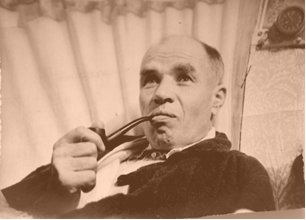
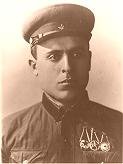


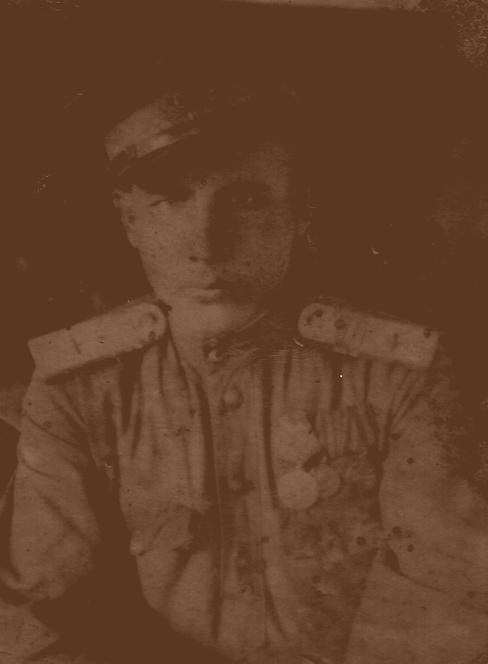


Astakhov Dmitry Vasilievich
CITY: Malye Golubochki village, Arsenyevsky district, Tula region. DATE OF BIRTH: 03.12.1923 DATE OF DEATH: 22.05.2009 HISTORY: My dad, Dmitry Vasilyevich Astakhov was born on December 3, 1923 in the village of Malye Golubochki, Tula Region. He graduated from 10 classes in June 1941. He was preparing to go to Leningrad at the Naval School, but eventually became a signalman, completing an accelerated course at the Voronezh Military School of Communications in Samarkand. Upon graduation, he was sent to the Novosibirsk region. in the 29th separate ski brigade as a radio platoon commander. On January 11, 1943, the brigade was sent to the front in an echelon. They arrived at their destination on February 10, 1943. They entered the 60th Army of the Central Front under the command of General of the Army Rokossovsky and took up defensive positions on the Kursk Bulge (from the end of March to the beginning of July 1943). Fierce battles on the Kursk salient began on June 5, 1943.The brigade became part of the 112th Rifle Division of the 13th Army Colonel General Pukhov. The offensive began on 13 July. The 1st Ukrainian Front was formed and the 13th Army entered this front. The task of the communications platoon, which was commanded by the Pope, was to provide constant reliable communications to the command of the division. After crossing the Desna, the battle for the Dnieper began. At the end of September 1943, the Dnieper was crossed over a temporary bridge and two communication lines were laid - air and underwater. The left flank of the 1st Ukrainian Front liberated the city of Kiev. The division, continuing the offensive, went to the town of Korosten and liberated it. The division was named the 112th Rylsko - Korosten Infantry Division. At the beginning of February 1944, the division took part in the liberation of the city of Rivne, and by the end of April entered the area of the city of Brody, Lviv region. In July 1944, the city of Lviv was liberated.Forcing the San River, they liberated the city of Rzeszow on Polish territory and rushed to the city of Sandomierz on the Vistula River. Signalers worked in the sweat of their brow, sometimes not keeping up with the advancing infantry. It was necessary to remove the laid communication line, catch up with the division headquarters and, in the new area, establish communications from the division headquarters to the regiment headquarters. This is how my father's difficult, selfless front line continued. On April 20, 1945, the division arrived at Breslau (now the Polish Wroclaw), and soon the regiment commander received an order to attack from the eastern side of the surrounded city. Fierce fighting broke out in the streets of Breslau. Berlin was taken on May 2, 1945. The encircled group in Breslau became more accommodating. On May 5, as a result of a bilateral meeting in Deutsch Lees, the commander of the Breslau garrison signed a surrender order. Date of acceptance of surrendered troops - May 7, 1945. In total, 49 thousand soldiers and officers were received during the whole day. All were saved with their lives, awards and personal belongings. The combat path of my father was marked with three Orders of the Red Star, two Orders of the Great Patriotic War and many medals. After the war, dad graduated from the Academy of Communications in Leningrad and continued to serve at the Ryazan Higher Military School of Communications as a teacher. In 1974 he went into the reserve. From 1974 to 1996 worked at the Ryazan Instrument Plant and only in October 1996 went on vacation. Eternal glory to the soldiers who fought for our Motherland! Blessed memory of the heroes who gave their lives for the Fatherland!
Astakhov Dmitry Vasilievich
CITY: Malye Golubochki village, Arsenyevsky district, Tula region. DATE OF BIRTH: 03.12.1923 DATE OF DEATH: 22.05.2009 HISTORY: My dad, Dmitry Vasilyevich Astakhov was born on December 3, 1923 in the village of Malye Golubochki, Tula Region. He graduated from 10 classes in June 1941. He was preparing to go to Leningrad at the Naval School, but eventually became a signalman, completing an accelerated course at the Voronezh Military School of Communications in Samarkand. Upon graduation, he was sent to the Novosibirsk region. in the 29th separate ski brigade as a radio platoon commander. On January 11, 1943, the brigade was sent to the front in an echelon. They arrived at their destination on February 10, 1943. They entered the 60th Army of the Central Front under the command of General of the Army Rokossovsky and took up defensive positions on the Kursk Bulge (from the end of March to the beginning of July 1943). Fierce battles on the Kursk salient began on June 5, 1943.The brigade became part of the 112th Rifle Division of the 13th Army Colonel General Pukhov. The offensive began on 13 July. The 1st Ukrainian Front was formed and the 13th Army entered this front. The task of the communications platoon, which was commanded by the Pope, was to provide constant reliable communications to the command of the division. After crossing the Desna, the battle for the Dnieper began. At the end of September 1943, the Dnieper was crossed over a temporary bridge and two communication lines were laid - air and underwater. The left flank of the 1st Ukrainian Front liberated the city of Kiev. The division, continuing the offensive, went to the town of Korosten and liberated it. The division was named the 112th Rylsko - Korosten Infantry Division. At the beginning of February 1944, the division took part in the liberation of the city of Rivne, and by the end of April entered the area of the city of Brody, Lviv region. In July 1944, the city of Lviv was liberated.Forcing the San River, they liberated the city of Rzeszow on Polish territory and rushed to the city of Sandomierz on the Vistula River. Signalers worked in the sweat of their brow, sometimes not keeping up with the advancing infantry. It was necessary to remove the laid communication line, catch up with the division headquarters and, in the new area, establish communications from the division headquarters to the regiment headquarters. This is how my father's difficult, selfless front line continued. On April 20, 1945, the division arrived at Breslau (now the Polish Wroclaw), and soon the regiment commander received an order to attack from the eastern side of the surrounded city. Fierce fighting broke out in the streets of Breslau. Berlin was taken on May 2, 1945. The encircled group in Breslau became more accommodating. On May 5, as a result of a bilateral meeting in Deutsch Lees, the commander of the Breslau garrison signed a surrender order. Date of acceptance of surrendered troops - May 7, 1945. In total, 49 thousand soldiers and officers were received during the whole day. All were saved with their lives, awards and personal belongings. The combat path of my father was marked with three Orders of the Red Star, two Orders of the Great Patriotic War and many medals. After the war, dad graduated from the Academy of Communications in Leningrad and continued to serve at the Ryazan Higher Military School of Communications as a teacher. In 1974 he went into the reserve. From 1974 to 1996 worked at the Ryazan Instrument Plant and only in October 1996 went on vacation. Eternal glory to the soldiers who fought for our Motherland! Blessed memory of the heroes who gave their lives for the Fatherland!
0 comment



2026 © Russian Military Historical Society Developed by Jetmix