
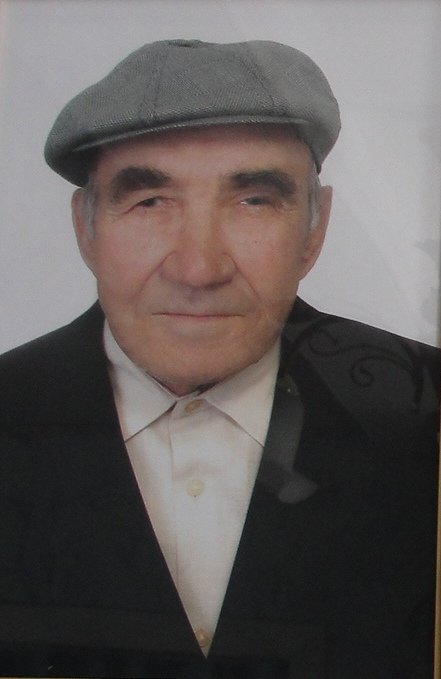
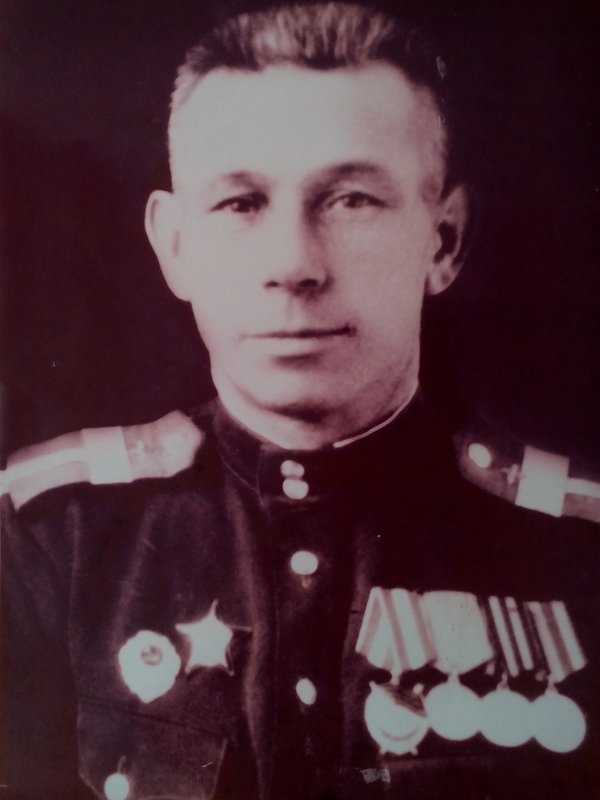
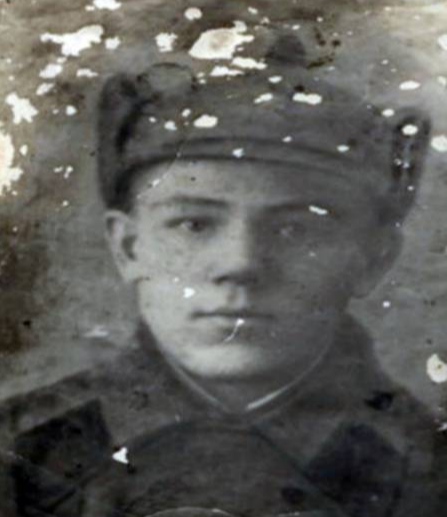
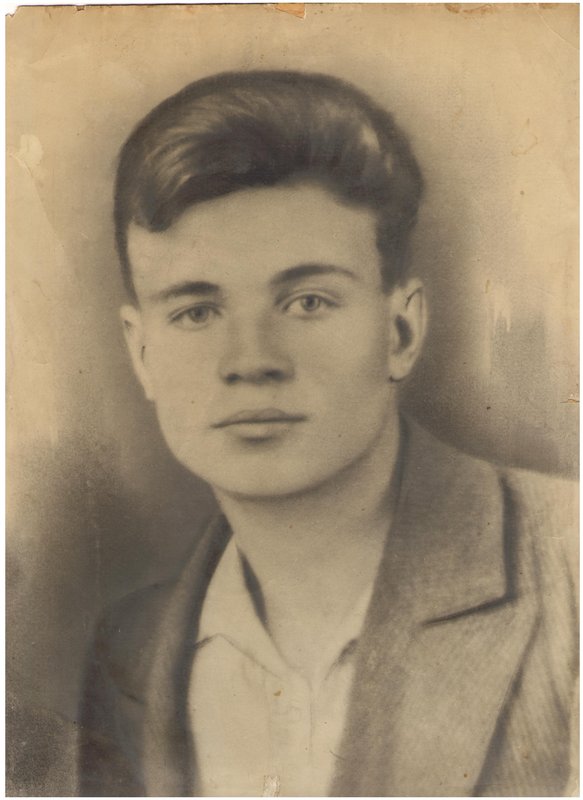
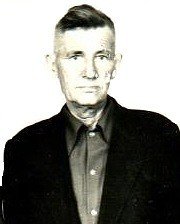
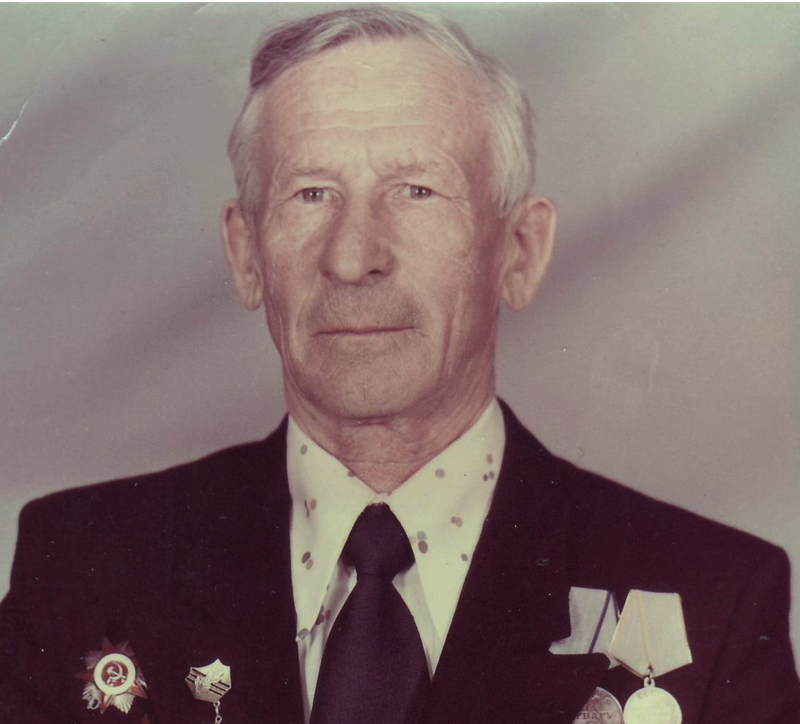
Krylovich Stanislav Iosifovich
Branch of military: Land Forces,Air Forces (except for Naval aviation), Coast Guards, the NKVD troops, Border Guards
Division: the 39th Guards rifle Stalingrad-Barvenkovskaya Order of Lenin, twice the Red Banner, Order of Suvorov and Bogdan Khmelnitsky’s division.
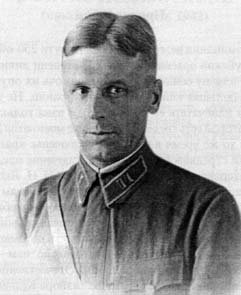
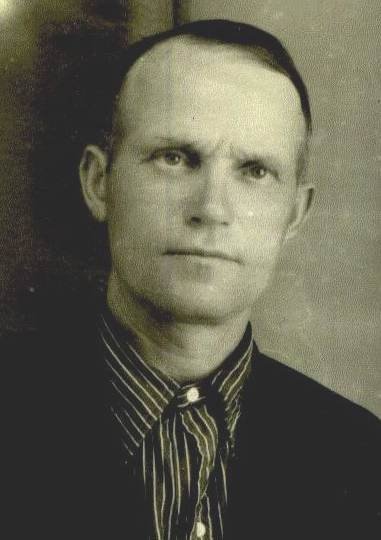
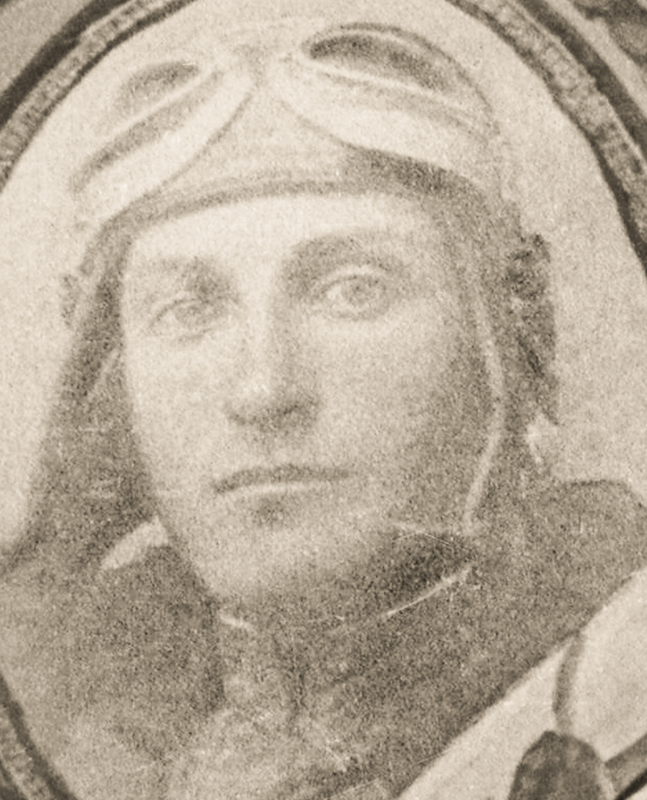
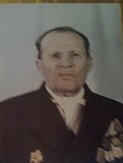
There was a man who lived, suffered, rejoiced, dreamed, wrote poems and collected memories of comrades, met with friends, tried to fill every moment of life with meaning – and now he is gone, my great-grandfather Krylovich Stanislav Iosifovich died fifteen years ago. But the memory of him is still alive… The fate of a person is inextricably linked to the fate of the country! And it all started like this… In March 1934, Stanislav's elder brother arrived, took the boy away from his parents and hooked him up to be a pupil of the 71st cavalry regiment. So the fate was decided-regimental life, two wars for ten years to come… For the first two years, Stanislav was allowed to go home on vacation, he played Chapaev with the boys, commanded his nephews, and proudly wore a budenovka. But in 1937, my father, the head of the railway station Myasnoy Bor, and then the station Tregubovo, was arrested and shot in Leningrad on the "Polish case", although the father of eleven children was originally from Lithuania and had no connection with his relatives. After completing the course, health education supervisor Krylovich left in his regiment, but then participated in the Finnish campaign, was wounded, and in November 1940 became an assistant of the commander of the 1012 communications platoon of the artillery regiment. Summer camps, drill training, the duties of a mass cult occupied all the time, it was not even possible to meet with the relatives. And then the War! Just the regiment was in summer camps in Estonia, they began to retreat, get out of the encirclement, many times fell under bombing, rushed into hand-to-hand combat. Wounded Stanislav went to his own, immediately went to hospital, and in December, when the Nazis were approaching Moscow, got into the 117th Guards regiment, became the commander of the intelligence. This first year of the War was the most intense, painful thoughts overcame the young soldier. And 1942 was a turning point in the fight against fascism. With the fighting, our units retreated to the Volga – scattered, bloodless units marched across the steppe. The soldiers were very thirsty, they did not sleep for several days, nothing was known about the situation of the 35th Guards division, they went out in deep gullies towards Stalingrad. The battle for hill 137,2 at the Vertyachy farm near the Opytnoi station close to the village of Ezhovka was particularly fierce. Scout Krylovich did not return from the mission, the documents recorded: "went missing". But the letters were not sent to their relatives – the Novgorod region was occupied, the mother, sisters and nephews were stolen and some were in Germany, some in Latvia at hard work. And Sergeant Krylovich broke out to his soldiers, with the remnants of the 35th division, he went to re-form. Already in October, as part of the 117th rifle regiment of the 39th Guards division, he took an oath at the Red October factory, when Chuikov handed over the division's banner. The fightings on the Northern slopes of Mamayev Kurgan and for the Hardware factory, completing combat missions and first awards for courage and bravery. On November 17th, a wounded scout who lost a lot of blood was carried out from Mamayev Kurgan by advancing Soviet soldiers. The Sergeant received the medal "for military merit" and The order of the Red Star in the hospital of the city of Anzhero-Sudzhensk, where he was treated for several months. Then he studied at the Rubtsovsky military infantry school, served in the commandant's office of the city of Novosibirsk. Only in 1944, in the month of June, they gave “the go-ahead” to requests to send to the front, and Stanislav, who found friends in Novosibirsk, met the love, left for the front. The fightings for Warsaw, Poznan, then moving to the Nazi’s lair, service in the 34th Department of naval intelligence, where the assistant platoon commander was awarded the badge "Excellent scout". In Poznan, Stanislav saved a boy from the rubble, a Polish boy named Stanislav was hungry. What food he and a flask of water, the Soviet intelligence officer gave him and moved on. And in Berlin again he met street fightings, even in the zoo he had to conduct a shootout with the Nazis. Smoke, shots – and near the pink island were flamingos. A fairy tale and a terrible reality-this contrast struck. But there was no time to think! It was necessary to force the channels – and there were stone slopes, those were not able for clinging on. The scouts made their way to the other side through narrow passages of communications and engaged in battle. On April 30th, the explosion of the faustpatron Stanislav was thrown back and strongly concussed. It's a shame! Everyone was cheering, celebrating the Victory, and he was in hospital. But a friend came, and took him to the Reichstag. Sergeant Krylovich returned from the front half-deaf, mute, and with two pieces of glass in his leg. But where go back to? There was no home, you needed to look for relatives, you needed the treatment. And he went to the girl in distant Siberia, in Novosibirsk region, where his fiancee Anya served in a military unit, signed and began to live. And then there was a sister in Leningrad (survived the blockade with her daughter!) the sisters returned from Germany, the mother and her younger daughter came to Stanislav, the elder brother made himself felt - he was at the War, was wounded, and was assigned to a large defense plant by the party trade. But the struggle for life, for the truth, continued. For two years, Anna nursed her husband, and he started talking, then finished accounting courses, and the children appeared. A difficult life – the loss of two older children, problems with housing, caring for a sick mother and sister. His wife has long been accepted into the party, and Stanislav seeks a certificate that his father is not an enemy of the people, several times submits an application to the party – but is refused. And happy events – found the hero and other awards: the second Order of the Red Star, the medal "for bravery", "for Warsaw", "for victory", "for Berlin", kept thanks from the command, gifts to fellow soldiers – trophy watches, purse, photos from Berlin. He didn’t not lose contact with his comrades-in-arms; he kept up correspondence and helped them achieve their benefits. Three daughters were growing up, in 1960 they were accepted into the party, elected Chairman of the trade Union Committee at a large sawmill in Mogochino, Tomsk region, where the family began to live since 1954. Stanislav Iosifovich was elected a Deputy of the district Council many times, played in an Amateur theater, sang in a choir, even danced, although all this was difficult, but you wanted to live a full life! When the daughters grew up and received an education, meetings with fellow soldiers, activities in the Council of veterans of native divisions, trips to Volgograd, to Reutov near Moscow, conversations with young people and work with conscripts took up Stanislav Iosifovich . And unexpected meetings – daughter Irina went to visit Polish friends, where they kept a flask with scratched initials and a star from the War, although the boy Stasik grew up and became the father of a family. In Anjero-Sudzhensk, a girl Vera was found who patronized the wounded in 1942, and families formed a friendship. Moving to his daughters in the Mari ASSR War veteran forced with renewed vigor to take up search work, he wrote poetry, sang in the choir of veterans, a regular guest in the editorial office of the newspaper "Forward", a friend of the pioneers. Until the last day of his life, he survived the War. At night, he raved, threw himself on the parapet in battle, shouted. And in the morning he breathed a sigh of relief and died. My great-grandfather shared all the victories, joys and troubles of his country in full. Always believed in the best, was able to enjoy life and left me his archive. Butina Angelina, 15 years old
Krylovich Stanislav Iosifovich
Branch of military: Land Forces,Air Forces (except for Naval aviation), Coast Guards, the NKVD troops, Border Guards
Division: the 39th Guards rifle Stalingrad-Barvenkovskaya Order of Lenin, twice the Red Banner, Order of Suvorov and Bogdan Khmelnitsky’s division.
There was a man who lived, suffered, rejoiced, dreamed, wrote poems and collected memories of comrades, met with friends, tried to fill every moment of life with meaning – and now he is gone, my great-grandfather Krylovich Stanislav Iosifovich died fifteen years ago. But the memory of him is still alive… The fate of a person is inextricably linked to the fate of the country! And it all started like this… In March 1934, Stanislav's elder brother arrived, took the boy away from his parents and hooked him up to be a pupil of the 71st cavalry regiment. So the fate was decided-regimental life, two wars for ten years to come… For the first two years, Stanislav was allowed to go home on vacation, he played Chapaev with the boys, commanded his nephews, and proudly wore a budenovka. But in 1937, my father, the head of the railway station Myasnoy Bor, and then the station Tregubovo, was arrested and shot in Leningrad on the "Polish case", although the father of eleven children was originally from Lithuania and had no connection with his relatives. After completing the course, health education supervisor Krylovich left in his regiment, but then participated in the Finnish campaign, was wounded, and in November 1940 became an assistant of the commander of the 1012 communications platoon of the artillery regiment. Summer camps, drill training, the duties of a mass cult occupied all the time, it was not even possible to meet with the relatives. And then the War! Just the regiment was in summer camps in Estonia, they began to retreat, get out of the encirclement, many times fell under bombing, rushed into hand-to-hand combat. Wounded Stanislav went to his own, immediately went to hospital, and in December, when the Nazis were approaching Moscow, got into the 117th Guards regiment, became the commander of the intelligence. This first year of the War was the most intense, painful thoughts overcame the young soldier. And 1942 was a turning point in the fight against fascism. With the fighting, our units retreated to the Volga – scattered, bloodless units marched across the steppe. The soldiers were very thirsty, they did not sleep for several days, nothing was known about the situation of the 35th Guards division, they went out in deep gullies towards Stalingrad. The battle for hill 137,2 at the Vertyachy farm near the Opytnoi station close to the village of Ezhovka was particularly fierce. Scout Krylovich did not return from the mission, the documents recorded: "went missing". But the letters were not sent to their relatives – the Novgorod region was occupied, the mother, sisters and nephews were stolen and some were in Germany, some in Latvia at hard work. And Sergeant Krylovich broke out to his soldiers, with the remnants of the 35th division, he went to re-form. Already in October, as part of the 117th rifle regiment of the 39th Guards division, he took an oath at the Red October factory, when Chuikov handed over the division's banner. The fightings on the Northern slopes of Mamayev Kurgan and for the Hardware factory, completing combat missions and first awards for courage and bravery. On November 17th, a wounded scout who lost a lot of blood was carried out from Mamayev Kurgan by advancing Soviet soldiers. The Sergeant received the medal "for military merit" and The order of the Red Star in the hospital of the city of Anzhero-Sudzhensk, where he was treated for several months. Then he studied at the Rubtsovsky military infantry school, served in the commandant's office of the city of Novosibirsk. Only in 1944, in the month of June, they gave “the go-ahead” to requests to send to the front, and Stanislav, who found friends in Novosibirsk, met the love, left for the front. The fightings for Warsaw, Poznan, then moving to the Nazi’s lair, service in the 34th Department of naval intelligence, where the assistant platoon commander was awarded the badge "Excellent scout". In Poznan, Stanislav saved a boy from the rubble, a Polish boy named Stanislav was hungry. What food he and a flask of water, the Soviet intelligence officer gave him and moved on. And in Berlin again he met street fightings, even in the zoo he had to conduct a shootout with the Nazis. Smoke, shots – and near the pink island were flamingos. A fairy tale and a terrible reality-this contrast struck. But there was no time to think! It was necessary to force the channels – and there were stone slopes, those were not able for clinging on. The scouts made their way to the other side through narrow passages of communications and engaged in battle. On April 30th, the explosion of the faustpatron Stanislav was thrown back and strongly concussed. It's a shame! Everyone was cheering, celebrating the Victory, and he was in hospital. But a friend came, and took him to the Reichstag. Sergeant Krylovich returned from the front half-deaf, mute, and with two pieces of glass in his leg. But where go back to? There was no home, you needed to look for relatives, you needed the treatment. And he went to the girl in distant Siberia, in Novosibirsk region, where his fiancee Anya served in a military unit, signed and began to live. And then there was a sister in Leningrad (survived the blockade with her daughter!) the sisters returned from Germany, the mother and her younger daughter came to Stanislav, the elder brother made himself felt - he was at the War, was wounded, and was assigned to a large defense plant by the party trade. But the struggle for life, for the truth, continued. For two years, Anna nursed her husband, and he started talking, then finished accounting courses, and the children appeared. A difficult life – the loss of two older children, problems with housing, caring for a sick mother and sister. His wife has long been accepted into the party, and Stanislav seeks a certificate that his father is not an enemy of the people, several times submits an application to the party – but is refused. And happy events – found the hero and other awards: the second Order of the Red Star, the medal "for bravery", "for Warsaw", "for victory", "for Berlin", kept thanks from the command, gifts to fellow soldiers – trophy watches, purse, photos from Berlin. He didn’t not lose contact with his comrades-in-arms; he kept up correspondence and helped them achieve their benefits. Three daughters were growing up, in 1960 they were accepted into the party, elected Chairman of the trade Union Committee at a large sawmill in Mogochino, Tomsk region, where the family began to live since 1954. Stanislav Iosifovich was elected a Deputy of the district Council many times, played in an Amateur theater, sang in a choir, even danced, although all this was difficult, but you wanted to live a full life! When the daughters grew up and received an education, meetings with fellow soldiers, activities in the Council of veterans of native divisions, trips to Volgograd, to Reutov near Moscow, conversations with young people and work with conscripts took up Stanislav Iosifovich . And unexpected meetings – daughter Irina went to visit Polish friends, where they kept a flask with scratched initials and a star from the War, although the boy Stasik grew up and became the father of a family. In Anjero-Sudzhensk, a girl Vera was found who patronized the wounded in 1942, and families formed a friendship. Moving to his daughters in the Mari ASSR War veteran forced with renewed vigor to take up search work, he wrote poetry, sang in the choir of veterans, a regular guest in the editorial office of the newspaper "Forward", a friend of the pioneers. Until the last day of his life, he survived the War. At night, he raved, threw himself on the parapet in battle, shouted. And in the morning he breathed a sigh of relief and died. My great-grandfather shared all the victories, joys and troubles of his country in full. Always believed in the best, was able to enjoy life and left me his archive. Butina Angelina, 15 years old
0 comment




2026 © Russian Military Historical Society Developed by Jetmix