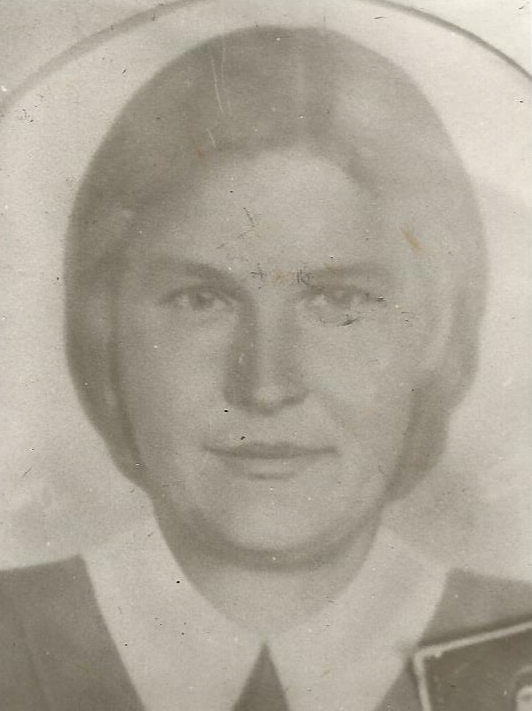
Kiryakova (Dubrovina) Maria Ilyinichna
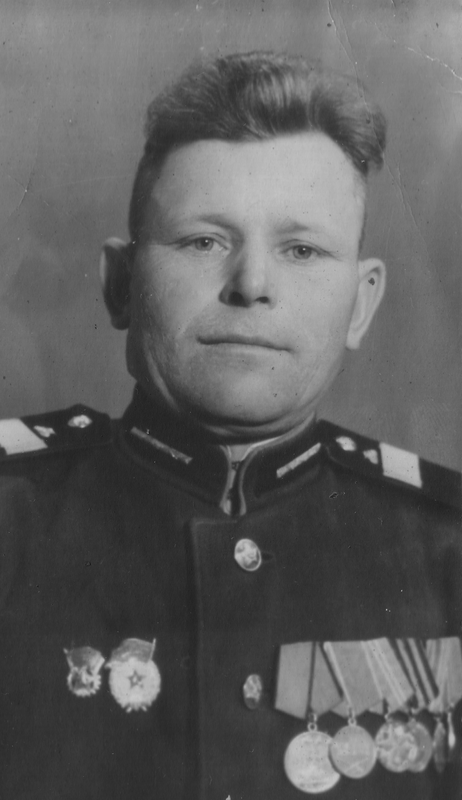
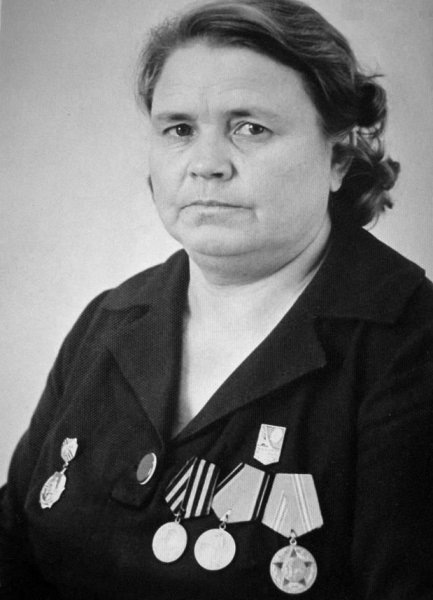
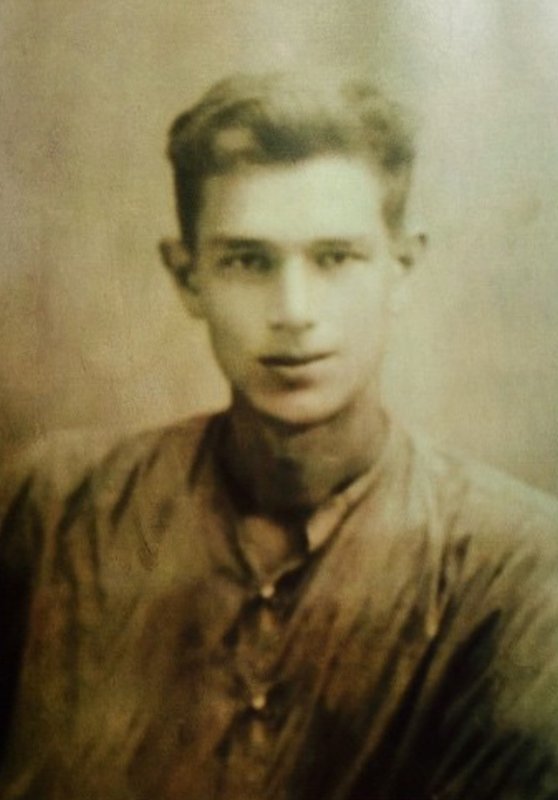
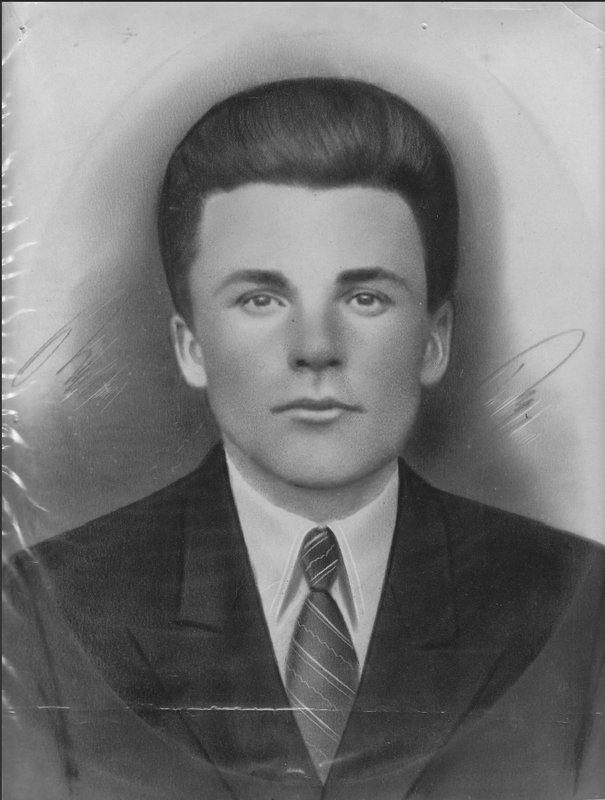
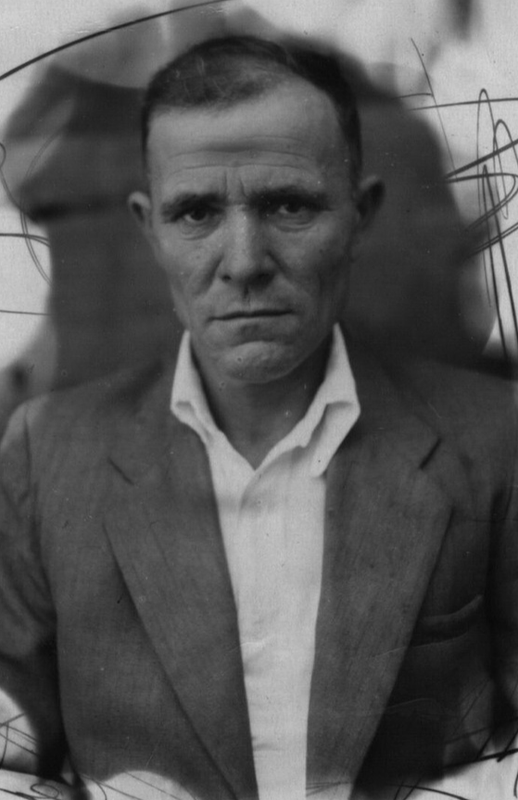
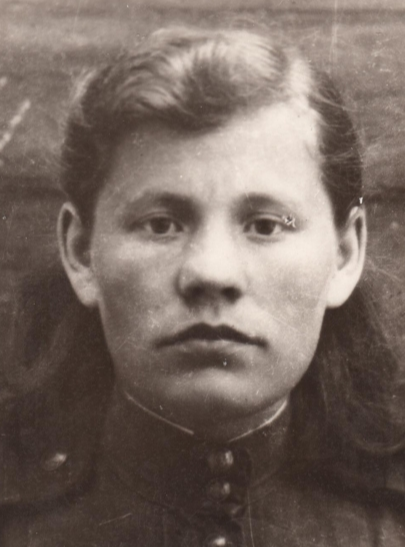
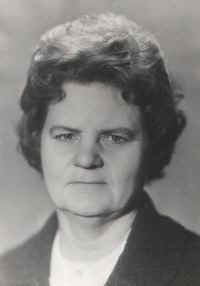
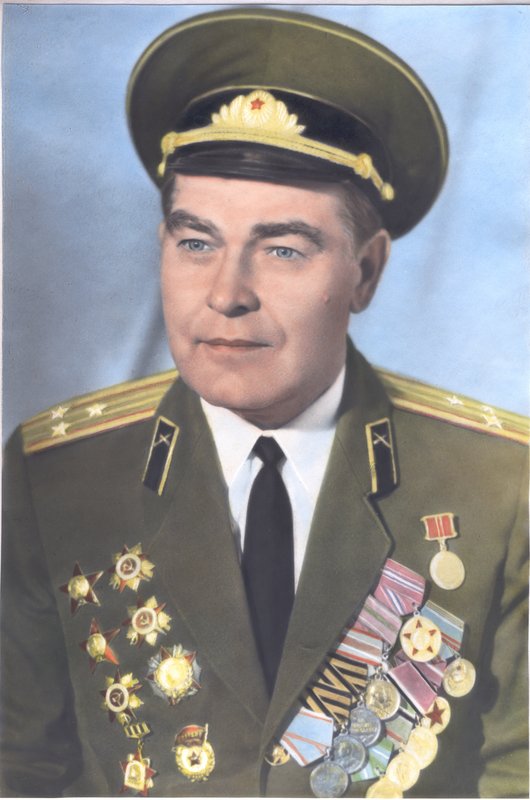
Kiryakova (Dubrovina) Maria Ilinichna was born in 1912 in the village Novo-Krasnoe, Ryazan region. She grew up in a family without a father, and without a breadwinner life was very difficult in the village. Her father died during the First World War near Riga. She had to start her career early, so after studying there for 4 years, she graduated from the Novo-Krasno-Sloboda school of the 1st level and started helping in the household. After marrying Vasily Kiryakov and giving birth to her daughter Zinaida (1934) and sons Nikolay (1936) and Ilya (1938), they moved to live in v. Korotkovo Orekho - Zuevsky district, Moscow region. In 1940 they had a son, Boris, who was to die of smallpox in 1942. Her husband went to work in the Dulevsky porcelain factory, and she got a job in the collective farm in v. Korotkovo. The war with Nazi Germany is the worst ordeal that has happened to our people in its entire history. The entire Soviet people rose up to fight the enemy, who was armed to the teeth, and everyone wanted to contribute to the defense of the country. At the end of June 1941, two thirds of the Orekhovo-Zuev Communists were mobilized to the front. At the very beginning of the war, a detachment of militias left Dulevo, with whom Maria Ilinichna's husband, Vasily Vasilyevich Kiryakov, also volunteered for the front. In Orekhovo-Zuev they joined the battalion with which they went to the front. Their division was incorporated into the 4th Moscow Rifle Division of the People's Militia (Kuibyshev district), which was transformed into the 110th Rifle Division (2nd formation) on September 26th. Rifle Division (2nd Formation). In it he will serve as a scout of the 1287 Rifle Regiment. The restructuring of the town's enterprises in military terms was carried out quickly and in an organized manner. The textile workers of the cotton factory started to produce military fabrics: raincoat tents, kirza, parachute fabric. Just in time they provided all military supplies: "frontline", "urgent", "special" and others. The "Karbolit" plant started the production of revolver heads, anti-tank hedgehogs and the "Steklomash" named Baryshnikov - steam boilers, furnaces for heating the soldiers. Dulevsky porcelain factory for military signal heads started production of TF-2 insulators. For the wounded they managed to start the production of ocular prostheses. At a meeting of the city defense committee the task was set to transform Orekhovo-Zuevo into an impregnable fortress. Anti-tank ditches and trenches were built around the city, and anti-aircraft batteries were stationed in factories and by the railway. Blackouts were carried out in houses and industrial plants, and strips of paper were stuck to window panes. Air defense and chemical defense exercises were regularly carried out in every factory. Many people became soldiers of the labor front. 4,500 women went to dig fortifications in the districts Naro-Fominsk, Serpuchow and Kashira. Yes, and it was very difficult for women in the collective farm during the war. The woman in the village is the main force. She was responsible for planting and harvesting. Each of them had a husband, a brother, a son and a father at the front. Many former collective farmers fought in the ranks of the active army. The women of the village were equal to them and remembered: they helped their relatives and compatriots to defeat the enemy faster and to return home: to their collective farm, to their local family. All the work in the collective farm was done by women and young people. Many horses were taken from the collective farm for the needs of the front. It was a very difficult time. All products from the fields and farms were sent to the front. From there the soldiers sent letters of thanks. In the first year she received several letters from the front, in which she wrote about the difficult conditions at the front, that they were near Moscow and believed that the victory would be ours. And in January 1942 came the funeral in which it was written: "In the battle of Naro-Fominsk on January 9, 1942 was killed Vasily Kiryanov, born in 1909, birthplace Ryazan region, village Novo-Krasnoe. Soldier of the Red Army of the 110th Rifle Division, scout of the 1287th Rifle Regiment. Place of burial - Moscow Region, Naro-Fominskiy R-n, the Mecatina". The war changed not only the usual way of life, but also the composition of the rural population. Many men died at the front. For her work during the war she was awarded the medal "for brave work in the Great Patriotic War 1941-1945". After the war life was restored slowly and difficult, there were not enough men's hands. The main square in the village was occupied by women. Plowing and sowing, harvesting, tending the cattle, foraging and much more, in addition to family obligations, fell on the shoulders of women. "I am a horse, I am a bull, I am a woman and a man," many of them used to say in the post-war period. How often we walk past older people, we do not think about. How often do we walk past older people and do not think about how they have lived, how they have worked, how their personal lives have developed. But behind these people is history, and not just history, but the history of our country. During the Great Patriotic War, the women of our villages and towns, as well as the women of the entire Soviet Union, had the duty to provide the defenders of the motherland with everything they needed. Victory in the war is also a victory for the workers on the Soviet home front... She had to raise the children alone. She has done a good job in this task. The children grew up, learned and went to work: daughter Zinaida in the porcelain factory Dulevsky, son Nikolay in the bus factory Likinsky, and Ilya went to study and work in Moscow, where he still lives. She was loved by her grandchildren, granddaughters and nephews, who often visited her in the village during the summer. Maria Ilinichna remained in everyone's memory a very friendly person who gave his last to help another and always did not lose heart in any situation.
Kiryakova (Dubrovina) Maria Ilyinichna
Kiryakova (Dubrovina) Maria Ilinichna was born in 1912 in the village Novo-Krasnoe, Ryazan region. She grew up in a family without a father, and without a breadwinner life was very difficult in the village. Her father died during the First World War near Riga. She had to start her career early, so after studying there for 4 years, she graduated from the Novo-Krasno-Sloboda school of the 1st level and started helping in the household. After marrying Vasily Kiryakov and giving birth to her daughter Zinaida (1934) and sons Nikolay (1936) and Ilya (1938), they moved to live in v. Korotkovo Orekho - Zuevsky district, Moscow region. In 1940 they had a son, Boris, who was to die of smallpox in 1942. Her husband went to work in the Dulevsky porcelain factory, and she got a job in the collective farm in v. Korotkovo. The war with Nazi Germany is the worst ordeal that has happened to our people in its entire history. The entire Soviet people rose up to fight the enemy, who was armed to the teeth, and everyone wanted to contribute to the defense of the country. At the end of June 1941, two thirds of the Orekhovo-Zuev Communists were mobilized to the front. At the very beginning of the war, a detachment of militias left Dulevo, with whom Maria Ilinichna's husband, Vasily Vasilyevich Kiryakov, also volunteered for the front. In Orekhovo-Zuev they joined the battalion with which they went to the front. Their division was incorporated into the 4th Moscow Rifle Division of the People's Militia (Kuibyshev district), which was transformed into the 110th Rifle Division (2nd formation) on September 26th. Rifle Division (2nd Formation). In it he will serve as a scout of the 1287 Rifle Regiment. The restructuring of the town's enterprises in military terms was carried out quickly and in an organized manner. The textile workers of the cotton factory started to produce military fabrics: raincoat tents, kirza, parachute fabric. Just in time they provided all military supplies: "frontline", "urgent", "special" and others. The "Karbolit" plant started the production of revolver heads, anti-tank hedgehogs and the "Steklomash" named Baryshnikov - steam boilers, furnaces for heating the soldiers. Dulevsky porcelain factory for military signal heads started production of TF-2 insulators. For the wounded they managed to start the production of ocular prostheses. At a meeting of the city defense committee the task was set to transform Orekhovo-Zuevo into an impregnable fortress. Anti-tank ditches and trenches were built around the city, and anti-aircraft batteries were stationed in factories and by the railway. Blackouts were carried out in houses and industrial plants, and strips of paper were stuck to window panes. Air defense and chemical defense exercises were regularly carried out in every factory. Many people became soldiers of the labor front. 4,500 women went to dig fortifications in the districts Naro-Fominsk, Serpuchow and Kashira. Yes, and it was very difficult for women in the collective farm during the war. The woman in the village is the main force. She was responsible for planting and harvesting. Each of them had a husband, a brother, a son and a father at the front. Many former collective farmers fought in the ranks of the active army. The women of the village were equal to them and remembered: they helped their relatives and compatriots to defeat the enemy faster and to return home: to their collective farm, to their local family. All the work in the collective farm was done by women and young people. Many horses were taken from the collective farm for the needs of the front. It was a very difficult time. All products from the fields and farms were sent to the front. From there the soldiers sent letters of thanks. In the first year she received several letters from the front, in which she wrote about the difficult conditions at the front, that they were near Moscow and believed that the victory would be ours. And in January 1942 came the funeral in which it was written: "In the battle of Naro-Fominsk on January 9, 1942 was killed Vasily Kiryanov, born in 1909, birthplace Ryazan region, village Novo-Krasnoe. Soldier of the Red Army of the 110th Rifle Division, scout of the 1287th Rifle Regiment. Place of burial - Moscow Region, Naro-Fominskiy R-n, the Mecatina". The war changed not only the usual way of life, but also the composition of the rural population. Many men died at the front. For her work during the war she was awarded the medal "for brave work in the Great Patriotic War 1941-1945". After the war life was restored slowly and difficult, there were not enough men's hands. The main square in the village was occupied by women. Plowing and sowing, harvesting, tending the cattle, foraging and much more, in addition to family obligations, fell on the shoulders of women. "I am a horse, I am a bull, I am a woman and a man," many of them used to say in the post-war period. How often we walk past older people, we do not think about. How often do we walk past older people and do not think about how they have lived, how they have worked, how their personal lives have developed. But behind these people is history, and not just history, but the history of our country. During the Great Patriotic War, the women of our villages and towns, as well as the women of the entire Soviet Union, had the duty to provide the defenders of the motherland with everything they needed. Victory in the war is also a victory for the workers on the Soviet home front... She had to raise the children alone. She has done a good job in this task. The children grew up, learned and went to work: daughter Zinaida in the porcelain factory Dulevsky, son Nikolay in the bus factory Likinsky, and Ilya went to study and work in Moscow, where he still lives. She was loved by her grandchildren, granddaughters and nephews, who often visited her in the village during the summer. Maria Ilinichna remained in everyone's memory a very friendly person who gave his last to help another and always did not lose heart in any situation.
0 comment



2026 © Russian Military Historical Society Developed by Jetmix