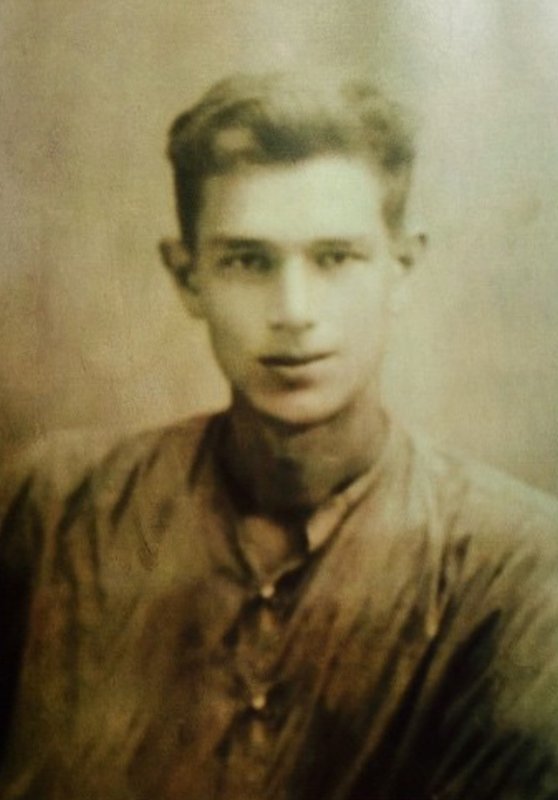
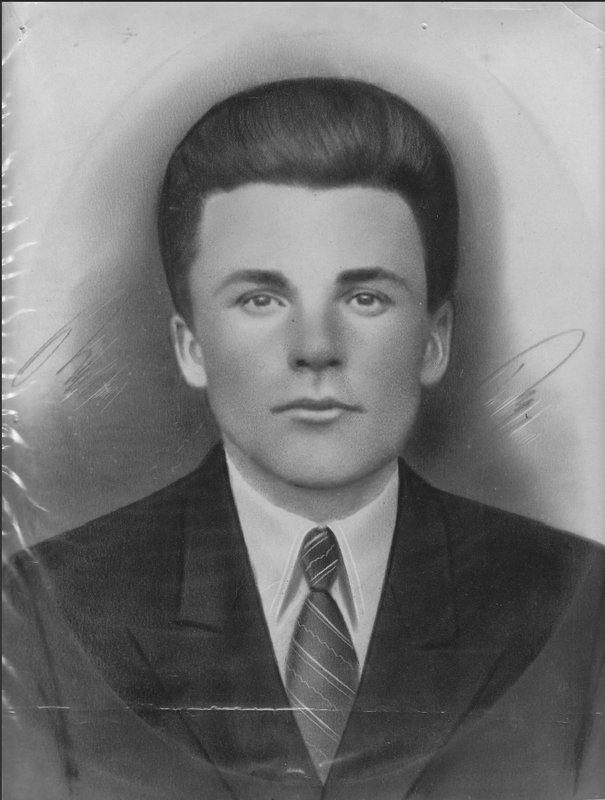
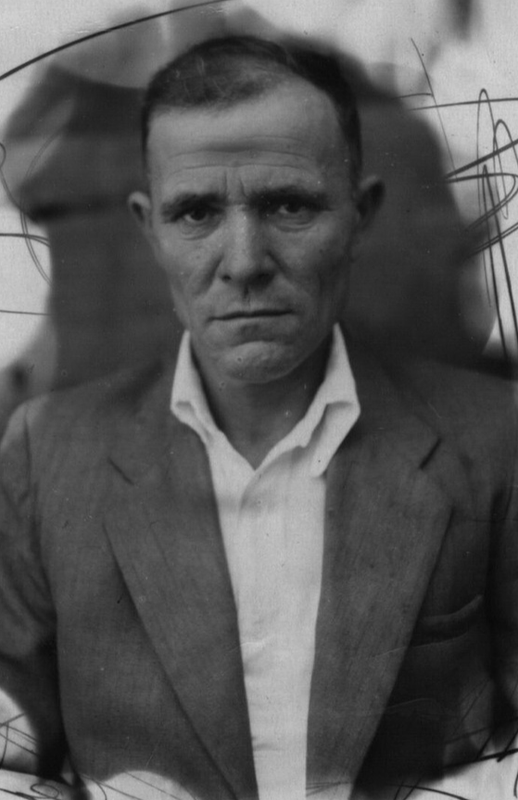
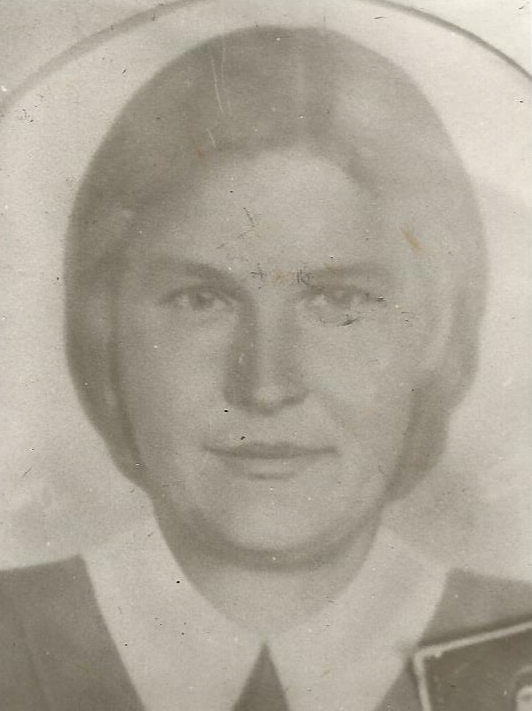
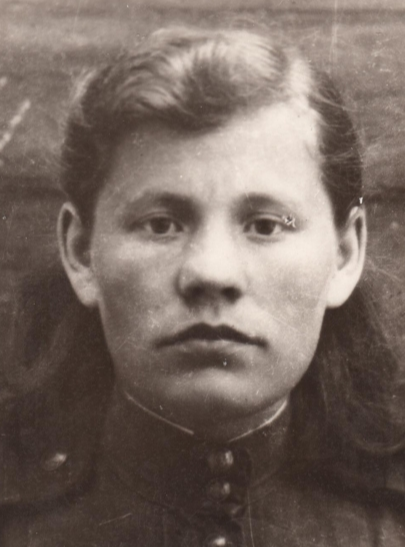
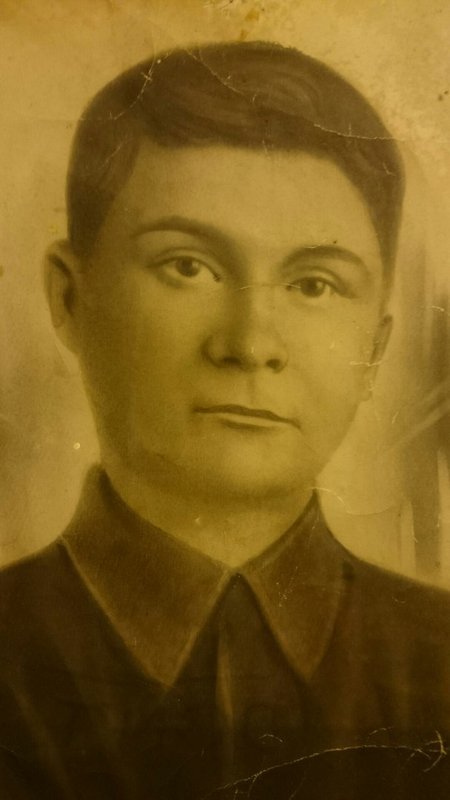
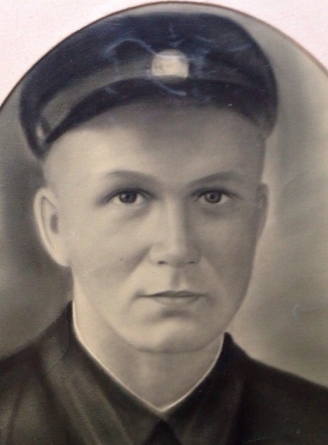
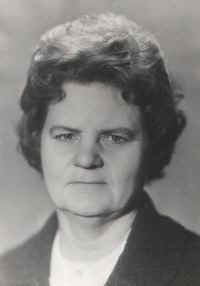
Konovalova (Savchenko) Maria Arkhipovna
Branch of service: Army, Air Force (except naval aviation), Coast Guard, the troops of the of the NKVD, border troops. Before the war she lived in Pushkin city, Leningrad region, and worked as a nurse in a children's hospital. When the Nazis attacked our country, young Masha decided to join the Red Army. She was drafted into the medical unit of the militia battalion as a nurse. On September 13, 1941 Pushkin was occupied by the Nazis. The army's retreat ended near the Shushary station. From there Maria accompanied the wounded to Leningrad. She could not return to her military hospital - she was sent to work in the newly founded hospital No. 65. Leningrad was mercilessly bombed, the fascists concentrated on food camps - Hitler hoped to break the Leningraders by starvation. When Lake Ladoga froze over, the "Road of Life" appeared. Food was brought by car across the ice to Leningrad. In the hospital, Maria received 125 grams. crackers, 150 gr. pea puree and 220 gr. millet porridge. When the biscuits were weighed, there was always a surplus, which was sucked off all day with water. Maria's brother lived with his wife and two children in Kirisskaya Street. Everything Maria received in the hospital - porridge, mashed peas - was put into a pot of boiling water and made a soup. In April 1942 her brother died of dystrophy, he was only 30 years old. In the hospital where Mary Arkhipovna worked, there were many injured people. Almost all were severely exhausted. "For some reason I remember a very young soldier who kept asking me: 'Nurse, do something, I do not want to die', I replied: 'You are not going to die, I have given you an injection with camphor and caffeine', remembers Maria Arkhipovna. After a while the soldier died. She had suffered his death for a very long time. In January 1943, the hospital where Maria worked was sent on the "road of life" to the bulge of Oryol-Kursk. The road along Ladoga was terribly dangerous - to reduce the number of victims of the Nazi bombing, no more than two people were put in cars. In Lipetsk region it was planned to locate the Maria Konovalova’s hospital in Zadonsk, but then for some reason it was sent to Lipetsk. So in April Konovalova became a nurse in the evacuation hospital No. 282, and the department where Maria worked was located in Lenin Street. In Lipetsk Konovalova learned that Belarus, where her family lived, was liberated in January 1943. She wrote letters, but there was no reply for a long time. Some time later Maria received a letter with the following content: "Since we studied together, I inform you that your relatives and other inhabitants of the city were shot by the Nazis in January. Nadia Dolgova ". Fate tied the life of Maia with a former pilot. She was 20 years old at that time. They met in the Upper Park of Lipetsk. Later Alexander Petrovich Konovalov invited Maria Arkhipovna to visit and introduced her to his mother. The wedding took place on November 7, 1943. In 1954 Maria Arkhipovna became a Liptschanka. In 1960 she started to work as a laboratory assistant at a medical college. She retired in 1994. She has two sons, two grandchildren and a small great-grandson, Pasha. From the stories of M. A. Konovalova sank into the heart of purely female details - how her friend's clothes were collected before her wedding in military Lipetsk, how she carried a portion of zaviruha (paste) on foot over Leningrad to hungry nephews, it was also diluted with water. And it was a holiday. Maria Arkhipovna has many awards - "for the defense of Leningrad", the Order of the Patriotic War, the badge of honor "excellent health worker ""veteran of work" and others.
Konovalova (Savchenko) Maria Arkhipovna
Branch of service: Army, Air Force (except naval aviation), Coast Guard, the troops of the of the NKVD, border troops. Before the war she lived in Pushkin city, Leningrad region, and worked as a nurse in a children's hospital. When the Nazis attacked our country, young Masha decided to join the Red Army. She was drafted into the medical unit of the militia battalion as a nurse. On September 13, 1941 Pushkin was occupied by the Nazis. The army's retreat ended near the Shushary station. From there Maria accompanied the wounded to Leningrad. She could not return to her military hospital - she was sent to work in the newly founded hospital No. 65. Leningrad was mercilessly bombed, the fascists concentrated on food camps - Hitler hoped to break the Leningraders by starvation. When Lake Ladoga froze over, the "Road of Life" appeared. Food was brought by car across the ice to Leningrad. In the hospital, Maria received 125 grams. crackers, 150 gr. pea puree and 220 gr. millet porridge. When the biscuits were weighed, there was always a surplus, which was sucked off all day with water. Maria's brother lived with his wife and two children in Kirisskaya Street. Everything Maria received in the hospital - porridge, mashed peas - was put into a pot of boiling water and made a soup. In April 1942 her brother died of dystrophy, he was only 30 years old. In the hospital where Mary Arkhipovna worked, there were many injured people. Almost all were severely exhausted. "For some reason I remember a very young soldier who kept asking me: 'Nurse, do something, I do not want to die', I replied: 'You are not going to die, I have given you an injection with camphor and caffeine', remembers Maria Arkhipovna. After a while the soldier died. She had suffered his death for a very long time. In January 1943, the hospital where Maria worked was sent on the "road of life" to the bulge of Oryol-Kursk. The road along Ladoga was terribly dangerous - to reduce the number of victims of the Nazi bombing, no more than two people were put in cars. In Lipetsk region it was planned to locate the Maria Konovalova’s hospital in Zadonsk, but then for some reason it was sent to Lipetsk. So in April Konovalova became a nurse in the evacuation hospital No. 282, and the department where Maria worked was located in Lenin Street. In Lipetsk Konovalova learned that Belarus, where her family lived, was liberated in January 1943. She wrote letters, but there was no reply for a long time. Some time later Maria received a letter with the following content: "Since we studied together, I inform you that your relatives and other inhabitants of the city were shot by the Nazis in January. Nadia Dolgova ". Fate tied the life of Maia with a former pilot. She was 20 years old at that time. They met in the Upper Park of Lipetsk. Later Alexander Petrovich Konovalov invited Maria Arkhipovna to visit and introduced her to his mother. The wedding took place on November 7, 1943. In 1954 Maria Arkhipovna became a Liptschanka. In 1960 she started to work as a laboratory assistant at a medical college. She retired in 1994. She has two sons, two grandchildren and a small great-grandson, Pasha. From the stories of M. A. Konovalova sank into the heart of purely female details - how her friend's clothes were collected before her wedding in military Lipetsk, how she carried a portion of zaviruha (paste) on foot over Leningrad to hungry nephews, it was also diluted with water. And it was a holiday. Maria Arkhipovna has many awards - "for the defense of Leningrad", the Order of the Patriotic War, the badge of honor "excellent health worker ""veteran of work" and others.
0 comment



2026 © Russian Military Historical Society Developed by Jetmix