


Kazakova Varvara Evdokimovna
We have a very large family. My great-grandmother, Yarysheva Tamara Yevgenievna, who is now 87 years old remembering her military childhood talks a lot about that difficult time:
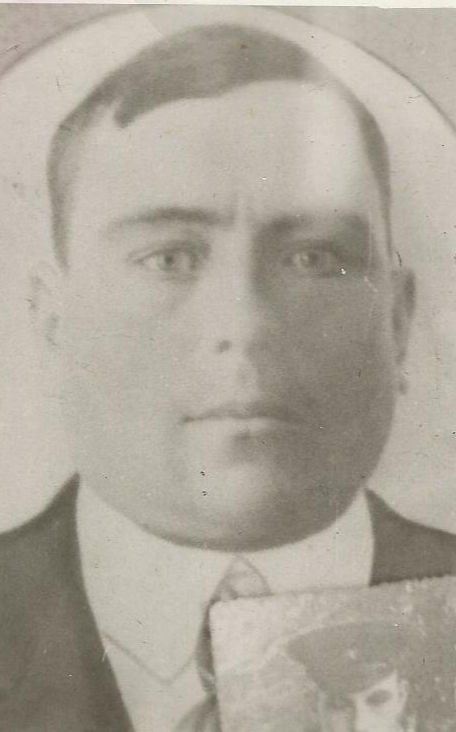
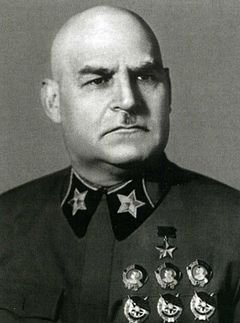
1. About her father Zenkovich Yugine Matveevich (17.02.1900-05.08.1948), a Hero of the Civil war, owner of the Order of the Red Banner No. 5932. Having survived the repressions, great-grandfather was rehabilitated and during the Great Patriotic War with the rank of Lieutenant Colonel, was appointed Head of the evacuation point of the Sverdlovsk regional Executive Committee;
2. About her older brother Yakov (14.03.1924-13.03.1944). Yakov fought for only three months and died on the Kursk Bulge, one day short of his 19th birthday.
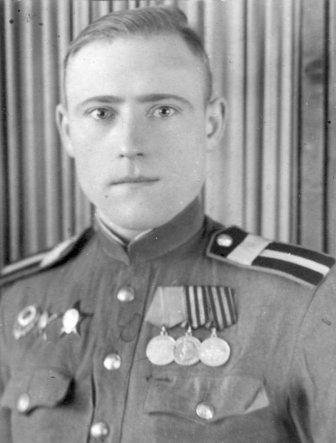
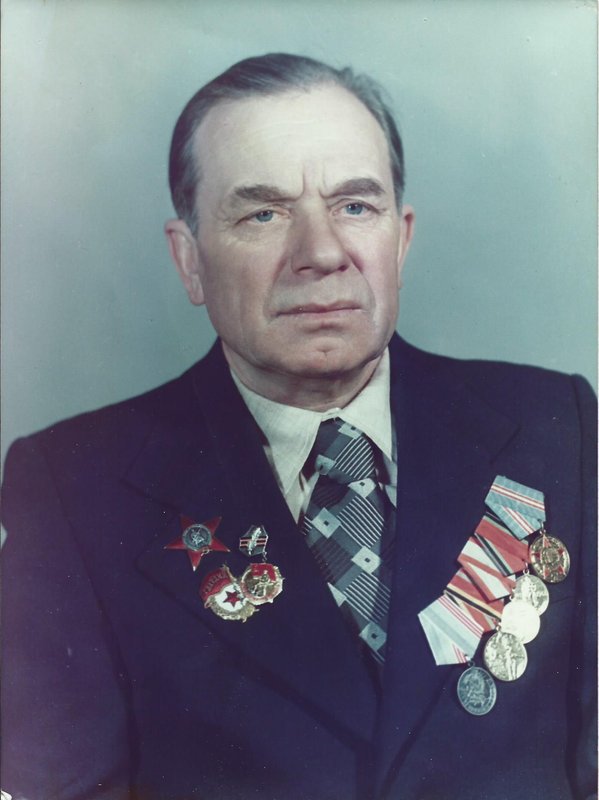
3. About her husband, my great-grandfather, Ivan Yakovlevich Yaryshev (21.08.1923-19.11.1987), who passed the entire war in the ranks of the Navy in the Amphibious Assault detachment. For completing an important task in the Crimea, the only survivor of the operation he was presented with the title of Hero of the Soviet Union, but the boat with the documents was destroyed by the Nazis. My grandfather was awarded Order of the Red Banner many years later. He was also a participant in the War with Japan.
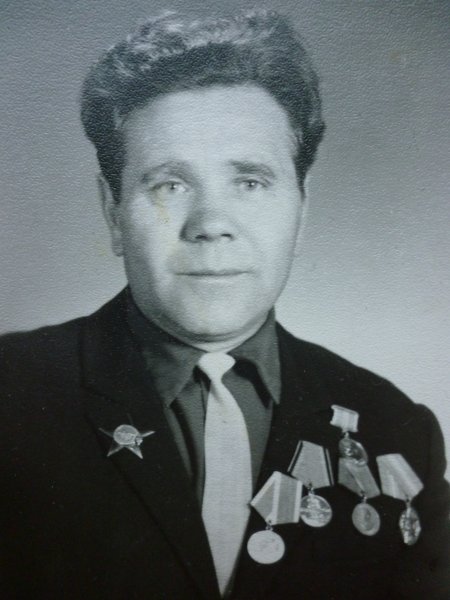
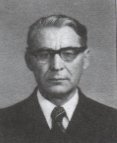
My grandfather, Mokhnatov Alexander Anatolyevich, told me about other relatives: about his father, my great-grandfather, Anatoly Mokhnatov (10.08.1929-24.11.1990), who worked in Volkhov at a military factory. At the age of 13 years old he had a small height and due to this had to put a box of shells under his feet to get to the machine.
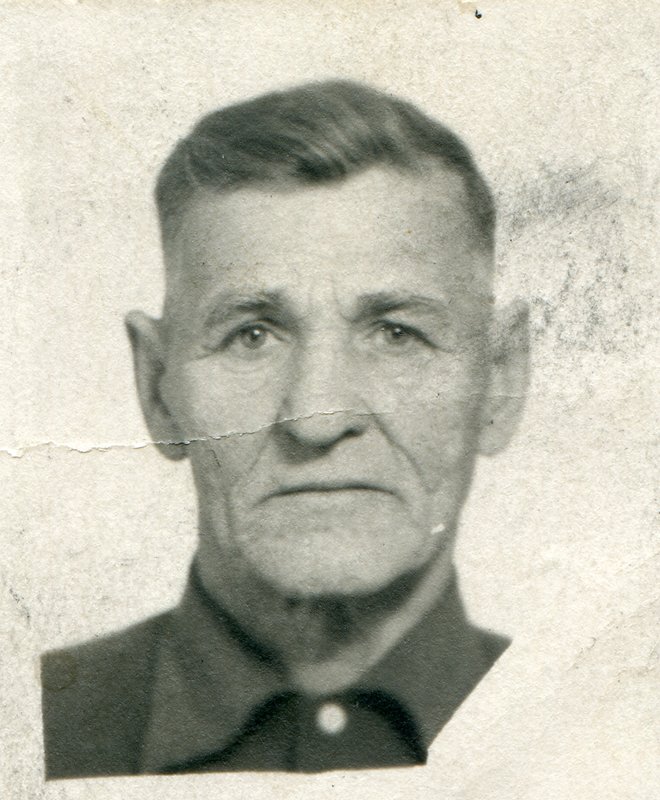
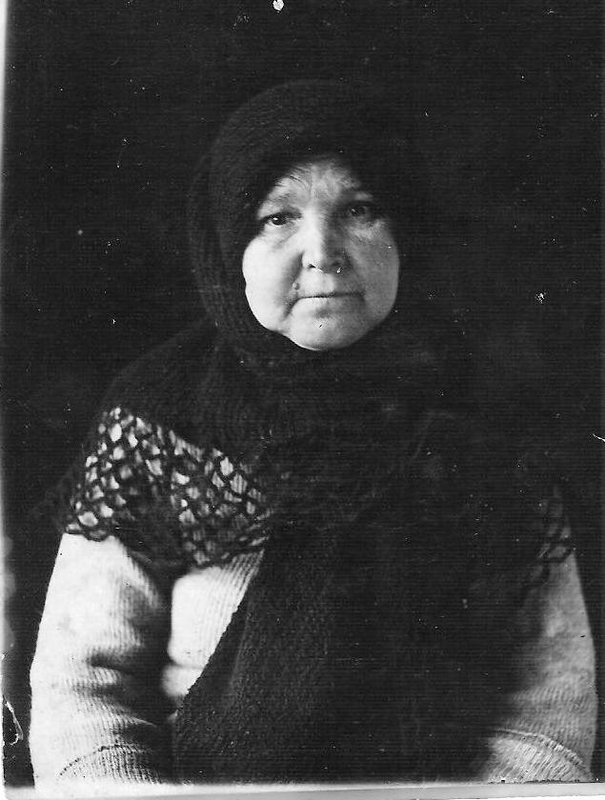
I was also told about my great-great-grandfather Demin Stepan Ivanovich (1896-November 1944). He has missed in actions in Poland. Unfortunately, we know very little about him. They did not take him to the front, he was not young, but he still insisted on his own. It is scary to imagine 4 years of cold, hunger, fear, waiting for letters-triangles from the front. Postmen were being waited with bated breath: they were afraid to get a summons, a death notification…Everyone who survived, outlived and stayed out is worthy of respect and memory… The victory over fascism was fought not only on the front line, but also for the home front workers. Both children and women worked in factories, state farms, and collective farms. My great-great-grandmother Kazakova Varvara Evdokimovna was born in Vitebsk in December 1879 in a large and very poor family. The war found her at city Kalinin (Tver), at the state farm where she worked. This state farm provided the city with food. In October 1941, the Nazis broke through the defense. An urgent evacuation of the population was announced. Her daughter and grandchildren, who lived in the city itself, managed to cross the Volga on the only bridge. And my grandma Varya, had to walk from the farm across the city to her daughter's house, but she did not find them. Seeing the theft, she took two of the most valuable things: a Singer sewing machine and a carpet. Later, she wrapped the sewing machine in a carpet and buried it. When she returned to the small room on the farm where the old man and his wife still lived, she carefully disguised and hid with the others the food supplies cells. When the Germans had arrived, the old man immediately opened all the cellars to the enemies, turned out to be a traitor. And grandmother Varvara in her 62 years, a thin woman was not afraid of his threats and called her neighbor the Antichrist. She believed that the Germans would soon be gone, and she would have to meet and feed her own people. And when the German soldier took the only pig from her, she threw herself at him with her fists. Surprisingly, the The Nazi soldier did not kill her, but only pushed her away. After the liberation of the city, the old neighbor man was arrested. Varvara Evdokimovna was called as a witness. And then there was an incident: she saw officers in uniform in front of her. They ask her a question, but she doesn't say anything. She just couldn't figure out who was in front of her (Red or White). She didn't know that the Red Army had changed uniforms. It was explained to her, only then she told about the neighbor, because of whom many people died. At the face-to-face encounter, she confirmed her testimony, looking into the eyes of the old man who had blackmailed her many times by giving up information about her relatives: her Communist son-in-law and her Komsomol grandson. After the accupation of Kalinin, the family, who already lived in Sverdlovsk, found her and brought her to the Urals. My great-great-grandmother brought Singer sewing machine and carpet with her. The hardest blow for her was the news of the death of a 19-year-old grandson in 1943 and in 1948-the death of a son-in-law. According to the stories of relatives, my grandmother was dressed cleanly, neatly, long and curly hair was always hidden under a perfectly white handkerchief. Completely illiterate, her grandchildren taught her to sign at the age of 50. She missed her native Belarus very much. My great-grandmother Toma heard songs that she "cried out": "and no one will know where my grave is." In 1951, at the age of 72, she closed the oven door early and fell asleep. She was buried next to her son-in-law at the Mikhailovsky cemetery in Sverdlovsk (Yekaterinburg).
Kazakova Varvara Evdokimovna
We have a very large family. My great-grandmother, Yarysheva Tamara Yevgenievna, who is now 87 years old remembering her military childhood talks a lot about that difficult time:
1. About her father Zenkovich Yugine Matveevich (17.02.1900-05.08.1948), a Hero of the Civil war, owner of the Order of the Red Banner No. 5932. Having survived the repressions, great-grandfather was rehabilitated and during the Great Patriotic War with the rank of Lieutenant Colonel, was appointed Head of the evacuation point of the Sverdlovsk regional Executive Committee;
2. About her older brother Yakov (14.03.1924-13.03.1944). Yakov fought for only three months and died on the Kursk Bulge, one day short of his 19th birthday.
3. About her husband, my great-grandfather, Ivan Yakovlevich Yaryshev (21.08.1923-19.11.1987), who passed the entire war in the ranks of the Navy in the Amphibious Assault detachment. For completing an important task in the Crimea, the only survivor of the operation he was presented with the title of Hero of the Soviet Union, but the boat with the documents was destroyed by the Nazis. My grandfather was awarded Order of the Red Banner many years later. He was also a participant in the War with Japan.
My grandfather, Mokhnatov Alexander Anatolyevich, told me about other relatives: about his father, my great-grandfather, Anatoly Mokhnatov (10.08.1929-24.11.1990), who worked in Volkhov at a military factory. At the age of 13 years old he had a small height and due to this had to put a box of shells under his feet to get to the machine.
I was also told about my great-great-grandfather Demin Stepan Ivanovich (1896-November 1944). He has missed in actions in Poland. Unfortunately, we know very little about him. They did not take him to the front, he was not young, but he still insisted on his own. It is scary to imagine 4 years of cold, hunger, fear, waiting for letters-triangles from the front. Postmen were being waited with bated breath: they were afraid to get a summons, a death notification…Everyone who survived, outlived and stayed out is worthy of respect and memory… The victory over fascism was fought not only on the front line, but also for the home front workers. Both children and women worked in factories, state farms, and collective farms. My great-great-grandmother Kazakova Varvara Evdokimovna was born in Vitebsk in December 1879 in a large and very poor family. The war found her at city Kalinin (Tver), at the state farm where she worked. This state farm provided the city with food. In October 1941, the Nazis broke through the defense. An urgent evacuation of the population was announced. Her daughter and grandchildren, who lived in the city itself, managed to cross the Volga on the only bridge. And my grandma Varya, had to walk from the farm across the city to her daughter's house, but she did not find them. Seeing the theft, she took two of the most valuable things: a Singer sewing machine and a carpet. Later, she wrapped the sewing machine in a carpet and buried it. When she returned to the small room on the farm where the old man and his wife still lived, she carefully disguised and hid with the others the food supplies cells. When the Germans had arrived, the old man immediately opened all the cellars to the enemies, turned out to be a traitor. And grandmother Varvara in her 62 years, a thin woman was not afraid of his threats and called her neighbor the Antichrist. She believed that the Germans would soon be gone, and she would have to meet and feed her own people. And when the German soldier took the only pig from her, she threw herself at him with her fists. Surprisingly, the The Nazi soldier did not kill her, but only pushed her away. After the liberation of the city, the old neighbor man was arrested. Varvara Evdokimovna was called as a witness. And then there was an incident: she saw officers in uniform in front of her. They ask her a question, but she doesn't say anything. She just couldn't figure out who was in front of her (Red or White). She didn't know that the Red Army had changed uniforms. It was explained to her, only then she told about the neighbor, because of whom many people died. At the face-to-face encounter, she confirmed her testimony, looking into the eyes of the old man who had blackmailed her many times by giving up information about her relatives: her Communist son-in-law and her Komsomol grandson. After the accupation of Kalinin, the family, who already lived in Sverdlovsk, found her and brought her to the Urals. My great-great-grandmother brought Singer sewing machine and carpet with her. The hardest blow for her was the news of the death of a 19-year-old grandson in 1943 and in 1948-the death of a son-in-law. According to the stories of relatives, my grandmother was dressed cleanly, neatly, long and curly hair was always hidden under a perfectly white handkerchief. Completely illiterate, her grandchildren taught her to sign at the age of 50. She missed her native Belarus very much. My great-grandmother Toma heard songs that she "cried out": "and no one will know where my grave is." In 1951, at the age of 72, she closed the oven door early and fell asleep. She was buried next to her son-in-law at the Mikhailovsky cemetery in Sverdlovsk (Yekaterinburg).
0 comment




2026 © Russian Military Historical Society Developed by Jetmix