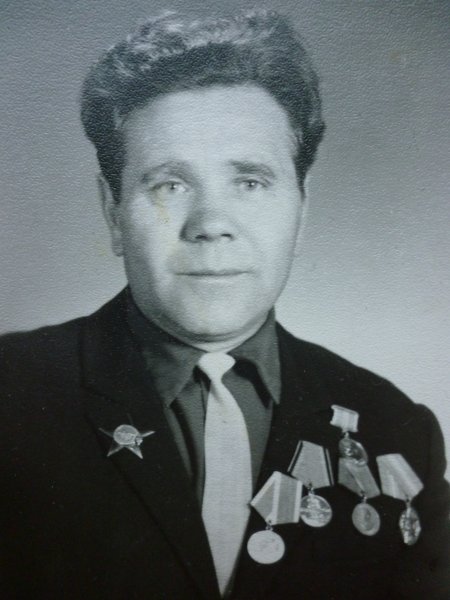
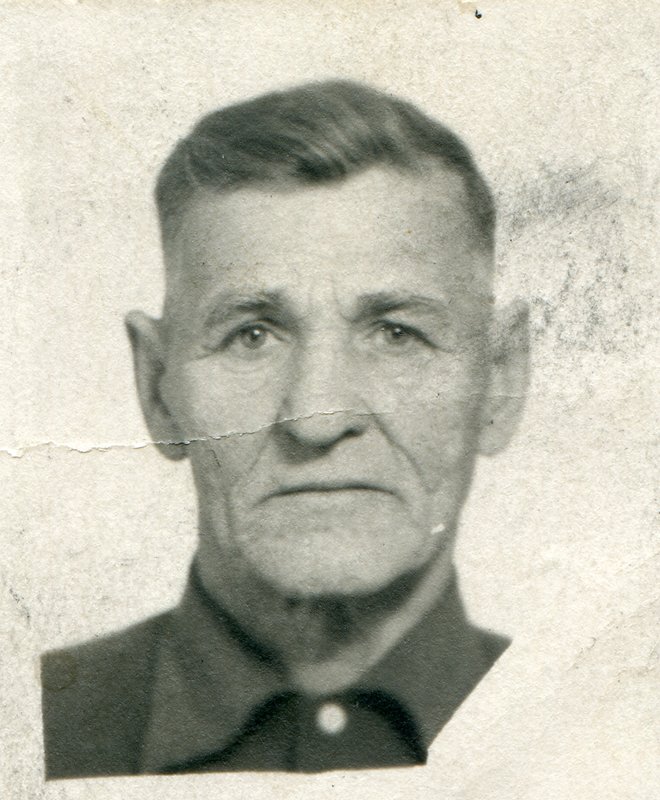
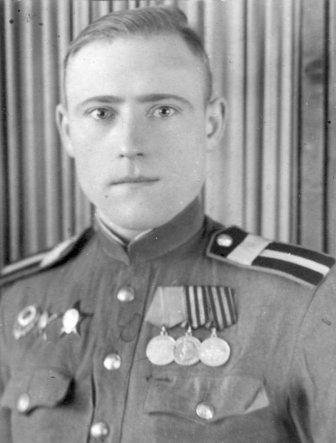



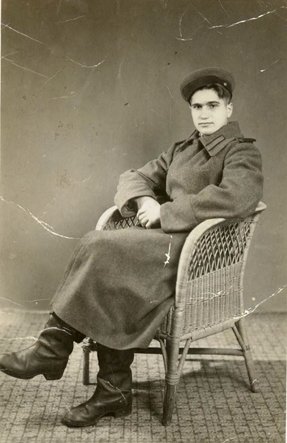
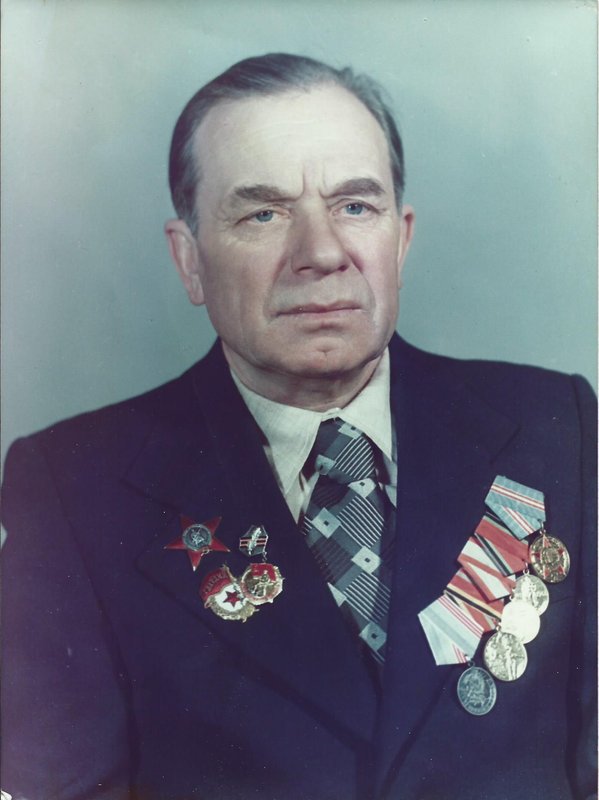
Kondaurov Mikhail Ivanovich
From the story of veteran M. I. Kondaurov:
The war began on June 22, 1941 when I was 18 years old. It was pre-conscription age. In July, young people, Komsomol members of my age, including myself were mobilized to build defensive fortifications in the Smolensk region, first on the Dnieper river, where we dug anti-tank trenches along the river bank. The enemy was getting closer, and then the enemy aircraft began to bomb along the line of defensive fortifications. In September, the civilian population was evacuated to the rear of Vyazma. During the evacuation, enemy aircraft raided and bombarded. In Vyazma youth of 1924 were sent to their homeland, and those who were born in 1923 were left to fortify the defensive structures. The enemy was coming and going. In October, we were sent from the station Vyazma, under the bombardment of a level to the homeland (in Voronezh region). Upon arrival, we also had to dig anti-tank trenches. On February 2, 1942 I was called up to serve in the army. I’ve been enlisted in the 2nd Reserve Airborne Regiment, where I had been trained and graduated from the Junior Commanders ‘school in the Saratov region. Our brigade was preparing to land in the rear. Parachutes and weapons were prepared, but there was no need to fight in the rear. At the beginning of February 1943, our unit was delivered to Rzhev by car. Upon arrival at the front, our unit moved along the front at night in the direction of Staraya Ruza, being a part of the 2nd Baltic Front. In the first days of March, we were in reserve. On March 4, we were transferred to the front line. On the morning of March 5, the artillery troops of our army made strong attacks on the enemy's front line, and our unit was ordered to attack. During the offensive, the locality was occupied and the defense was secured. On the morning of March 6, our artillery also struck the enemy. Then we went on the offensive again. We crossed the Lovat River and gained a foothold on the bank, but the enemy tanks were advancing on our fixed area. Three tanks were hit by our anti-tank platoon, the rest went in the direction of the right flank. In the afternoon, with the assistance of our artillery tanks, we re-entered the battle. In this battle, I was wounded by shrapnel and sent for treatment in a hospital in Kineshma.”
Kondaurov Mikhail Ivanovich
From the story of veteran M. I. Kondaurov:
The war began on June 22, 1941 when I was 18 years old. It was pre-conscription age. In July, young people, Komsomol members of my age, including myself were mobilized to build defensive fortifications in the Smolensk region, first on the Dnieper river, where we dug anti-tank trenches along the river bank. The enemy was getting closer, and then the enemy aircraft began to bomb along the line of defensive fortifications. In September, the civilian population was evacuated to the rear of Vyazma. During the evacuation, enemy aircraft raided and bombarded. In Vyazma youth of 1924 were sent to their homeland, and those who were born in 1923 were left to fortify the defensive structures. The enemy was coming and going. In October, we were sent from the station Vyazma, under the bombardment of a level to the homeland (in Voronezh region). Upon arrival, we also had to dig anti-tank trenches. On February 2, 1942 I was called up to serve in the army. I’ve been enlisted in the 2nd Reserve Airborne Regiment, where I had been trained and graduated from the Junior Commanders ‘school in the Saratov region. Our brigade was preparing to land in the rear. Parachutes and weapons were prepared, but there was no need to fight in the rear. At the beginning of February 1943, our unit was delivered to Rzhev by car. Upon arrival at the front, our unit moved along the front at night in the direction of Staraya Ruza, being a part of the 2nd Baltic Front. In the first days of March, we were in reserve. On March 4, we were transferred to the front line. On the morning of March 5, the artillery troops of our army made strong attacks on the enemy's front line, and our unit was ordered to attack. During the offensive, the locality was occupied and the defense was secured. On the morning of March 6, our artillery also struck the enemy. Then we went on the offensive again. We crossed the Lovat River and gained a foothold on the bank, but the enemy tanks were advancing on our fixed area. Three tanks were hit by our anti-tank platoon, the rest went in the direction of the right flank. In the afternoon, with the assistance of our artillery tanks, we re-entered the battle. In this battle, I was wounded by shrapnel and sent for treatment in a hospital in Kineshma.”
0 comment



2026 © Russian Military Historical Society Developed by Jetmix