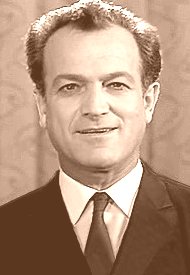

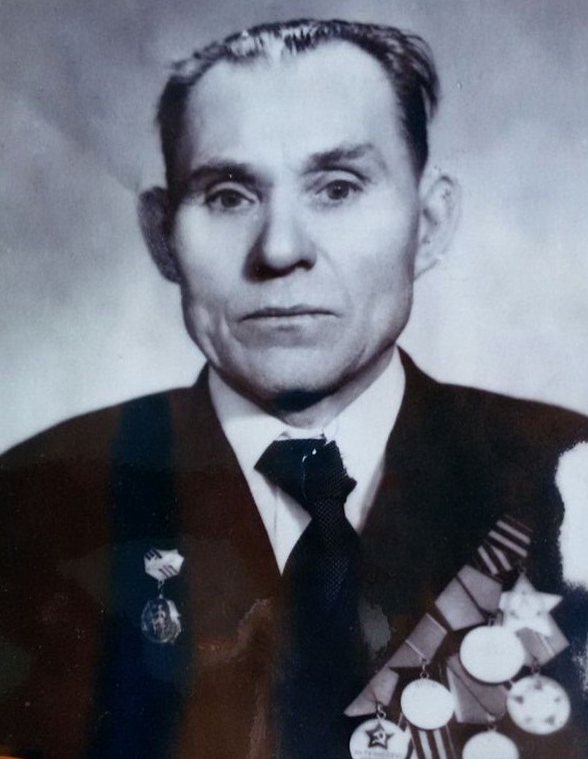
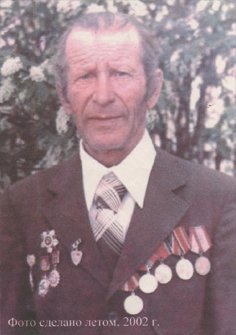
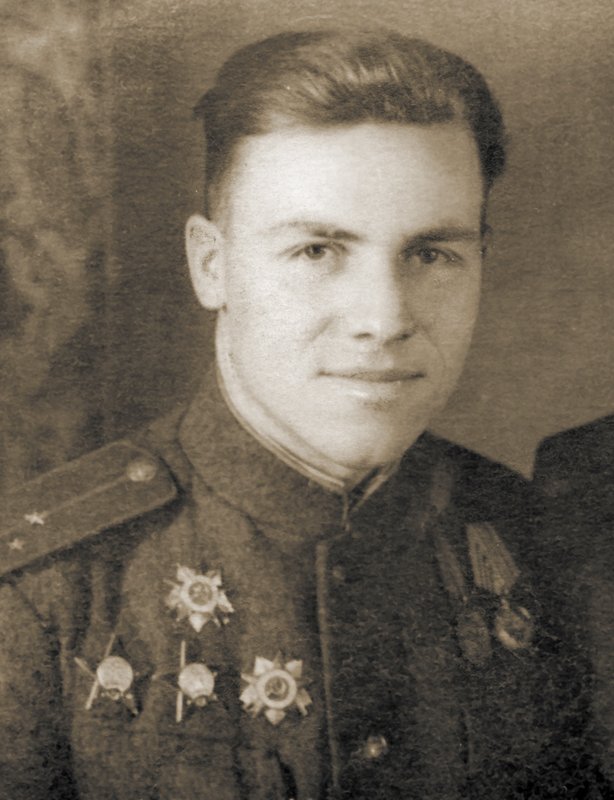
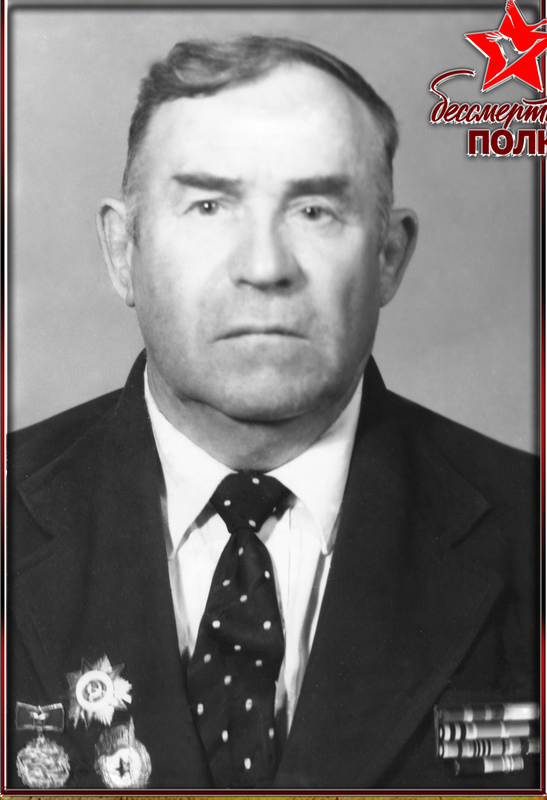

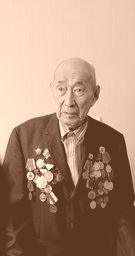
Badmaev Hurgan Anxaevich
Khurgan Ankhayevich Badmaev was born on January 1, 1919 in the village of Baraghan (on the territory of the present Kurumkansky district of Buryatia). After graduating from the Kurumkan gymnasium, Khurgan Badmaev entered the law faculty of Irkutsk University. After receiving his diploma he managed to work there for a short time as an investigator in the district prosecutor's office. The practice of law was interrupted by the compulsory military service. He was sent to a secret unit where translators from Mongolian, Chinese and Japanese were trained, where recruits with an Asian appearance, especially with a university education, were in demand. Here Hurgan began to learn Japanese. In addition to the language, it was necessary to study the culture, customs and other features of Imperial Samurai Japan - here the tea ceremony, hara-kiri, the rock garden and haiku poetry. And this mixes with fire, drill, political and other preparations. As the situation in the Far East worsened, the unit cadets only switched to language training. After finishing his studies, Badmaev was sent to the political department of the 1st Red Banner Army of the Far Eastern Front. Here he was involved, together with other officers of the department, in propaganda work and ideological diversion against the Kwantung Army. Khurgan Badmaev also worked as an illegal secret service agent on the territory of the puppet state of Manchukuo. In the summer of 1945 he was thrown into enemy territory near the Manchurian city (railway station) of Khandohejo under the guise of a Japanese. After making contact with the Soviet resident, he transmitted important information about the two divisions of the Kwantung Army stationed at these locations to the Center. On August 9, 1945, Soviet Union declared war on militaristic Japan and defeated the powerful Kwantung Army in a short period of time. On September 2, Badmaev was in Harbin. A victory rally was held on the central square of this city. The act of surrender was announced by Soviet officers in several languages. In Japanese, this document was read at Horgan Anemic Badmaev. After the war, Horgan Anemic remained in the army. He did ideological work among the Japanese prisoners of war. The Japanese worked on construction sites to restore the war-torn Soviet economy from the Urals to the Far East. It was also necessary to conduct educational work with them in the implementation of the communist ideology. In Khabarovsk was organized the special edition of the newspaper "the Nihon Shinbun" (Japanese newspaper). Horgan Anemic translated texts from Russian into Japanese and vice versa. In 1956 he was discharged from the army with the rank of a major (later he was given the rank Lieutenant Colonel) and started to work as a chairman of a collective farm in the Kurumkansky district. After that he worked in various positions on the party line. After his retirement he taught Buryat students Japanese.
Badmaev Hurgan Anxaevich
Khurgan Ankhayevich Badmaev was born on January 1, 1919 in the village of Baraghan (on the territory of the present Kurumkansky district of Buryatia). After graduating from the Kurumkan gymnasium, Khurgan Badmaev entered the law faculty of Irkutsk University. After receiving his diploma he managed to work there for a short time as an investigator in the district prosecutor's office. The practice of law was interrupted by the compulsory military service. He was sent to a secret unit where translators from Mongolian, Chinese and Japanese were trained, where recruits with an Asian appearance, especially with a university education, were in demand. Here Hurgan began to learn Japanese. In addition to the language, it was necessary to study the culture, customs and other features of Imperial Samurai Japan - here the tea ceremony, hara-kiri, the rock garden and haiku poetry. And this mixes with fire, drill, political and other preparations. As the situation in the Far East worsened, the unit cadets only switched to language training. After finishing his studies, Badmaev was sent to the political department of the 1st Red Banner Army of the Far Eastern Front. Here he was involved, together with other officers of the department, in propaganda work and ideological diversion against the Kwantung Army. Khurgan Badmaev also worked as an illegal secret service agent on the territory of the puppet state of Manchukuo. In the summer of 1945 he was thrown into enemy territory near the Manchurian city (railway station) of Khandohejo under the guise of a Japanese. After making contact with the Soviet resident, he transmitted important information about the two divisions of the Kwantung Army stationed at these locations to the Center. On August 9, 1945, Soviet Union declared war on militaristic Japan and defeated the powerful Kwantung Army in a short period of time. On September 2, Badmaev was in Harbin. A victory rally was held on the central square of this city. The act of surrender was announced by Soviet officers in several languages. In Japanese, this document was read at Horgan Anemic Badmaev. After the war, Horgan Anemic remained in the army. He did ideological work among the Japanese prisoners of war. The Japanese worked on construction sites to restore the war-torn Soviet economy from the Urals to the Far East. It was also necessary to conduct educational work with them in the implementation of the communist ideology. In Khabarovsk was organized the special edition of the newspaper "the Nihon Shinbun" (Japanese newspaper). Horgan Anemic translated texts from Russian into Japanese and vice versa. In 1956 he was discharged from the army with the rank of a major (later he was given the rank Lieutenant Colonel) and started to work as a chairman of a collective farm in the Kurumkansky district. After that he worked in various positions on the party line. After his retirement he taught Buryat students Japanese.
0 comment



2026 © Russian Military Historical Society Developed by Jetmix