



Krivolapov Alexey Semyonovich
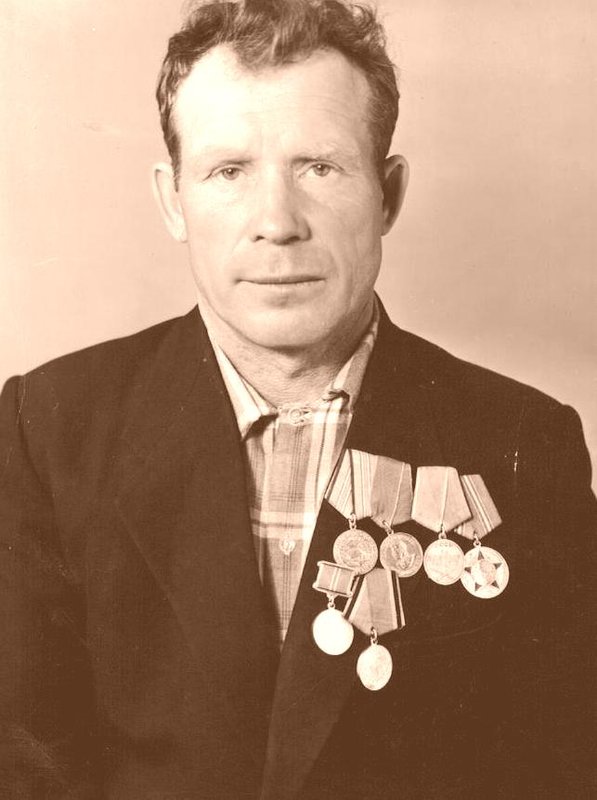
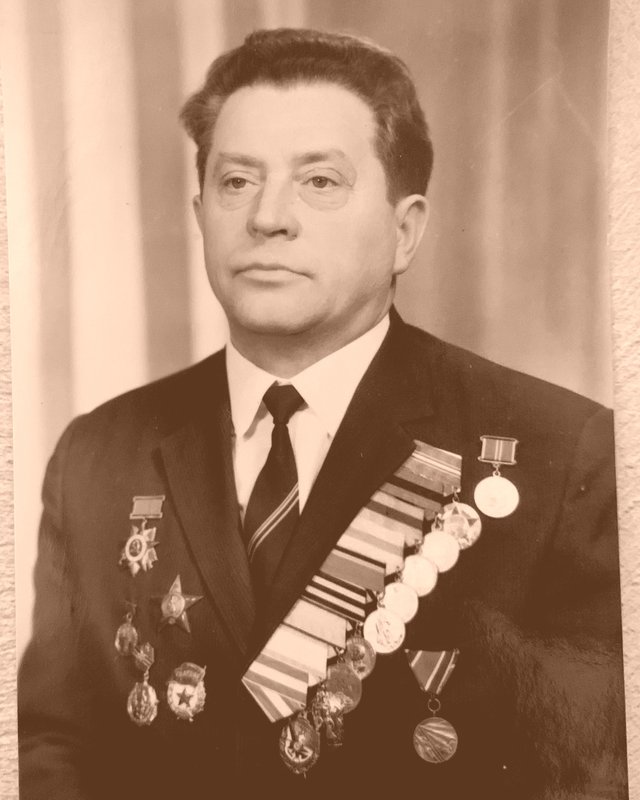
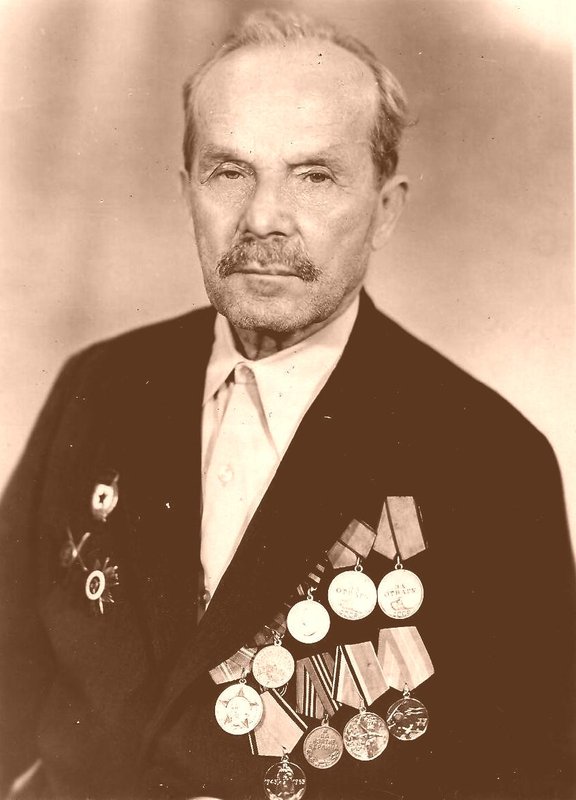
We remember. We are proud! There are no families in Russia whose ancestors did not fight in the great Patriotic war, did not survive all this horror, all the grief of losses and fear. Every family carefully preserves the memories of loved ones and about the price of the Victory. The memory of the high price paid with the blood and lives of previous generations will remain in the hearts of future generations forever. My great-grandfather, Alexey Krivolapov, born in 1915, was one of those who fought for the Motherland. He was called up in September 1943 to serve in the 1091 rifle regiment of the 324th rifle division of the 2nd Belorussian Front. My great-grandfather didn't like to share memories of the war. But one of the military episodes of his life still remained in the memory of his relatives. The East Prussian offensive in which my great-grandfather participated was, in his words, "a living hell": an avalanche of fire, the ground "reared up", fierce battles for every locality. Here is what he said about the battle for the village of Reichenberg, which happened on February 3, 1945: "Cold, snow, twenty-five degrees of frost. Every degree is felt: the frost "bites" the face, fingers and toes get cold. Artillery strikes continuously. A moment, then another, and the soldiers were out of the trench. Cheers rang out all over the field. And at that moment, communication with the headquarters was interrupted. It is the telephone operator's duty to correct the impulse, that is, mine. Without communication in battle – "as without hands". You go on a mission, and shells are exploding around you, bullets are whistling. You go and think, whether the shell damaged the wire, or the fascist specifically cut it. If the latter, then he will be definitely waiting somewhere near the machine gun. Therefore, you go carefully, as in intelligence: you must complete the task, and for this, first of all, you must remain alive. In this battle, the connection had to be restored six times. During the sixth sortie, I was shell-shocked, but I completed the task: I managed to connect the wires, holding them tightly in my hand. "For completing this task, my great-grandfather was awarded the medal for bravery. There were more fights ahead: Konigsberg and others. In one of them, my great-grandfather was seriously injured. A shell fragment after this injury, he carried for the rest of his life. Every spring, the shard began to "move". "Echo of war" made me remember that "bloody meat grinder" over and over again. In these moments he told us: "If it wasn't for my family, I wouldn't have survived. It was the thought of having a wife and son at home that made me more strong." After the war, my great-grandfather returned home, recovered at the pedagogical Institute, graduated from it and worked until retirement as a geography teacher. Unfortunately, my great-grandfather is no longer with us. He died on February 9, 2002: the "echo of war" still reached the heart. He was buried in Razdolnoe… Even if all the archives, all the literary works about the war are burned, the memories of those to whom we owe our lives will still remain in the memory of every family. Low bow to them for this! We remember. We are proud!
Krivolapov Alexey Semyonovich
We remember. We are proud! There are no families in Russia whose ancestors did not fight in the great Patriotic war, did not survive all this horror, all the grief of losses and fear. Every family carefully preserves the memories of loved ones and about the price of the Victory. The memory of the high price paid with the blood and lives of previous generations will remain in the hearts of future generations forever. My great-grandfather, Alexey Krivolapov, born in 1915, was one of those who fought for the Motherland. He was called up in September 1943 to serve in the 1091 rifle regiment of the 324th rifle division of the 2nd Belorussian Front. My great-grandfather didn't like to share memories of the war. But one of the military episodes of his life still remained in the memory of his relatives. The East Prussian offensive in which my great-grandfather participated was, in his words, "a living hell": an avalanche of fire, the ground "reared up", fierce battles for every locality. Here is what he said about the battle for the village of Reichenberg, which happened on February 3, 1945: "Cold, snow, twenty-five degrees of frost. Every degree is felt: the frost "bites" the face, fingers and toes get cold. Artillery strikes continuously. A moment, then another, and the soldiers were out of the trench. Cheers rang out all over the field. And at that moment, communication with the headquarters was interrupted. It is the telephone operator's duty to correct the impulse, that is, mine. Without communication in battle – "as without hands". You go on a mission, and shells are exploding around you, bullets are whistling. You go and think, whether the shell damaged the wire, or the fascist specifically cut it. If the latter, then he will be definitely waiting somewhere near the machine gun. Therefore, you go carefully, as in intelligence: you must complete the task, and for this, first of all, you must remain alive. In this battle, the connection had to be restored six times. During the sixth sortie, I was shell-shocked, but I completed the task: I managed to connect the wires, holding them tightly in my hand. "For completing this task, my great-grandfather was awarded the medal for bravery. There were more fights ahead: Konigsberg and others. In one of them, my great-grandfather was seriously injured. A shell fragment after this injury, he carried for the rest of his life. Every spring, the shard began to "move". "Echo of war" made me remember that "bloody meat grinder" over and over again. In these moments he told us: "If it wasn't for my family, I wouldn't have survived. It was the thought of having a wife and son at home that made me more strong." After the war, my great-grandfather returned home, recovered at the pedagogical Institute, graduated from it and worked until retirement as a geography teacher. Unfortunately, my great-grandfather is no longer with us. He died on February 9, 2002: the "echo of war" still reached the heart. He was buried in Razdolnoe… Even if all the archives, all the literary works about the war are burned, the memories of those to whom we owe our lives will still remain in the memory of every family. Low bow to them for this! We remember. We are proud!
0 comment




2026 © Russian Military Historical Society Developed by Jetmix