


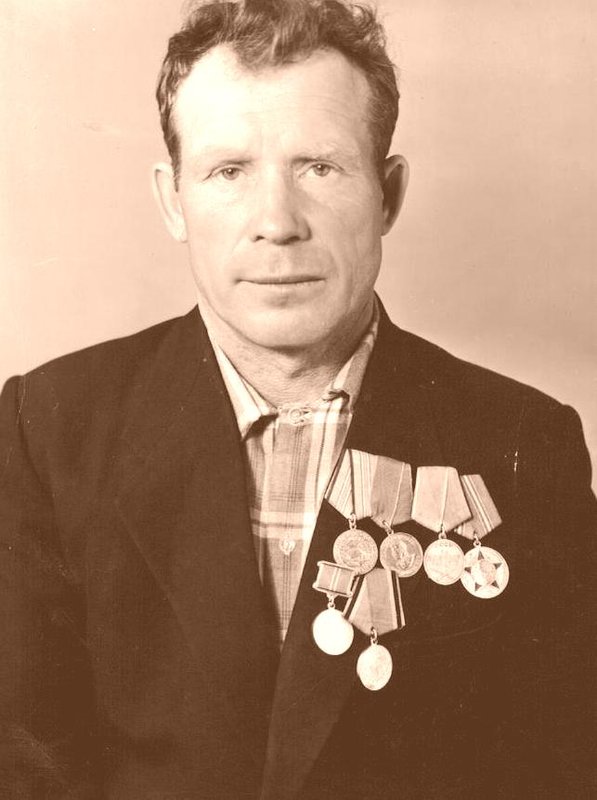
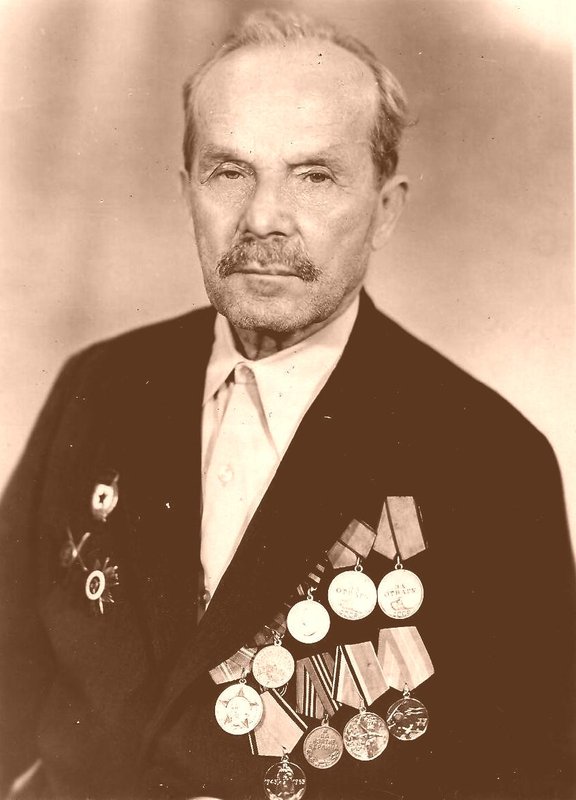
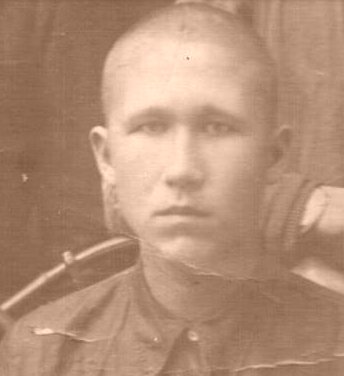


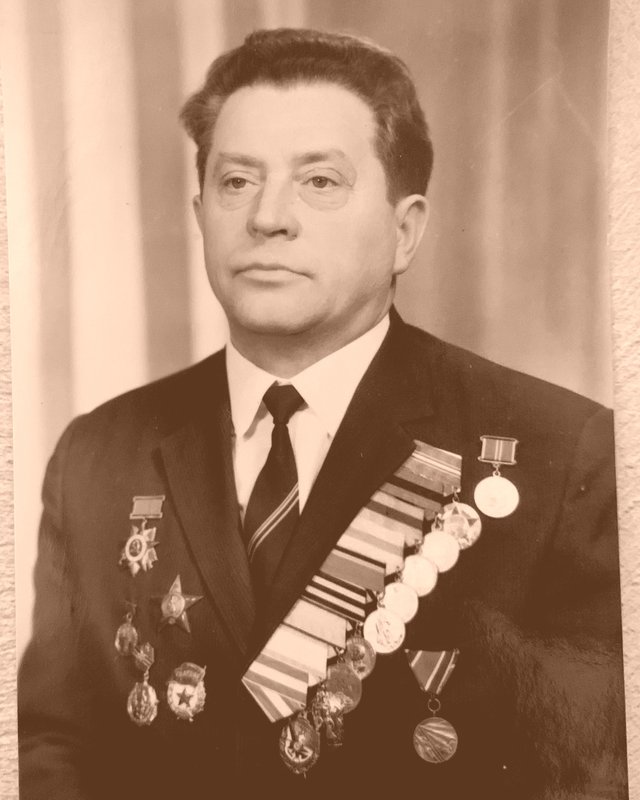
Koshelev Nikolay Nikolaevich
After the graduation from the high school, Nikolai was sent to study in the Melitopol aviation school. He graduated it with honors and was left there as a Navigator-instructor. The war found him there. On August 10, 1941, the headquarters of the reserve army of the Southern front, commanded by Lieutenant General N. E. Chibisov, received a message that several tanks and motorized divisions from Von Kleist's first Panzer army were concentrated in the area of Krivoy Rog and Pyatikhatka, waiting for fuel for a further rush to the East... This morning, no one in the aviation school did not assume that at these hours the head of the Melitopol aviation school, Lieutenant Colonel T. L. Ryabchenko, received an order to urgently form an aviation division. He had create it on the basis of the Melitopol and Pavlograd aviation schools under the command of Colonel V. I. Chaikin, the commander of the reserve army air force. Only 18 hours passed from the the command "Alarm!» till the the first combat flights of young cadets. The division was named "SHAD" (School aviation division), which was armed with 76 obsolete aircraft. There were not enough cars for all the crews, but the pilots and technicians managed to repair eight damaged cars that were already in the aircraft cemetery. The front command set the task to the "SHAD" combat task: destroy the echelons and columns of fuel tanks on the way to Panzer divisions of von Kleist. The southern front command decided to disrupt the German tank units offensive in the direction of Dnepropetrovsk, Donbass, and Rostov-on-don. On August 12, SHAD dropped its first bomb on the tanks and fuel tanks in Kryvoy Rog area. The fascist command immediately took measures to cover its tank units, columns and fuel trains. Many aircrafts in "SHAD" combat wer vulnerable to "messershmitt-109". By August 15, "SHAD” had suffered heavy losses, and on August 20, after only 10 days, it was disbanded. But it contributed to the defeat of enemy tank units and enemy columns with fuel at Krivoy Rog and Apostolovo station. The feat of cadets from the School aviation division was given at a high price - 166 young men gave their lives to fulfill their duty to the Motherland. The August days of 1941 opened a new page in the life of Nikolai Koshelev, and there was a long war ahead. During the period of combat operations, Nikolai made: 661 combat flights at night, 32 combat flights during the day. Total: 693 sorties flying, 1073 hours and 45 minutes. In 1946 Nikolai Koshelev was discharged from the army and in 1947 entered the mechanical faculty of the Moscow state technical University named after Gubkin. Nikolai was older than many of his fellow students. A veteran of the great Patriotic war, he enjoyed a well-deserved reputation among students and teachers of the Institute. He went to classes in an officer's tunic (he simply did not have civilian clothes) with a flight tablet instead of a briefcase. He was still a student, when he was elected as a Chairman of the trade Union Committee of the Institute. There was active study and a lot of social work. After graduation from the Institute, Nikolai Koshelev was left in postgraduate school, and from 1955 he began his teaching experience-assistant, senior teacher, associate Professor, Professor. Since 1959 he was appointed Dean of the evening faculty, and in 1963 - Dean of the mechanical faculty of the I. M. Gubkin Minhigp. He served as Dean until 1973. In 1973, N. N. Koshelev was elected as a Head of Department of production of gas-petrochemical equipment and hot metal processing, where under the leadership of the former head E. M. Kuzmak, he began his scientific activities. He worked in this Department until the last day of his life.
Koshelev Nikolay Nikolaevich
After the graduation from the high school, Nikolai was sent to study in the Melitopol aviation school. He graduated it with honors and was left there as a Navigator-instructor. The war found him there. On August 10, 1941, the headquarters of the reserve army of the Southern front, commanded by Lieutenant General N. E. Chibisov, received a message that several tanks and motorized divisions from Von Kleist's first Panzer army were concentrated in the area of Krivoy Rog and Pyatikhatka, waiting for fuel for a further rush to the East... This morning, no one in the aviation school did not assume that at these hours the head of the Melitopol aviation school, Lieutenant Colonel T. L. Ryabchenko, received an order to urgently form an aviation division. He had create it on the basis of the Melitopol and Pavlograd aviation schools under the command of Colonel V. I. Chaikin, the commander of the reserve army air force. Only 18 hours passed from the the command "Alarm!» till the the first combat flights of young cadets. The division was named "SHAD" (School aviation division), which was armed with 76 obsolete aircraft. There were not enough cars for all the crews, but the pilots and technicians managed to repair eight damaged cars that were already in the aircraft cemetery. The front command set the task to the "SHAD" combat task: destroy the echelons and columns of fuel tanks on the way to Panzer divisions of von Kleist. The southern front command decided to disrupt the German tank units offensive in the direction of Dnepropetrovsk, Donbass, and Rostov-on-don. On August 12, SHAD dropped its first bomb on the tanks and fuel tanks in Kryvoy Rog area. The fascist command immediately took measures to cover its tank units, columns and fuel trains. Many aircrafts in "SHAD" combat wer vulnerable to "messershmitt-109". By August 15, "SHAD” had suffered heavy losses, and on August 20, after only 10 days, it was disbanded. But it contributed to the defeat of enemy tank units and enemy columns with fuel at Krivoy Rog and Apostolovo station. The feat of cadets from the School aviation division was given at a high price - 166 young men gave their lives to fulfill their duty to the Motherland. The August days of 1941 opened a new page in the life of Nikolai Koshelev, and there was a long war ahead. During the period of combat operations, Nikolai made: 661 combat flights at night, 32 combat flights during the day. Total: 693 sorties flying, 1073 hours and 45 minutes. In 1946 Nikolai Koshelev was discharged from the army and in 1947 entered the mechanical faculty of the Moscow state technical University named after Gubkin. Nikolai was older than many of his fellow students. A veteran of the great Patriotic war, he enjoyed a well-deserved reputation among students and teachers of the Institute. He went to classes in an officer's tunic (he simply did not have civilian clothes) with a flight tablet instead of a briefcase. He was still a student, when he was elected as a Chairman of the trade Union Committee of the Institute. There was active study and a lot of social work. After graduation from the Institute, Nikolai Koshelev was left in postgraduate school, and from 1955 he began his teaching experience-assistant, senior teacher, associate Professor, Professor. Since 1959 he was appointed Dean of the evening faculty, and in 1963 - Dean of the mechanical faculty of the I. M. Gubkin Minhigp. He served as Dean until 1973. In 1973, N. N. Koshelev was elected as a Head of Department of production of gas-petrochemical equipment and hot metal processing, where under the leadership of the former head E. M. Kuzmak, he began his scientific activities. He worked in this Department until the last day of his life.
0 comment




2026 © Russian Military Historical Society Developed by Jetmix