


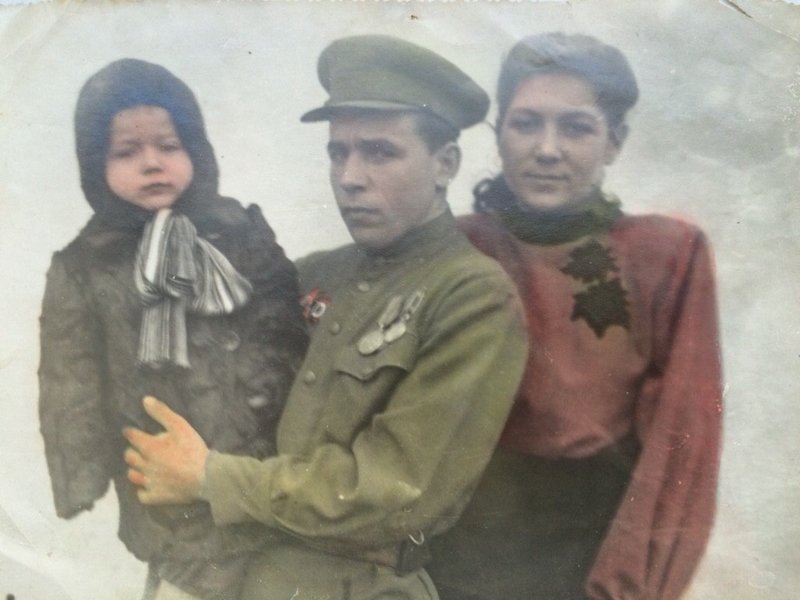

Gukov Dmitry Anatolyevich
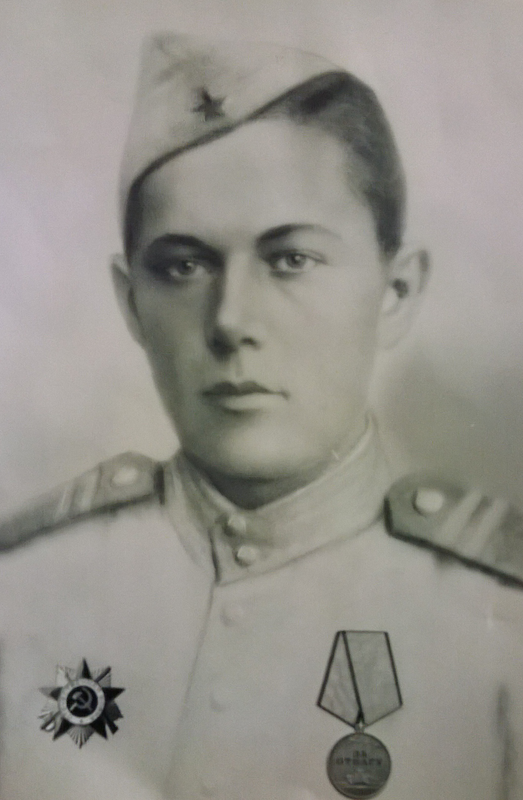
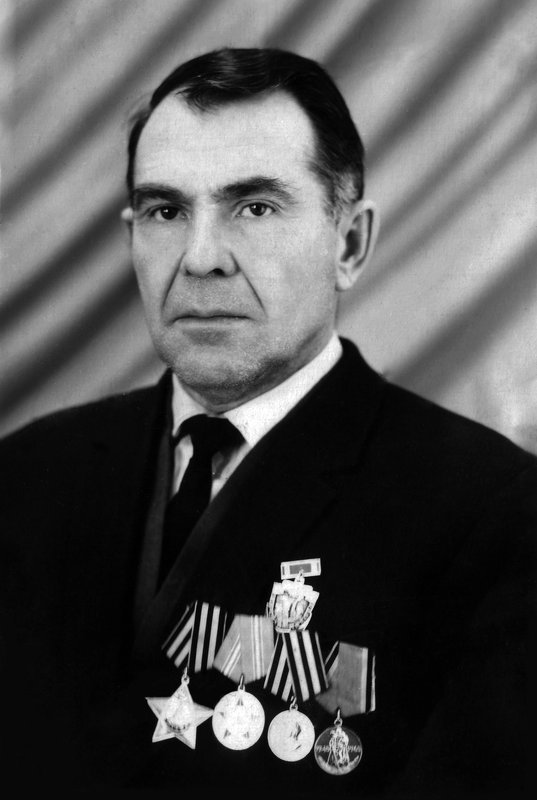
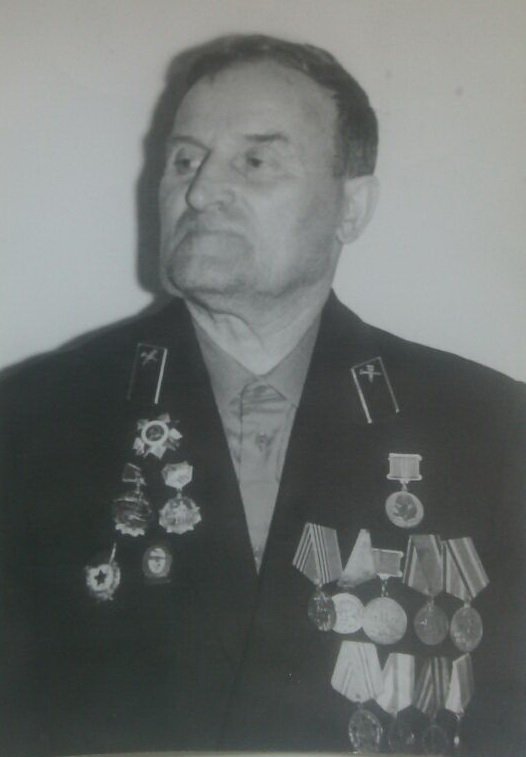
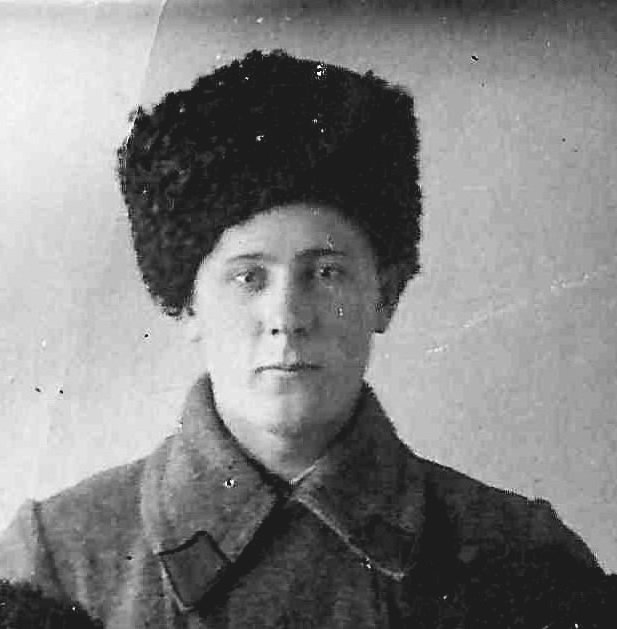
Rank: Senior officer. Branch of troops: Military-economic and administrative structure. Division: 144th Vilna Red Banner rifle division of the order of Suvorov, Kutuzov and Alexander Nevsky. My great-grandfather was born on December 20, 1920 in the village of Pokrovka, Ust-Tarsky district, Novosibirsk region. He was the 9th kid in his fathers family. In 1939, my great-grandfather was called up to serve in the army. In 1941, the war with nazi Germany began. Immediately after the service, without going home, great-grandfather was sent to the front line. From archival documents of the Central archive of the Ministry of defense of the Russian Federation, I know that my great-grandfather, Sergeant Dmitry Gukov, participated in the breakthrough of the Spas-Demensk bridgehead in August 1943, and on the approaches to Orsha in November 1943, fearlessly went ahead, dragging the fighters with him. He was wounded four times in a combat. On March 21, 1944, he was awarded the medal "for Bravery", order 612 of the rifle regiment of the 144 rifle division of the 33rd army of the Western front. Decree for award was signed by commander of the 612th regiment Lieutenant Colonel Aliev. The war continued. The Red Army was faced with a decisive task - to crush Nazi Germany completelly and victoriously end the Great Patriotic war. Therefore, large-scale offensive operations were planned in all strategic directions. One of the most significant operations in the final stage of the war was the East Prussian offensive. The elimination of the East Prussian enemy group freed up significant forces for the offensive on Berlin. By this time, my great-grandfather had the rank of a Sergeant and fought in the 612 rifle Neman regiment, the 144 rifle Vilna Red Banner order of Suvorov division, the 5th army, the 3rd Belorussian front under the command of army General I. D. Chernyakhovsky. On January 22, 1945, by order of the above mentioned regiment, D. A. Gukov, foreman of the 1st rifle company, was awarded the medal "for Bravery". Award was given for his excellent job during offensive battles from 13 to 20 January 1945 when he in the most difficult conditions smoothly delivered ammunition and hot food to the company. His work contributed to the breakthrough of defense in East Prussia. For courage and bravery, my great-grandfather was also awarded the third medal "for the Victory over Germany" and the order of the Patriotic war, 2nd degree. During the war, he acceded the Communist party.The war was coming to an end and the regiment where my great-grandfather served was just in 40 kilometers from Berlin when the complete surrender of nazi Germany was declared. But in May 1945, the war did not end for my great-grandfather. His train was sent to the East. Soon, fighting began with another enemy, Japan, and the names of the liberated cities were unusual: Harbin, Mudanjiang… But it was still the same war where blood was shed, and thousands of people were killed in the dawn of their strength. A war for freedom, for a peaceful life, for the happiness of future generations. My great-grandfather returned to Novosibirsk in February 1947. In the post-war period, he worked in the police. He married, and in 1957 moved with his family to the village of Tatarka, Cherepanovsky district, Novosibirsk region, to the abode of his wife. He had 7 children. One of his daughters is my grandmother, Galina Gukova. In peacetime, my great-grandfather was awarded many commemorative medals of the Great Patriotic war and jubilee medals of the armed forces of the USSR. The last medal, which was awarded to my great-grandfather was a medal of Zhukov. My great-grandfather lived to be almost 80 years old. He was buried in 2000 in the city of Cherepanovo.
Gukov Dmitry Anatolyevich
Rank: Senior officer. Branch of troops: Military-economic and administrative structure. Division: 144th Vilna Red Banner rifle division of the order of Suvorov, Kutuzov and Alexander Nevsky. My great-grandfather was born on December 20, 1920 in the village of Pokrovka, Ust-Tarsky district, Novosibirsk region. He was the 9th kid in his fathers family. In 1939, my great-grandfather was called up to serve in the army. In 1941, the war with nazi Germany began. Immediately after the service, without going home, great-grandfather was sent to the front line. From archival documents of the Central archive of the Ministry of defense of the Russian Federation, I know that my great-grandfather, Sergeant Dmitry Gukov, participated in the breakthrough of the Spas-Demensk bridgehead in August 1943, and on the approaches to Orsha in November 1943, fearlessly went ahead, dragging the fighters with him. He was wounded four times in a combat. On March 21, 1944, he was awarded the medal "for Bravery", order 612 of the rifle regiment of the 144 rifle division of the 33rd army of the Western front. Decree for award was signed by commander of the 612th regiment Lieutenant Colonel Aliev. The war continued. The Red Army was faced with a decisive task - to crush Nazi Germany completelly and victoriously end the Great Patriotic war. Therefore, large-scale offensive operations were planned in all strategic directions. One of the most significant operations in the final stage of the war was the East Prussian offensive. The elimination of the East Prussian enemy group freed up significant forces for the offensive on Berlin. By this time, my great-grandfather had the rank of a Sergeant and fought in the 612 rifle Neman regiment, the 144 rifle Vilna Red Banner order of Suvorov division, the 5th army, the 3rd Belorussian front under the command of army General I. D. Chernyakhovsky. On January 22, 1945, by order of the above mentioned regiment, D. A. Gukov, foreman of the 1st rifle company, was awarded the medal "for Bravery". Award was given for his excellent job during offensive battles from 13 to 20 January 1945 when he in the most difficult conditions smoothly delivered ammunition and hot food to the company. His work contributed to the breakthrough of defense in East Prussia. For courage and bravery, my great-grandfather was also awarded the third medal "for the Victory over Germany" and the order of the Patriotic war, 2nd degree. During the war, he acceded the Communist party.The war was coming to an end and the regiment where my great-grandfather served was just in 40 kilometers from Berlin when the complete surrender of nazi Germany was declared. But in May 1945, the war did not end for my great-grandfather. His train was sent to the East. Soon, fighting began with another enemy, Japan, and the names of the liberated cities were unusual: Harbin, Mudanjiang… But it was still the same war where blood was shed, and thousands of people were killed in the dawn of their strength. A war for freedom, for a peaceful life, for the happiness of future generations. My great-grandfather returned to Novosibirsk in February 1947. In the post-war period, he worked in the police. He married, and in 1957 moved with his family to the village of Tatarka, Cherepanovsky district, Novosibirsk region, to the abode of his wife. He had 7 children. One of his daughters is my grandmother, Galina Gukova. In peacetime, my great-grandfather was awarded many commemorative medals of the Great Patriotic war and jubilee medals of the armed forces of the USSR. The last medal, which was awarded to my great-grandfather was a medal of Zhukov. My great-grandfather lived to be almost 80 years old. He was buried in 2000 in the city of Cherepanovo.
0 comment



2026 © Russian Military Historical Society Developed by Jetmix