

Grebtsov Peter Vladimirovich
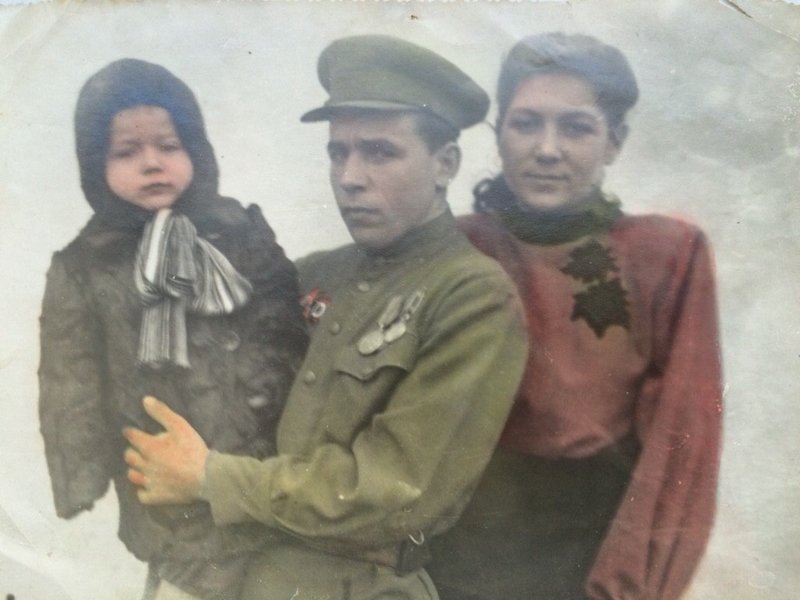
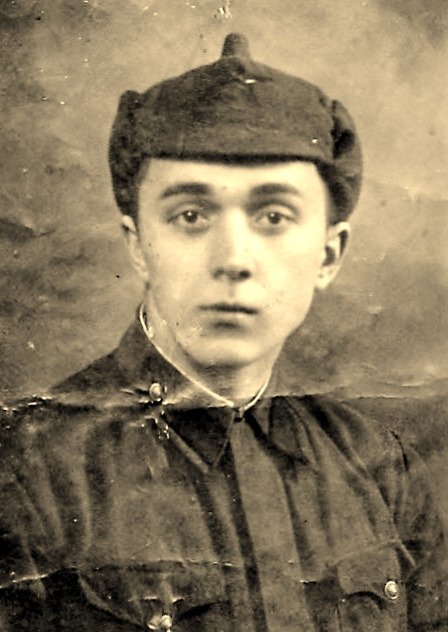
Rank: Sergeant Branch of troops: Land forces, air forces (except naval aviation), coast guard, NKVD troops, border guards. Pyotr Vladimirovich Grebtsov was born on August 2, 1923 in the Voronezh region. At the beginning of the war, he was 17 years old. In May of 1941, he entered the Leningrad Naval Academy. And in June 1941, having reported his age was already of 18 years, he left for the front line. He served within the 252nd rifle division. From the essays of Alexander Sokolovsky named "Stalingrad course" published in "Neva" magazine in 1983: "Petya Grebtsov was ... a small, well-built boy ... who had real soldier's qualities - quickness, ingenuity, endurance, courage. At the battlefield he bandaged many wounded comrades, simultaneously suppressing with the grenades and machine gun fire two machine-gun enemy points, dragged all the wounded into the ravine, found sound automobiles among the trophy vehicles and drivers for them among the prisoners, threatening to execute them immediatelly in case of a sabotage .. as well as the cooks of the other Red Army regiment who didn't want to feed "alien" wounded, were forced by Peter to provide them with food and ... arrived at the field hospital. Another hard challenge was there for Peter - to hand over the wounded to the hospital, for which he practically had to struggle for it, since this medical unit belonged to a different division. And only after that he return to the regiment… So Petya was a medic almost all the way to Stalingrad. After the first battle, he received the medal " for Military Merit»... By the end of the Stalingrad battle, starting from January 21, 1943, the Germans began to surrender: "Peter was ... the commander of an intelligence squad of his regiment. He knew deutch well enough… The command decided to sent the parliamentarians… Together with three Red Army soldiers he crossed the front line. They were immediately surrounded by the Germans. They were blindfolded, nazi took away their weapons, cigarettes, handkerchiefs ... and acompanied them for a long time in the unknown direction. The blindfold was removed on arrival at the dugout. Grebtsov presented an ultimatum...to the German Colonel… They were taken to the basement… And were told to wait. They were visited in the morning. Petya thought: they'll probably be taken for an execution. But ... the Germans were no longer up to it. Their management ceased to exist. nazi squads were just hanging around. The Colonel threw them a machine gun and Petya and his comrades remained among the enemy... " by evening, Grebtsov delivered about 2000 surrendered Germans to the headquarters of their division… In 1943, he received a shrapnel wound to his left leg and was treated for a long time. The injury was complicated by osteomyelitis. He was taken to the hospital and then demobilized. In 1947, he graduated from the Leningrad Naval Academy. Later, he worked as an ENT doctor, surgeon, and even invented and improved surgical instruments for operations. In 1973, Lieutenant Colonel of the medical service of Grebtsov Peter Vladimirovich was sent to Berlin for permanent service. In 1979, he returned to Kursk. His rewards: 2 orders of the Red Star, the medal "For Military Merit", medal "For Victory over Germany", medal "For Defense of Leningrad", medal "For Defense of Stalingrad", medal in memory 250th anniversary of Leningrad, medal for the 20th anniversary of the Victory over Germany, medal for 20th anniversary of Victory in Great Patriotic War, jubilee medal 10 years of the USSR armed forces, anniversary medal 30 years of Soviet Army and Navy, Medal for 25 years of irreproachable service in the armed forces.
Grebtsov Peter Vladimirovich
Rank: Sergeant Branch of troops: Land forces, air forces (except naval aviation), coast guard, NKVD troops, border guards. Pyotr Vladimirovich Grebtsov was born on August 2, 1923 in the Voronezh region. At the beginning of the war, he was 17 years old. In May of 1941, he entered the Leningrad Naval Academy. And in June 1941, having reported his age was already of 18 years, he left for the front line. He served within the 252nd rifle division. From the essays of Alexander Sokolovsky named "Stalingrad course" published in "Neva" magazine in 1983: "Petya Grebtsov was ... a small, well-built boy ... who had real soldier's qualities - quickness, ingenuity, endurance, courage. At the battlefield he bandaged many wounded comrades, simultaneously suppressing with the grenades and machine gun fire two machine-gun enemy points, dragged all the wounded into the ravine, found sound automobiles among the trophy vehicles and drivers for them among the prisoners, threatening to execute them immediatelly in case of a sabotage .. as well as the cooks of the other Red Army regiment who didn't want to feed "alien" wounded, were forced by Peter to provide them with food and ... arrived at the field hospital. Another hard challenge was there for Peter - to hand over the wounded to the hospital, for which he practically had to struggle for it, since this medical unit belonged to a different division. And only after that he return to the regiment… So Petya was a medic almost all the way to Stalingrad. After the first battle, he received the medal " for Military Merit»... By the end of the Stalingrad battle, starting from January 21, 1943, the Germans began to surrender: "Peter was ... the commander of an intelligence squad of his regiment. He knew deutch well enough… The command decided to sent the parliamentarians… Together with three Red Army soldiers he crossed the front line. They were immediately surrounded by the Germans. They were blindfolded, nazi took away their weapons, cigarettes, handkerchiefs ... and acompanied them for a long time in the unknown direction. The blindfold was removed on arrival at the dugout. Grebtsov presented an ultimatum...to the German Colonel… They were taken to the basement… And were told to wait. They were visited in the morning. Petya thought: they'll probably be taken for an execution. But ... the Germans were no longer up to it. Their management ceased to exist. nazi squads were just hanging around. The Colonel threw them a machine gun and Petya and his comrades remained among the enemy... " by evening, Grebtsov delivered about 2000 surrendered Germans to the headquarters of their division… In 1943, he received a shrapnel wound to his left leg and was treated for a long time. The injury was complicated by osteomyelitis. He was taken to the hospital and then demobilized. In 1947, he graduated from the Leningrad Naval Academy. Later, he worked as an ENT doctor, surgeon, and even invented and improved surgical instruments for operations. In 1973, Lieutenant Colonel of the medical service of Grebtsov Peter Vladimirovich was sent to Berlin for permanent service. In 1979, he returned to Kursk. His rewards: 2 orders of the Red Star, the medal "For Military Merit", medal "For Victory over Germany", medal "For Defense of Leningrad", medal "For Defense of Stalingrad", medal in memory 250th anniversary of Leningrad, medal for the 20th anniversary of the Victory over Germany, medal for 20th anniversary of Victory in Great Patriotic War, jubilee medal 10 years of the USSR armed forces, anniversary medal 30 years of Soviet Army and Navy, Medal for 25 years of irreproachable service in the armed forces.
0 comment



2026 © Russian Military Historical Society Developed by Jetmix