


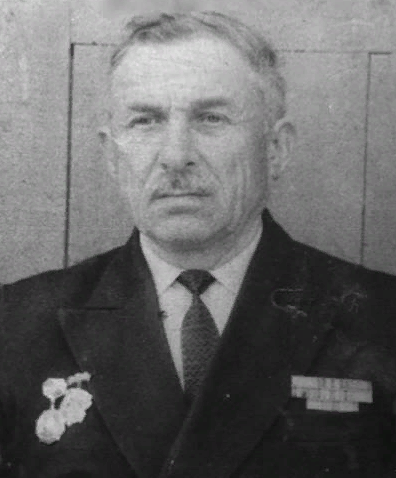

Gabidullin Bari Khabibullovich
Rank: Red Army Soldier. Branch of troops: army, air forces (except marine aviation), the coast guard, the troops of the NKVD border troops. Division: 154th rifle division (1st formation). 209 people left the village of Talachevo for the front, while old people, women and children remained on the collective farm. Some of those who were left at the village provided the front with bread, extracted stone for the construction of factories in Sterlitamak, sent Voroshilov's horses to the front, women knitted mittens, socks, dried potatoes. 56 men returned from the front, although wounded, but alive. And among them was Gabidullin Bari Habibullovich. He was born on February 10, 1918 in the village of Talachevo in a peasant family. In 1937, he graduated from the Bashkir pedagogical school in Sterlitamak and worked as a teacher in the village of Kshanny, Aurgazisnky district. In September 1939, Bari Khabibullovich was drafted into the Red Army. He served in Ulyanovsk with the rank of Junior Sergeant. And the beginning of the Great Patriotic War, he met wtihin the 154 rifle regiment and participated in the battles defending the cities of Zhlobin and Bobruisk, where at the end of July 1941 he was wounded and was hospitalized. "nazi occupied the city of Zhlobin and Bobruisk on June 28, 1941. Then, in July 1941, a battle took place in the area of Bobruisk, which became part of the Smolensk battle. On the tenth day of the war - July 3, 1941, the Western part of the district and the city of Zhlobin were occupied by nazi troops. But on July 6, squads of the 117th rifle division under the command of I. L. Khizhnyak were able to dislodge the invaders from the city during reconnaissance. On July 14, soldiers of the 154th rifle division under the command of Colonel Ya. S. Focanov drove the nazi out of Zhlobin and Rogachev and developed an offensive on Bobruisk, penetrating 30 km deep into the territory occupied by the enemy. They proved that even in the extremely unfavorable and difficult conditions that characterized the beginning of the Great Patriotic War, the Red Army units not only defended themselves stoutly, but were also able to conduct fairly successful offensive actions. An example of courage and heroism was shown in these battles by the battalion commander of the 154th rifle division F. A. Batalov, whose battalion was the first to break into the city, conducted 6 attacks and was able to distract the enemy forces for the successful advance of the rest of the Red Army." After hospital treatment Bari Khabibullovich participated in the battles for the defense of the city of Sevastopol and was wounded for the second time. "During the Great Patriotic War city of Sevastopol was the first to take the enemy's blow - on June 22, 1941, at 3:13 a.m., when German-fascist planes appeared in the night sky over the city with the purpose of mining the bays from the air and in order to block Soviet navy. Almost two years of fascist occupation became a dark period in the history of Sevastopol. In total, about 300 thousand nazi were terminated during Soviet defense of Sevastopol which is by several times more than there were residents before the war in the whole city. Our troops lost about 150 thousand soldiers who were killed, perished from wounds and went missing, and there were about 45 thousand wounded." Next Gabidullin was treated at theYerevan`s hospital. After recovering, Bari Khabibullovich was sent to the city of Tbilisi, where a new military formation was being formed, and then within it he was sent to fight at the front line at the Bryansk direction. "In August 1941 the 50th Army was formed near Bryansk. On June 24, 1941, the Bryansk Region switched to martial law. Its everyday life was subject to the demands of the war. The city of Bryansk was of great strategic importance: it had many industrial enterprises, and there was a continuous transportation of troops and ammunition through railway junctions. Troops of the 3rd, 13th, and 50th armies of the Bryansk front and General Yermakov's task force defended the Eastern Bank of the Desna River and for almost two years held off Guderian's Panzer group, which was rushing to the rear of the Southwestern front." Bari Khabibullovich participated in those battles till February of 1942 when he was seriously wounded for the third time. For a long time, he was treated at hospitals in the city of Novokuznetsk (Stalinsk), where eventually the commission of doctors found him unfit for the military service. He returned to his native village as a group 3 invalid. Selflessly worked together with home front workers to restore the collective farm. The wounded men who returned from the front took on their shoulders all the hard work of the collective farm, rolled up their sleeves and began to restore what had been destroyed. After the end of the war, from 1946 to 1978, he worked as a primary school teacher at Talas high school. Bari Khabibullovich's services to the Fatherland were awarded with orders of the Patriotic War of the 1st and 2nd degree, by medals and the badge of the 47th Guards division, certificates of honor. He passed away on February 6, 1996.
Gabidullin Bari Khabibullovich
Rank: Red Army Soldier. Branch of troops: army, air forces (except marine aviation), the coast guard, the troops of the NKVD border troops. Division: 154th rifle division (1st formation). 209 people left the village of Talachevo for the front, while old people, women and children remained on the collective farm. Some of those who were left at the village provided the front with bread, extracted stone for the construction of factories in Sterlitamak, sent Voroshilov's horses to the front, women knitted mittens, socks, dried potatoes. 56 men returned from the front, although wounded, but alive. And among them was Gabidullin Bari Habibullovich. He was born on February 10, 1918 in the village of Talachevo in a peasant family. In 1937, he graduated from the Bashkir pedagogical school in Sterlitamak and worked as a teacher in the village of Kshanny, Aurgazisnky district. In September 1939, Bari Khabibullovich was drafted into the Red Army. He served in Ulyanovsk with the rank of Junior Sergeant. And the beginning of the Great Patriotic War, he met wtihin the 154 rifle regiment and participated in the battles defending the cities of Zhlobin and Bobruisk, where at the end of July 1941 he was wounded and was hospitalized. "nazi occupied the city of Zhlobin and Bobruisk on June 28, 1941. Then, in July 1941, a battle took place in the area of Bobruisk, which became part of the Smolensk battle. On the tenth day of the war - July 3, 1941, the Western part of the district and the city of Zhlobin were occupied by nazi troops. But on July 6, squads of the 117th rifle division under the command of I. L. Khizhnyak were able to dislodge the invaders from the city during reconnaissance. On July 14, soldiers of the 154th rifle division under the command of Colonel Ya. S. Focanov drove the nazi out of Zhlobin and Rogachev and developed an offensive on Bobruisk, penetrating 30 km deep into the territory occupied by the enemy. They proved that even in the extremely unfavorable and difficult conditions that characterized the beginning of the Great Patriotic War, the Red Army units not only defended themselves stoutly, but were also able to conduct fairly successful offensive actions. An example of courage and heroism was shown in these battles by the battalion commander of the 154th rifle division F. A. Batalov, whose battalion was the first to break into the city, conducted 6 attacks and was able to distract the enemy forces for the successful advance of the rest of the Red Army." After hospital treatment Bari Khabibullovich participated in the battles for the defense of the city of Sevastopol and was wounded for the second time. "During the Great Patriotic War city of Sevastopol was the first to take the enemy's blow - on June 22, 1941, at 3:13 a.m., when German-fascist planes appeared in the night sky over the city with the purpose of mining the bays from the air and in order to block Soviet navy. Almost two years of fascist occupation became a dark period in the history of Sevastopol. In total, about 300 thousand nazi were terminated during Soviet defense of Sevastopol which is by several times more than there were residents before the war in the whole city. Our troops lost about 150 thousand soldiers who were killed, perished from wounds and went missing, and there were about 45 thousand wounded." Next Gabidullin was treated at theYerevan`s hospital. After recovering, Bari Khabibullovich was sent to the city of Tbilisi, where a new military formation was being formed, and then within it he was sent to fight at the front line at the Bryansk direction. "In August 1941 the 50th Army was formed near Bryansk. On June 24, 1941, the Bryansk Region switched to martial law. Its everyday life was subject to the demands of the war. The city of Bryansk was of great strategic importance: it had many industrial enterprises, and there was a continuous transportation of troops and ammunition through railway junctions. Troops of the 3rd, 13th, and 50th armies of the Bryansk front and General Yermakov's task force defended the Eastern Bank of the Desna River and for almost two years held off Guderian's Panzer group, which was rushing to the rear of the Southwestern front." Bari Khabibullovich participated in those battles till February of 1942 when he was seriously wounded for the third time. For a long time, he was treated at hospitals in the city of Novokuznetsk (Stalinsk), where eventually the commission of doctors found him unfit for the military service. He returned to his native village as a group 3 invalid. Selflessly worked together with home front workers to restore the collective farm. The wounded men who returned from the front took on their shoulders all the hard work of the collective farm, rolled up their sleeves and began to restore what had been destroyed. After the end of the war, from 1946 to 1978, he worked as a primary school teacher at Talas high school. Bari Khabibullovich's services to the Fatherland were awarded with orders of the Patriotic War of the 1st and 2nd degree, by medals and the badge of the 47th Guards division, certificates of honor. He passed away on February 6, 1996.
0 comment



2026 © Russian Military Historical Society Developed by Jetmix