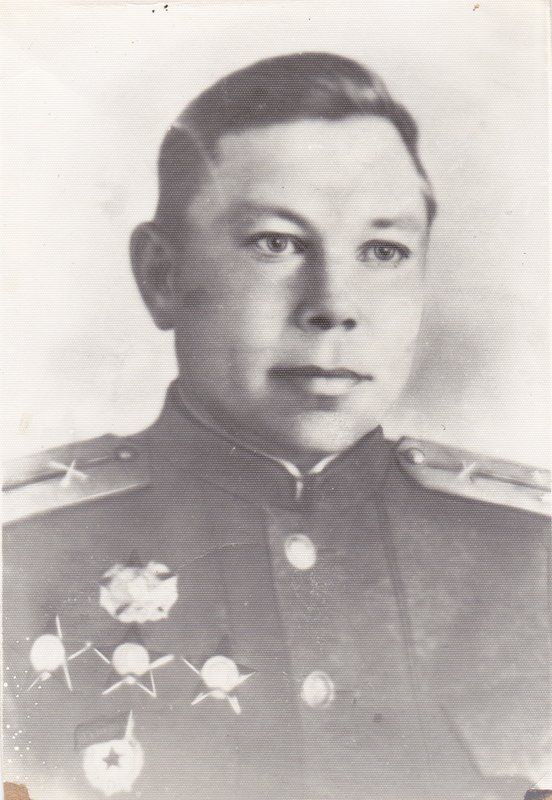


Gryaznov Vasily Ivanovich
Rank: Red Army. Type of troops: - ground forces, - air force (except naval aviation), - coastal service, - troops of the NKVD, - border troops. Subdivision: 260th Infantry Kovel Red Banner Order of Suvorov Division. Drafted into the Red Army by the Elatomsky Military Commissariat in 1940. Mother, Pelageya Ivanovna Gryaznova. Home address: Ryazan Region, Elatomsky District, Yelatma Village, Karl Marx Square, Building 1. Submachine gunner of the 1028th Infantry Regiment of the 260th Infantry Division of the 4th Infantry Company, awarded the medal "For Courage" for being in battles for the settlements of Skulin and Belin, Kovelskoy district, Volyn region 03/16/17/1944 with the fire of his machine gun destroyed 7 German soldiers. 47th Army of the 1st Belorussian Front. Order dated 04/04/1944. - On May 3, 1942, a 1028 rifle regiment was formed from a separate battalion of the 55th rifle brigade in the town of Kolomna. Regiment commander st. Lieutenant Yakhin, Commissioner-Art. political instructor Kolobov. - September 4, 1942, the regiment arrived at the station. Ramon of the Voronezh region and made a 56-kilometer march to the area of the Zhivotino station. - On September 16, 1942, the regiment disembarked in the area of the Ilovnya station of the Stalingrad region. During the unloading, the regiment came under the bombing of 9 fascist aircraft. - On September 18, 1942, after the march, the regiment arrived at the Kotluban station, located 38 kilometers north-east of Stalingrad, in which fierce battles were raging. - On September 20, 1942, the regiment received its baptism of fire. The regiment was tasked with taking the height 154.2 and reaching the Borodkin farm. The regiment was not fired upon. The command staff had no experience and therefore, after two days of fighting, the regiment lost its main command staff and up to 65% of the rank and file and non-commissioned officers. But the morale of the regiment was not broken! - September 23, 1942, having overcome the fierce resistance of a well-armed and experienced enemy, the regiment captured the height of 143.8. Large losses in the regiment. - On September 24 and 25, the enemy repelled the attacks of the regiment. German aviation hung over our battle formations and bombed us continuously. Strong mortar fire and small arms cut everything in its path. Despite the losses and infernal fire of the enemy, the regiment conducted active hostilities until November 9, 1942, holding down significant enemy forces, preventing them from being transferred to the main direction, where the fate of the Stalingrad operation was being decided. - On November 9, 1942, the regiment was transferred to the defense of the Anna Ioannovna rampart, a spur of the Konnaya gully, Rooks. He held the defense there until December 9, 1942. Then he was transferred to the command reserve. - On January 19, 1943, the regiment, together with the division, went on the offensive. The task is to defeat the enemy grouping. The following settlements were liberated: Borotkin, Novaya Nadezhda, Uvarovka ... Having liberated 12 settlements, he took the direction to the Krasny Oktyabr plant. On the night of February 2, 1942, the regimental reconnaissance, led by Senior Lieutenant Trashkov, captured the headquarters of the 60th Grenadier Division of the enemy, capturing the command and 12 staff officers. In the headquarters dugout, the Red Banner of an unknown Soviet military unit was found. And on the afternoon of February 2, the regiment, together with other parts of the division, liberated the village of Barrikady and cleared the village of the Stalingrad Tractor Plant from the enemy. At 14 o'clock on February 2, 1943, the regiment, by order of the command, ceased hostilities. - On April 17, the regiment arrived at the Prisady station of the Tula region. Placed in the settlements: Sergievskoe, Kamenka and Vyevka. Here the regiment was replenished and conducted systematic exercises according to a two-month program. - from May 27 to June 2, 1943, the regiment was on the march (30-40 km per day), continuing combat training, in Yegoryevskoe, Kaluga, Tula region. - from June 15 to July 6, 1943, he carried out engineering and defensive work in the Nelyubovo area of the Kozelsky district of the Oryol region (this was associated with the Kursk-Oryol arc). - July 14, 1943. The period of formation and combat training of the regiment is over. Now the regiment had 157 officers, 437 sergeants, 1278 privates, 235 horses. Ammunition for one ammunition, fuel - for three refueling. - From July 14, 1943, the regiment fought offensive battles in the Oryol region. The enemy continuously counterattacked with infantry and tanks. Despite the fierce resistance of the enemy, the regiment successfully moved forward, liberating the settlements: Tupik, Sugar field, Debriki, Pavlovka. He crossed the Ogor River. - On September 12, together with other parts of the division, he liberated the village of Cementnoe (now the city of Fokino) and on September 15 reached the Bolva River. - On September 14, the regiment crossed the Bolva River, liberating the settlements: Darkovichi, Krasnovichi. He crossed the Kolpita River, liberating the settlements: Kosichi and Dubrovka on October 2, 1943, he reached the village of Guda Osipovskaya, Belorussian SSR. - From October 25 to November 1, the regiment marched to the village of Zhgunka Buda (20 kilometers east of the city of Gomel). - From 3 to 7 November, the regiment made the transition to the Roslavl district of the Smolensk region for formation.After graduating from the formation, the regiment took part in hostilities from November 10, 1943 in the area of Rudnya. He forced the river Sozh, liberated the Old Village, the Golden Horn, Budennovskoe. - From November 27 to December 2, pursuing the retreating enemy, the regiment liberated the settlements: Koshelevo, Buda Koshelevskaya, Potapovka, Demino, Zababie, Khmelnoe. - On December 5, the regiment captured the stronghold of the village. Quarter, but had no success in the battle for the height of 125.5. - From December 27 to January 23, the regiment was on the defensive in the Gomel region (settlements: Kolybovka, Edakovo pole, Proskurin, Zaton). - On January 29, 1944, the regiment arrived on a march to Koshelevo, Gomel region. Then he was transferred to Kyurasovo, Kursk region, for training and rest. After that, he arrived in Rerbche Belke, Rivne region, having a strength of 171 officers, 379 sergeants, 1252 privates. The regiment numbered horses: 15 riding, 70 artillery, 127 transport. And also 552 rifles, 54 sniper rifles, 328 carbines, 416 ppsh. Machine guns: 72 manual and 27 easel. Mortars: 13-50mm, 17-82mm, 6-120mm. Guns: 12 - 45 mm, 4 - 75 mm. Required ammunition. Until March 15, 1944, the regiment was in the reserve of the division. - From March 15, 1944 to the first days of April, the regiment fought offensive battles in the Volyn region, liberating: Cheremyshno, Skulin, Belin, Stebl, Kolodnitsa. They went to the north-eastern outskirts of the city of Kovel, a large railway junction. Near Kovel, the regiment was in a fierce defense until July 5. Reconnaissance, reconnaissance in force, identification of enemy fire weapons were carried out. - On July 5, 1944, the city of Kovel and the village of Old Koshary were liberated. - From July 14 to July 20, the regiment was in the second echelon. - From July 21, 1944, the regiment, crossing the river. Western Bug, led hostilities to clear the Polish land from the Nazis. The following were released: Zabuzhie, Osova, Zhukarny, Starino, Sukhovo, Lyuban, Lipuvko, Vygalov, Pakhola, Kalin, Kolyano, Kolushin, Klush, Rodzimin, Zelenka, Charna Struga, Minsk Mozovetsky, Stanislavov, Marki, Rembertuv, Rembelshchinzna , Kolebyaki, Olshevnica stara, Olshevnica Nova. - On January 16, 1945, the regiment crossed the river. Vistula, liberating the village of Lomna, flour mill. - January 25, 1945 liberated Bromberg (Vygdosch). - On January 27, 1945, the regiment crossed the Polish-German border, capturing the cities: Schneidemühl, Zabov, Gisental, Glin, Kolov ... - From March 22 to April 14, 1945, the regiment was on replenishment and rest. - April 14, 1945 crossed the Oder River. - On April 16, the Oder offensive began. The cities of Britzen, Ketzin, Bradenburg, Berlin were taken.
Gryaznov Vasily Ivanovich
Rank: Red Army. Type of troops: - ground forces, - air force (except naval aviation), - coastal service, - troops of the NKVD, - border troops. Subdivision: 260th Infantry Kovel Red Banner Order of Suvorov Division. Drafted into the Red Army by the Elatomsky Military Commissariat in 1940. Mother, Pelageya Ivanovna Gryaznova. Home address: Ryazan Region, Elatomsky District, Yelatma Village, Karl Marx Square, Building 1. Submachine gunner of the 1028th Infantry Regiment of the 260th Infantry Division of the 4th Infantry Company, awarded the medal "For Courage" for being in battles for the settlements of Skulin and Belin, Kovelskoy district, Volyn region 03/16/17/1944 with the fire of his machine gun destroyed 7 German soldiers. 47th Army of the 1st Belorussian Front. Order dated 04/04/1944. - On May 3, 1942, a 1028 rifle regiment was formed from a separate battalion of the 55th rifle brigade in the town of Kolomna. Regiment commander st. Lieutenant Yakhin, Commissioner-Art. political instructor Kolobov. - September 4, 1942, the regiment arrived at the station. Ramon of the Voronezh region and made a 56-kilometer march to the area of the Zhivotino station. - On September 16, 1942, the regiment disembarked in the area of the Ilovnya station of the Stalingrad region. During the unloading, the regiment came under the bombing of 9 fascist aircraft. - On September 18, 1942, after the march, the regiment arrived at the Kotluban station, located 38 kilometers north-east of Stalingrad, in which fierce battles were raging. - On September 20, 1942, the regiment received its baptism of fire. The regiment was tasked with taking the height 154.2 and reaching the Borodkin farm. The regiment was not fired upon. The command staff had no experience and therefore, after two days of fighting, the regiment lost its main command staff and up to 65% of the rank and file and non-commissioned officers. But the morale of the regiment was not broken! - September 23, 1942, having overcome the fierce resistance of a well-armed and experienced enemy, the regiment captured the height of 143.8. Large losses in the regiment. - On September 24 and 25, the enemy repelled the attacks of the regiment. German aviation hung over our battle formations and bombed us continuously. Strong mortar fire and small arms cut everything in its path. Despite the losses and infernal fire of the enemy, the regiment conducted active hostilities until November 9, 1942, holding down significant enemy forces, preventing them from being transferred to the main direction, where the fate of the Stalingrad operation was being decided. - On November 9, 1942, the regiment was transferred to the defense of the Anna Ioannovna rampart, a spur of the Konnaya gully, Rooks. He held the defense there until December 9, 1942. Then he was transferred to the command reserve. - On January 19, 1943, the regiment, together with the division, went on the offensive. The task is to defeat the enemy grouping. The following settlements were liberated: Borotkin, Novaya Nadezhda, Uvarovka ... Having liberated 12 settlements, he took the direction to the Krasny Oktyabr plant. On the night of February 2, 1942, the regimental reconnaissance, led by Senior Lieutenant Trashkov, captured the headquarters of the 60th Grenadier Division of the enemy, capturing the command and 12 staff officers. In the headquarters dugout, the Red Banner of an unknown Soviet military unit was found. And on the afternoon of February 2, the regiment, together with other parts of the division, liberated the village of Barrikady and cleared the village of the Stalingrad Tractor Plant from the enemy. At 14 o'clock on February 2, 1943, the regiment, by order of the command, ceased hostilities. - On April 17, the regiment arrived at the Prisady station of the Tula region. Placed in the settlements: Sergievskoe, Kamenka and Vyevka. Here the regiment was replenished and conducted systematic exercises according to a two-month program. - from May 27 to June 2, 1943, the regiment was on the march (30-40 km per day), continuing combat training, in Yegoryevskoe, Kaluga, Tula region. - from June 15 to July 6, 1943, he carried out engineering and defensive work in the Nelyubovo area of the Kozelsky district of the Oryol region (this was associated with the Kursk-Oryol arc). - July 14, 1943. The period of formation and combat training of the regiment is over. Now the regiment had 157 officers, 437 sergeants, 1278 privates, 235 horses. Ammunition for one ammunition, fuel - for three refueling. - From July 14, 1943, the regiment fought offensive battles in the Oryol region. The enemy continuously counterattacked with infantry and tanks. Despite the fierce resistance of the enemy, the regiment successfully moved forward, liberating the settlements: Tupik, Sugar field, Debriki, Pavlovka. He crossed the Ogor River. - On September 12, together with other parts of the division, he liberated the village of Cementnoe (now the city of Fokino) and on September 15 reached the Bolva River. - On September 14, the regiment crossed the Bolva River, liberating the settlements: Darkovichi, Krasnovichi. He crossed the Kolpita River, liberating the settlements: Kosichi and Dubrovka on October 2, 1943, he reached the village of Guda Osipovskaya, Belorussian SSR. - From October 25 to November 1, the regiment marched to the village of Zhgunka Buda (20 kilometers east of the city of Gomel). - From 3 to 7 November, the regiment made the transition to the Roslavl district of the Smolensk region for formation.After graduating from the formation, the regiment took part in hostilities from November 10, 1943 in the area of Rudnya. He forced the river Sozh, liberated the Old Village, the Golden Horn, Budennovskoe. - From November 27 to December 2, pursuing the retreating enemy, the regiment liberated the settlements: Koshelevo, Buda Koshelevskaya, Potapovka, Demino, Zababie, Khmelnoe. - On December 5, the regiment captured the stronghold of the village. Quarter, but had no success in the battle for the height of 125.5. - From December 27 to January 23, the regiment was on the defensive in the Gomel region (settlements: Kolybovka, Edakovo pole, Proskurin, Zaton). - On January 29, 1944, the regiment arrived on a march to Koshelevo, Gomel region. Then he was transferred to Kyurasovo, Kursk region, for training and rest. After that, he arrived in Rerbche Belke, Rivne region, having a strength of 171 officers, 379 sergeants, 1252 privates. The regiment numbered horses: 15 riding, 70 artillery, 127 transport. And also 552 rifles, 54 sniper rifles, 328 carbines, 416 ppsh. Machine guns: 72 manual and 27 easel. Mortars: 13-50mm, 17-82mm, 6-120mm. Guns: 12 - 45 mm, 4 - 75 mm. Required ammunition. Until March 15, 1944, the regiment was in the reserve of the division. - From March 15, 1944 to the first days of April, the regiment fought offensive battles in the Volyn region, liberating: Cheremyshno, Skulin, Belin, Stebl, Kolodnitsa. They went to the north-eastern outskirts of the city of Kovel, a large railway junction. Near Kovel, the regiment was in a fierce defense until July 5. Reconnaissance, reconnaissance in force, identification of enemy fire weapons were carried out. - On July 5, 1944, the city of Kovel and the village of Old Koshary were liberated. - From July 14 to July 20, the regiment was in the second echelon. - From July 21, 1944, the regiment, crossing the river. Western Bug, led hostilities to clear the Polish land from the Nazis. The following were released: Zabuzhie, Osova, Zhukarny, Starino, Sukhovo, Lyuban, Lipuvko, Vygalov, Pakhola, Kalin, Kolyano, Kolushin, Klush, Rodzimin, Zelenka, Charna Struga, Minsk Mozovetsky, Stanislavov, Marki, Rembertuv, Rembelshchinzna , Kolebyaki, Olshevnica stara, Olshevnica Nova. - On January 16, 1945, the regiment crossed the river. Vistula, liberating the village of Lomna, flour mill. - January 25, 1945 liberated Bromberg (Vygdosch). - On January 27, 1945, the regiment crossed the Polish-German border, capturing the cities: Schneidemühl, Zabov, Gisental, Glin, Kolov ... - From March 22 to April 14, 1945, the regiment was on replenishment and rest. - April 14, 1945 crossed the Oder River. - On April 16, the Oder offensive began. The cities of Britzen, Ketzin, Bradenburg, Berlin were taken.
0 comment



2026 © Russian Military Historical Society Developed by Jetmix