

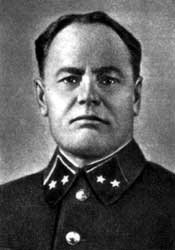


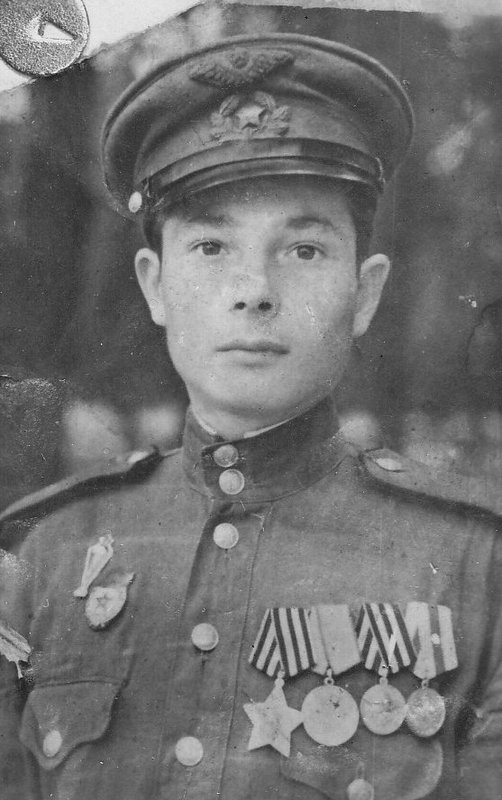
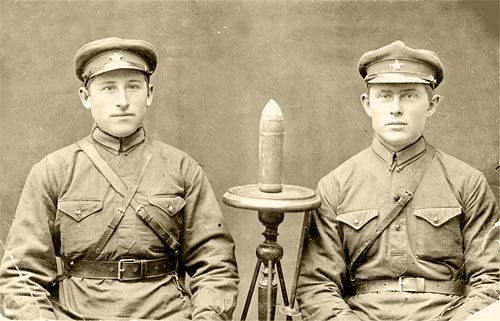

Gorodovikov Basan Badminovich
Rank: Lieutenant General. Type of troops: Ground Forces, Air Force (except for naval aviation), coastal service, NKVD troops, border troops. Subdivision: 184th Infantry Dukhovshchinskaya Red Banner Orders of Suvorov and Kutuzov Division. From an autobiography (dated June 13, 1947): Born in the farm Mokraya Elmut, Proletarsky district of Rostov region. Father died in 1924, mother in 1927. Ex-brothers and sisters, 5 older than me and 5 younger than me, all died at different times. After the death of his father, he was dependent on Oka Ivanovich Gorodovikov's uncle, with his assistance and assistance he continued his studies at the age of nine until 1927, in the village of Proletarskaya. In 1924 he joined the pioneers, in 1925 - the Komsomol, in 1927, according to the regional committee of the Komsomol, after graduating from the 8th group of nine years, he was sent to the city of Krasnodar to the North Caucasian Mountain Nationalities Cavalry School. He graduated from school on April 30, 1930. In view of the fact that he graduated from school in the top ten, who had the right to choose a place of service, he was appointed to his stanitsa Proletarskaya as platoon commander of the 76th Cavalry Regiment of the 12th Cavalry Division. In June of the same year, he was transferred to the 30th Saratov Red Banner Cavalry Regiment of the 5th Blinovskaya Cavalry Division, where until the fall of 1931 he was a platoon commander and a regimental school, in the fall of 1931 in the same regiment, located in the city of Novocherkassk, he was appointed commander Cavalry squadron. In May 1932, the division was transferred to the city of Zhitomir, where he stayed in this division and in his previous position until May 1935. In May 1935, having successfully passed the exams, he was admitted to the Frunze Military Academy. After graduating from the Frunze Academy in 1938, he was appointed commander of the 115th Cavalry Regiment of the 8th Cavalry Division in the city of Kamen-Rybolov, Primorsky Territory. In 1940, from this position, by special recruitment, he was sent to study at the Air Force Academy in the city of Monino at the Faculty of Operations, where the students of this faculty were preparing for the position of the newly organized air divisions. In April 1941, as part of the entire faculty, he was sent to the Serpukhov Aviation School, which he graduated in June of the same year, with the title of pilot with aerobatics. With the declaration of war, in view of the fact that they did not manage to deploy the air division, he was summoned to Marshal Comrade Voroshilov and appointed to the newly formed separate 48th Cavalry Division as commander of the 71st Cavalry Regiment in the Poltava region. After the formation, the division was transferred to the Crimea, where it participated in battles from October 1941 in the Ishun positions and defended its sector until the enemy, by roundabout actions and landing, took Semfiropol and Feodosia. Attempts to break through to Kerch, and then to Sevastopol, were unsuccessful, eventually breaking through into the Crimean mountains. On the night of November 7, 1941, the Divisional Commander instructed me to lead the column, he himself with a group of fighters, without telling anyone, went through the mountains in the Sevastopol direction. With the division commissar, regimental commissar comrade Popov, and the division chief of staff, colonel comrade Lobovoy, the remnants of the division were withdrawn to the Crimean partisans, where he took command of the Red Army partisan detachment, and subsequently commanded the first partisan region of the partisan movement of Crimea. During the period of partisan actions, he was awarded the Order of the Red Banner and was awarded the next rank of Colonel. On June 15, 1942, he was evacuated from the position of commander of the partisan region for health reasons by plane on the orders of the Commander of the Crimean Front. After vacation on August 3, 1942, he was appointed deputy commander of the 251st Infantry Division for combat units. On August 8, 1942, after being removed from office as a division commander, he was appointed commander of the same division of the 20th Army of the Western Front. In June 1943, he was appointed Commander of the 85th Guards Rifle Division of the 10th Guards Army. In July 1944 he was transferred from the 2nd Baltic Front from the post of commander of the 85th Guards specialist subunit for the position of commander of the 184th Rifle division of the 5th Army of the Western Front, where he participated in the Vitebsk breakthrough until the end of the campaign in East Prussia. In April 1945, as part of the 5th Army, he was transferred with his division to the Far East to the Primorsky Front. In May 1945, he was appointed commander of the 63rd Rifle division, intended for operations in the main direction, and with this division reached the city of Jirin (Manchuria). In September 1945, from the city of Girin, he was recalled to study in the city of Moscow at the Higher Attestation Commission of the Voroshilov Academy, from which he graduated on January 25, 1946. During the Patriotic War, he was wounded once seriously, four times lightly. On April 25, 1946, he was appointed commander of the 12th Guards Mechanized infantry. Member of the CPSU (b) since October 1939. I have no party penalties. I have no convictions and no convictions, as well as through my relatives and relatives of my wife. I was abroad only with troops. In the occupied territory, my closest relatives and my wife were not, and they were never deprived of voting rights. I have never been in captivity. I have not been to other parties and oppositions.I have no relatives abroad or through my wife. He was married once, was married in 1938 in the city of Moscow, had no other marriages. Family composition: wife Nona Sanji-Gariaevna Gorodovikova, born in 1917 from a family of workers of a fish factory of the village Kanukovo, Astrakhan region; daughter Zoya Basanovna Gorodovikova, born in 1937; daughter Omlta Basanovna Gorodovikova, born in 1939; daughter Bova Basanovna Gorodovikova, born in 1941; son Basan Basanovich Gorodovikov, born in 1945. From 1978 he lived in Moscow, where he died on August 17, 1983. He was buried at the Novodevichy cemetery in Moscow.
Gorodovikov Basan Badminovich
Rank: Lieutenant General. Type of troops: Ground Forces, Air Force (except for naval aviation), coastal service, NKVD troops, border troops. Subdivision: 184th Infantry Dukhovshchinskaya Red Banner Orders of Suvorov and Kutuzov Division. From an autobiography (dated June 13, 1947): Born in the farm Mokraya Elmut, Proletarsky district of Rostov region. Father died in 1924, mother in 1927. Ex-brothers and sisters, 5 older than me and 5 younger than me, all died at different times. After the death of his father, he was dependent on Oka Ivanovich Gorodovikov's uncle, with his assistance and assistance he continued his studies at the age of nine until 1927, in the village of Proletarskaya. In 1924 he joined the pioneers, in 1925 - the Komsomol, in 1927, according to the regional committee of the Komsomol, after graduating from the 8th group of nine years, he was sent to the city of Krasnodar to the North Caucasian Mountain Nationalities Cavalry School. He graduated from school on April 30, 1930. In view of the fact that he graduated from school in the top ten, who had the right to choose a place of service, he was appointed to his stanitsa Proletarskaya as platoon commander of the 76th Cavalry Regiment of the 12th Cavalry Division. In June of the same year, he was transferred to the 30th Saratov Red Banner Cavalry Regiment of the 5th Blinovskaya Cavalry Division, where until the fall of 1931 he was a platoon commander and a regimental school, in the fall of 1931 in the same regiment, located in the city of Novocherkassk, he was appointed commander Cavalry squadron. In May 1932, the division was transferred to the city of Zhitomir, where he stayed in this division and in his previous position until May 1935. In May 1935, having successfully passed the exams, he was admitted to the Frunze Military Academy. After graduating from the Frunze Academy in 1938, he was appointed commander of the 115th Cavalry Regiment of the 8th Cavalry Division in the city of Kamen-Rybolov, Primorsky Territory. In 1940, from this position, by special recruitment, he was sent to study at the Air Force Academy in the city of Monino at the Faculty of Operations, where the students of this faculty were preparing for the position of the newly organized air divisions. In April 1941, as part of the entire faculty, he was sent to the Serpukhov Aviation School, which he graduated in June of the same year, with the title of pilot with aerobatics. With the declaration of war, in view of the fact that they did not manage to deploy the air division, he was summoned to Marshal Comrade Voroshilov and appointed to the newly formed separate 48th Cavalry Division as commander of the 71st Cavalry Regiment in the Poltava region. After the formation, the division was transferred to the Crimea, where it participated in battles from October 1941 in the Ishun positions and defended its sector until the enemy, by roundabout actions and landing, took Semfiropol and Feodosia. Attempts to break through to Kerch, and then to Sevastopol, were unsuccessful, eventually breaking through into the Crimean mountains. On the night of November 7, 1941, the Divisional Commander instructed me to lead the column, he himself with a group of fighters, without telling anyone, went through the mountains in the Sevastopol direction. With the division commissar, regimental commissar comrade Popov, and the division chief of staff, colonel comrade Lobovoy, the remnants of the division were withdrawn to the Crimean partisans, where he took command of the Red Army partisan detachment, and subsequently commanded the first partisan region of the partisan movement of Crimea. During the period of partisan actions, he was awarded the Order of the Red Banner and was awarded the next rank of Colonel. On June 15, 1942, he was evacuated from the position of commander of the partisan region for health reasons by plane on the orders of the Commander of the Crimean Front. After vacation on August 3, 1942, he was appointed deputy commander of the 251st Infantry Division for combat units. On August 8, 1942, after being removed from office as a division commander, he was appointed commander of the same division of the 20th Army of the Western Front. In June 1943, he was appointed Commander of the 85th Guards Rifle Division of the 10th Guards Army. In July 1944 he was transferred from the 2nd Baltic Front from the post of commander of the 85th Guards specialist subunit for the position of commander of the 184th Rifle division of the 5th Army of the Western Front, where he participated in the Vitebsk breakthrough until the end of the campaign in East Prussia. In April 1945, as part of the 5th Army, he was transferred with his division to the Far East to the Primorsky Front. In May 1945, he was appointed commander of the 63rd Rifle division, intended for operations in the main direction, and with this division reached the city of Jirin (Manchuria). In September 1945, from the city of Girin, he was recalled to study in the city of Moscow at the Higher Attestation Commission of the Voroshilov Academy, from which he graduated on January 25, 1946. During the Patriotic War, he was wounded once seriously, four times lightly. On April 25, 1946, he was appointed commander of the 12th Guards Mechanized infantry. Member of the CPSU (b) since October 1939. I have no party penalties. I have no convictions and no convictions, as well as through my relatives and relatives of my wife. I was abroad only with troops. In the occupied territory, my closest relatives and my wife were not, and they were never deprived of voting rights. I have never been in captivity. I have not been to other parties and oppositions.I have no relatives abroad or through my wife. He was married once, was married in 1938 in the city of Moscow, had no other marriages. Family composition: wife Nona Sanji-Gariaevna Gorodovikova, born in 1917 from a family of workers of a fish factory of the village Kanukovo, Astrakhan region; daughter Zoya Basanovna Gorodovikova, born in 1937; daughter Omlta Basanovna Gorodovikova, born in 1939; daughter Bova Basanovna Gorodovikova, born in 1941; son Basan Basanovich Gorodovikov, born in 1945. From 1978 he lived in Moscow, where he died on August 17, 1983. He was buried at the Novodevichy cemetery in Moscow.
0 comment



2026 © Russian Military Historical Society Developed by Jetmix