

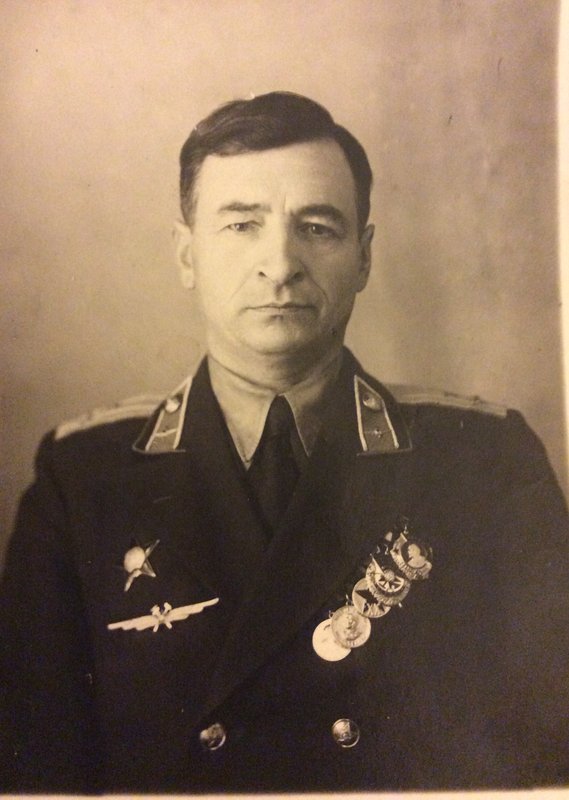

Gryaznov Alexander Semyonovich
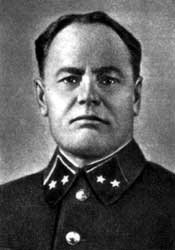
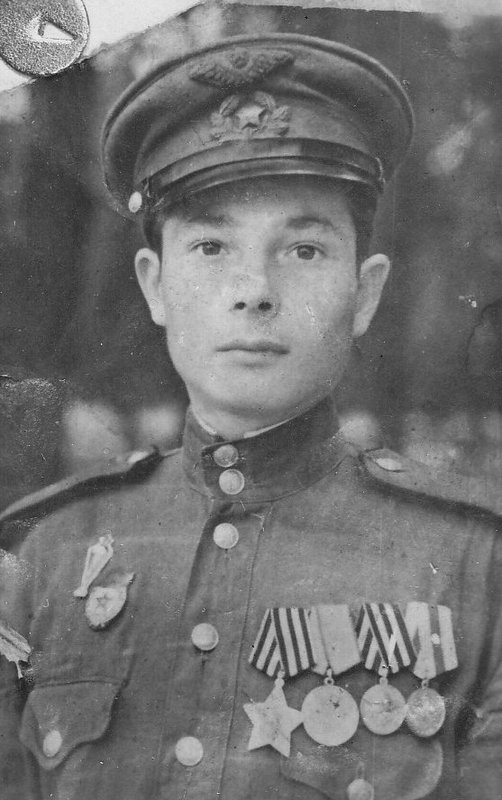
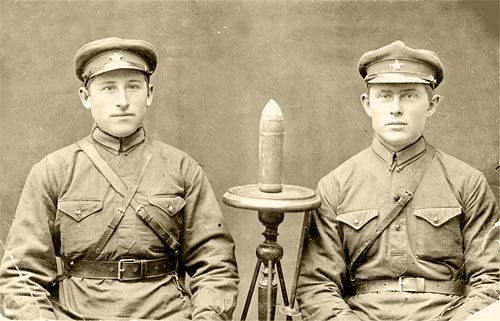
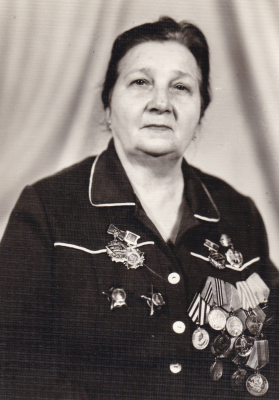
Corporal. Armored and mechanized troops. The 1941-1945 war entered people's hearts with fire. For 6 long years my father, Gryaznov Alexander Semenovich, Guard corporal of the 8th, and then the 3rd separate Guards motorcycle Galatian order of Bogdan Khmelnitsky, II degree of the regiment, was a soldier. My father Gryaznov Alexander Semenovich is a participant of the Great Patriotic War, from its very first days. In 1940 he was called up to serve in the Red Army. The regiment on June 21, 1941 arrived from the Trans-Baikal District to the territory of the western border district of Ukraine, to the area of Berdichev, near Shepetovka. On the night of June 21-22, my father stood guard on the watchtower. At 4 o'clock the bombing began. On June 28, the regiment took the first battle in the Slavuta area, then the regiment was transferred to Orsha, then to Smolensk. During the Smolensk operation, for the first time in the history of World War II, the soldiers of the Red Army forced the German troops to go on the defensive. And here is what my father told about the Solovievskaya crossing: “they crossed at night, as best they could, and by swimming and on rafts - people, equipment, horses. The Germans fiercely bombed and fired; the crossing did not stop under this heavy fire. And in the river there was not water, all blood - people, horses. The shells were bursting overhead, and in order to escape and cross, one had to swim under this bloody water, next to the dead bodies of comrades. The breakthrough was carried out in early August, the regiment, leaving the encirclement (about 300 motorcyclists), destroyed a whole German landing near the village of Solovyovo. The regiment was badly damaged and surrounded. He personally saved the commander P.A. Belik. and brought him out of the environment. After heavy, fierce battles, the regiment was transferred to the Kalinin Front, then to Moscow. In the Defensive Battles for Moscow, the regiment fought to the death, went hand-to-hand. The Germans were not allowed, they blew up bridges, mined them. When they stood firmly on the Moscow-Minsk highway, the Germans bypassed it from one side or the other, and they already found themselves in the German rear, at night they had to leave this German rear again to their troops. Further Voronezh front, Stalingrad. The regiment became famous during the operation to defeat the German troops behind enemy lines at Stalingrad. My father said that they moved only at night, in unfamiliar terrain, off-road, almost by touch. For this operation, the regiment received the rank of the 3rd separate Guards motorcycle regiment. The order was signed by Stalin. He spent almost the entire war on the front line, in motor reconnaissance. I went first to many cities and villages, because first they went - motor reconnaissance, then the main parts. For two war winters, he never slept indoors. He was wounded several times, contused, shrapnel came out of his wounds after the war, but he did not have a single certificate from hospitals about the wound. He did not take them, ran away, caught up with his part. I know that during the war he possessed courage and heroism. He was called Sashka Chkalov in the regiment. Here is one of his stories about front-line friendship. Once they went deep into the rear of the enemy in complete isolation from the main units. They faced the Germans, there was a short battle, as a result of which the scouts had to retreat, but his friend Ivan Shershavin was captured. Then my father, and with him the submachine gunner, turned the motorcycle, with a firm decision to beat off his friend. The Germans had already taken Shershavin to the commandant's office, and they did not expect that one Russian motorcyclist with a submachine gunner would perform such actions. At a speed, he drove up and shouted: "Roly, jump." Ivan jumped into the carriage. They shot back, my father was wounded, but he saved a friend. They both celebrated Victory Day! After the decisive battles at Stalingrad, the 3rd Motorcycle Regiment, consisting of the Stalingrad, Steppe, Voronezh and 3rd Ukrainian Front, moved westward. Participated in the liberation of cities: Dnepropetrovsk, Odessa, Nikolaev; countries: Romania (Galati, Brailov. Izmail, Bucharest); Bulgaria (Shumen, Yambul, Sofia); Yugoslavia (Belgrade); Hungary (Budapest); Austria (Vienna) and many other small towns and villages, stations and farms. There were very heavy battles in Ukraine and Moldova. My father said that the regiment crossed the Dniester on the march, where it met organized resistance from the enemy. The exploding shells were as bright as day. And he accidentally survived this crossing. By order of Stalin dated 09.09.1944, the regiment, which distinguished itself in battles with the German invaders, was given the name "Galatsky" for the capture of the city of Galati. Military awards include the Order of the Red Star, medals "For the Defense of Moscow", "For Victory over Germany in the Great Patriotic War of 1941-1945." Order of the Patriotic War II degree in 1985. Although my father's name was not known during the Great Patriotic War, but like any unknown warrior, he made his invaluable contribution to the cause of our Great Victory!
Gryaznov Alexander Semyonovich
Corporal. Armored and mechanized troops. The 1941-1945 war entered people's hearts with fire. For 6 long years my father, Gryaznov Alexander Semenovich, Guard corporal of the 8th, and then the 3rd separate Guards motorcycle Galatian order of Bogdan Khmelnitsky, II degree of the regiment, was a soldier. My father Gryaznov Alexander Semenovich is a participant of the Great Patriotic War, from its very first days. In 1940 he was called up to serve in the Red Army. The regiment on June 21, 1941 arrived from the Trans-Baikal District to the territory of the western border district of Ukraine, to the area of Berdichev, near Shepetovka. On the night of June 21-22, my father stood guard on the watchtower. At 4 o'clock the bombing began. On June 28, the regiment took the first battle in the Slavuta area, then the regiment was transferred to Orsha, then to Smolensk. During the Smolensk operation, for the first time in the history of World War II, the soldiers of the Red Army forced the German troops to go on the defensive. And here is what my father told about the Solovievskaya crossing: “they crossed at night, as best they could, and by swimming and on rafts - people, equipment, horses. The Germans fiercely bombed and fired; the crossing did not stop under this heavy fire. And in the river there was not water, all blood - people, horses. The shells were bursting overhead, and in order to escape and cross, one had to swim under this bloody water, next to the dead bodies of comrades. The breakthrough was carried out in early August, the regiment, leaving the encirclement (about 300 motorcyclists), destroyed a whole German landing near the village of Solovyovo. The regiment was badly damaged and surrounded. He personally saved the commander P.A. Belik. and brought him out of the environment. After heavy, fierce battles, the regiment was transferred to the Kalinin Front, then to Moscow. In the Defensive Battles for Moscow, the regiment fought to the death, went hand-to-hand. The Germans were not allowed, they blew up bridges, mined them. When they stood firmly on the Moscow-Minsk highway, the Germans bypassed it from one side or the other, and they already found themselves in the German rear, at night they had to leave this German rear again to their troops. Further Voronezh front, Stalingrad. The regiment became famous during the operation to defeat the German troops behind enemy lines at Stalingrad. My father said that they moved only at night, in unfamiliar terrain, off-road, almost by touch. For this operation, the regiment received the rank of the 3rd separate Guards motorcycle regiment. The order was signed by Stalin. He spent almost the entire war on the front line, in motor reconnaissance. I went first to many cities and villages, because first they went - motor reconnaissance, then the main parts. For two war winters, he never slept indoors. He was wounded several times, contused, shrapnel came out of his wounds after the war, but he did not have a single certificate from hospitals about the wound. He did not take them, ran away, caught up with his part. I know that during the war he possessed courage and heroism. He was called Sashka Chkalov in the regiment. Here is one of his stories about front-line friendship. Once they went deep into the rear of the enemy in complete isolation from the main units. They faced the Germans, there was a short battle, as a result of which the scouts had to retreat, but his friend Ivan Shershavin was captured. Then my father, and with him the submachine gunner, turned the motorcycle, with a firm decision to beat off his friend. The Germans had already taken Shershavin to the commandant's office, and they did not expect that one Russian motorcyclist with a submachine gunner would perform such actions. At a speed, he drove up and shouted: "Roly, jump." Ivan jumped into the carriage. They shot back, my father was wounded, but he saved a friend. They both celebrated Victory Day! After the decisive battles at Stalingrad, the 3rd Motorcycle Regiment, consisting of the Stalingrad, Steppe, Voronezh and 3rd Ukrainian Front, moved westward. Participated in the liberation of cities: Dnepropetrovsk, Odessa, Nikolaev; countries: Romania (Galati, Brailov. Izmail, Bucharest); Bulgaria (Shumen, Yambul, Sofia); Yugoslavia (Belgrade); Hungary (Budapest); Austria (Vienna) and many other small towns and villages, stations and farms. There were very heavy battles in Ukraine and Moldova. My father said that the regiment crossed the Dniester on the march, where it met organized resistance from the enemy. The exploding shells were as bright as day. And he accidentally survived this crossing. By order of Stalin dated 09.09.1944, the regiment, which distinguished itself in battles with the German invaders, was given the name "Galatsky" for the capture of the city of Galati. Military awards include the Order of the Red Star, medals "For the Defense of Moscow", "For Victory over Germany in the Great Patriotic War of 1941-1945." Order of the Patriotic War II degree in 1985. Although my father's name was not known during the Great Patriotic War, but like any unknown warrior, he made his invaluable contribution to the cause of our Great Victory!
0 comment



2026 © Russian Military Historical Society Developed by Jetmix