

Gubaev Nasretdin (Nasiry) Mavlyutovich
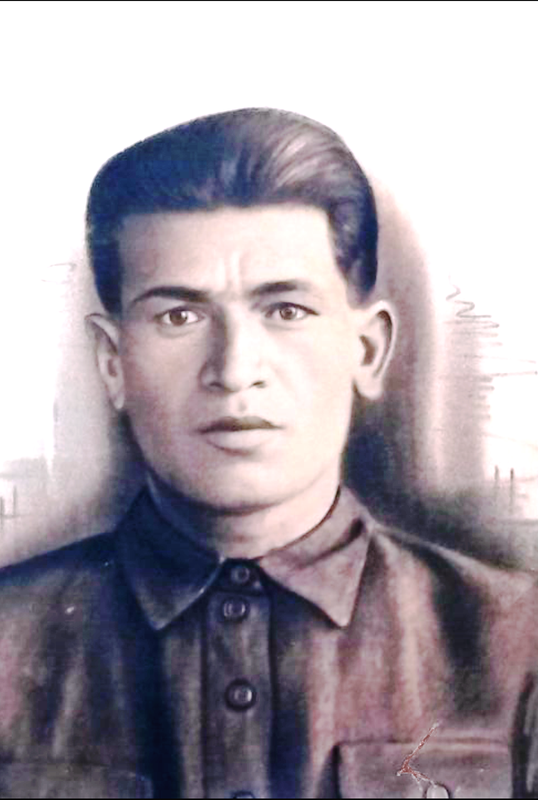
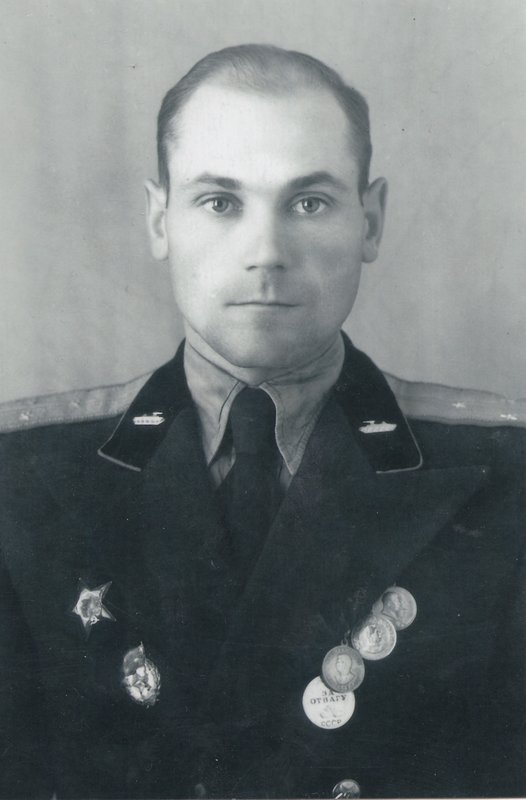
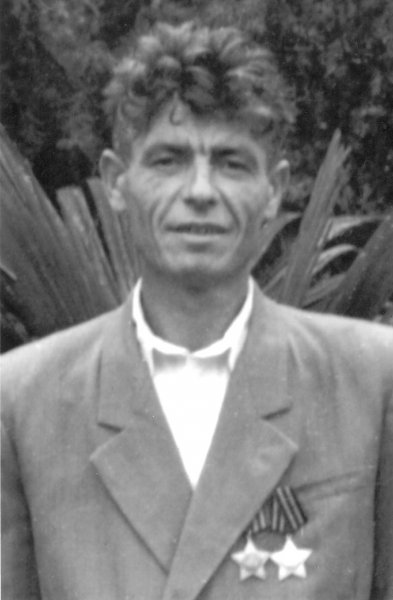
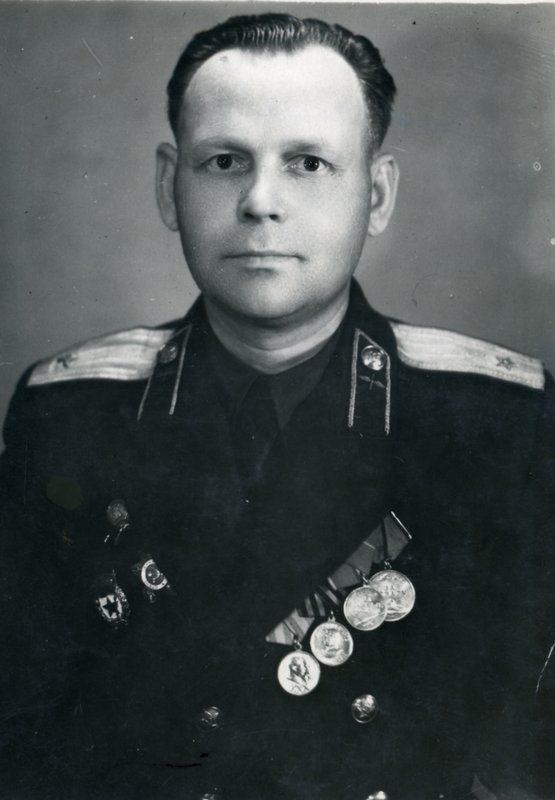
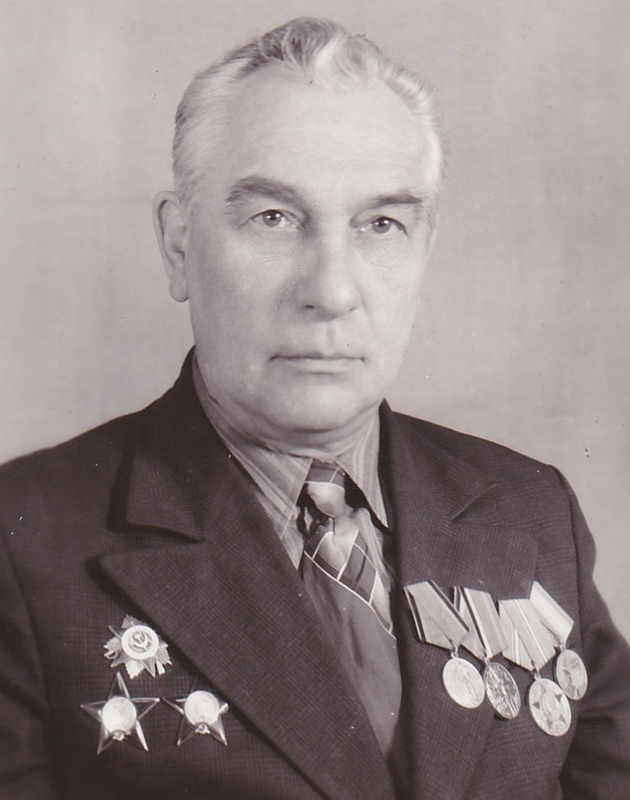
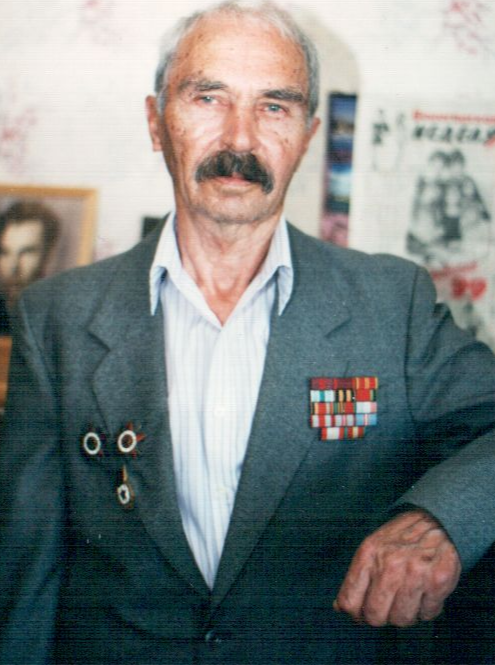
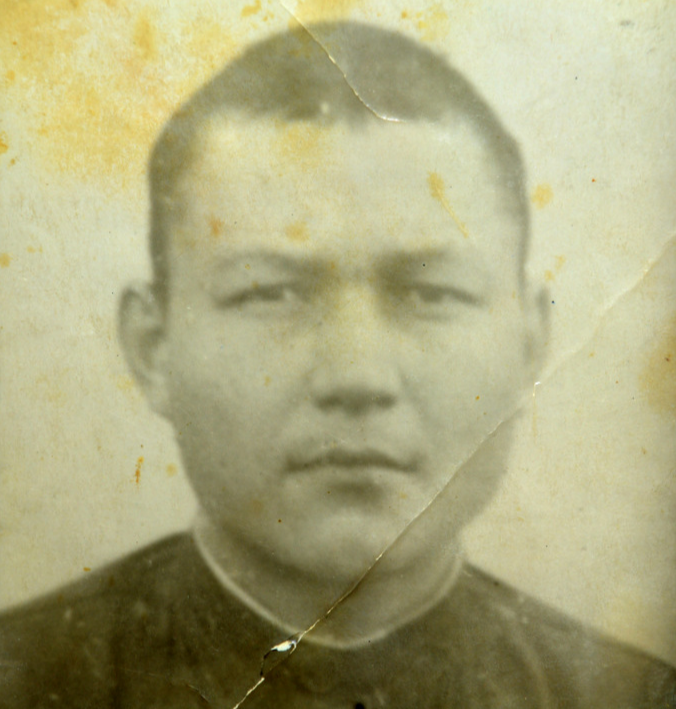
My father is a native of village Berdinish of the Kaslinsky district of the Chelyabinsk region - Gubaev N.M. lived a difficult but long, interesting and happy life. He grew up an orphan with relatives in the village Sary (Sarino) of the Kunashak district of the Chelyabinsk region. He managed to study well and earn extra money from early spring to late autumn. From this village he was escorted to the war in the summer of 1942. After a short course, he was sent to the first place of service - to accompany captured Nazis to Stalingrad. Already here he encountered the insolence and audacity of the Germans. The captured Germans, apparently, still believed in their indispensable victory and considered the captivity an accident. Despite his small stature compared to the sometimes two-meter Germans, he managed to teach them a lesson and take control of the situation. Dad grew up in difficult conditions of famine in the 1930s. When his mother died at 32, he worked, went in for sports, and was strong physically and mentally. At the age of 18, he swam across Lake Kaldy, near which the village is located. It was hard for the Soviet soldier in the infantry: many kilometers of marches with full weapons. But thanks to good physical shape, my father was on a par with everyone. He survived everything, conquered everything. In addition to physical exertion, mental loads cannot be compared, when after the mortar fire 3 people remained from the company. Including my father. When, during the minutes of such fire, black-haired youths became completely gray ... He went a long way as a warrior: from the gates of Stalingrad to Germany. He took part in many major battles. He fought on the Kursk Bulge - in the Belgorod - Kharkov direction. In the battles near Merefa, he was seriously wounded in the chest. In the area of the shoulder blades, a deep indentation remained for life, and on X-rays - a rectangular clear trace of a fragment. He was repeatedly wounded. But he got up again. The picture shows him in 1945 in Breslau. But even after the victory, for many months (until April 1946) he participated in the defeat of the Bandera gangs. Father until the end of his days loved and remembered his mother warmly. He loved children very much. With what bitterness he told us about the children released in the death camps. How afraid they were to believe they were released. They timidly touched his greatcoat ... Already in our time there were always sweets for children in his pockets. Dad talked a lot about the war. But, I think that he kept silent about many things, so as not to hurt us. Because the war is much more terrible and dirtier than one can talk about it ... Therefore, the message is so clear to us: "If only there was no war ..."
Gubaev Nasretdin (Nasiry) Mavlyutovich
My father is a native of village Berdinish of the Kaslinsky district of the Chelyabinsk region - Gubaev N.M. lived a difficult but long, interesting and happy life. He grew up an orphan with relatives in the village Sary (Sarino) of the Kunashak district of the Chelyabinsk region. He managed to study well and earn extra money from early spring to late autumn. From this village he was escorted to the war in the summer of 1942. After a short course, he was sent to the first place of service - to accompany captured Nazis to Stalingrad. Already here he encountered the insolence and audacity of the Germans. The captured Germans, apparently, still believed in their indispensable victory and considered the captivity an accident. Despite his small stature compared to the sometimes two-meter Germans, he managed to teach them a lesson and take control of the situation. Dad grew up in difficult conditions of famine in the 1930s. When his mother died at 32, he worked, went in for sports, and was strong physically and mentally. At the age of 18, he swam across Lake Kaldy, near which the village is located. It was hard for the Soviet soldier in the infantry: many kilometers of marches with full weapons. But thanks to good physical shape, my father was on a par with everyone. He survived everything, conquered everything. In addition to physical exertion, mental loads cannot be compared, when after the mortar fire 3 people remained from the company. Including my father. When, during the minutes of such fire, black-haired youths became completely gray ... He went a long way as a warrior: from the gates of Stalingrad to Germany. He took part in many major battles. He fought on the Kursk Bulge - in the Belgorod - Kharkov direction. In the battles near Merefa, he was seriously wounded in the chest. In the area of the shoulder blades, a deep indentation remained for life, and on X-rays - a rectangular clear trace of a fragment. He was repeatedly wounded. But he got up again. The picture shows him in 1945 in Breslau. But even after the victory, for many months (until April 1946) he participated in the defeat of the Bandera gangs. Father until the end of his days loved and remembered his mother warmly. He loved children very much. With what bitterness he told us about the children released in the death camps. How afraid they were to believe they were released. They timidly touched his greatcoat ... Already in our time there were always sweets for children in his pockets. Dad talked a lot about the war. But, I think that he kept silent about many things, so as not to hurt us. Because the war is much more terrible and dirtier than one can talk about it ... Therefore, the message is so clear to us: "If only there was no war ..."
0 comment



2026 © Russian Military Historical Society Developed by Jetmix