

Gunko Nikolay Ivanovich
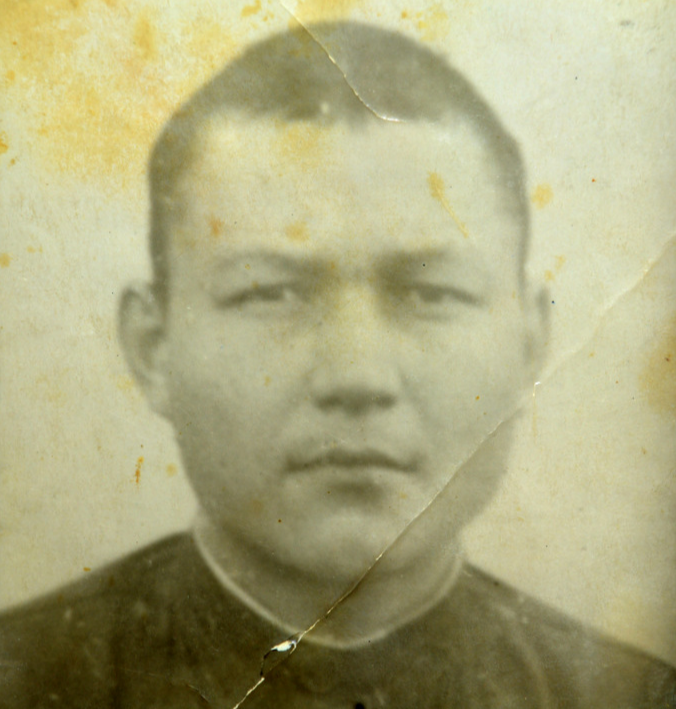
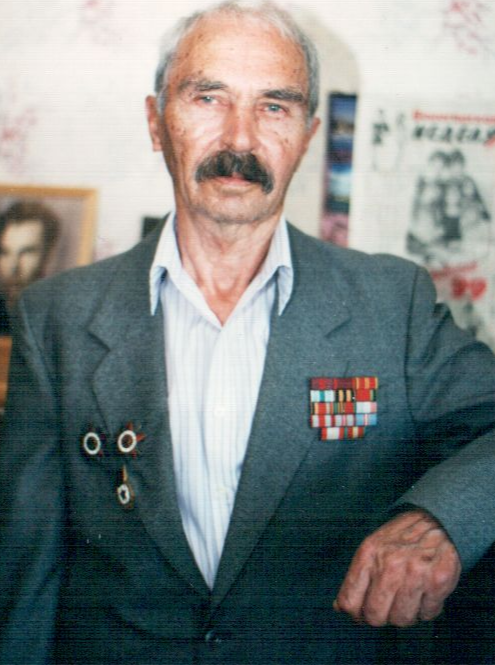
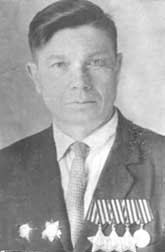
Always, at all times, Russian soldiers honorably performed their sacred duty to the Motherland. Poems, songs, books were written about them. There are very few heroes of the last war left. And in the festive columns, which in every village of our region are moving towards the Eternal Flame to honor the memory of the veterans of the Great Patriotic War. According to the chairman of the district council of veterans G.I. Zavalikhin, there will be only 56, gray-haired, hunched over, barely holding a step and straightening his shoulders and chest, weighed down by military orders and medals. Nikolai Ivanovich Gunko, our legendary compatriot-scout, will not be in their ranks, he remained in the hearts of relatives and friends, in a portrait on the Walk of Fame and in a modest light brown booklet, only 176 pages, which I now hold in my hands. "A story about a regimental intelligence officer" - this is how Alexander Skrabtsov, a correspondent of the regional newspaper "Selskaya Nov’", a member of the Union of Journalists of Russia, called his story. On the cover there is a portrait of a man with an open, cheerful look, exactly the same one is on the Walk of Fame. On the combat account of Nikolai Ivanovich there are more than 150 "languages", legends were made about the scout, the Nazis promised a large reward for his head, and his comrades in arms called him "Cat-2" / The author wrote his story during the hero's lifetime: this is a series of essays telling about N. Gunko as a soldier, intelligence officer, person. Sometimes A. Skrabtsov shifts the chronology of events, includes the memories of the protagonist, his fellow soldiers, but this only helps to reveal the character of Nikolai Ivanovich deeper. And before us stands, like a living, simple guy from a rural outback, a little above average height, dark-skinned, ordinary, only the look of his brown eyes, according to his friends, remained mocking and even insolent until the last days of his life. In the second essays, from the episode when Gunko woke up in June 1941 in a trench, buried alive with earth, and until the moment when the gallant soldier, who had finished counting with the war, got off the train at a small steppe station, the author proves to the readers that intelligence- this is not a daring walk, but a hard, dangerous military work that requires a person of remarkable intelligence, ingenuity, resourcefulness, determination and, of course, courage. In the hero of the essays, the scout Nikolai Ivanovich Gunko, these qualities were manifested most clearly. He, who grew up in a village, among wildlife, was very useful at the front with the ability to observe, understand nature, listen to it, helped him navigate in the rain and fog, in a blizzard and pitch darkness in his night search. He felt his unity with the land in the forests of Belarus, the steppes of Ukraine and the Kuban, in the mountains of Crimea. This relationship helped him survive and not get lost surrounded by enemies, escape from the concentration camp, go out to his own. And it’s not easy to get out: Nikolai Ivanovich and his comrades brought the traitor, the chief of police, brought the documents of the Germans killed or in a difficult return. Resourcefulness and courage helped him to pull out from under the very nose of the Germans a wounded pilot who had landed by parachute in a neutral zone, which was shot by enemies; to seize as a language not only all the forward security of the Romanians, but also to take away the German field kitchen with still hot porridge, to hijack the Opel with the commander-general of the enemy tank division. In the most risky situations, the scouts led by N. Gunko came out to the victors, remembering the words of Lieutenant General Neverov, with which he accompanied him on deadly missions: "I order everyone to return alive." Unfortunately, it was not always possible to carry out this order. Nikolai Ivanovich lost his comrades in arms, mercilessly avenged them and remembered them all his life. “If the fellow soldiers who fought to death in an unequal battle in June 1941,” wrote A. Skrebtsov, stood up from their graves, he could honestly look them in the eye and say: I avenged you guys. After all, it was he who was entrusted with the Red Banner, sending a group of scouts to Sevastopol, still occupied by the enemy, in order to erect the highest building on the roof. This heroic soldier was an amazing person. Once in the Dnipropetrovsk region he brought an orphan-gypsy Nikolai Kozorez, still a teenager, to a reconnaissance platoon, and said to the disgruntled commander: “All nations are in the platoon, but there is no gypsy. An excellent scout will come out. " And I was not mistaken in my forecast. Fiercely hating the Nazis, mercilessly avenging them for their desecrated native land, for their dead friends, shares his lunch (bread and stew) with a hungry German prisoner. Throughout the war, Nikolai Gulko walked from the western border to the Caucasus Mountains and again to the west, to Libava, on mortally dangerous missions he did not hesitate, and only after returning from the war, he said to his mother's question: “True, mother, and that which kept Throughout the war, letters from the command, with gratitude, newspaper clippings with articles about the brave, fearless intelligence officer, I thought to myself: “Is this my fearless Kolyushka? Yes, wasn't he until the age of fifteen he was afraid to approach the hemp in the garden - why should the mermaid tickle? And how he hurried to his mother, to home, to peaceful labor on a rainy evening of the first post-war autumn!Having got off the train, he refused the invitation of the station attendant to wait out the bad weather in the waiting room: “Fifty kilometers is not a thousand, father. And what is pouring from the sky ... it's water, not bombs. " Leaving thousands of kilometers of military roads behind him, it was with the road that he tied his fate in peacetime. And sometimes in the rain, ice, in a blizzard and snowstorm road foreman Nikolai Gunko was at the post, he knew every bump on his section of the Stavropol-Rostov highway by eye and touch. That's what he called her: "my road." He is looking at her even now from a marble monument standing at the southern hedge of a rural cemetery that approaches the highway itself. Those who know him from work come here, friends, drivers of transport companies, schoolchildren, fighting friends-comrades-in-arms, bring flowers. How many of them, modest obelisks in the vastness of Russia! The people beneath them have become legend. Remember them! After all, memory is the immortality of humanity. And we will pick up this banner of memory of the defenders of the Fatherland, the banner of the Glory of the Russian Land and carry it on, passing it on to descendants through the centuries of the third millennium.
Gunko Nikolay Ivanovich
Always, at all times, Russian soldiers honorably performed their sacred duty to the Motherland. Poems, songs, books were written about them. There are very few heroes of the last war left. And in the festive columns, which in every village of our region are moving towards the Eternal Flame to honor the memory of the veterans of the Great Patriotic War. According to the chairman of the district council of veterans G.I. Zavalikhin, there will be only 56, gray-haired, hunched over, barely holding a step and straightening his shoulders and chest, weighed down by military orders and medals. Nikolai Ivanovich Gunko, our legendary compatriot-scout, will not be in their ranks, he remained in the hearts of relatives and friends, in a portrait on the Walk of Fame and in a modest light brown booklet, only 176 pages, which I now hold in my hands. "A story about a regimental intelligence officer" - this is how Alexander Skrabtsov, a correspondent of the regional newspaper "Selskaya Nov’", a member of the Union of Journalists of Russia, called his story. On the cover there is a portrait of a man with an open, cheerful look, exactly the same one is on the Walk of Fame. On the combat account of Nikolai Ivanovich there are more than 150 "languages", legends were made about the scout, the Nazis promised a large reward for his head, and his comrades in arms called him "Cat-2" / The author wrote his story during the hero's lifetime: this is a series of essays telling about N. Gunko as a soldier, intelligence officer, person. Sometimes A. Skrabtsov shifts the chronology of events, includes the memories of the protagonist, his fellow soldiers, but this only helps to reveal the character of Nikolai Ivanovich deeper. And before us stands, like a living, simple guy from a rural outback, a little above average height, dark-skinned, ordinary, only the look of his brown eyes, according to his friends, remained mocking and even insolent until the last days of his life. In the second essays, from the episode when Gunko woke up in June 1941 in a trench, buried alive with earth, and until the moment when the gallant soldier, who had finished counting with the war, got off the train at a small steppe station, the author proves to the readers that intelligence- this is not a daring walk, but a hard, dangerous military work that requires a person of remarkable intelligence, ingenuity, resourcefulness, determination and, of course, courage. In the hero of the essays, the scout Nikolai Ivanovich Gunko, these qualities were manifested most clearly. He, who grew up in a village, among wildlife, was very useful at the front with the ability to observe, understand nature, listen to it, helped him navigate in the rain and fog, in a blizzard and pitch darkness in his night search. He felt his unity with the land in the forests of Belarus, the steppes of Ukraine and the Kuban, in the mountains of Crimea. This relationship helped him survive and not get lost surrounded by enemies, escape from the concentration camp, go out to his own. And it’s not easy to get out: Nikolai Ivanovich and his comrades brought the traitor, the chief of police, brought the documents of the Germans killed or in a difficult return. Resourcefulness and courage helped him to pull out from under the very nose of the Germans a wounded pilot who had landed by parachute in a neutral zone, which was shot by enemies; to seize as a language not only all the forward security of the Romanians, but also to take away the German field kitchen with still hot porridge, to hijack the Opel with the commander-general of the enemy tank division. In the most risky situations, the scouts led by N. Gunko came out to the victors, remembering the words of Lieutenant General Neverov, with which he accompanied him on deadly missions: "I order everyone to return alive." Unfortunately, it was not always possible to carry out this order. Nikolai Ivanovich lost his comrades in arms, mercilessly avenged them and remembered them all his life. “If the fellow soldiers who fought to death in an unequal battle in June 1941,” wrote A. Skrebtsov, stood up from their graves, he could honestly look them in the eye and say: I avenged you guys. After all, it was he who was entrusted with the Red Banner, sending a group of scouts to Sevastopol, still occupied by the enemy, in order to erect the highest building on the roof. This heroic soldier was an amazing person. Once in the Dnipropetrovsk region he brought an orphan-gypsy Nikolai Kozorez, still a teenager, to a reconnaissance platoon, and said to the disgruntled commander: “All nations are in the platoon, but there is no gypsy. An excellent scout will come out. " And I was not mistaken in my forecast. Fiercely hating the Nazis, mercilessly avenging them for their desecrated native land, for their dead friends, shares his lunch (bread and stew) with a hungry German prisoner. Throughout the war, Nikolai Gulko walked from the western border to the Caucasus Mountains and again to the west, to Libava, on mortally dangerous missions he did not hesitate, and only after returning from the war, he said to his mother's question: “True, mother, and that which kept Throughout the war, letters from the command, with gratitude, newspaper clippings with articles about the brave, fearless intelligence officer, I thought to myself: “Is this my fearless Kolyushka? Yes, wasn't he until the age of fifteen he was afraid to approach the hemp in the garden - why should the mermaid tickle? And how he hurried to his mother, to home, to peaceful labor on a rainy evening of the first post-war autumn!Having got off the train, he refused the invitation of the station attendant to wait out the bad weather in the waiting room: “Fifty kilometers is not a thousand, father. And what is pouring from the sky ... it's water, not bombs. " Leaving thousands of kilometers of military roads behind him, it was with the road that he tied his fate in peacetime. And sometimes in the rain, ice, in a blizzard and snowstorm road foreman Nikolai Gunko was at the post, he knew every bump on his section of the Stavropol-Rostov highway by eye and touch. That's what he called her: "my road." He is looking at her even now from a marble monument standing at the southern hedge of a rural cemetery that approaches the highway itself. Those who know him from work come here, friends, drivers of transport companies, schoolchildren, fighting friends-comrades-in-arms, bring flowers. How many of them, modest obelisks in the vastness of Russia! The people beneath them have become legend. Remember them! After all, memory is the immortality of humanity. And we will pick up this banner of memory of the defenders of the Fatherland, the banner of the Glory of the Russian Land and carry it on, passing it on to descendants through the centuries of the third millennium.
0 comment



2026 © Russian Military Historical Society Developed by Jetmix