

Goloshchapov Mikhail Konstantinovich
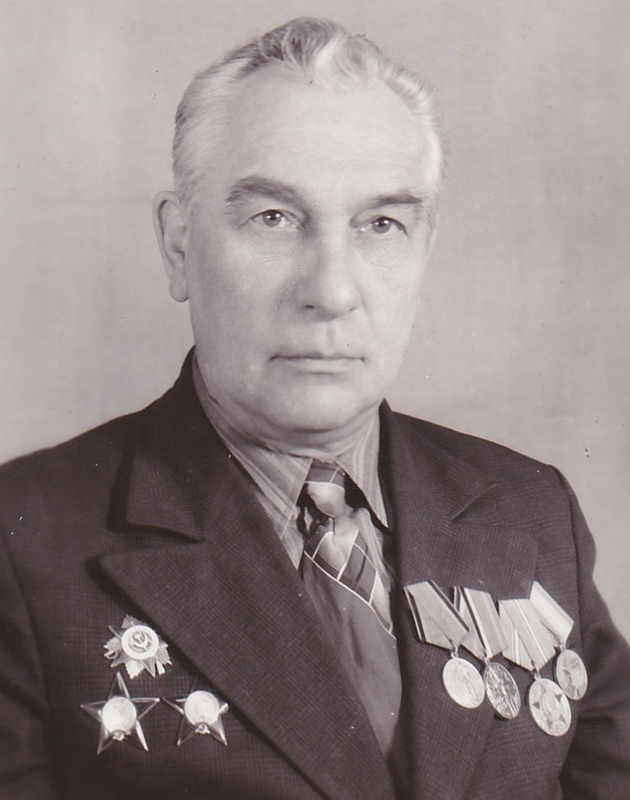
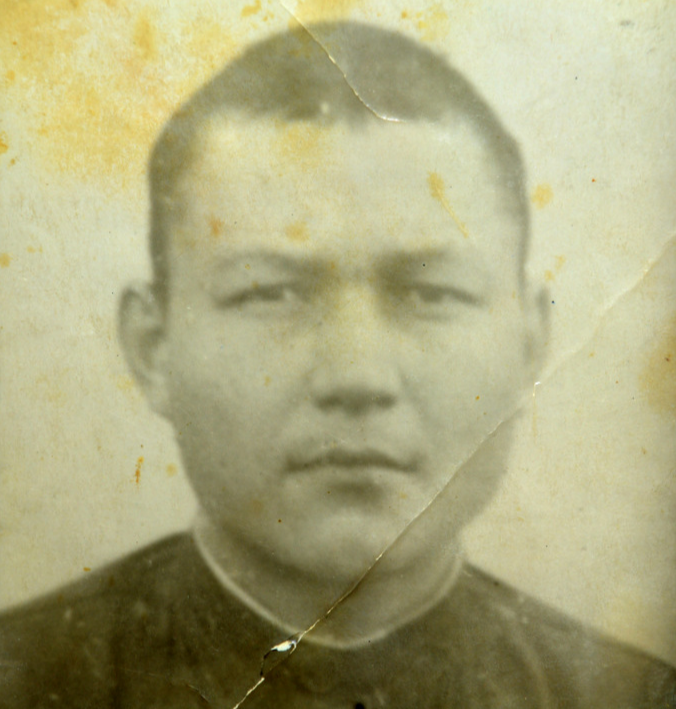
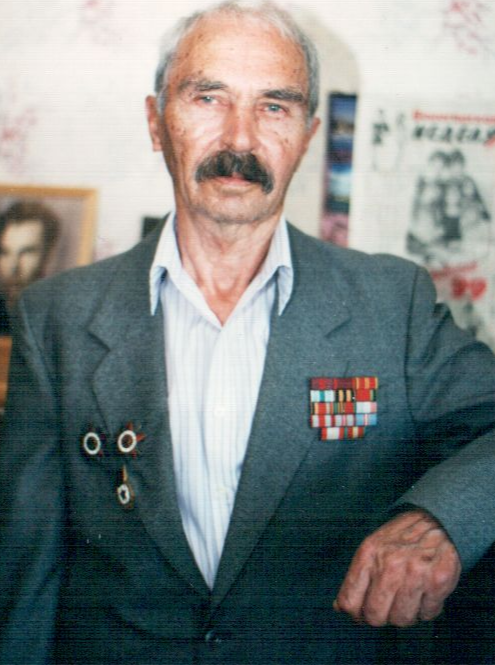
Type of troops: Signal troops. Goloshchapov Mikhail Konstantinovich was born on December 12, 1925 in the village of Krasny Yar, Astrakhan Region. Soon after his birth, the family moved to the village of Lebyazhye, Volodarsky district, Astrakhan region, where he went to school. He graduated from only 6 classes and began to help his parents: with his father they went hunting, fishing. When the Great Patriotic War began, his father, Konstantin Alexandrovich Goloshchapov, was taken to the front. And on February 15, 1942, Mikhail Konstantinovich himself was drafted into military service and sent to the unit. At that time he was only 16 years old. A mother with her two youngest daughters remained at home. Mikhail Konstantinovich was enlisted as a sniper, as he knew how to shoot well, in the 190th Reserve Rifle Regiment, which was part of the 64th Army under the command of Lieutenant General Shumilov. In the summer of 1942, the 64th Army was sent to defend Stalingrad. During the Battle of Stalingrad, Mikhail Konstantinovich, with a sniper rifle in his hands, defended the city from enemies. During the battle for the mill, he was wounded by a shell burst. One of its fragments hit him in the neck. With this splinter, he went through the entire war and lived his whole life until his death. After the liberation of Stalingrad, the 64th Army was renamed the 7th Guards Army and transferred to the Kursk Bulge. After being wounded, my great-grandfather returned to the front lines again. He was transferred to the 133rd Separate Communications Battalion as a cable telephone operator. So, as a signalman, he met Victory Day in 1945. After the Kursk Bulge, Mikhail Konstantinovich, as part of his battalion, crossed the Dnieper River. He swam across the Dnieper, under continuous enemy fire, holding a coil with a cable in his teeth in order to establish communication. And it's on a cold October night in icy water! It was a real feat, thanks to which the connection between the left and right banks of the Dnieper was restored. By the decision of the command, Mikhail Konstantinovich Goloshchapov was awarded the Order of the Red Star on November 1, 1943. In 1944, the 7th Guards Army became part of the 1st Ukrainian Front and entered the territory of Romania. Here a major battle took place near Lake Balaton, which went down in history as the Yassy-Kishinev operation. After Romania, Mikhail Konstantinovich ended up in Bulgaria. And he learned about the Victory while in Austria. For the Victory over Nazi Germany he was awarded a medal on May 8, 1946. At the end of the war, Mikhail Konstantinovich was sent to serve in Zaporozhye.
Goloshchapov Mikhail Konstantinovich
Type of troops: Signal troops. Goloshchapov Mikhail Konstantinovich was born on December 12, 1925 in the village of Krasny Yar, Astrakhan Region. Soon after his birth, the family moved to the village of Lebyazhye, Volodarsky district, Astrakhan region, where he went to school. He graduated from only 6 classes and began to help his parents: with his father they went hunting, fishing. When the Great Patriotic War began, his father, Konstantin Alexandrovich Goloshchapov, was taken to the front. And on February 15, 1942, Mikhail Konstantinovich himself was drafted into military service and sent to the unit. At that time he was only 16 years old. A mother with her two youngest daughters remained at home. Mikhail Konstantinovich was enlisted as a sniper, as he knew how to shoot well, in the 190th Reserve Rifle Regiment, which was part of the 64th Army under the command of Lieutenant General Shumilov. In the summer of 1942, the 64th Army was sent to defend Stalingrad. During the Battle of Stalingrad, Mikhail Konstantinovich, with a sniper rifle in his hands, defended the city from enemies. During the battle for the mill, he was wounded by a shell burst. One of its fragments hit him in the neck. With this splinter, he went through the entire war and lived his whole life until his death. After the liberation of Stalingrad, the 64th Army was renamed the 7th Guards Army and transferred to the Kursk Bulge. After being wounded, my great-grandfather returned to the front lines again. He was transferred to the 133rd Separate Communications Battalion as a cable telephone operator. So, as a signalman, he met Victory Day in 1945. After the Kursk Bulge, Mikhail Konstantinovich, as part of his battalion, crossed the Dnieper River. He swam across the Dnieper, under continuous enemy fire, holding a coil with a cable in his teeth in order to establish communication. And it's on a cold October night in icy water! It was a real feat, thanks to which the connection between the left and right banks of the Dnieper was restored. By the decision of the command, Mikhail Konstantinovich Goloshchapov was awarded the Order of the Red Star on November 1, 1943. In 1944, the 7th Guards Army became part of the 1st Ukrainian Front and entered the territory of Romania. Here a major battle took place near Lake Balaton, which went down in history as the Yassy-Kishinev operation. After Romania, Mikhail Konstantinovich ended up in Bulgaria. And he learned about the Victory while in Austria. For the Victory over Nazi Germany he was awarded a medal on May 8, 1946. At the end of the war, Mikhail Konstantinovich was sent to serve in Zaporozhye.
0 comment




2026 © Russian Military Historical Society Developed by Jetmix