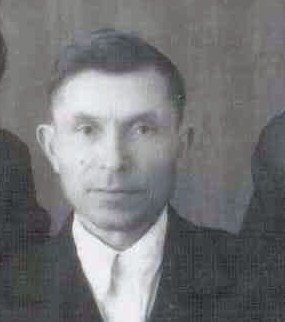

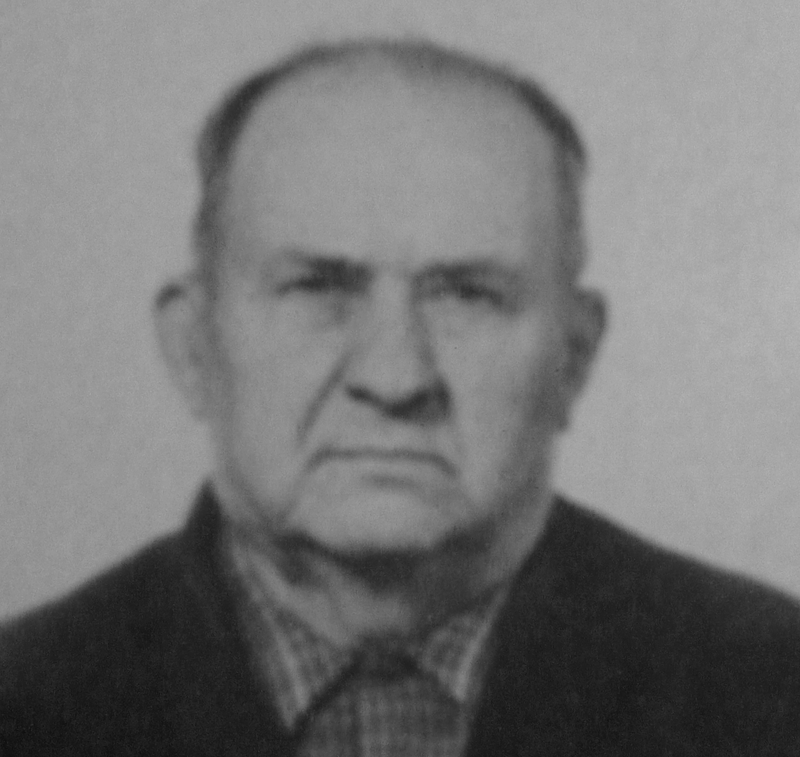
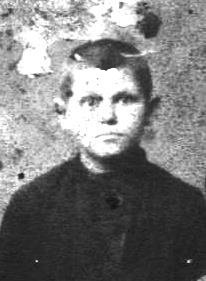


Yuri Belousov
Branch of the armed forces: Armored and Mechanized Troops
Unit: 3rd Panzer Banner Tank Division
Yuri Petrovich Belousov served on the Western Front as a T-34 tank commander
Yuri Belousov's childhood was, as far as I know from the stories of my grandmother Olga Ralkina, and from the memories of my father, happy, at least until the beginning of the Great Patriotic War. After his birth in Tomsk, where the family arrived be the disition of his father Peter, a bridge engineer, and his mother, a teacher of Russian language and literature, they had to travel around the country for several more years. In the end, they settled in Stalingrad, his father was an engineer at a tractor factory, his mother worked at school. They gave them an apartment in a factory building. The first Soviet specialists could even afford a maid. Yura studied well and became interested in drawing. All his life, he remembered the great teachers in the Studio at the Stalingrad House of Pioneers, where he studied a lot, and fell in love with painting. He knew Russian and Soviet artists well, and their painting styles.
After the war, after graduating from the Higher Party School, and working as Chairman of the collective farm in the village of Pokrovka, he wanted to get a higher art education, entered the correspondence Department of some prestigious University in Moscow, successfully completed four courses, but dropped out. This was already the case in Krasny Yar, where the work of the first Secretary of the District Committee required all his time without. A beautiful home, loving parents, school friends - all this ended at once with the beginning of the Great Patriotic War.
There was a difficult evacuation to the mother's native village – Bolkhuny of the Akhtuba District. Olga's parents were no longer alive. Together with other evacuees they huddled in other people's corners. Yura immediately went to work at the fish factory, in a wheelbarrow transported fish for cutting. Women, looking at a thin teenager, advised him to put a tin bucket near them, where they threw tails, sometimes a fish head — everything that did not go into production. Yura proudly brought the bucket home in the evening to feed his mother and little sister. Throughout his life, he remembered how difficult it was to roll this wheelbarrow on narrow boards, wet in summer and icy in winter, and how he tried not to slip, not to embarrass himself in front of women who worked in the same conditions, both in the heat and in the cold.
In 1944, father was drafted into the army. He trained as a tank driver and was sent to the already liberated Poland. They lived in tents, monitored the condition of their T-34s, and conducted training sessions. All young boys who have never seen life, and always hungry. He remembered how even at the tank training courses he went on leave with a friend. They were so hungry that went to the market, exchanged Yury's father's watch for a loaf of bread, ate it quickly, looked at each other, and rushed to their unit to be in time for supper.
He did not participate directly in the fighting. But in 1945 he was awarded the Medal For the Victory over Germany. By that time, in my opinion, he was already in the hospital with all his fellow soldiers, where young tankers were admitted with the same diagnosis: an open stomach ulcer. Local residents, whether from cooks, or just "compassionate" neighbors brought whole buckets of mashed potatoes, which were devoured by yellow-throats. Presumably, these "treats" could contained terrible toxic impurities. Maybe some of the poles considered these boys, yesterday's cadets, but already representatives of the Red Army, which liberated Poland from fascism, occupiers… I don't know. Today, unfortunately, many things are seen differently. For the rest of his life, he kept the love for his "thirty-four". Reverently treated the monuments to these combat vehicles, often photographed them.
In the Astrakhan hospital, my father met my mother, Maria Mamonina. They arrived in Bolkhuny, then all moved to the Upper Baskunchak station, so that it was easier for dad to go to study at the Astrakhan Technical School. Regular exacerbations of the disease, hospitalization did not allow him to finish studies. He got a job as an art and technical drawing teacher at school. He became interested in working with children. His paintings for a long time decorated the locomotive depot, school... Maria immediately got a job as a projectionist. Then he was invited to work as a Party Manager in the collective farm "Path of Communism" in the village of Pokrovka. He entered and successfully graduated from the Higher Party School in Stalingrad. Later he headed the collective farm. I remember how the collective farmers did not want to let him go to the Krasnoyarsk Region. The meeting lasted several hours. At the end, he was released on the condition that they would buy him a TV set for a long memory. With it, they moved to Krasny Yar. The TV with the engraving "From Grateful Collective Farmers" served them for many years, and then my father's mother.
Here is Krasny Yar. Here I graduated from school, worked for a year in the local editorial office, then left to study, then work. During my father's work as the First Secretary of the District Committee, he and his colleagues did a lot. A livestock complex was built for the production of meat and milk. Excellent food supply. Irrigated agriculture was provided with the most modern equipment. My father was directly involved in the design of the village embankment, attracting the best architects. Holidays on the water were held every Sunday! With music, water skiing, swimming, tennis! The gas processing plant, which was abandoned, for example, by the Kharabalinsky District, began to be built on the territory of Krasnoyarsk. There were new jobs, instead of three ferries to the regional center – bridges. These are just the main milestones of Yuri activity. The rest is much better told by Krasnoyarsk residents, his colleagues who are still live, or their children. One more important thing. Dad loved people very much, and for almost twenty-five years of working in the Krasnoyarsk Region, he really loved this land and its talented, proud, loyal residents. I hope it was mutual.
Yuri Belousov
Branch of the armed forces: Armored and Mechanized Troops
Unit: 3rd Panzer Banner Tank Division
Yuri Petrovich Belousov served on the Western Front as a T-34 tank commander
Yuri Belousov's childhood was, as far as I know from the stories of my grandmother Olga Ralkina, and from the memories of my father, happy, at least until the beginning of the Great Patriotic War. After his birth in Tomsk, where the family arrived be the disition of his father Peter, a bridge engineer, and his mother, a teacher of Russian language and literature, they had to travel around the country for several more years. In the end, they settled in Stalingrad, his father was an engineer at a tractor factory, his mother worked at school. They gave them an apartment in a factory building. The first Soviet specialists could even afford a maid. Yura studied well and became interested in drawing. All his life, he remembered the great teachers in the Studio at the Stalingrad House of Pioneers, where he studied a lot, and fell in love with painting. He knew Russian and Soviet artists well, and their painting styles.
After the war, after graduating from the Higher Party School, and working as Chairman of the collective farm in the village of Pokrovka, he wanted to get a higher art education, entered the correspondence Department of some prestigious University in Moscow, successfully completed four courses, but dropped out. This was already the case in Krasny Yar, where the work of the first Secretary of the District Committee required all his time without. A beautiful home, loving parents, school friends - all this ended at once with the beginning of the Great Patriotic War.
There was a difficult evacuation to the mother's native village – Bolkhuny of the Akhtuba District. Olga's parents were no longer alive. Together with other evacuees they huddled in other people's corners. Yura immediately went to work at the fish factory, in a wheelbarrow transported fish for cutting. Women, looking at a thin teenager, advised him to put a tin bucket near them, where they threw tails, sometimes a fish head — everything that did not go into production. Yura proudly brought the bucket home in the evening to feed his mother and little sister. Throughout his life, he remembered how difficult it was to roll this wheelbarrow on narrow boards, wet in summer and icy in winter, and how he tried not to slip, not to embarrass himself in front of women who worked in the same conditions, both in the heat and in the cold.
In 1944, father was drafted into the army. He trained as a tank driver and was sent to the already liberated Poland. They lived in tents, monitored the condition of their T-34s, and conducted training sessions. All young boys who have never seen life, and always hungry. He remembered how even at the tank training courses he went on leave with a friend. They were so hungry that went to the market, exchanged Yury's father's watch for a loaf of bread, ate it quickly, looked at each other, and rushed to their unit to be in time for supper.
He did not participate directly in the fighting. But in 1945 he was awarded the Medal For the Victory over Germany. By that time, in my opinion, he was already in the hospital with all his fellow soldiers, where young tankers were admitted with the same diagnosis: an open stomach ulcer. Local residents, whether from cooks, or just "compassionate" neighbors brought whole buckets of mashed potatoes, which were devoured by yellow-throats. Presumably, these "treats" could contained terrible toxic impurities. Maybe some of the poles considered these boys, yesterday's cadets, but already representatives of the Red Army, which liberated Poland from fascism, occupiers… I don't know. Today, unfortunately, many things are seen differently. For the rest of his life, he kept the love for his "thirty-four". Reverently treated the monuments to these combat vehicles, often photographed them.
In the Astrakhan hospital, my father met my mother, Maria Mamonina. They arrived in Bolkhuny, then all moved to the Upper Baskunchak station, so that it was easier for dad to go to study at the Astrakhan Technical School. Regular exacerbations of the disease, hospitalization did not allow him to finish studies. He got a job as an art and technical drawing teacher at school. He became interested in working with children. His paintings for a long time decorated the locomotive depot, school... Maria immediately got a job as a projectionist. Then he was invited to work as a Party Manager in the collective farm "Path of Communism" in the village of Pokrovka. He entered and successfully graduated from the Higher Party School in Stalingrad. Later he headed the collective farm. I remember how the collective farmers did not want to let him go to the Krasnoyarsk Region. The meeting lasted several hours. At the end, he was released on the condition that they would buy him a TV set for a long memory. With it, they moved to Krasny Yar. The TV with the engraving "From Grateful Collective Farmers" served them for many years, and then my father's mother.
Here is Krasny Yar. Here I graduated from school, worked for a year in the local editorial office, then left to study, then work. During my father's work as the First Secretary of the District Committee, he and his colleagues did a lot. A livestock complex was built for the production of meat and milk. Excellent food supply. Irrigated agriculture was provided with the most modern equipment. My father was directly involved in the design of the village embankment, attracting the best architects. Holidays on the water were held every Sunday! With music, water skiing, swimming, tennis! The gas processing plant, which was abandoned, for example, by the Kharabalinsky District, began to be built on the territory of Krasnoyarsk. There were new jobs, instead of three ferries to the regional center – bridges. These are just the main milestones of Yuri activity. The rest is much better told by Krasnoyarsk residents, his colleagues who are still live, or their children. One more important thing. Dad loved people very much, and for almost twenty-five years of working in the Krasnoyarsk Region, he really loved this land and its talented, proud, loyal residents. I hope it was mutual.
0 comment




2026 © Russian Military Historical Society Developed by Jetmix