


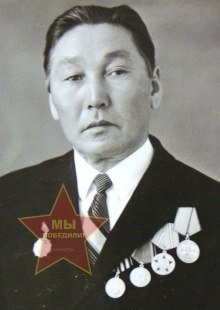

Storozhenko Pavel Ilyich
Storozhenko Pavel Ilyich
In March jf 1942 Pavel Ilyich Storozhenko volunteered for the Red Army. He was sent to the Military infantry school No. 3 in Ordzhonikidze (Vladikavkaz) in North Ossetia. The school trained future Lieutenant platoon commanders. Pavel Ilyich managed to study for only three months. In August, the entire issue was alerted and sent to the Stalingrad Front, where the situation was very difficult. "At first we were thrown to strengthen the defense," Pavel Ilyich said, and three days later we were all sent to the Rostov-on-don region. The first battle took place 30 kilometers from the city… It remains in the memory of every soldier for the rest of his life. In General, the fighting was very persistent, it was very difficult, but both soldiers and officers heroically held back the onslaught of the enemy." Pavel Ilyich continued his story: "I Remember this episode: here, near Rostov, we were first surrounded by the Germans, and yet several of our vehicles with people, or rather two, managed to escape from the encirclement, two companies remained in the ring. The next night the commander calls me to his office and gives me a combat mission: find our arby unit. I took a raincoat-tent, some food, a machine gun and a rifle and went to carry out the order. One day, quite unexpectedly, right on the road I almost fell into the hands of the Germans. A German soldier, hearing a rustle in the dark, listened and shouted: "Hende Hoch!» that is - "Hands up!" in English… I crawled back quickly… I crawled for a long time, almost all night, only at dawn I saw our cars… I went out on the road, raised my hand with a machine gun, one car passed by, the second stopped. I got to the headquarters, where I reported on the plight of the encircled ... The Next night, we went to their rescue: our comrades were saved." A few months later, Pavel Ilyich was wounded, so he did not have a chance to participate in the battles for Stalingrad, he was being treated in a military hospital in the city of Petrovsk, Saratov region. On November 13, 1942, he was declared unfit for active duty. And in February 1943, here, in Petrovsk, a new military unit was being formed, called the Separate Submachine-gun Battalion. After completing the formation procedure, the battalion was sent to the Leningrad Front. They crossed lake Ladoga directly into the so-called "blockade ring" and engaged Finnish troops. The soldier remembered how the road across lake Ladoga was built, it was unbearably difficult, it took a lot of people and equipment. But all that was required was done. In the heavy fighting of the red Army in 1943, they finally managed to break through the encirclement of the heroic city of Lenin. Pavel Ilyich Storozhenko was left to work in a repair shop, where minor repairs were made to machine guns, machine guns and other small arms. He worked in it until the end of the war. In November of 1946 Pavel Ilyich came home to his native village of Loboykovo, where he lived until the end of his days, worked in kolkhoz "Memory of Lenin", got married, built a house and raised a daughter. And here, in the village graveyard he found my rest. (Memoirs recorded by students of the Loboykovsky school in 1975) Veteran's Awards : Order of the Patriotic war II class (06.04.1985); medals: "For the Victory over Germany in the Great Patriotic war 1941-1945", "20 years of the Victory in the Great Patriotic war 1941-1945", "30 years of the Victory in the Great Patriotic war 1941-1945", "40 years of the Victory in the Great Patriotic War 1941-1945", "50 years of the Victory in the Great Patriotic war 1941-1945", "Zhukov Medal" (1996), "60 years of the Victory in the Great Patriotic war 1941-1945", 50 years to the Armed Forces of the USSR" (1968), "60 years to the Armed Forces of the USSR" (1978), "70 years to the Armed Forces of the USSR" (1988).
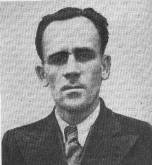
Storozhenko Pavel Ilyich
Storozhenko Pavel Ilyich
In March jf 1942 Pavel Ilyich Storozhenko volunteered for the Red Army. He was sent to the Military infantry school No. 3 in Ordzhonikidze (Vladikavkaz) in North Ossetia. The school trained future Lieutenant platoon commanders. Pavel Ilyich managed to study for only three months. In August, the entire issue was alerted and sent to the Stalingrad Front, where the situation was very difficult. "At first we were thrown to strengthen the defense," Pavel Ilyich said, and three days later we were all sent to the Rostov-on-don region. The first battle took place 30 kilometers from the city… It remains in the memory of every soldier for the rest of his life. In General, the fighting was very persistent, it was very difficult, but both soldiers and officers heroically held back the onslaught of the enemy." Pavel Ilyich continued his story: "I Remember this episode: here, near Rostov, we were first surrounded by the Germans, and yet several of our vehicles with people, or rather two, managed to escape from the encirclement, two companies remained in the ring. The next night the commander calls me to his office and gives me a combat mission: find our arby unit. I took a raincoat-tent, some food, a machine gun and a rifle and went to carry out the order. One day, quite unexpectedly, right on the road I almost fell into the hands of the Germans. A German soldier, hearing a rustle in the dark, listened and shouted: "Hende Hoch!» that is - "Hands up!" in English… I crawled back quickly… I crawled for a long time, almost all night, only at dawn I saw our cars… I went out on the road, raised my hand with a machine gun, one car passed by, the second stopped. I got to the headquarters, where I reported on the plight of the encircled ... The Next night, we went to their rescue: our comrades were saved." A few months later, Pavel Ilyich was wounded, so he did not have a chance to participate in the battles for Stalingrad, he was being treated in a military hospital in the city of Petrovsk, Saratov region. On November 13, 1942, he was declared unfit for active duty. And in February 1943, here, in Petrovsk, a new military unit was being formed, called the Separate Submachine-gun Battalion. After completing the formation procedure, the battalion was sent to the Leningrad Front. They crossed lake Ladoga directly into the so-called "blockade ring" and engaged Finnish troops. The soldier remembered how the road across lake Ladoga was built, it was unbearably difficult, it took a lot of people and equipment. But all that was required was done. In the heavy fighting of the red Army in 1943, they finally managed to break through the encirclement of the heroic city of Lenin. Pavel Ilyich Storozhenko was left to work in a repair shop, where minor repairs were made to machine guns, machine guns and other small arms. He worked in it until the end of the war. In November of 1946 Pavel Ilyich came home to his native village of Loboykovo, where he lived until the end of his days, worked in kolkhoz "Memory of Lenin", got married, built a house and raised a daughter. And here, in the village graveyard he found my rest. (Memoirs recorded by students of the Loboykovsky school in 1975) Veteran's Awards : Order of the Patriotic war II class (06.04.1985); medals: "For the Victory over Germany in the Great Patriotic war 1941-1945", "20 years of the Victory in the Great Patriotic war 1941-1945", "30 years of the Victory in the Great Patriotic war 1941-1945", "40 years of the Victory in the Great Patriotic War 1941-1945", "50 years of the Victory in the Great Patriotic war 1941-1945", "Zhukov Medal" (1996), "60 years of the Victory in the Great Patriotic war 1941-1945", 50 years to the Armed Forces of the USSR" (1968), "60 years to the Armed Forces of the USSR" (1978), "70 years to the Armed Forces of the USSR" (1988).
0 comment



2026 © Russian Military Historical Society Developed by Jetmix