


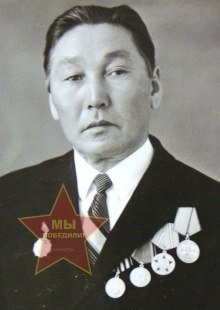
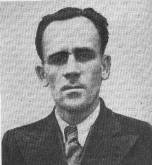


Selezneva(Zhigulina) Anna Gavrilovna
Selezneva(Zhigulina) Anna Gavrilovna
Anna Gavrilovna Zhigulina was born in 1920. She was a participant of the Great Patriotic war, served in the Artillery with the rank of Sergeant. On April 29, 1942, there was a mass conscription of girls for service, and great-grandmother Anya received a summons. Everyone at home was shocked and upset, but there was a war going on, and it was necessary to protect the motherland. My great-grandmother took a three-month course of signalmen in Nalchik, passed the exams, and, as often happened at that time, because of the student bench, 13 of the best girls were sent to the front. Among them were 4 residents of the city: my great-grandmother Zhigulina Anna Gavrilovna, Ivanova Nina Iosifovna, Lapina Valentina (she died in one of the first battles) and Maria (No one could remember her last name after the war. She died heroically in the battle for the tractor plant in Stalingrad). Great-grandmother Anya was immediately appointed senior radio and Telegraph operator of the regiment, she had good diction and hearing, and besides, she was the oldest of all the signalmen. "No words can convey the fear experienced from the first bombing," recalled Anna Gavrilovna, the explosions claimed the lives of three of her fellow graduates at once. It was a very heavy fighting for Stalingrad. The regiment approached the city from the North, participated in the battles at the “Barricady” factory, as well as in the assault on Mamayev Kurgan. It was also there, at "hill 102", where the communications company was located, where they were continuously bombed for two days, where only 200 out of 1200 people remained. The battle was so fierce that even the shape of the hill changed. Its slopes were plowed with bombs, shells, and mines. The soil mixed with shards of metal, and in winter the mound became mottled black, charred. But soon Anna got used to both bombing and military life. In January 1943 The red Army went on the offensive and liberated Stalingrad. After heavy fighting the regiment was sent for relocation in the city of Voronezh. Replenishment was recruited from residents of the South and the Stalingrad region and after a short rest was sent to the front. It is impossible to overestimate the importance of communication in the modern world, not like in war! Communication is like the human nervous system, which transmits orders from the brain to all parts of the body. Anya's grandmother had the call sign "Diamond", but she knew that to hear the order on the air, to transmit it in time, is more important than any precious stones.
Selezneva(Zhigulina) Anna Gavrilovna
Selezneva(Zhigulina) Anna Gavrilovna
Anna Gavrilovna Zhigulina was born in 1920. She was a participant of the Great Patriotic war, served in the Artillery with the rank of Sergeant. On April 29, 1942, there was a mass conscription of girls for service, and great-grandmother Anya received a summons. Everyone at home was shocked and upset, but there was a war going on, and it was necessary to protect the motherland. My great-grandmother took a three-month course of signalmen in Nalchik, passed the exams, and, as often happened at that time, because of the student bench, 13 of the best girls were sent to the front. Among them were 4 residents of the city: my great-grandmother Zhigulina Anna Gavrilovna, Ivanova Nina Iosifovna, Lapina Valentina (she died in one of the first battles) and Maria (No one could remember her last name after the war. She died heroically in the battle for the tractor plant in Stalingrad). Great-grandmother Anya was immediately appointed senior radio and Telegraph operator of the regiment, she had good diction and hearing, and besides, she was the oldest of all the signalmen. "No words can convey the fear experienced from the first bombing," recalled Anna Gavrilovna, the explosions claimed the lives of three of her fellow graduates at once. It was a very heavy fighting for Stalingrad. The regiment approached the city from the North, participated in the battles at the “Barricady” factory, as well as in the assault on Mamayev Kurgan. It was also there, at "hill 102", where the communications company was located, where they were continuously bombed for two days, where only 200 out of 1200 people remained. The battle was so fierce that even the shape of the hill changed. Its slopes were plowed with bombs, shells, and mines. The soil mixed with shards of metal, and in winter the mound became mottled black, charred. But soon Anna got used to both bombing and military life. In January 1943 The red Army went on the offensive and liberated Stalingrad. After heavy fighting the regiment was sent for relocation in the city of Voronezh. Replenishment was recruited from residents of the South and the Stalingrad region and after a short rest was sent to the front. It is impossible to overestimate the importance of communication in the modern world, not like in war! Communication is like the human nervous system, which transmits orders from the brain to all parts of the body. Anya's grandmother had the call sign "Diamond", but she knew that to hear the order on the air, to transmit it in time, is more important than any precious stones.
0 comment




2026 © Russian Military Historical Society Developed by Jetmix