


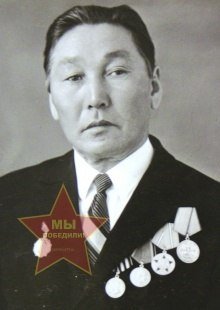


Semeniuk Rodion Senofontovich
Semeniuk Rodion Senofontovich
In November 1940, R. S. Semenyuk was called up for active service. Rodion Ksenofontovich, Junior Sergeant, head of the ammunition depot of the 393rd Separate Anti-aircraft Artillery Division, fought in the Eastern Fort of the Kobrin fortification. At the end of March 1941, the division where Semenyuk served moved to the Brest fortress and was located in the Eastern Fort. The division had 12 76 mm guns and one four-barrel anti-aircraft machine gun. From 20 to 21 June 1941, the 2nd and 3rd batteries were sent to tactical training, while the 1st battery remained on guard. In the first minute of the war, a sentry guarding the warehouse was killed. They were still asleep when the guard ran into the room and shouted: "Battle alet!” Everyone ran out of the barracks, while explosions were already rumbling and the ground was shaking. With great difficulty, having lost many soldiers, the soldiers got to the guns and began to fire at enemy aircraft. Later, their firing point was opened and they were hit by a barrage of fire. they had to leave their guns for a while and take up defensive positions. At first there were about fifty of them, but after the bombing, many were missing. Gradually, there were infantrymen, border guards, and commanders from other units. Lieutenant Kolomiets organized the defense, Semenyuk opened a warehouse of ammunition. All commanders and soldiers were given ammunition, grenades, TT pistols and gas masks. Rodion reported to Kolomiyets that there was an anti-aircraft submachine gun in the warehouse. They pulled it out with a rope and set it up in the courtyard barracks. The soldiers quickly filled the tape, loaded, tested a twin-engine fascist plane, which was shot down. So they opened a battle account. One border guard shot from a quadruple machine gun, then, replacing each other, infantrymen and gunners. A single-barrelled anti-aircraft machine gun was scribbling from a small trench inside the ring yard. Two machine guns were also installed on the second floor of the barracks. Their battery commander, Senior Lieutenant Sergei Feodosievich Shramko, lived in the city. On the morning of the first day of the war, in full uniform, he arrived from the city from the East gate. Under his leadership, trenches were dug on the high rampart and the defense was taken up. On the night of June 24-25, Shramko received orders to mine the gates to our Fort. At this time, an artillery barrage began with such force that everything around trembled. Semenyuk and another fighter were wounded in the head, and Zaitsev was wounded in the face. Senior Lieutenant Shramko was killed. Their commander was buried in one of the passageways of the Eastern Fort. After a while, the comrades reported that tanks were moving towards the Fort. Several cars were blown up by our mines. The major thanked them for their skilful mining. The soldiers were assigned the task of removing enemy submachine gunners. As the soldiers crawled closer, the senior Lieutenant waved his hand, and everyone simultaneously threw eight grenades. As a result, four fascist soldiers (three corporal and one non-commissioned officer) were killed. The soldiers threw their corpses out of the trenches, and the trophies (four long-barreled light machine guns and boxes of ammunition) were tied to a telephone cable and dragged to their homes. For a long time, the soldiers mastered the device of German machine guns, but they still learned to shoot from them. The situation was getting worse. Especially tormented by the lack of water. The defenders repeatedly tried to dig wells in the casemates, but the water collected in them was not suitable for drinking, since there were stables nearby. In the first days there was still ice in the warehouse, but then it ran out, and it was very difficult to get water. Each sortie cost a lot of casualties, many soldiers never came back from these trips. They ate oats and various concentrates. Therefore, the forces of the defenders noticeably melted. On June 30, the Nazis launched an active offensive and soon broke into the casemates. At this time, Semeniuk, along with the villager Ivan Polarcom and marine Tarasov were in the casemate of the outer shaft. Folvarkov demanded to burn the banner of our unit, which Rodion, on the orders of Shramko, took out of the guard tent on the first day of the war. After a dispute with him, they decided to keep it after all. The banner was wrapped in a cover, placed in a canvas bucket, and lowered into a hole that had been dug. Then they closed it with a zinc bucket and leveled the hole, sprinkling it with garbage. As soon as this was done, the fascists jumped into the casemate; our soldiers took shelter in the gap, and they did not notice them. When the Germans, after a hasty search of the Fort, left, Major Gavrilov gave instructions that the remaining soldiers should take up the defense again. They managed to hold out for a few more days. But my strength ran out. Ammunition was running low, and there was no food. The soldiers decided to get out of the trap. It was necessary to cross the river Mukhavets. They looked last time in the direction, where the banner is hidden, and crawled. The Nazis, noticing them, opened fire. Shell-shocked, Rodion Ksenofontovich was captured. He made three unsuccessful escapes. He last escaped on January 25, 1945. Rodion Semenyuk was awarded the Order of the Red Banner. 2133 names of metallurgists who died on the fronts of the Great Patriotic war are stamped on the cast-iron plates of the Memorial of military and labor glory of the Kuznetsk metallurgists, located on Victory square. The memorial has an exhibition "They were the first", dedicated to the metallurgical border guards, who in June 1941 were the first to take on the terrible blow of the enemy. Here is stored the front-line tunic of Rodion Semenyuk, under which then, in the Brest fortress, he hid the banner of his native division. There are two signs on the clothes - "Guardsman" and "Honorary border guard". Rodion Ksenofontovich Semenyuk gave more than a dozen years to the Kuznetsk metallurgical combine. From here I went on a well-deserved rest. Rodion Ksenofontovich - "Honorary Metallurgist". In 1992, after the death of his wife and later his only son, his relatives invited him to live in Leningrad.
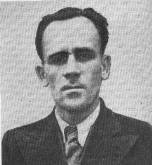
Semeniuk Rodion Senofontovich
Semeniuk Rodion Senofontovich
In November 1940, R. S. Semenyuk was called up for active service. Rodion Ksenofontovich, Junior Sergeant, head of the ammunition depot of the 393rd Separate Anti-aircraft Artillery Division, fought in the Eastern Fort of the Kobrin fortification. At the end of March 1941, the division where Semenyuk served moved to the Brest fortress and was located in the Eastern Fort. The division had 12 76 mm guns and one four-barrel anti-aircraft machine gun. From 20 to 21 June 1941, the 2nd and 3rd batteries were sent to tactical training, while the 1st battery remained on guard. In the first minute of the war, a sentry guarding the warehouse was killed. They were still asleep when the guard ran into the room and shouted: "Battle alet!” Everyone ran out of the barracks, while explosions were already rumbling and the ground was shaking. With great difficulty, having lost many soldiers, the soldiers got to the guns and began to fire at enemy aircraft. Later, their firing point was opened and they were hit by a barrage of fire. they had to leave their guns for a while and take up defensive positions. At first there were about fifty of them, but after the bombing, many were missing. Gradually, there were infantrymen, border guards, and commanders from other units. Lieutenant Kolomiets organized the defense, Semenyuk opened a warehouse of ammunition. All commanders and soldiers were given ammunition, grenades, TT pistols and gas masks. Rodion reported to Kolomiyets that there was an anti-aircraft submachine gun in the warehouse. They pulled it out with a rope and set it up in the courtyard barracks. The soldiers quickly filled the tape, loaded, tested a twin-engine fascist plane, which was shot down. So they opened a battle account. One border guard shot from a quadruple machine gun, then, replacing each other, infantrymen and gunners. A single-barrelled anti-aircraft machine gun was scribbling from a small trench inside the ring yard. Two machine guns were also installed on the second floor of the barracks. Their battery commander, Senior Lieutenant Sergei Feodosievich Shramko, lived in the city. On the morning of the first day of the war, in full uniform, he arrived from the city from the East gate. Under his leadership, trenches were dug on the high rampart and the defense was taken up. On the night of June 24-25, Shramko received orders to mine the gates to our Fort. At this time, an artillery barrage began with such force that everything around trembled. Semenyuk and another fighter were wounded in the head, and Zaitsev was wounded in the face. Senior Lieutenant Shramko was killed. Their commander was buried in one of the passageways of the Eastern Fort. After a while, the comrades reported that tanks were moving towards the Fort. Several cars were blown up by our mines. The major thanked them for their skilful mining. The soldiers were assigned the task of removing enemy submachine gunners. As the soldiers crawled closer, the senior Lieutenant waved his hand, and everyone simultaneously threw eight grenades. As a result, four fascist soldiers (three corporal and one non-commissioned officer) were killed. The soldiers threw their corpses out of the trenches, and the trophies (four long-barreled light machine guns and boxes of ammunition) were tied to a telephone cable and dragged to their homes. For a long time, the soldiers mastered the device of German machine guns, but they still learned to shoot from them. The situation was getting worse. Especially tormented by the lack of water. The defenders repeatedly tried to dig wells in the casemates, but the water collected in them was not suitable for drinking, since there were stables nearby. In the first days there was still ice in the warehouse, but then it ran out, and it was very difficult to get water. Each sortie cost a lot of casualties, many soldiers never came back from these trips. They ate oats and various concentrates. Therefore, the forces of the defenders noticeably melted. On June 30, the Nazis launched an active offensive and soon broke into the casemates. At this time, Semeniuk, along with the villager Ivan Polarcom and marine Tarasov were in the casemate of the outer shaft. Folvarkov demanded to burn the banner of our unit, which Rodion, on the orders of Shramko, took out of the guard tent on the first day of the war. After a dispute with him, they decided to keep it after all. The banner was wrapped in a cover, placed in a canvas bucket, and lowered into a hole that had been dug. Then they closed it with a zinc bucket and leveled the hole, sprinkling it with garbage. As soon as this was done, the fascists jumped into the casemate; our soldiers took shelter in the gap, and they did not notice them. When the Germans, after a hasty search of the Fort, left, Major Gavrilov gave instructions that the remaining soldiers should take up the defense again. They managed to hold out for a few more days. But my strength ran out. Ammunition was running low, and there was no food. The soldiers decided to get out of the trap. It was necessary to cross the river Mukhavets. They looked last time in the direction, where the banner is hidden, and crawled. The Nazis, noticing them, opened fire. Shell-shocked, Rodion Ksenofontovich was captured. He made three unsuccessful escapes. He last escaped on January 25, 1945. Rodion Semenyuk was awarded the Order of the Red Banner. 2133 names of metallurgists who died on the fronts of the Great Patriotic war are stamped on the cast-iron plates of the Memorial of military and labor glory of the Kuznetsk metallurgists, located on Victory square. The memorial has an exhibition "They were the first", dedicated to the metallurgical border guards, who in June 1941 were the first to take on the terrible blow of the enemy. Here is stored the front-line tunic of Rodion Semenyuk, under which then, in the Brest fortress, he hid the banner of his native division. There are two signs on the clothes - "Guardsman" and "Honorary border guard". Rodion Ksenofontovich Semenyuk gave more than a dozen years to the Kuznetsk metallurgical combine. From here I went on a well-deserved rest. Rodion Ksenofontovich - "Honorary Metallurgist". In 1992, after the death of his wife and later his only son, his relatives invited him to live in Leningrad.
0 comment



2026 © Russian Military Historical Society Developed by Jetmix