


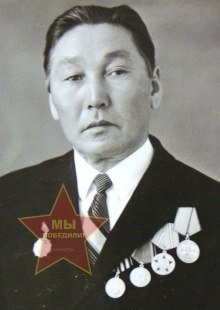
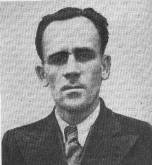


Sirin Nikolay Ivanovich
Sirin Nikolay Ivanovich
Title: Red army soldier Type of troops: Artillery Division: 44th Guards Rifle Baranovichi order of Lenin red banner order of Suvorov division I would like to tell you about Sirin Nikolai Ivanovich. This is my great-grandmother's cousin, my great-great-grandfather. When I was 7 years old, the whole family went to Khanty-Mansiysk. And the most vivid impression of this trip was that on a small alley dad showed me a bust of a man. On the column on which the bust was fixed, it was written "Sirin Nikolai Ivanovich 1922-1943". Later, my dad told me who my great-grandfather was. It seemed to me that it was destined, because Nikolai Ivanovich's birthday is May 9! During the great Patriotic war: Nikolai Ivanovich Sirinwas a rifleman of the 130th Guards Rifle Regiment, the Red Army soldier. He was born in the village of Berdyugina Yalutorovsk district of the Tyumen region in a peasant family. When his father died, he was 8 years old. The mother had 9 children to take care about. In 1931, Nikolai Sirin came with his uncle to the village of Keushki in the Oktyabrsky district. Here he graduated from 6 classes and started working. In 1934, the Sirens moved to the city of Khanty-Mansiysk, where Nikolai worked in the canteen of a fish cooperative, then as a senior foreman of the city bakery. With the beginning of the Great Patriotic war, Nicholas was baptized near Moscow as part of the Siberian division. Then, in the battles, Nikolai Ivanovich showed bravery and courage, for which he was later awarded the title Hero of the Soviet Union. That's all I learned from my relatives. But when I got on the Internet, I found a story about how my great-grandfather died:"The troops of the South-Western front with heavy fighting advanced to the West, pushing the fascist invaders. In the area of Krasnovka station in the Rostov region, the Nazis built a high rampart out of straw and snow, poured water on it and called it an "impregnable fortress". At dawn on January 15, 1943, the company of Lieutenant Likunov's guards, in which Nikolai Sirin served, went to attack the rampart. It was high and slippery, and there was nothing to hold on to. Soldiers cut their way through the ice with bayonets. The enemy started throwing grenades at the daredevils. This did not stop the advance of the guards. As a result, the shaft was taken, but at a very high price. Only 13 men were alive from the company. The guards took up a defensive position in three houses nearby and responded to each enemy attack with friendly fire. The fighters held these houses for a day. The Germans repeatedly offered to surrender, but the brave men replied: "the Guards do not surrender!» - and poured lead on the enemy. Then the fascists launched tanks at the brave men. Under the cover of armored vehicles was a company of submachine gunners. But the 13th guards stood, grenades repulsed the attack. The Nazis rolled up a machine gun and opened fire on the buildings at point-blank range. The guards suppressed the enemy's machine gun with a salvo. But two soldiers were killed in the attack. The Nazis set fire to the houses at the cost of heavy losses. But no one came out of the burning houses. The battle lasted as long as our soldiers did not come to an end of ammo. Then the daredevils tried to break through the encirclement with bayonets. Nikolai Sirin and Ivan Likunov jumped out of the burning houses first, shot the last bullets at the enemy from machine guns and rushed hand-to-hand. However, the forces were unequal, and the entire group died a brave death."He was buried in a mass grave at Krasnovka station. The bust of the Hero is installed in the city of Khanty-Mansiysk on the "Walk of fame", in Victory Park.* In Khanty-Mansiysk, a street is named after N. I. Sirin. Also in the city, his name was given to the school No. 6. , a street in the city of Yalutorovsk, Tyumen region, is also named after N. I. Sirin. Memorial plaque of the Hero, installed in the city of Khanty-Mansiysk, on Sirina street (No. 43), on the house where Nikolai Ivanovich lived. The Central Museum of the Armed Forces in Moscow has a stand "13 heroes of Krasnovka".· In the Rostov region, where Nikolai Ivanovich Sirin was buried in a mass grave at Krasnovka station, a monument to 13 Heroes was erected at the station platform. In the village school, a museum was opened in their honor.
Sirin Nikolay Ivanovich
Sirin Nikolay Ivanovich
Title: Red army soldier Type of troops: Artillery Division: 44th Guards Rifle Baranovichi order of Lenin red banner order of Suvorov division I would like to tell you about Sirin Nikolai Ivanovich. This is my great-grandmother's cousin, my great-great-grandfather. When I was 7 years old, the whole family went to Khanty-Mansiysk. And the most vivid impression of this trip was that on a small alley dad showed me a bust of a man. On the column on which the bust was fixed, it was written "Sirin Nikolai Ivanovich 1922-1943". Later, my dad told me who my great-grandfather was. It seemed to me that it was destined, because Nikolai Ivanovich's birthday is May 9! During the great Patriotic war: Nikolai Ivanovich Sirinwas a rifleman of the 130th Guards Rifle Regiment, the Red Army soldier. He was born in the village of Berdyugina Yalutorovsk district of the Tyumen region in a peasant family. When his father died, he was 8 years old. The mother had 9 children to take care about. In 1931, Nikolai Sirin came with his uncle to the village of Keushki in the Oktyabrsky district. Here he graduated from 6 classes and started working. In 1934, the Sirens moved to the city of Khanty-Mansiysk, where Nikolai worked in the canteen of a fish cooperative, then as a senior foreman of the city bakery. With the beginning of the Great Patriotic war, Nicholas was baptized near Moscow as part of the Siberian division. Then, in the battles, Nikolai Ivanovich showed bravery and courage, for which he was later awarded the title Hero of the Soviet Union. That's all I learned from my relatives. But when I got on the Internet, I found a story about how my great-grandfather died:"The troops of the South-Western front with heavy fighting advanced to the West, pushing the fascist invaders. In the area of Krasnovka station in the Rostov region, the Nazis built a high rampart out of straw and snow, poured water on it and called it an "impregnable fortress". At dawn on January 15, 1943, the company of Lieutenant Likunov's guards, in which Nikolai Sirin served, went to attack the rampart. It was high and slippery, and there was nothing to hold on to. Soldiers cut their way through the ice with bayonets. The enemy started throwing grenades at the daredevils. This did not stop the advance of the guards. As a result, the shaft was taken, but at a very high price. Only 13 men were alive from the company. The guards took up a defensive position in three houses nearby and responded to each enemy attack with friendly fire. The fighters held these houses for a day. The Germans repeatedly offered to surrender, but the brave men replied: "the Guards do not surrender!» - and poured lead on the enemy. Then the fascists launched tanks at the brave men. Under the cover of armored vehicles was a company of submachine gunners. But the 13th guards stood, grenades repulsed the attack. The Nazis rolled up a machine gun and opened fire on the buildings at point-blank range. The guards suppressed the enemy's machine gun with a salvo. But two soldiers were killed in the attack. The Nazis set fire to the houses at the cost of heavy losses. But no one came out of the burning houses. The battle lasted as long as our soldiers did not come to an end of ammo. Then the daredevils tried to break through the encirclement with bayonets. Nikolai Sirin and Ivan Likunov jumped out of the burning houses first, shot the last bullets at the enemy from machine guns and rushed hand-to-hand. However, the forces were unequal, and the entire group died a brave death."He was buried in a mass grave at Krasnovka station. The bust of the Hero is installed in the city of Khanty-Mansiysk on the "Walk of fame", in Victory Park.* In Khanty-Mansiysk, a street is named after N. I. Sirin. Also in the city, his name was given to the school No. 6. , a street in the city of Yalutorovsk, Tyumen region, is also named after N. I. Sirin. Memorial plaque of the Hero, installed in the city of Khanty-Mansiysk, on Sirina street (No. 43), on the house where Nikolai Ivanovich lived. The Central Museum of the Armed Forces in Moscow has a stand "13 heroes of Krasnovka".· In the Rostov region, where Nikolai Ivanovich Sirin was buried in a mass grave at Krasnovka station, a monument to 13 Heroes was erected at the station platform. In the village school, a museum was opened in their honor.
0 comment




2026 © Russian Military Historical Society Developed by Jetmix