
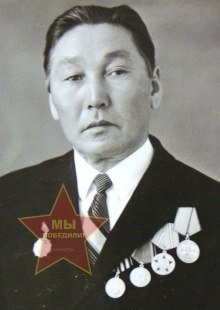


Tkachev Ivan Fedorovich
Tkachev Ivan Fedorovich
Ivan Fyodorovich Tkachev was born on January 20, 1925 in the village of Alekseyevka, Glushkovsky district, Kursk region. He left for the front in September 1943 at the age of 18. This is how he described the beginning of the fighting in his album: "We went to the East in freight cars in a motley crowd, half-starved, half-cold, without maternal affection, without the simple and unique rural beauty and silence. The young soldier did not have to wander around Russia for long. At the end of 43, we were at the front in the Vitebsk region. Eaglets of my age were sent from all over the country to this area. My fellow villagers were also here: Rudakov N. T., Tkachev P. F., Tkachev V. R. Initially, we were divided into companies and on New year's eve, 1944, at 12 o'clock in the morning, we received our first baptism of fire. After successfully completing the task, freeing the village of Maloe Butchers, getting the first trophies, wine, bread, cheese and other battle trophies, we all three returned to the location, but many Eaglets flew away irrevocably. So began not an easy, unique, incomparable front-line life. After several combat operations, few people were left alive. We went on the defensive, the three of us from the same village were on the defensive. An open winter field, a kind of dugout dug in the trench, a door, a soldier's overcoat, no stove, no firewood. The temperature was the same as on the street, that in the dugout. We ourselves took turns at the post, those who were on duty could lie in the dugout to close their eyes for at least a few minutes, perhaps take a NAP on the frozen ground. Suddenly we woke up from the explosion of shells or get up from hypothermia. We started moving in these 50-60 m of the trench. On the soldier's head flying projectiles, bullets, frost cracking, blowing a Blizzard, standing on post 6 hours, how many thoughts pass in my head-from fatigue, cold, hunger, leans head on the snow-it seemed like an eternity, the infinity... January 18, 1944, the first time I was wounded. My fellow villagers helped me and left me with tears. On March 5 in the same places I was back in battle. On March 24, 1944, I was wounded again, this time in a field hospital until June 22, 1944. On the morning of June 22, we were again divided into parts. I was hit by an anti-tank artillery of 76mm guns in the place of retired soldiers during the breakout of the defense. When we ran to the front line, where there were 76 mm guns (nicknamed "goodbye Motherland" by the soldier). We crossed the Nemon river. One soldier turned on the Bank of the river, scooped up a handful of water, took a SIP, immediately spat, and said to himself, " the water stinks of blood." How much blood had to be poured into this river to make the water look, taste, and smell like blood?.. ..On November 17, 1944, after an hour of artillery preparation, the Troops of the 3rd Belorussian front broke through the enemy's defenses and entered German soil in East Prussia for the first time. Before the artillery preparation, the field was deserted, when the artillery moved the fire deep into the enemy's defenses, at the signal of Katyusha, the attack began. Tanks were the first to appear. An endless line of infantry rose, light guns moved, and aircraft appeared in the air. The roar of engines, shouts of Hooray, near bursting shells, the bodies of the dead, a groan, the field turned into a real Hell ... the Tragedy of our battery (two guns) overtook December 18, 1944. When I finished my lessons at the guns, my heart was heavy, my legs gave way, and I sat down. At this time, a heavy shell fell and decided the fate of two calculations. What power stirred my soul remains a mystery to human souls. After the explosion, I sat with my head and hands down. I was alive, alive, but I was going to die, these thoughts lasted for a few moments, I lay motionless, helpless, alone. After a few moments, my heart began to beat (from many injuries, from the blows of the blast wave, my heart stopped beating). At this time, I began to regain consciousness, I woke up (or rather returned from the other world), waking up from oblivion, I raised my head with my eyes closed, everything was quiet, my soul was in terrible pain and heaviness. At this time, the first thought appeared in my head-where am I, what is wrong with me? I opened my eyes, saw the light, all my uniforms were torn, covered in blood, and my eyes were closed. I was looking for salvation, got to my feet, with a broken bone began to move in the direction of the shelter, but after taking a few steps, I fell, feeling a lot of pain and weakness. Blood was pouring from his mouth. My skin and face were burned on my hands, which left an imprint on my face for the rest of my life. Broken leg, two shrapnel shattered shoulder blade, about two dozen shrapnel in the head. It took a few seconds or minutes, the battalion commander appeared next to me, he was also slightly wounded, and asked what was wrong with you. I was real estate, the alarm and cried. Feeling near me, my last strength and consciousness left me, my life faded. I woke up in a field hospital, tried to remember what happened, but I couldn't remember... ...From this war, after the hospital, I came home on May 1, 1945... The war was still going on for 8 days…
Tkachev Ivan Fedorovich
Tkachev Ivan Fedorovich
Ivan Fyodorovich Tkachev was born on January 20, 1925 in the village of Alekseyevka, Glushkovsky district, Kursk region. He left for the front in September 1943 at the age of 18. This is how he described the beginning of the fighting in his album: "We went to the East in freight cars in a motley crowd, half-starved, half-cold, without maternal affection, without the simple and unique rural beauty and silence. The young soldier did not have to wander around Russia for long. At the end of 43, we were at the front in the Vitebsk region. Eaglets of my age were sent from all over the country to this area. My fellow villagers were also here: Rudakov N. T., Tkachev P. F., Tkachev V. R. Initially, we were divided into companies and on New year's eve, 1944, at 12 o'clock in the morning, we received our first baptism of fire. After successfully completing the task, freeing the village of Maloe Butchers, getting the first trophies, wine, bread, cheese and other battle trophies, we all three returned to the location, but many Eaglets flew away irrevocably. So began not an easy, unique, incomparable front-line life. After several combat operations, few people were left alive. We went on the defensive, the three of us from the same village were on the defensive. An open winter field, a kind of dugout dug in the trench, a door, a soldier's overcoat, no stove, no firewood. The temperature was the same as on the street, that in the dugout. We ourselves took turns at the post, those who were on duty could lie in the dugout to close their eyes for at least a few minutes, perhaps take a NAP on the frozen ground. Suddenly we woke up from the explosion of shells or get up from hypothermia. We started moving in these 50-60 m of the trench. On the soldier's head flying projectiles, bullets, frost cracking, blowing a Blizzard, standing on post 6 hours, how many thoughts pass in my head-from fatigue, cold, hunger, leans head on the snow-it seemed like an eternity, the infinity... January 18, 1944, the first time I was wounded. My fellow villagers helped me and left me with tears. On March 5 in the same places I was back in battle. On March 24, 1944, I was wounded again, this time in a field hospital until June 22, 1944. On the morning of June 22, we were again divided into parts. I was hit by an anti-tank artillery of 76mm guns in the place of retired soldiers during the breakout of the defense. When we ran to the front line, where there were 76 mm guns (nicknamed "goodbye Motherland" by the soldier). We crossed the Nemon river. One soldier turned on the Bank of the river, scooped up a handful of water, took a SIP, immediately spat, and said to himself, " the water stinks of blood." How much blood had to be poured into this river to make the water look, taste, and smell like blood?.. ..On November 17, 1944, after an hour of artillery preparation, the Troops of the 3rd Belorussian front broke through the enemy's defenses and entered German soil in East Prussia for the first time. Before the artillery preparation, the field was deserted, when the artillery moved the fire deep into the enemy's defenses, at the signal of Katyusha, the attack began. Tanks were the first to appear. An endless line of infantry rose, light guns moved, and aircraft appeared in the air. The roar of engines, shouts of Hooray, near bursting shells, the bodies of the dead, a groan, the field turned into a real Hell ... the Tragedy of our battery (two guns) overtook December 18, 1944. When I finished my lessons at the guns, my heart was heavy, my legs gave way, and I sat down. At this time, a heavy shell fell and decided the fate of two calculations. What power stirred my soul remains a mystery to human souls. After the explosion, I sat with my head and hands down. I was alive, alive, but I was going to die, these thoughts lasted for a few moments, I lay motionless, helpless, alone. After a few moments, my heart began to beat (from many injuries, from the blows of the blast wave, my heart stopped beating). At this time, I began to regain consciousness, I woke up (or rather returned from the other world), waking up from oblivion, I raised my head with my eyes closed, everything was quiet, my soul was in terrible pain and heaviness. At this time, the first thought appeared in my head-where am I, what is wrong with me? I opened my eyes, saw the light, all my uniforms were torn, covered in blood, and my eyes were closed. I was looking for salvation, got to my feet, with a broken bone began to move in the direction of the shelter, but after taking a few steps, I fell, feeling a lot of pain and weakness. Blood was pouring from his mouth. My skin and face were burned on my hands, which left an imprint on my face for the rest of my life. Broken leg, two shrapnel shattered shoulder blade, about two dozen shrapnel in the head. It took a few seconds or minutes, the battalion commander appeared next to me, he was also slightly wounded, and asked what was wrong with you. I was real estate, the alarm and cried. Feeling near me, my last strength and consciousness left me, my life faded. I woke up in a field hospital, tried to remember what happened, but I couldn't remember... ...From this war, after the hospital, I came home on May 1, 1945... The war was still going on for 8 days…
0 comment




2026 © Russian Military Historical Society Developed by Jetmix