
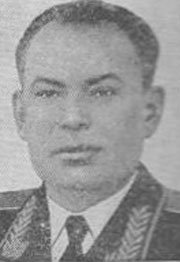


Sadykov Galetdin Sadykovich
Rank: Red Army Soldier
Sadykov Galetdin Mukhammed Sadykovich is my grandfather from my mother's side. 12.12.1917-17.01.1998 (Sadykov Galyautdin (Galaatdin) Sadykovich according to military card indexes). He was called on 08/14/1941 North-Nurlatsky Commissariat, Tatar Autonomous Soviet Socialist Republic, North Nurlatsky district as a private. At the time of the call, he was married. Amin Sadykov's wife remained pregnant in the village of Tat. Islamovo and in November 1941 gave birth to a son. She worked as a teacher in a village School, built a house. Further from the memories of my grandfather.
On August 20, 1941, as part of their combat regiment, they began to fight under the command of Marshal Timoshenko. The battle was fought in the front of Leningrad. At the moment of approaching Leningrad, cartridges ran out, the battle was fought practically with bare hands, with bayonets.
Near the city of Novgorod, near the Desna River, on September 2, they were surrounded by the Germans and were taken prisoners. For several days they spent the night without food in the rain on the ground.
They took the prisoners to Belarus to the city of Minsk, where they lived in a very large camp in barracks until October. The entire barrack was strewn with fleas, which fell from the wooden ceiling like pouring rain. They started to get sick with typhus, 200-300 people died a day. There was nothing to eat, they ate no more than 100 grams of sawdust gruel a day.
Once at 12 in the night the barrack caught fire and the Germans did not allow the prisoners to leave it, many people died. Further, the Germans lined up the remaining prisoners and, having set the dogs, led to the railway station, who, exhausted, could not walk, the Germans pierced the heart with a bayonet. At the station, all the prisoners, like a fish in a barrel, were loaded into a freight car. In pitch darkness, we rode each other for 2 days to Germany. There were also many dead prisoners in the carriage.
Upon arrival in Germany, he was sent to a concentration camp. All were sent to the bathhouse, dressed in prisoners' clothes, on which in all places there were inscriptions: Russian prisoners. The prisoners were divided into 20-30 people and sent to hard work. My grandfather, among 30 people, was sent to Austria in the city of Abtenau. There they worked hard work, on the railroad, by the spring of 1942 out of 30 people died 10. The work was very hard, the prisoners were practically not fed. They worked here until February 1945. Then he was sent to a concentration camp near the city of Rostock. The city was there after the bombing by American aircrafts, they were cleaning it from debris and stones. The work was unbearably hard. In April 1945, their Soviet soldiers were released from captivity.
Galetdin was an educated person who graduated from School and accounting courses (and at that time it was a rarity), and was also a member of the CPSU (b). Then the freed soldiers were sent to serve in the Far Eastern Front. And the commander left Galetdin in Germany as an Accountant in military warehouses. The grandfather served very well. Upon completion of the service, the grandfather was given an apartment in the city of Lvov, Ukraine. Galetdin returned home, wanted to transfer his family there, but since his relatives were against it, they stayed in their village.
The last place of service 332 Rifle Division 1 arm (392 Rifle Division 73 divisional division) (498 Rifle Division, 132 division division). He was captured according to documents-09/11/1941 in the city of Bryansk-Novgorod-Seversky. Rank: Red Army. He was in Leningrad, Poland, Ukraine, Austria, Germany. In April 1945 he was released from captivity by Soviet troops. He did another 3 years after his release in military service in Germany as an Accountant in military depots. He had wounds and concussion, was in the hospital legion. He had many medals and orders.
Sadykov Galetdin Sadykovich
Rank: Red Army Soldier
Sadykov Galetdin Mukhammed Sadykovich is my grandfather from my mother's side. 12.12.1917-17.01.1998 (Sadykov Galyautdin (Galaatdin) Sadykovich according to military card indexes). He was called on 08/14/1941 North-Nurlatsky Commissariat, Tatar Autonomous Soviet Socialist Republic, North Nurlatsky district as a private. At the time of the call, he was married. Amin Sadykov's wife remained pregnant in the village of Tat. Islamovo and in November 1941 gave birth to a son. She worked as a teacher in a village School, built a house. Further from the memories of my grandfather.
On August 20, 1941, as part of their combat regiment, they began to fight under the command of Marshal Timoshenko. The battle was fought in the front of Leningrad. At the moment of approaching Leningrad, cartridges ran out, the battle was fought practically with bare hands, with bayonets.
Near the city of Novgorod, near the Desna River, on September 2, they were surrounded by the Germans and were taken prisoners. For several days they spent the night without food in the rain on the ground.
They took the prisoners to Belarus to the city of Minsk, where they lived in a very large camp in barracks until October. The entire barrack was strewn with fleas, which fell from the wooden ceiling like pouring rain. They started to get sick with typhus, 200-300 people died a day. There was nothing to eat, they ate no more than 100 grams of sawdust gruel a day.
Once at 12 in the night the barrack caught fire and the Germans did not allow the prisoners to leave it, many people died. Further, the Germans lined up the remaining prisoners and, having set the dogs, led to the railway station, who, exhausted, could not walk, the Germans pierced the heart with a bayonet. At the station, all the prisoners, like a fish in a barrel, were loaded into a freight car. In pitch darkness, we rode each other for 2 days to Germany. There were also many dead prisoners in the carriage.
Upon arrival in Germany, he was sent to a concentration camp. All were sent to the bathhouse, dressed in prisoners' clothes, on which in all places there were inscriptions: Russian prisoners. The prisoners were divided into 20-30 people and sent to hard work. My grandfather, among 30 people, was sent to Austria in the city of Abtenau. There they worked hard work, on the railroad, by the spring of 1942 out of 30 people died 10. The work was very hard, the prisoners were practically not fed. They worked here until February 1945. Then he was sent to a concentration camp near the city of Rostock. The city was there after the bombing by American aircrafts, they were cleaning it from debris and stones. The work was unbearably hard. In April 1945, their Soviet soldiers were released from captivity.
Galetdin was an educated person who graduated from School and accounting courses (and at that time it was a rarity), and was also a member of the CPSU (b). Then the freed soldiers were sent to serve in the Far Eastern Front. And the commander left Galetdin in Germany as an Accountant in military warehouses. The grandfather served very well. Upon completion of the service, the grandfather was given an apartment in the city of Lvov, Ukraine. Galetdin returned home, wanted to transfer his family there, but since his relatives were against it, they stayed in their village.
The last place of service 332 Rifle Division 1 arm (392 Rifle Division 73 divisional division) (498 Rifle Division, 132 division division). He was captured according to documents-09/11/1941 in the city of Bryansk-Novgorod-Seversky. Rank: Red Army. He was in Leningrad, Poland, Ukraine, Austria, Germany. In April 1945 he was released from captivity by Soviet troops. He did another 3 years after his release in military service in Germany as an Accountant in military depots. He had wounds and concussion, was in the hospital legion. He had many medals and orders.
0 comment



2026 © Russian Military Historical Society Developed by Jetmix