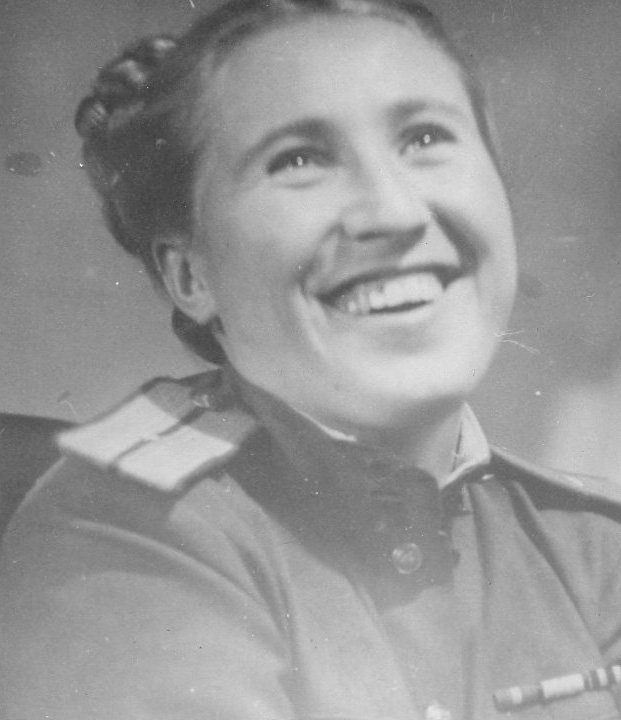
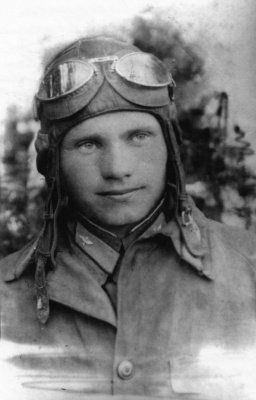
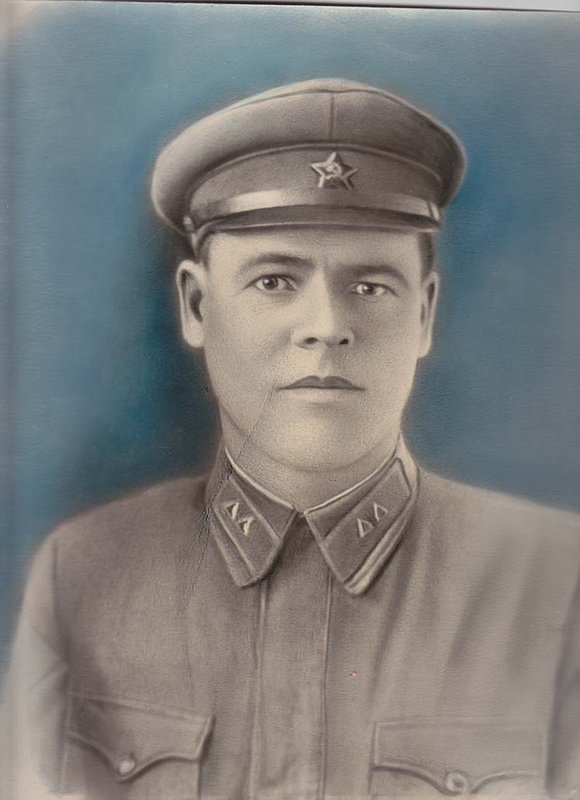
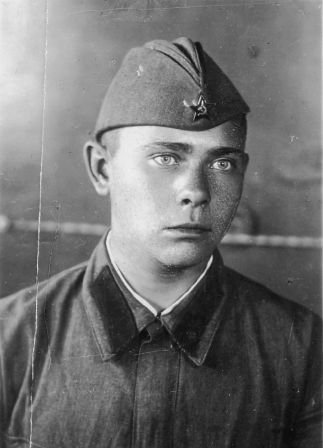
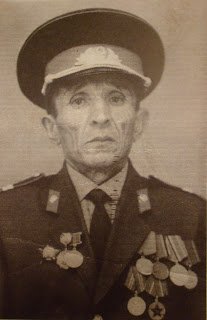
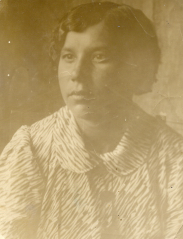
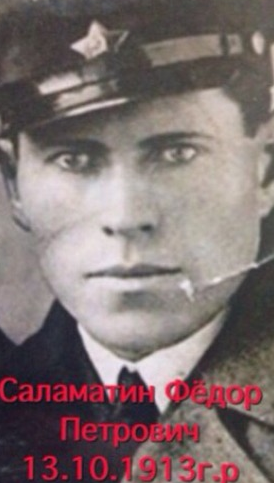
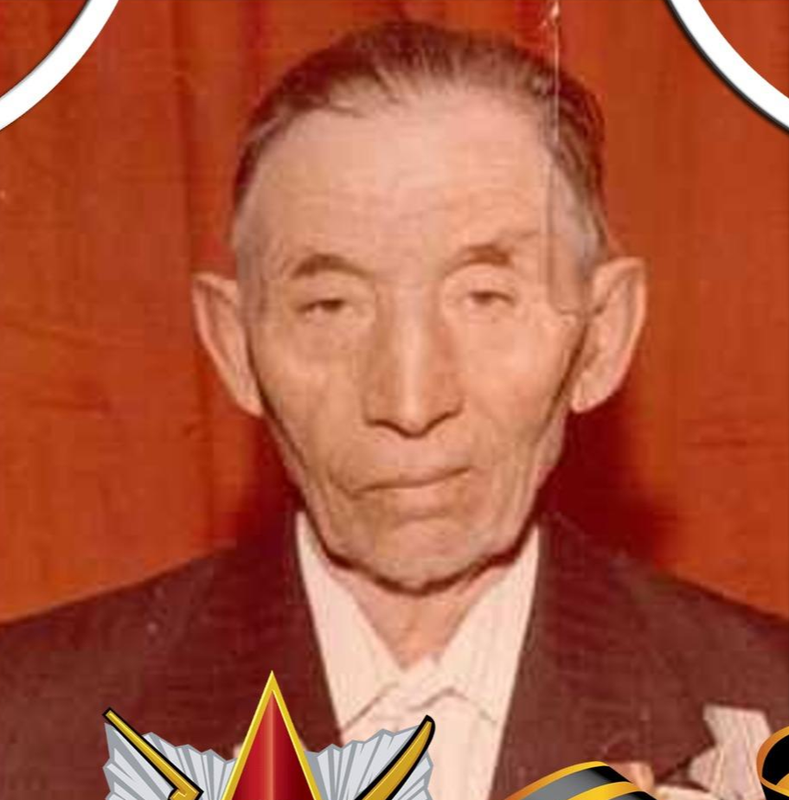
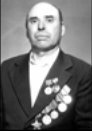
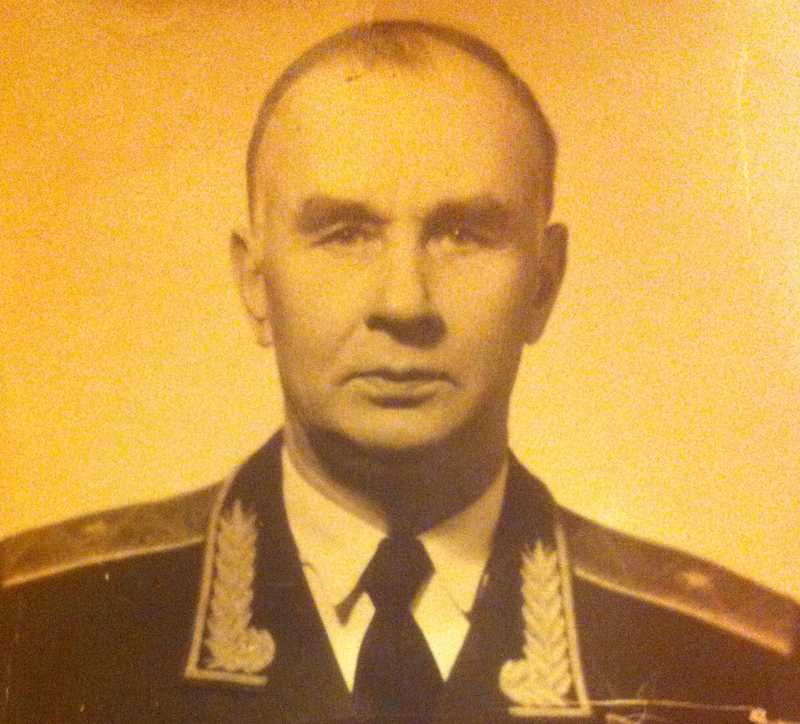
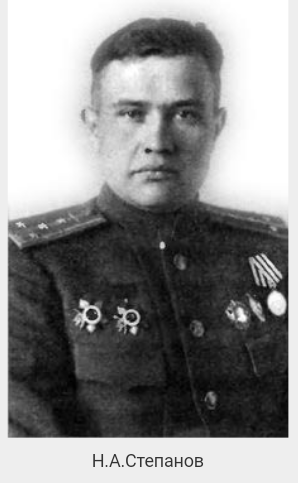
Stepanov Nikolai Alekseevich
Rank: Colonel
Branch of troops: Aviation
He was born into a peasant family. In Mariupol he worked as a loader in the port and studied at an evening School for working youth. In 1938 he graduated from the flying club. In 1940 he graduated from the Voroshilovgrad military Aviation School. He served as a Junior pilot in the reconnaissance Aviation Regiment. From June 1941 to November 1942 he was a flight commander in the 38th reconnaissance squadron, then Deputy. squadron commander of the 10th Separate airborne reconnaissance Regiment. He flew 125 sorties in Yak-4 and Pe-2. When returning from the 49th sortie for reconnaissance on October 24, 1941, the aircraft was attacked by 4 enemy fighters of the Me-109 type. The plane was shot down, the crew was injured, but managed to land the burning plane and save the intelligence. He was nominated for the title "Hero of the Soviet Union".
During his stay in the hospital, he learned that for completing the command assignment and the courage and heroism shown at the same time, he was awarded his first military award - the Order of Lenin. He received his second Order of the Red Banner and a watch with a Golden chain from the hands of the commander of the Western Front G.K. Zhukov for completing a particularly important mission in the area of Rzhev.
In 1943 he was sent from the front to test work at the Air Force Research Institute. But he did not part with the front, he helped the pilots master the technique of aimed bombing (with a dive at an angle of more than 50 degrees). He himself repeatedly led a group of dive bombers performing a combat mission. At the same time he mastered, tested and flew dozens of types and modifications of aircraft: A-20G, Tu-16, Tu-95, Tu-22 M-4,3M. The total flight time was more than 4500 hours.
From 1951 to 1964, directly participating in the testing and development of Aviation technology, he was the commander of a flight test detachment, squadron commander, leading test pilot, deputy head of the flight test department in Feodosia (branch of the Air Force Research Institute). In the last years of his work at the testing institute, he participated in the training of cosmonauts and tests of space technology.
Stepanov Nikolai Alekseevich
Rank: Colonel
Branch of troops: Aviation
He was born into a peasant family. In Mariupol he worked as a loader in the port and studied at an evening School for working youth. In 1938 he graduated from the flying club. In 1940 he graduated from the Voroshilovgrad military Aviation School. He served as a Junior pilot in the reconnaissance Aviation Regiment. From June 1941 to November 1942 he was a flight commander in the 38th reconnaissance squadron, then Deputy. squadron commander of the 10th Separate airborne reconnaissance Regiment. He flew 125 sorties in Yak-4 and Pe-2. When returning from the 49th sortie for reconnaissance on October 24, 1941, the aircraft was attacked by 4 enemy fighters of the Me-109 type. The plane was shot down, the crew was injured, but managed to land the burning plane and save the intelligence. He was nominated for the title "Hero of the Soviet Union".
During his stay in the hospital, he learned that for completing the command assignment and the courage and heroism shown at the same time, he was awarded his first military award - the Order of Lenin. He received his second Order of the Red Banner and a watch with a Golden chain from the hands of the commander of the Western Front G.K. Zhukov for completing a particularly important mission in the area of Rzhev.
In 1943 he was sent from the front to test work at the Air Force Research Institute. But he did not part with the front, he helped the pilots master the technique of aimed bombing (with a dive at an angle of more than 50 degrees). He himself repeatedly led a group of dive bombers performing a combat mission. At the same time he mastered, tested and flew dozens of types and modifications of aircraft: A-20G, Tu-16, Tu-95, Tu-22 M-4,3M. The total flight time was more than 4500 hours.
From 1951 to 1964, directly participating in the testing and development of Aviation technology, he was the commander of a flight test detachment, squadron commander, leading test pilot, deputy head of the flight test department in Feodosia (branch of the Air Force Research Institute). In the last years of his work at the testing institute, he participated in the training of cosmonauts and tests of space technology.
0 comment



2026 © Russian Military Historical Society Developed by Jetmix