


Sviridov Dementii Nikolaevich
Rank: Sergeant
Branch of troops: Ground Forces, Air Force (except for naval Aviation), Coastal Service, NKVD troops, Border Troops.
Too little I know about my grandfather, Dementy Nikolaevich Sviridov. I was not yet in the world when my grandfather died in the war. The threads to his fate were also lost. In August 1943, my grandmother and his wife Sviridova Solomeya Stepanovna received a death notice. It was very hard for her alone with three children in her arms. Like many families, they were poor, starved, moved from place to place, and somewhere all the papers were lost on the way. And nothing was known about her husband. Having sent a request to the place where he was called from, the answer came: Sviridov Name Dmitry Patronymic Nikolaevich, Place of birth East Kazakhstan region, Katon-Karagai district, village Chernovaya. The last place of service 75 Guards Suvorov Division. The military rank is Sergeant. The reason for leaving is killed. Date of disposal 07/06/1943. Name of the source of information: TsAMO Fund number of the information source 58 Inventory number of information source 18001 Case number of the information source 707.
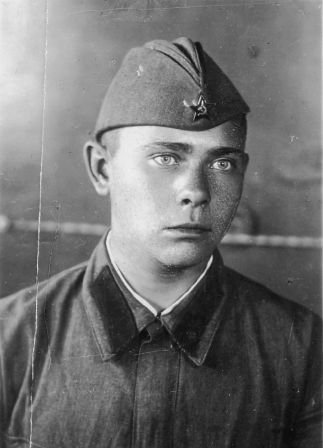
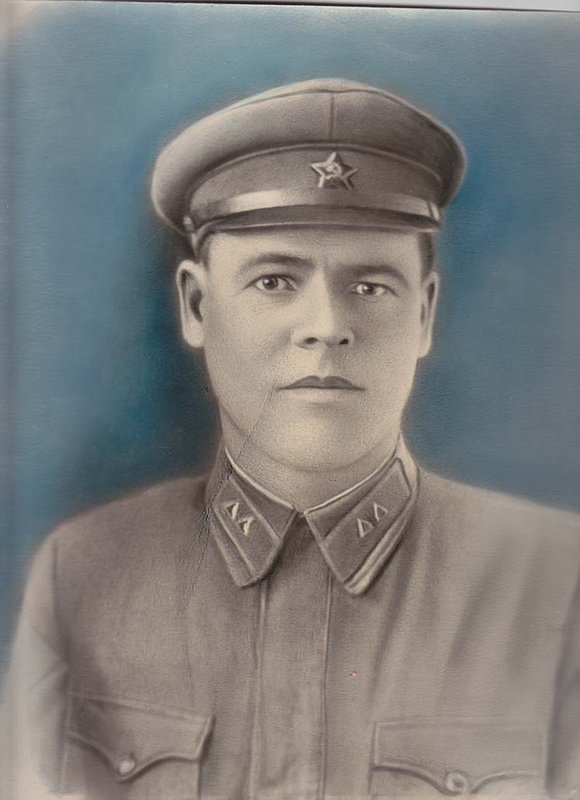
There were doubts whether he was, according to the documents, the name was not Dementiy, but Dmitry, but comparing all the facts now there is confidence, they just confused the name during registration. Before the war, my grandfather was the Chairman of a kolkhoz, before the war he went to serve in the army, and from there he went straight to the war, so my grandmother never saw him again. In 1942 he sent his photograph. And it was the only memory of him. He died on July 6, 1943, Kursk Bulge, the village of Olkhovatka, height 257, there he remained to lie forever.
The Battle of Kursk was planned by the Nazi invaders led by Hitler in response to the Battle of Stalingrad, where they suffered a crushing defeat. The Germans wanted to attack suddenly, but the captured tongue gave information about the upcoming operation. He announced that on the night of July 5, 1943, the Nazis would begin Operation Citadel. The Soviet army decides to start the battle first. On the morning of July 5, the Oryol group of Germans, under the cover of strong artillery fire and Aviation, began their offensive against the troops of the right wing of the Central Front, striking in three directions: at 5:30 am - to Malo-Arkhangelsk, at 7:30 am - to Olkhovatka and in 9 hours 30 minutes - to Gnilets.
On the main, Olkhovatsky front, the enemy delivered the main blow, trying to break through to Kursk in the shortest front. The battles in the Olkhovatsky front developed in the following sequence. From the area Soglasny, Arkhangelskoye, New. The enemy farm launched an offensive with large infantry forces supported by up to 500 tanks. Heavy tanks "tiger" in groups of 10-15 vehicles went to the northern bank of the river. Points and from the spot opened a hurricane of fire on the disposition of our troops. Soon, medium and light tanks appeared, which at high speed approached the front edge of our defenses. The Germans somewhat pressed the formations of the 6th Guards Rifle Division of Dmitry Onuprienko. But they did not manage to shoot it down, since it was supported by the 109th tank brigade, the 48th and 58th tank regiments, and the 614th anti-tank fighter Regiment. The village of Olkhovatka went down in the history of the Battle of Kursk as the place of the most intense battles in the Olkhovatsky front.
Four times, the Nazis unsuccessfully attacked our positions. Failing to achieve success in the Olkhovatsky front, the fascist German command decided to concentrate efforts on the Ponyrevsky front and strike from the area of the station. Maloarkhangelsk, Buzuluk crush the right flank of the 13th Army. The Ponyrevsky junction, which intercepted the Orel - Kursk railway, was extremely beneficial for our troops. Relying on it, they threatened enemy formations both on the Olkhovatskiy and Maloarkhangelskiy directions.
The failure of offensive plans in the northern sector of the Kursk Bulge affected the morale of the Nazi troops. To hide the reasons for their failures, the fascist German command resorted to a fraudulent trick, stating that the Russians were the first to attack in the Kursk Bulge area, and the German troops were ordered to retaliate. Hitler's newspapers wrote that the Soviet troops were suffering colossal losses, that the German new technology, especially the "tigers", was irresistible. The bravura tone of Nazi propaganda was supposed to raise the spirit of the German people and the fascist army and instill confidence in the inevitability of victory. But no matter how sophisticated Hitler's propaganda was, it did not manage to hide the indisputable fact that the plan to attack Kursk from the north was a complete failure.
Having thwarted the enemy offensive, exhausting and bleeding his strike force on the northern face of the Kursk salient, the troops of the Central Front created favorable conditions for the transition to a counteroffensive in the Oryol front. The Kursk strategic defensive operation (July 5-23) is an integral part of the Battle of Kursk. The main hostilities unfolded on the northern and southern faces of the Kursk salient, carried out with the aim of disrupting the summer offensive of the German troops according to the Citadel plan. fact.
The mass grave of Soviet soldiers was formed during the hostilities. More than 1,800 soldiers are buried. The monument was erected in 1958, in the village of Olkhavatka. (restored in 2004 and 2015) Eternal memory to the participants of the Great Patriotic War and a deep bow. Larisa Zagny
Sviridov Dementii Nikolaevich
Rank: Sergeant
Branch of troops: Ground Forces, Air Force (except for naval Aviation), Coastal Service, NKVD troops, Border Troops.
Too little I know about my grandfather, Dementy Nikolaevich Sviridov. I was not yet in the world when my grandfather died in the war. The threads to his fate were also lost. In August 1943, my grandmother and his wife Sviridova Solomeya Stepanovna received a death notice. It was very hard for her alone with three children in her arms. Like many families, they were poor, starved, moved from place to place, and somewhere all the papers were lost on the way. And nothing was known about her husband. Having sent a request to the place where he was called from, the answer came: Sviridov Name Dmitry Patronymic Nikolaevich, Place of birth East Kazakhstan region, Katon-Karagai district, village Chernovaya. The last place of service 75 Guards Suvorov Division. The military rank is Sergeant. The reason for leaving is killed. Date of disposal 07/06/1943. Name of the source of information: TsAMO Fund number of the information source 58 Inventory number of information source 18001 Case number of the information source 707.
There were doubts whether he was, according to the documents, the name was not Dementiy, but Dmitry, but comparing all the facts now there is confidence, they just confused the name during registration. Before the war, my grandfather was the Chairman of a kolkhoz, before the war he went to serve in the army, and from there he went straight to the war, so my grandmother never saw him again. In 1942 he sent his photograph. And it was the only memory of him. He died on July 6, 1943, Kursk Bulge, the village of Olkhovatka, height 257, there he remained to lie forever.
The Battle of Kursk was planned by the Nazi invaders led by Hitler in response to the Battle of Stalingrad, where they suffered a crushing defeat. The Germans wanted to attack suddenly, but the captured tongue gave information about the upcoming operation. He announced that on the night of July 5, 1943, the Nazis would begin Operation Citadel. The Soviet army decides to start the battle first. On the morning of July 5, the Oryol group of Germans, under the cover of strong artillery fire and Aviation, began their offensive against the troops of the right wing of the Central Front, striking in three directions: at 5:30 am - to Malo-Arkhangelsk, at 7:30 am - to Olkhovatka and in 9 hours 30 minutes - to Gnilets.
On the main, Olkhovatsky front, the enemy delivered the main blow, trying to break through to Kursk in the shortest front. The battles in the Olkhovatsky front developed in the following sequence. From the area Soglasny, Arkhangelskoye, New. The enemy farm launched an offensive with large infantry forces supported by up to 500 tanks. Heavy tanks "tiger" in groups of 10-15 vehicles went to the northern bank of the river. Points and from the spot opened a hurricane of fire on the disposition of our troops. Soon, medium and light tanks appeared, which at high speed approached the front edge of our defenses. The Germans somewhat pressed the formations of the 6th Guards Rifle Division of Dmitry Onuprienko. But they did not manage to shoot it down, since it was supported by the 109th tank brigade, the 48th and 58th tank regiments, and the 614th anti-tank fighter Regiment. The village of Olkhovatka went down in the history of the Battle of Kursk as the place of the most intense battles in the Olkhovatsky front.
Four times, the Nazis unsuccessfully attacked our positions. Failing to achieve success in the Olkhovatsky front, the fascist German command decided to concentrate efforts on the Ponyrevsky front and strike from the area of the station. Maloarkhangelsk, Buzuluk crush the right flank of the 13th Army. The Ponyrevsky junction, which intercepted the Orel - Kursk railway, was extremely beneficial for our troops. Relying on it, they threatened enemy formations both on the Olkhovatskiy and Maloarkhangelskiy directions.
The failure of offensive plans in the northern sector of the Kursk Bulge affected the morale of the Nazi troops. To hide the reasons for their failures, the fascist German command resorted to a fraudulent trick, stating that the Russians were the first to attack in the Kursk Bulge area, and the German troops were ordered to retaliate. Hitler's newspapers wrote that the Soviet troops were suffering colossal losses, that the German new technology, especially the "tigers", was irresistible. The bravura tone of Nazi propaganda was supposed to raise the spirit of the German people and the fascist army and instill confidence in the inevitability of victory. But no matter how sophisticated Hitler's propaganda was, it did not manage to hide the indisputable fact that the plan to attack Kursk from the north was a complete failure.
Having thwarted the enemy offensive, exhausting and bleeding his strike force on the northern face of the Kursk salient, the troops of the Central Front created favorable conditions for the transition to a counteroffensive in the Oryol front. The Kursk strategic defensive operation (July 5-23) is an integral part of the Battle of Kursk. The main hostilities unfolded on the northern and southern faces of the Kursk salient, carried out with the aim of disrupting the summer offensive of the German troops according to the Citadel plan. fact.
The mass grave of Soviet soldiers was formed during the hostilities. More than 1,800 soldiers are buried. The monument was erected in 1958, in the village of Olkhavatka. (restored in 2004 and 2015) Eternal memory to the participants of the Great Patriotic War and a deep bow. Larisa Zagny
0 comment



2026 © Russian Military Historical Society Developed by Jetmix