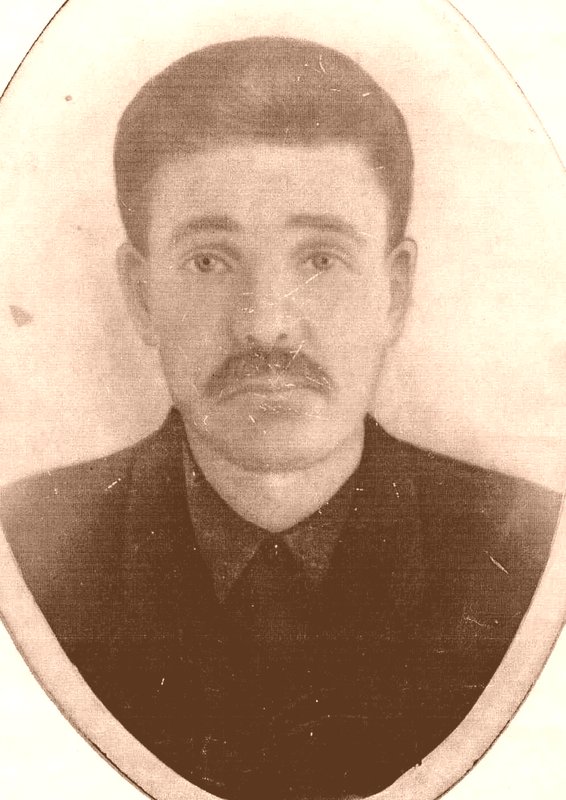
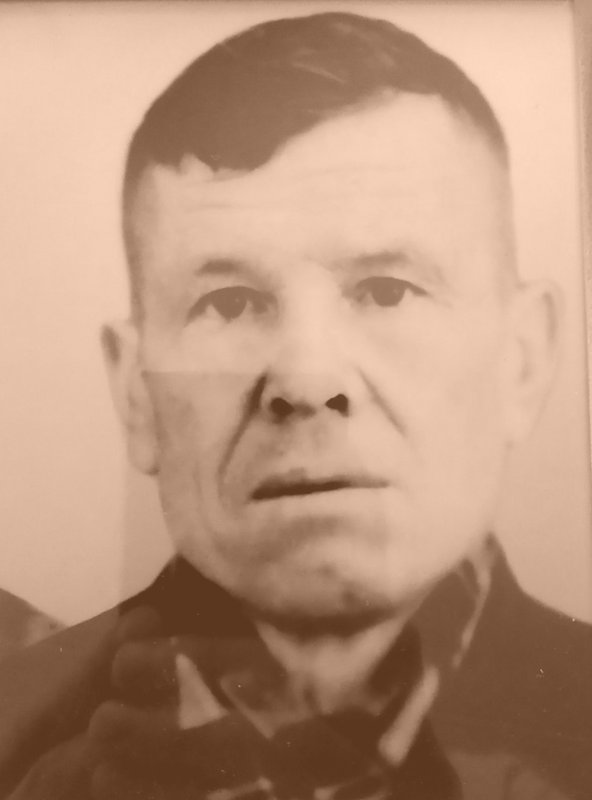
Valey Sadykov
Rank: Lieutenant. Branch of service: Army, Air Force (except Naval Aviation), Coast Guard, NKVD troops, Border Guards._x000D_
Valey Sadykov was enlisted in the army in 1938 in cavalry unit. He served in the Far East (Voroshilov)._x000D_
At first, he was a veterinary assistant in the 163rd Cavalry Regiment of the 8th Far Eastern Cavalry Division, according to his specialty. Then he studied at the school of Junior commanders in the city of Ussuriisk and was appointed a platoon commander. For success in combat training, he received the rank of Second Lieutenant, and then Lieutenant. He was supposed to be sent to a military school._x000D_
But in 1941, the war began and the troops of the Primorskaya Army were put on high alert and in October 1941, the order came to send them to the front. In November they were on the Western front, as part of the 6th Cavalry Corps (Commander Major General Sokolov). Valey took part in the defense of Moscow and the counteroffensive, received a severe chest wound. There were very heavy fights and for his bravery, he was nicknamed "the furious Bashkir"._x000D_
After six months of treatment in the hospital, he manages to return to his regiment already on the Bryansk front. There were defensive battles. In 1943, the division was transferred to the Steppe Front (reserve front of the Supreme Command), for the battles near Kursk, commander of cavalry squadron Sadykov received the Medal For Bravery, which was equated to an Order._x000D_
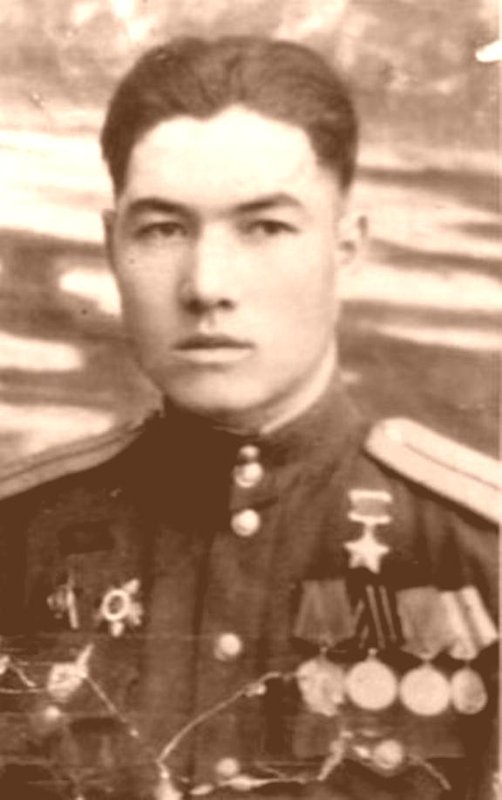
With the transformation of the front into the 2nd Ukrainian (I. Konev remained a Commander), the 6th Guards Cavalry Division began crossing the Dnieper River South of Kremenchug. The end of October, icy water, but the squadron managed to cross to the right Bank and gain a foothold. Sadykov and his men held the bridgehead for 3 days until the main forces crossed. There were five survivors, but wounded. For this feat, division commander P. Khrustalev presented Sadykov to the title of the Hero of the Soviet Union. The frontline newspaper wrote about this._x000D_
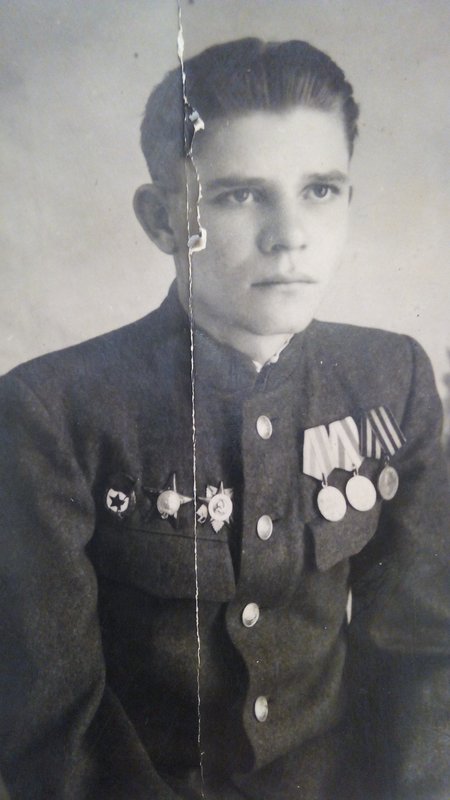
But in war as in war. The division headquarters were bombed, and some of the documents were destroyed. Next comes the liberation of the South of the Right-Bank Ukraine, then Moldova. In these battles, Sadykov was awarded two consecutive Orders of the Red Star. The Order of the Patriotic War 2nd degree he received for the battles in Hungary. For Vienna, where he was again wounded in the chest, he received the Order of the Red Banner._x000D_
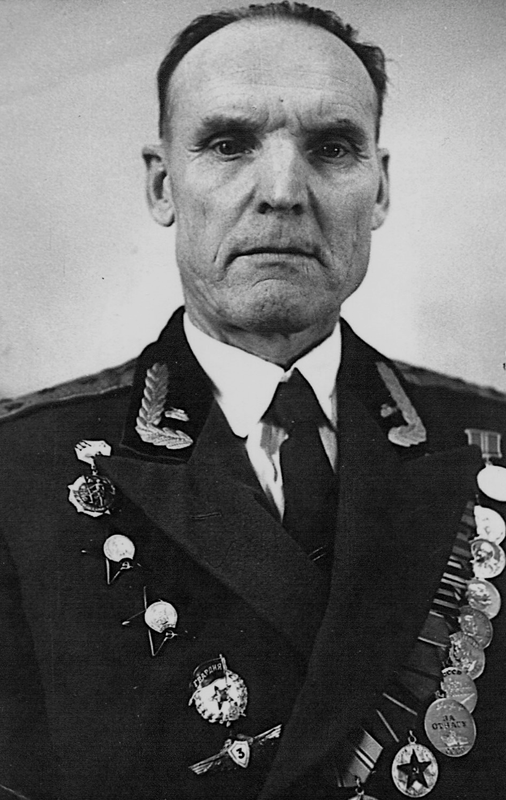
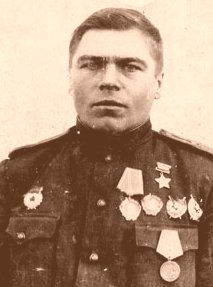
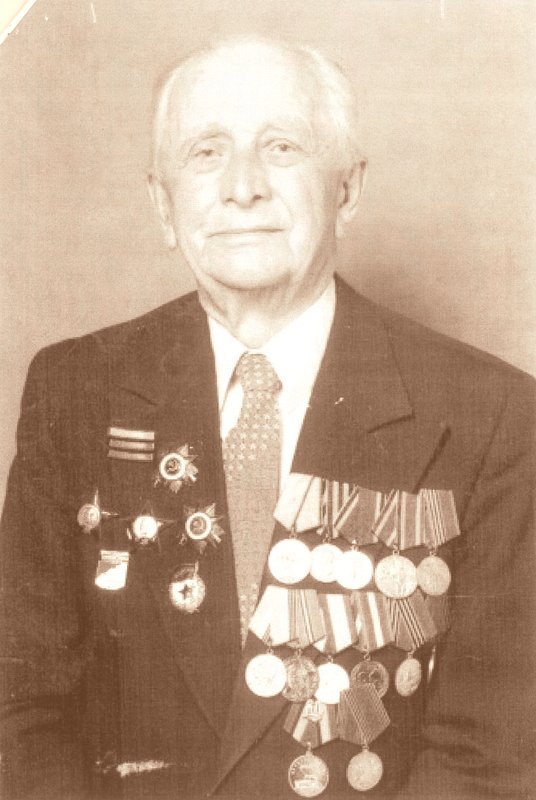
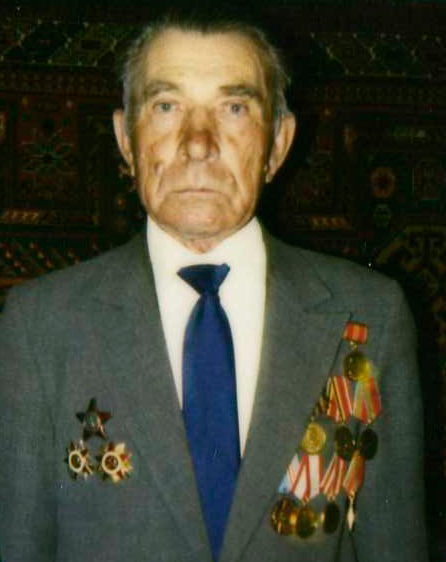
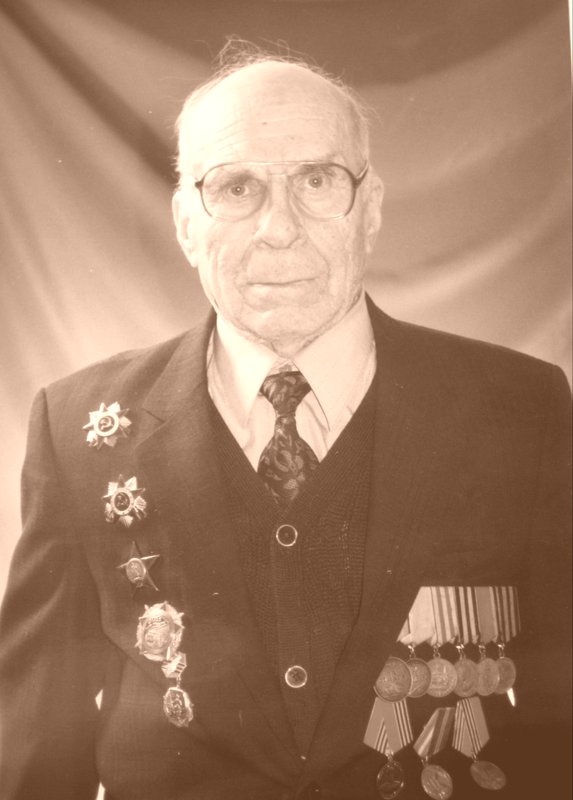
In total, Sadykov received eight military awards for his military exploits: four orders and five medals. After the war, he was also awarded one order and many commemorative medals (somewhere up to 15). He was glad to see them, but he liked to wear only military awards and always raised a toast to those front-line friends who died on the battlefield._x000D_
After the end of the war, he got married. He served first in the Western Ukraine, and then in the Belarusian Military District (Borisov). His son Yuri was born there, he was named after Valey’s fallen comrade._x000D_
In 1947, military command wanted to send him to study in Moscow, but he, at the request of his beloved wife, refused and went to his native Bashkiria. He worksed as the Chairman of the collective farm and a foreman. Later he received forestry education and devoted his life to forestry.
Valey Sadykov
Rank: Lieutenant. Branch of service: Army, Air Force (except Naval Aviation), Coast Guard, NKVD troops, Border Guards._x000D_
Valey Sadykov was enlisted in the army in 1938 in cavalry unit. He served in the Far East (Voroshilov)._x000D_
At first, he was a veterinary assistant in the 163rd Cavalry Regiment of the 8th Far Eastern Cavalry Division, according to his specialty. Then he studied at the school of Junior commanders in the city of Ussuriisk and was appointed a platoon commander. For success in combat training, he received the rank of Second Lieutenant, and then Lieutenant. He was supposed to be sent to a military school._x000D_
But in 1941, the war began and the troops of the Primorskaya Army were put on high alert and in October 1941, the order came to send them to the front. In November they were on the Western front, as part of the 6th Cavalry Corps (Commander Major General Sokolov). Valey took part in the defense of Moscow and the counteroffensive, received a severe chest wound. There were very heavy fights and for his bravery, he was nicknamed "the furious Bashkir"._x000D_
After six months of treatment in the hospital, he manages to return to his regiment already on the Bryansk front. There were defensive battles. In 1943, the division was transferred to the Steppe Front (reserve front of the Supreme Command), for the battles near Kursk, commander of cavalry squadron Sadykov received the Medal For Bravery, which was equated to an Order._x000D_
With the transformation of the front into the 2nd Ukrainian (I. Konev remained a Commander), the 6th Guards Cavalry Division began crossing the Dnieper River South of Kremenchug. The end of October, icy water, but the squadron managed to cross to the right Bank and gain a foothold. Sadykov and his men held the bridgehead for 3 days until the main forces crossed. There were five survivors, but wounded. For this feat, division commander P. Khrustalev presented Sadykov to the title of the Hero of the Soviet Union. The frontline newspaper wrote about this._x000D_
But in war as in war. The division headquarters were bombed, and some of the documents were destroyed. Next comes the liberation of the South of the Right-Bank Ukraine, then Moldova. In these battles, Sadykov was awarded two consecutive Orders of the Red Star. The Order of the Patriotic War 2nd degree he received for the battles in Hungary. For Vienna, where he was again wounded in the chest, he received the Order of the Red Banner._x000D_
In total, Sadykov received eight military awards for his military exploits: four orders and five medals. After the war, he was also awarded one order and many commemorative medals (somewhere up to 15). He was glad to see them, but he liked to wear only military awards and always raised a toast to those front-line friends who died on the battlefield._x000D_
After the end of the war, he got married. He served first in the Western Ukraine, and then in the Belarusian Military District (Borisov). His son Yuri was born there, he was named after Valey’s fallen comrade._x000D_
In 1947, military command wanted to send him to study in Moscow, but he, at the request of his beloved wife, refused and went to his native Bashkiria. He worksed as the Chairman of the collective farm and a foreman. Later he received forestry education and devoted his life to forestry.
0 comment



2026 © Russian Military Historical Society Developed by Jetmix