Back to
album
album
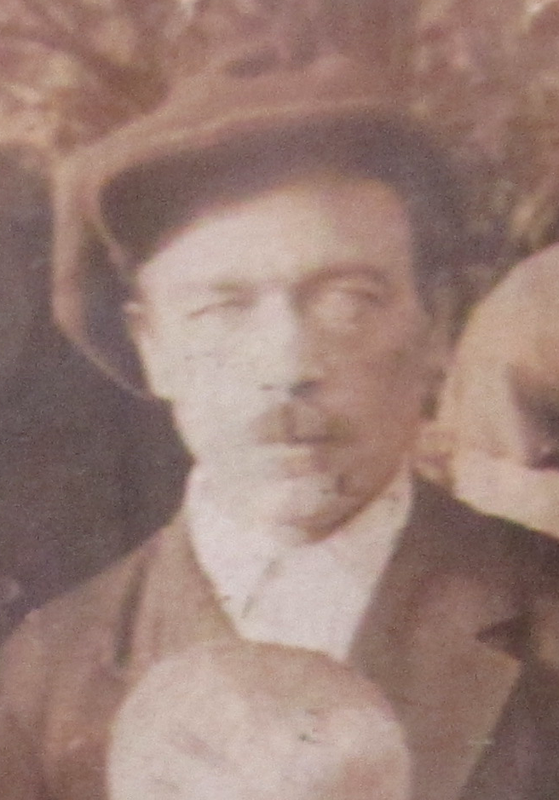
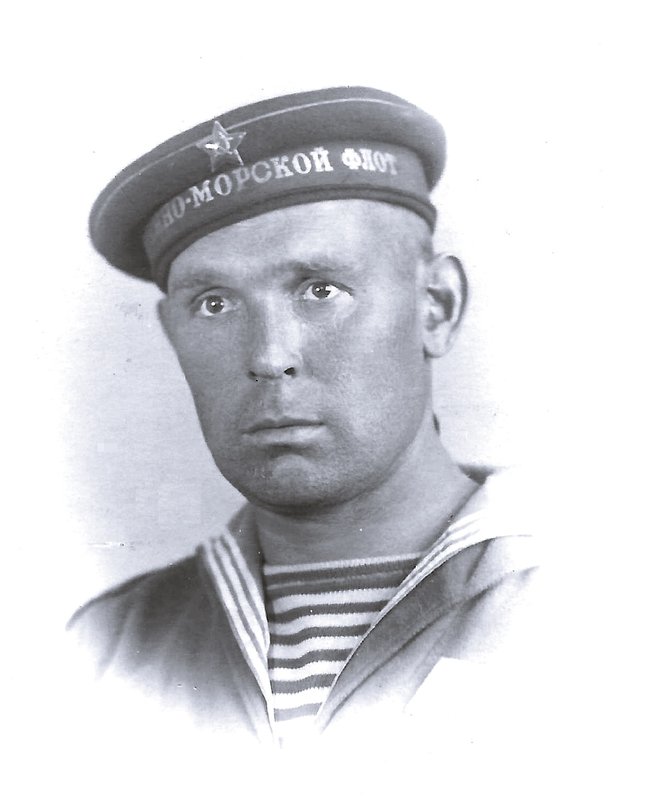

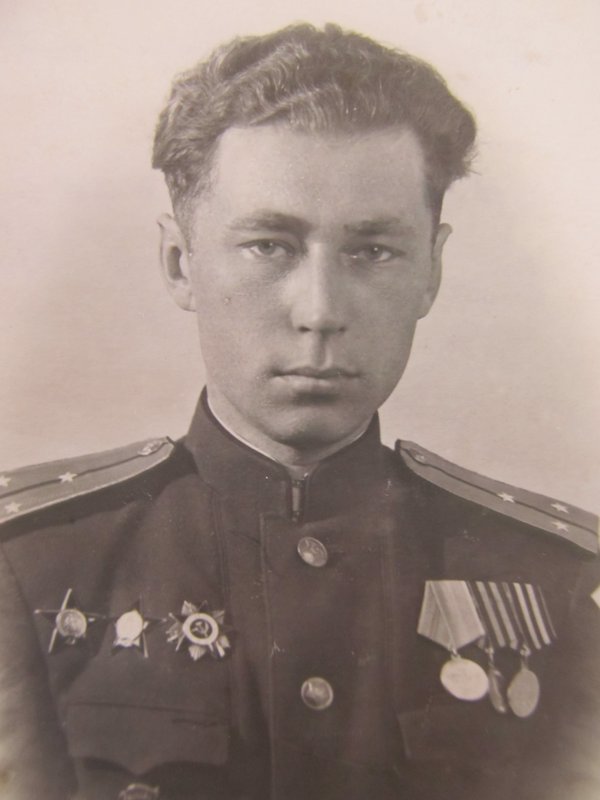
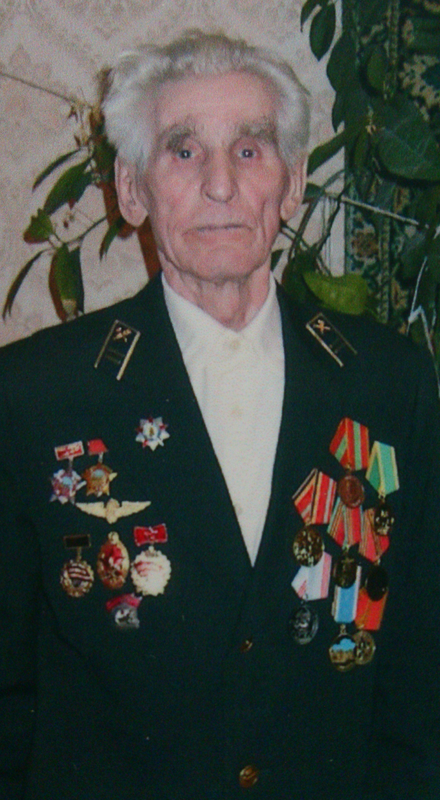
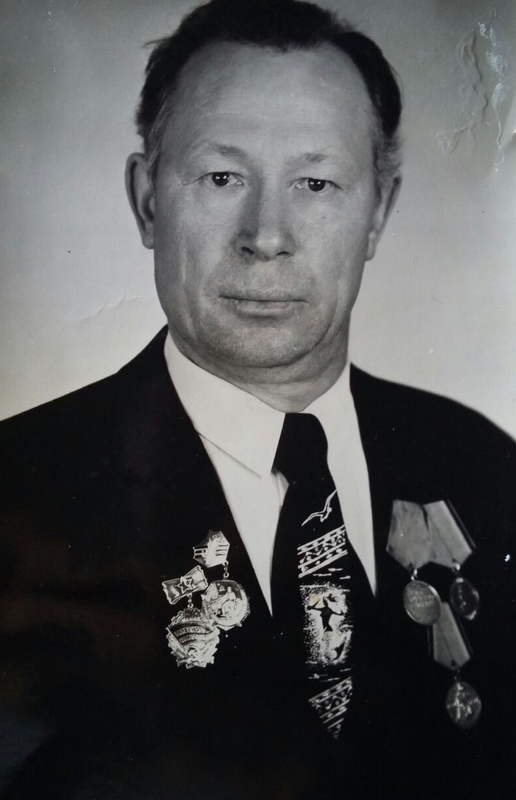

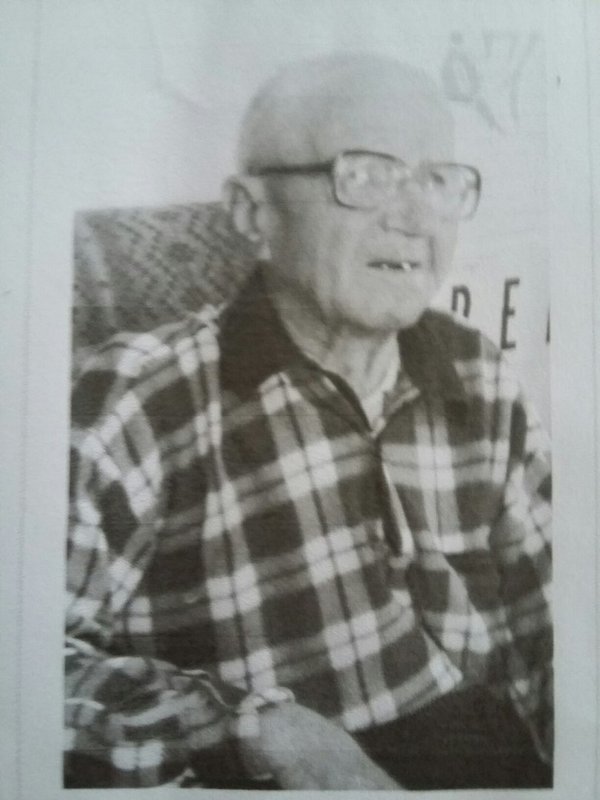


Zhivetin Vasiliy Alexandrovich
BACKGROUND: Rank: Senior Sergeant Troops: Artillery Division: 200th Rifle Division (1st formation) My father, Vasiliy Zhivetin, was born on January 14, 1922, to a large family in the village of Orlik, Ispul district, Guryev region, Kazakhstan. He graduated from 7th grade. When the war broke out, he worked at a collective farm. The conscription commission at the Ispul district military commissariat of Guryev region, my father was called up for military service and sent to the unit on January 4, 1942. (Military Ticket № NT number 4178773). Dad took the military oath of allegiance on February 23, 1942, at the 200th rifle division of the 648th rifle regiment of the North-Western Front, as a part of the 11th Army. He was an 82-120 mm mortar commander with the rank of senior sergeant. Upon arriving at the Northwestern Front, the Division, which was part of Major-General Ozerov's task force of the 11th Army, was caught up in the Demyanskaya offensive near Veliky Novgorod, which began as early as January 7, 1942, when the so-called Demyanskiy Kotel was launched by the Nazis. The division immediately entered the battle in the direction of Prysmorzhie-Alexandrovka. Prismorzhye was at the prevailing altitude and from it one could control Ramushevskoye highway. The combat operations were with varying success. On May 15, 1942 mortar fire destroyed 2 dugouts with infantry south of Prysmorzhie, scattered and destroyed the enemy infantry group of up to 20 people. In this battle my father was wounded in the left shoulder and forearm and received a general contusion. He got into evacuation hospital № 1247 and was taken out of the fire. In the hospital in Stalinsk, Novosibirsk region (now Novokuznetsk, Kemerovo region), he was treated until September 1942. In connection with his wound, my father was sent to his place of residence in the city of Guryev, where at school he taught and trained the young fighters for the front. He was awarded medals and the Order of Patriotic War of the 1st degree. From 1946 to 1977, before retirement, he worked as a senior engineer of ammonia compressors of alkylaciation plant. His portrait is still on the Alley of Fame of the plant.
Zhivetin Vasiliy Alexandrovich
BACKGROUND: Rank: Senior Sergeant Troops: Artillery Division: 200th Rifle Division (1st formation) My father, Vasiliy Zhivetin, was born on January 14, 1922, to a large family in the village of Orlik, Ispul district, Guryev region, Kazakhstan. He graduated from 7th grade. When the war broke out, he worked at a collective farm. The conscription commission at the Ispul district military commissariat of Guryev region, my father was called up for military service and sent to the unit on January 4, 1942. (Military Ticket № NT number 4178773). Dad took the military oath of allegiance on February 23, 1942, at the 200th rifle division of the 648th rifle regiment of the North-Western Front, as a part of the 11th Army. He was an 82-120 mm mortar commander with the rank of senior sergeant. Upon arriving at the Northwestern Front, the Division, which was part of Major-General Ozerov's task force of the 11th Army, was caught up in the Demyanskaya offensive near Veliky Novgorod, which began as early as January 7, 1942, when the so-called Demyanskiy Kotel was launched by the Nazis. The division immediately entered the battle in the direction of Prysmorzhie-Alexandrovka. Prismorzhye was at the prevailing altitude and from it one could control Ramushevskoye highway. The combat operations were with varying success. On May 15, 1942 mortar fire destroyed 2 dugouts with infantry south of Prysmorzhie, scattered and destroyed the enemy infantry group of up to 20 people. In this battle my father was wounded in the left shoulder and forearm and received a general contusion. He got into evacuation hospital № 1247 and was taken out of the fire. In the hospital in Stalinsk, Novosibirsk region (now Novokuznetsk, Kemerovo region), he was treated until September 1942. In connection with his wound, my father was sent to his place of residence in the city of Guryev, where at school he taught and trained the young fighters for the front. He was awarded medals and the Order of Patriotic War of the 1st degree. From 1946 to 1977, before retirement, he worked as a senior engineer of ammonia compressors of alkylaciation plant. His portrait is still on the Alley of Fame of the plant.
0 comment




2026 © Russian Military Historical Society Developed by Jetmix