Back to
album
album



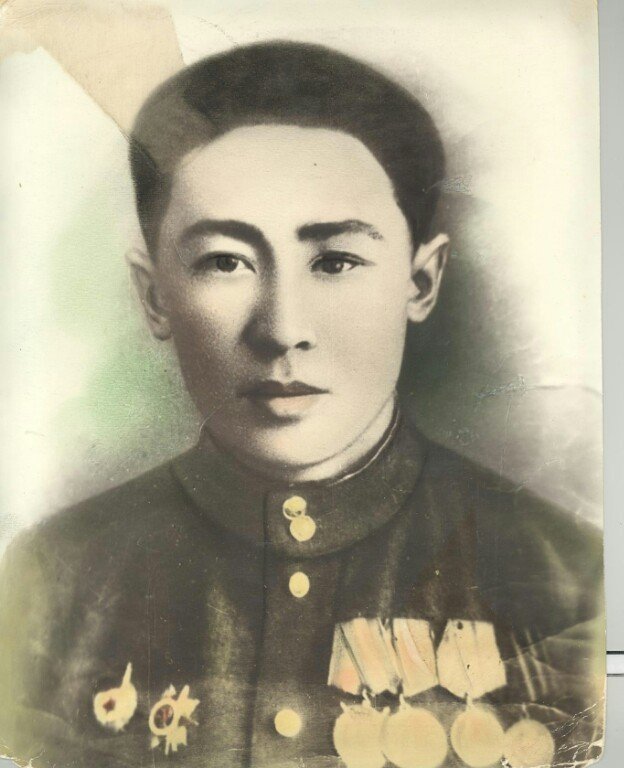
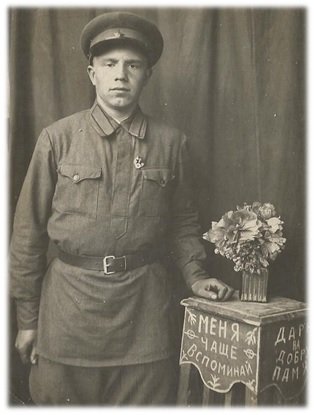

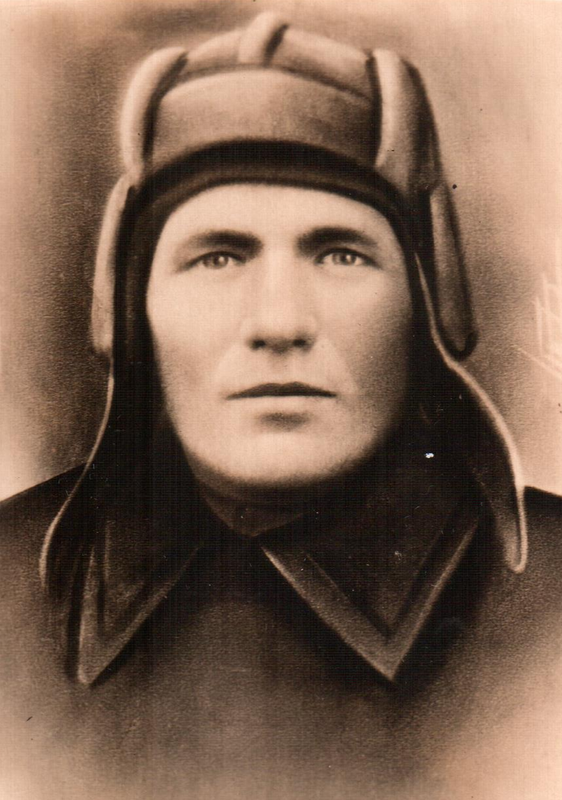
Zhdanov Ivan Ivanovich
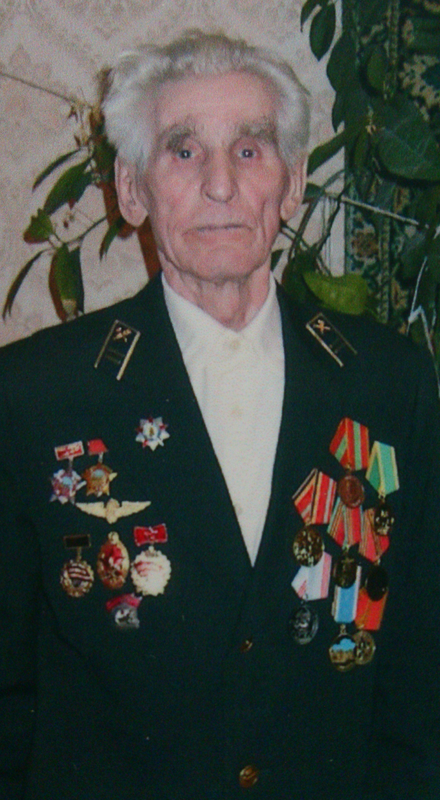
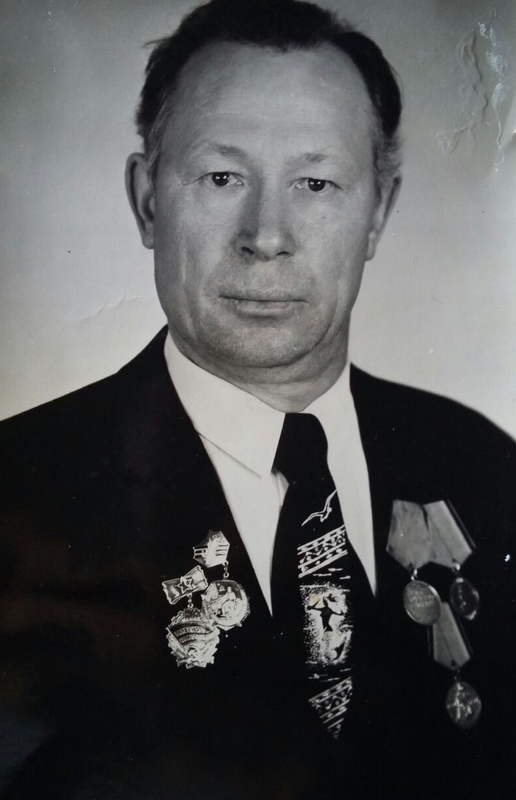
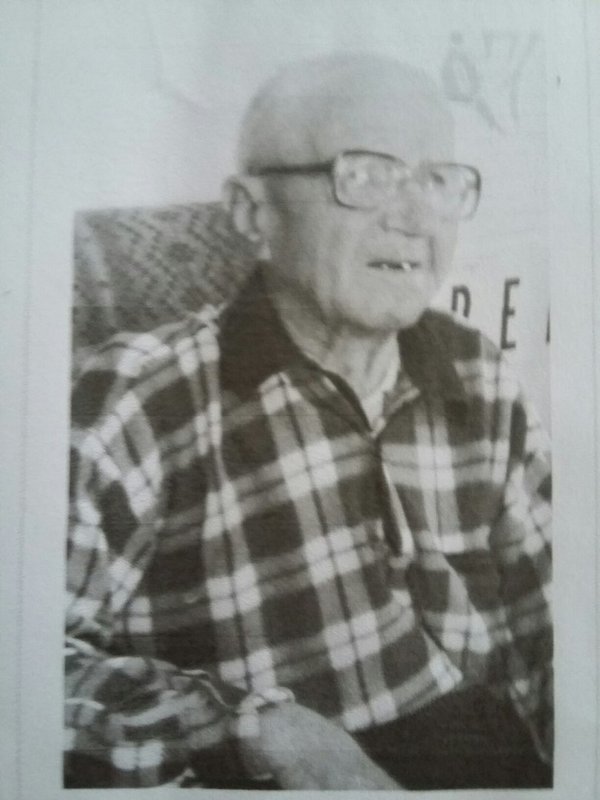
BACKGROUND: Title: Lieutenant. My grandfather was born in the Far East in the early 20th century to a military family who served under the Tsar. At the age of 14, he became an orphan. Nevertheless, he received a decent education for those times - four grades of school. He was brought up by an elderly Japanese and was taught all the wisdom of life. Ivan Ivanovich followed in the footsteps of his father - became a military man, and later joined the CPSU. By the order of the party, he moved with his wife and two children to the Altai - to develop the virgin lands of the region. There he built a house on his own, and his son helped him to do it. They had a large vegetable garden and pets. Two more children were born in Slavgorod, including my mother. After his military service in 1941, he was transferred to Nalchik, and from there to Leningrad. During the blockade, he led a car convoy carrying food to the city across Lake Ladoga. It was on his orders that the cars began to move on the ice not one after another, as it used to be, but in a wedge. This method allowed to reduce losses. At some point, on one of the rides, his car was hit by a German from the air. He was sitting next to the driver and miraculously survived. The driver died on the spot. His grandfather was wounded by a shell fragment and a part of the scalp was blown off. He quickly took control of the truck and drove the car to the shore. He felt weak on the shore and lost consciousness. He learned about his wound only when he regained consciousness in the hospital. There he spent six months. He was awarded several orders and medals. He did not like to talk about the war. When he was asked to remember something, he cried. In the postwar years, he worked in the fields of the Altai region, took the workers to collect wheat, and brought a car full of grain back to the elevator. I remember him cheerful, singing songs. My grandfather's favorite song is "A girl accompanied a fighter to the position".
Zhdanov Ivan Ivanovich
BACKGROUND: Title: Lieutenant. My grandfather was born in the Far East in the early 20th century to a military family who served under the Tsar. At the age of 14, he became an orphan. Nevertheless, he received a decent education for those times - four grades of school. He was brought up by an elderly Japanese and was taught all the wisdom of life. Ivan Ivanovich followed in the footsteps of his father - became a military man, and later joined the CPSU. By the order of the party, he moved with his wife and two children to the Altai - to develop the virgin lands of the region. There he built a house on his own, and his son helped him to do it. They had a large vegetable garden and pets. Two more children were born in Slavgorod, including my mother. After his military service in 1941, he was transferred to Nalchik, and from there to Leningrad. During the blockade, he led a car convoy carrying food to the city across Lake Ladoga. It was on his orders that the cars began to move on the ice not one after another, as it used to be, but in a wedge. This method allowed to reduce losses. At some point, on one of the rides, his car was hit by a German from the air. He was sitting next to the driver and miraculously survived. The driver died on the spot. His grandfather was wounded by a shell fragment and a part of the scalp was blown off. He quickly took control of the truck and drove the car to the shore. He felt weak on the shore and lost consciousness. He learned about his wound only when he regained consciousness in the hospital. There he spent six months. He was awarded several orders and medals. He did not like to talk about the war. When he was asked to remember something, he cried. In the postwar years, he worked in the fields of the Altai region, took the workers to collect wheat, and brought a car full of grain back to the elevator. I remember him cheerful, singing songs. My grandfather's favorite song is "A girl accompanied a fighter to the position".
0 comment




2026 © Russian Military Historical Society Developed by Jetmix