Back to
album
album
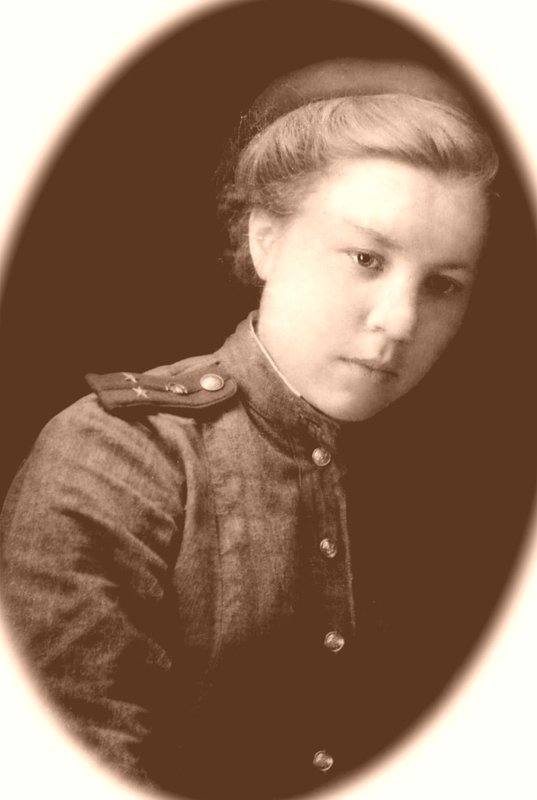
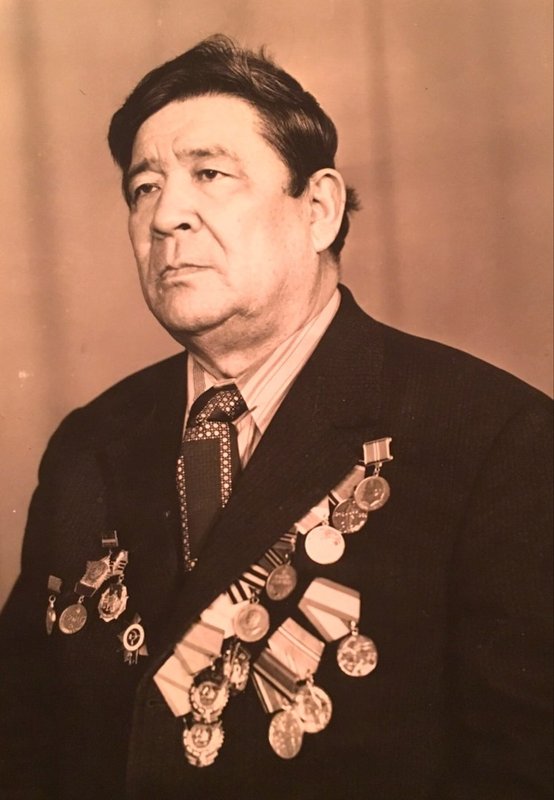

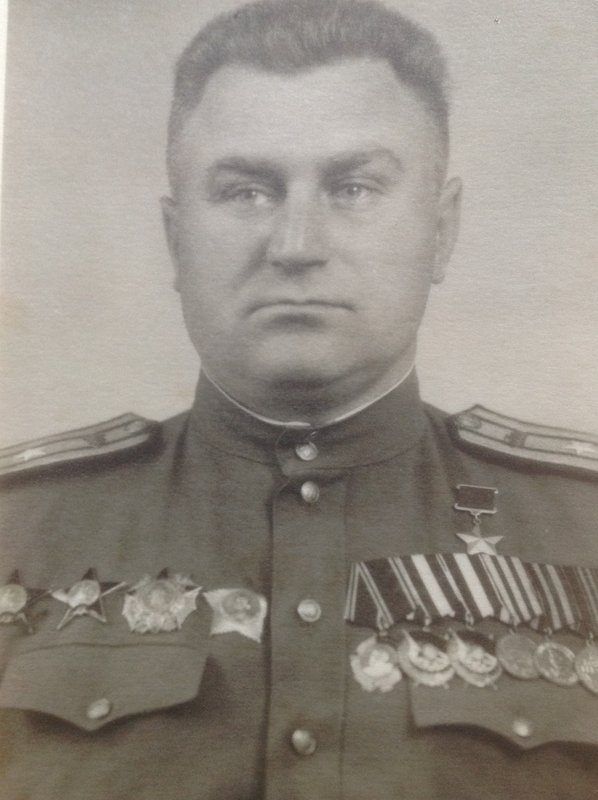
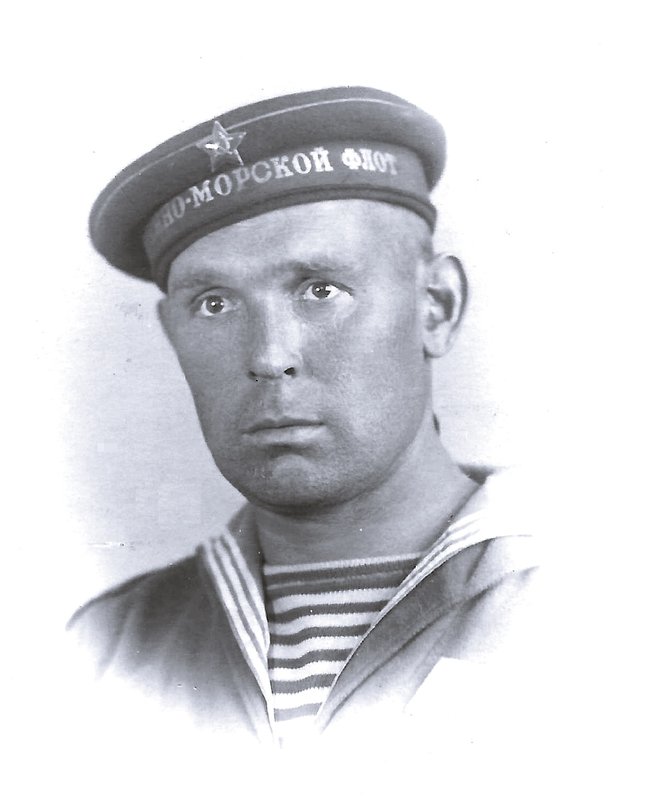

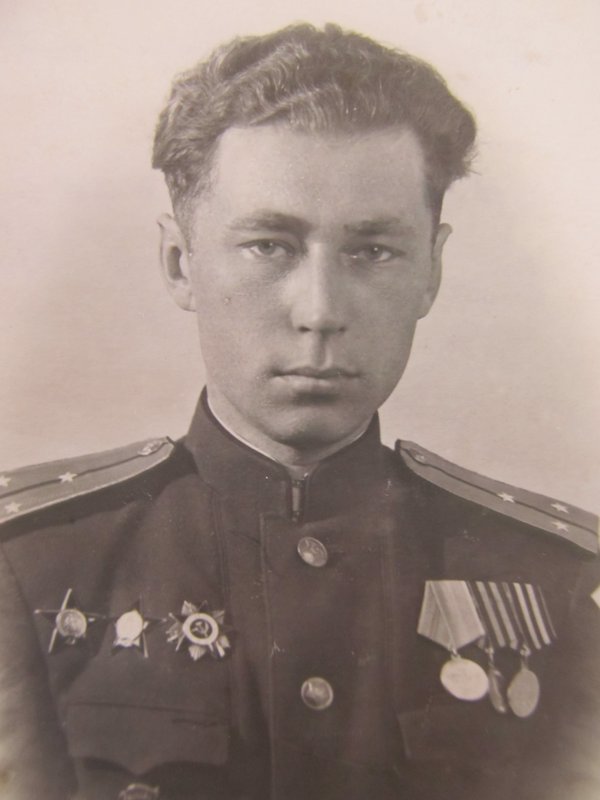
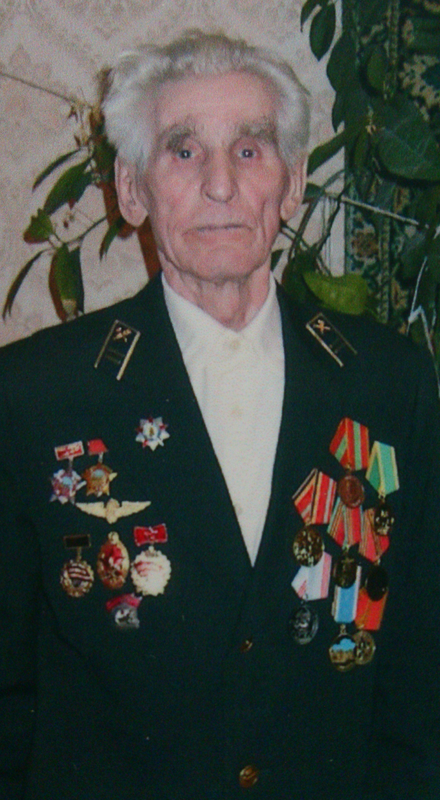
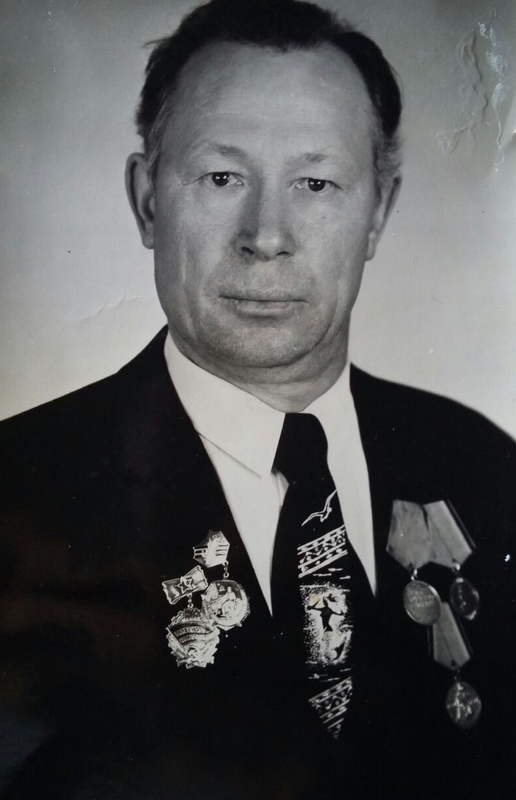

Zhurin Valentin Vasilyevich
BACKGROUND: The USSR Navy and Naval Forces Border Guard NKVD. I've never seen my grandfather, Valentin Vasilyevich Zhurin, since I was born after he was gone. Of course, I knew that he fought, had awards and finished the war in Koenigsberg. According to my grandmother and mother, he did not like to talk about the war. Mom shared only short stories that she had heard during the visit of his commander to his grandfather. One occasion helped to restore the military way of my grandfather. Before another Victory Day celebration, I went to “the Memory of the People website. 1941-1945" to find out if my grandfather was in the information base. On the site, I found not only information about my grandfather's awards, but also the award lists, which said why this or that award was received. Also a military ticket was kept in the archive of the family. On the basis of these documents the military way one of the Heroes of the Great Patriotic War was restored. And the fact that he was a Hero, however, like anyone who rose at least once in the attack, there is no doubt. Valentin Vasilyevich Zhurin, born in 1909, was called by mobilization by Strugo-Krasnensky RVC of the Leningrad region on June 23, 1941. Got to the Red Banner Baltic Fleet (CBF) in the fortification of the peninsula Hanko. Peninsula Hanko, or Gangut, was leased to the Soviet Union as a result of the signing of the peace treaty between Finland and the USSR on March 12, 1940. By order of the Navy Commissar NG Kuznetsov here was formed naval base Hanko. On the first day of the war, June 22, 1941, enemy bomber aircraft raided Hanko. Since late June, Finnish artillery fired intensive artillery and mortar shells at the front edge of the defense, spending from 2 to 6 thousand shells per day. In early August, the KBF command appealed to the Navy Commissar with a proposal to evacuate the base, but that proposal was found to be wrong. The Hanko garrison was left without supplies after Tallinn was left and the fleet left for Kronstadt. The defenders of the base began saving on everything, including food. On September 1, the meat allowance was reduced to 33 grams a day per person. It was not until October 23, given the difficult situation near Leningrad and the difficulty of supplying Hanko with supplies and defense in winter conditions, the WGC Stake decided to abandon Hanko. By the end of November, there were about 12 thousand people left at the base who were holding the defense. My grandfather was also among them. They were to be evacuated by a detachment of ships, which included transport No 521 "Joseph Stalin". But ... my grandfather did not get on it. And it was pure luck, because on December 3, 1941 "Joseph Stalin" exploded on a mine. My grandfather and his fellows were leaving the peninsula on ice first for the island of Gogland, which served as a base for the evacuation of the Hanko garrison, and then for Kronstadt. From December 1941 to May 1942, V.V. Zhurin was assigned to the Kronshtadt Marine Defence District of the KBF, and from May 1941 to March 1943 - to the island fortification area of Lavensari Island (island Moshniy), which was the westernmost point controlled by the KBF. Not once he went on bayonet charge. And he was lucky again - despite his height, 186 cm, he was never injured, only twice lightly shell-shocked. Due to the confusion that reigned at the beginning of the war, he was considered missing in the report "On the exclusion from the list of the KBF" dated September 2, 1942. But grandmother did not receive the report, because she and her three daughters were evacuated to the Kirov region. On June 12, 1943 grandfather was awarded his first battle award - the Medal "For the Defense of Leningrad". And in a report dated September 12, 1943, it was recorded that V.V. Zhurin is alive and is serving in the KBF skerry detachment. From 1943 to 1945 grandfather served as a senior electrician in the Armored Boat Detachment (BC) #322. In the spring of 1944 in Leningrad their BK, which was part of the KBF Sherry Ship Brigade, was transferred to the Ship Brigade of Captain 2nd rank Alexander Fyodorovich Arzhavkin. This brigade was transported by rail to Lake Chudskoe. During the Tallinn offensive, the task of the brigade was to help the troops drive the enemy out of the northern and western parts of the lake and Lake Piirisar, a key point on the road from Lake Chudskoe to Lake Pskovskoe. The brigade's boats began watch duty and were actively engaged in enemy communications. In the first battle with 4 enemy boats, the sailors sank 2 boats and took prisoners. It was for that battle that Grandpa received his second award. In the award list of the senior electrician V.V. Zhurin was written: "On June 13, 1944 in the battle with fascist boats on Chudskoe lake near Domozhirka, under the strong fire of the enemy, Zhurin provided ammunition for the cannon. Alone, without anybody's help, fixeda complex underwater hole that threatened to sink the boat. He took part in the capture of two German sailors from a broken enemy boat. For his courage and bravery, Comrade Jurin deserves a government award of the Order of the Red Star. This case was mentioned in the report of Sovinformbureau from June 16, 1944: "Two of our armored boats under the command of Lieutenant Smirnov and Lieutenant Volkotrub, being in the patrol on Lake Chudskoe, found four German boats. The Soviet sailors attacked the enemy. Lieutenant Volkotrub's armored boat rammed the enemy's boat and sank it. Another German boat was seriously damaged. Our boats returned to their base without loss or damage. It was the first and only case during the war of sinking the enemy surface ship with a battering ram blow. This battle lasted only 7 minutes. From May to November 1945 my grandfather served as the chief mechanic of workshops in Pillau (Baltiysk, Kaliningrad region) and was demobilized in the rank of Petty Officer 1 degree on 11 November 1945. Already after the end of the war he was awarded the medal "For the victory over Germany in the Great Patriotic War of 1941-1945. He never took part in any festive events dedicated to Victory Day. He did not have time. But in the "Immortal Regiment" he was in formation along with other participants of the war, even if not in the city where he was born, and not in the city that he defended. And people said to him and to all of them, 'Thank you!
Zhurin Valentin Vasilyevich
BACKGROUND: The USSR Navy and Naval Forces Border Guard NKVD. I've never seen my grandfather, Valentin Vasilyevich Zhurin, since I was born after he was gone. Of course, I knew that he fought, had awards and finished the war in Koenigsberg. According to my grandmother and mother, he did not like to talk about the war. Mom shared only short stories that she had heard during the visit of his commander to his grandfather. One occasion helped to restore the military way of my grandfather. Before another Victory Day celebration, I went to “the Memory of the People website. 1941-1945" to find out if my grandfather was in the information base. On the site, I found not only information about my grandfather's awards, but also the award lists, which said why this or that award was received. Also a military ticket was kept in the archive of the family. On the basis of these documents the military way one of the Heroes of the Great Patriotic War was restored. And the fact that he was a Hero, however, like anyone who rose at least once in the attack, there is no doubt. Valentin Vasilyevich Zhurin, born in 1909, was called by mobilization by Strugo-Krasnensky RVC of the Leningrad region on June 23, 1941. Got to the Red Banner Baltic Fleet (CBF) in the fortification of the peninsula Hanko. Peninsula Hanko, or Gangut, was leased to the Soviet Union as a result of the signing of the peace treaty between Finland and the USSR on March 12, 1940. By order of the Navy Commissar NG Kuznetsov here was formed naval base Hanko. On the first day of the war, June 22, 1941, enemy bomber aircraft raided Hanko. Since late June, Finnish artillery fired intensive artillery and mortar shells at the front edge of the defense, spending from 2 to 6 thousand shells per day. In early August, the KBF command appealed to the Navy Commissar with a proposal to evacuate the base, but that proposal was found to be wrong. The Hanko garrison was left without supplies after Tallinn was left and the fleet left for Kronstadt. The defenders of the base began saving on everything, including food. On September 1, the meat allowance was reduced to 33 grams a day per person. It was not until October 23, given the difficult situation near Leningrad and the difficulty of supplying Hanko with supplies and defense in winter conditions, the WGC Stake decided to abandon Hanko. By the end of November, there were about 12 thousand people left at the base who were holding the defense. My grandfather was also among them. They were to be evacuated by a detachment of ships, which included transport No 521 "Joseph Stalin". But ... my grandfather did not get on it. And it was pure luck, because on December 3, 1941 "Joseph Stalin" exploded on a mine. My grandfather and his fellows were leaving the peninsula on ice first for the island of Gogland, which served as a base for the evacuation of the Hanko garrison, and then for Kronstadt. From December 1941 to May 1942, V.V. Zhurin was assigned to the Kronshtadt Marine Defence District of the KBF, and from May 1941 to March 1943 - to the island fortification area of Lavensari Island (island Moshniy), which was the westernmost point controlled by the KBF. Not once he went on bayonet charge. And he was lucky again - despite his height, 186 cm, he was never injured, only twice lightly shell-shocked. Due to the confusion that reigned at the beginning of the war, he was considered missing in the report "On the exclusion from the list of the KBF" dated September 2, 1942. But grandmother did not receive the report, because she and her three daughters were evacuated to the Kirov region. On June 12, 1943 grandfather was awarded his first battle award - the Medal "For the Defense of Leningrad". And in a report dated September 12, 1943, it was recorded that V.V. Zhurin is alive and is serving in the KBF skerry detachment. From 1943 to 1945 grandfather served as a senior electrician in the Armored Boat Detachment (BC) #322. In the spring of 1944 in Leningrad their BK, which was part of the KBF Sherry Ship Brigade, was transferred to the Ship Brigade of Captain 2nd rank Alexander Fyodorovich Arzhavkin. This brigade was transported by rail to Lake Chudskoe. During the Tallinn offensive, the task of the brigade was to help the troops drive the enemy out of the northern and western parts of the lake and Lake Piirisar, a key point on the road from Lake Chudskoe to Lake Pskovskoe. The brigade's boats began watch duty and were actively engaged in enemy communications. In the first battle with 4 enemy boats, the sailors sank 2 boats and took prisoners. It was for that battle that Grandpa received his second award. In the award list of the senior electrician V.V. Zhurin was written: "On June 13, 1944 in the battle with fascist boats on Chudskoe lake near Domozhirka, under the strong fire of the enemy, Zhurin provided ammunition for the cannon. Alone, without anybody's help, fixeda complex underwater hole that threatened to sink the boat. He took part in the capture of two German sailors from a broken enemy boat. For his courage and bravery, Comrade Jurin deserves a government award of the Order of the Red Star. This case was mentioned in the report of Sovinformbureau from June 16, 1944: "Two of our armored boats under the command of Lieutenant Smirnov and Lieutenant Volkotrub, being in the patrol on Lake Chudskoe, found four German boats. The Soviet sailors attacked the enemy. Lieutenant Volkotrub's armored boat rammed the enemy's boat and sank it. Another German boat was seriously damaged. Our boats returned to their base without loss or damage. It was the first and only case during the war of sinking the enemy surface ship with a battering ram blow. This battle lasted only 7 minutes. From May to November 1945 my grandfather served as the chief mechanic of workshops in Pillau (Baltiysk, Kaliningrad region) and was demobilized in the rank of Petty Officer 1 degree on 11 November 1945. Already after the end of the war he was awarded the medal "For the victory over Germany in the Great Patriotic War of 1941-1945. He never took part in any festive events dedicated to Victory Day. He did not have time. But in the "Immortal Regiment" he was in formation along with other participants of the war, even if not in the city where he was born, and not in the city that he defended. And people said to him and to all of them, 'Thank you!
0 comment



2026 © Russian Military Historical Society Developed by Jetmix