Back to
album
album
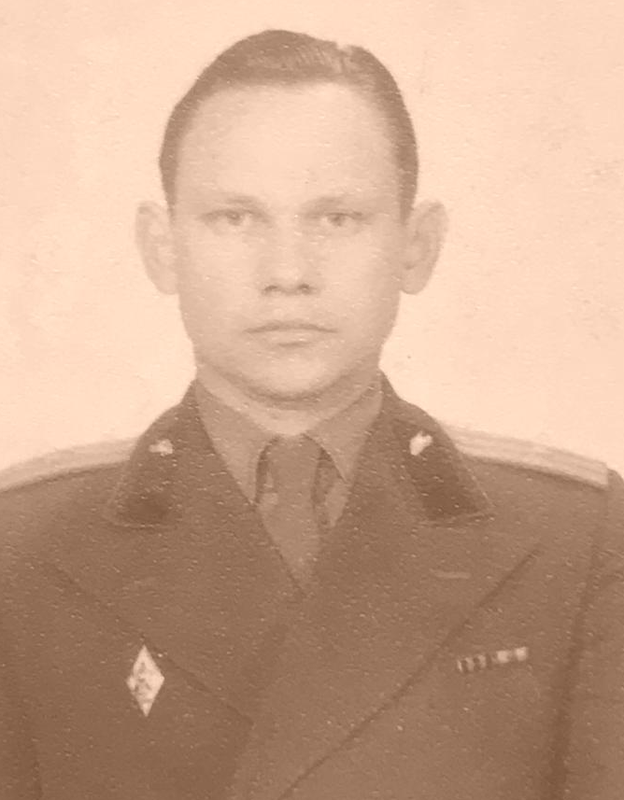
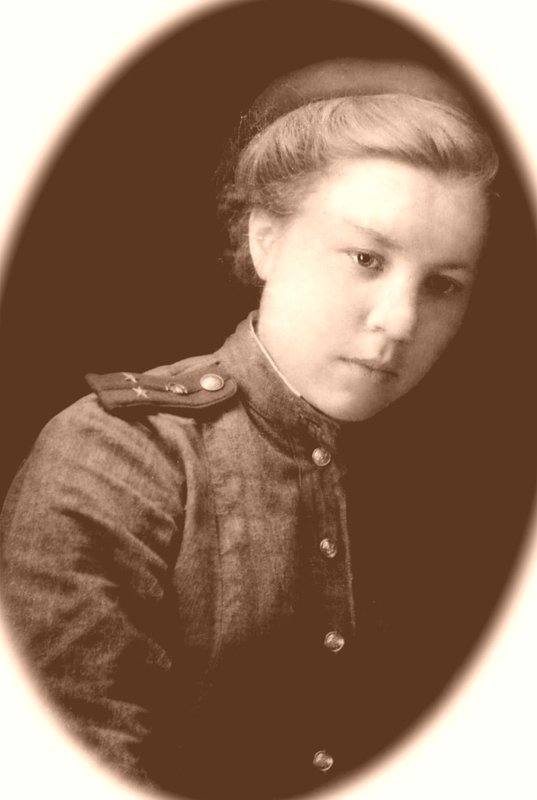
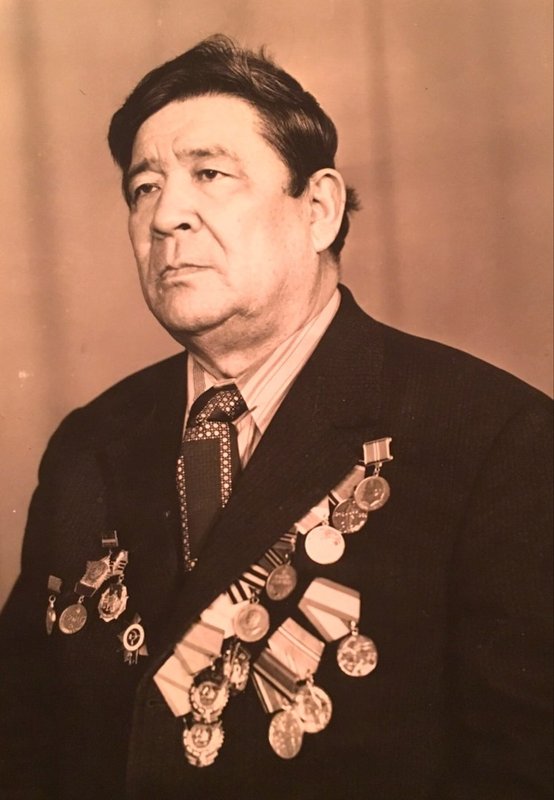

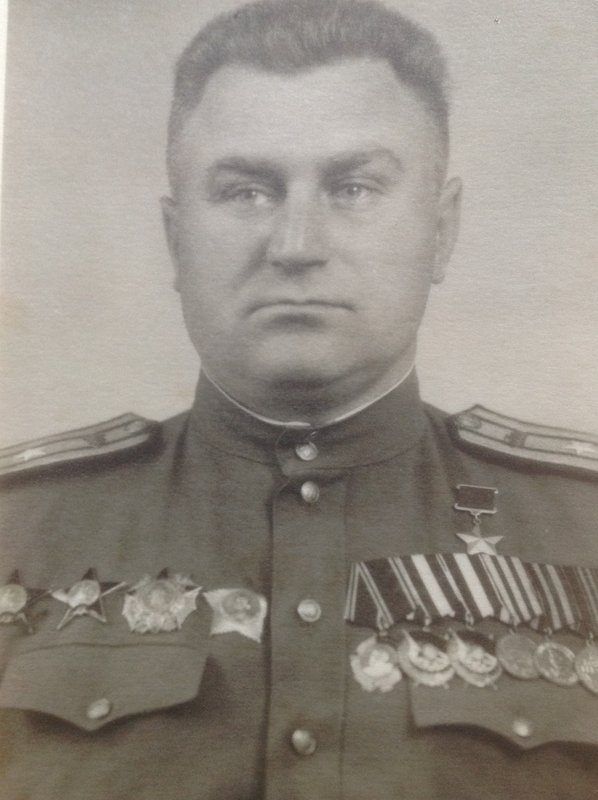
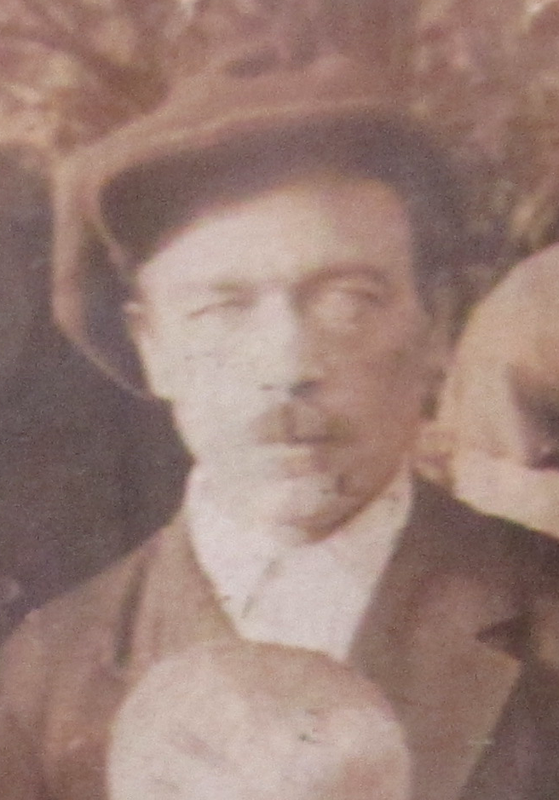
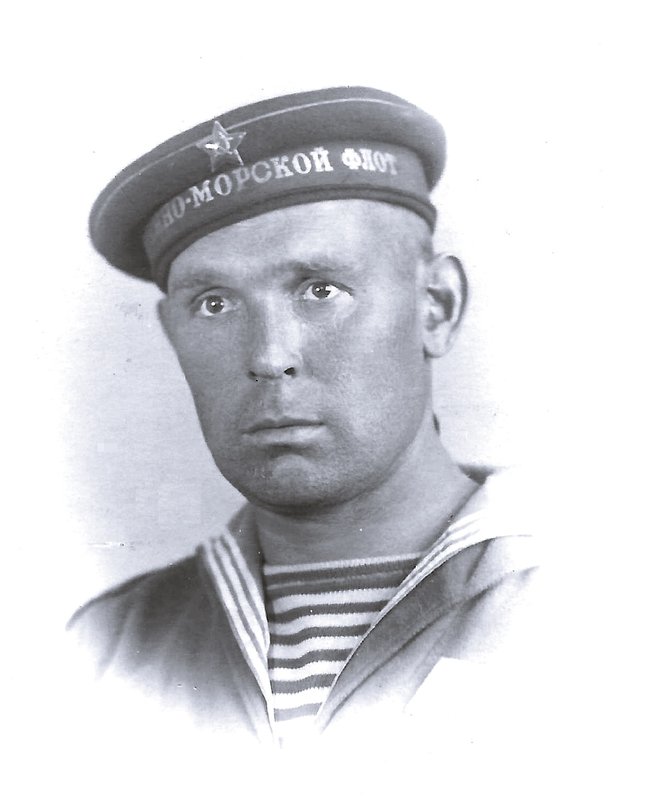

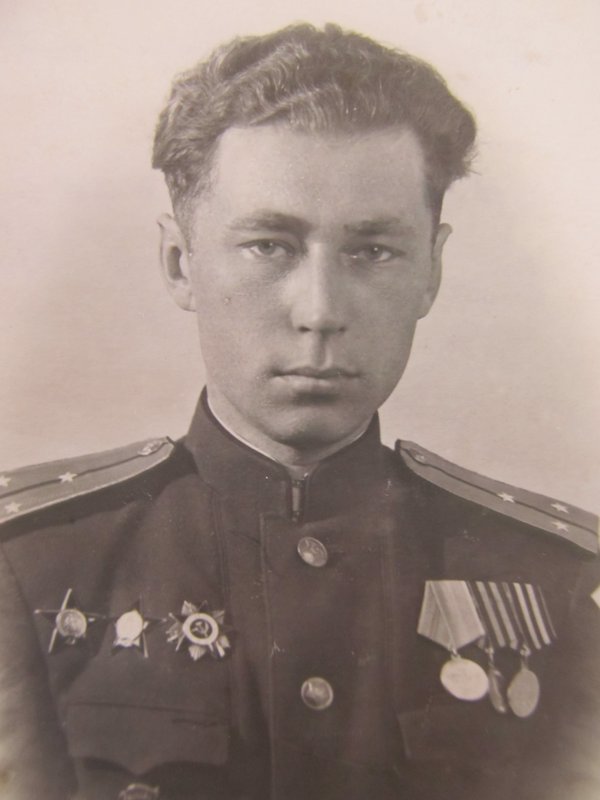
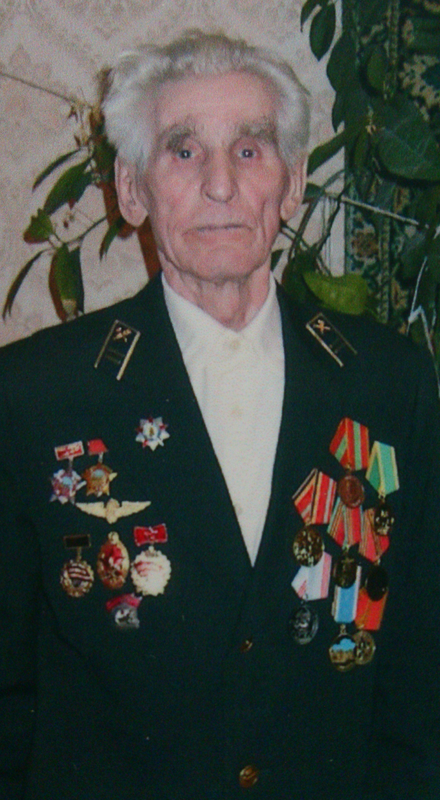
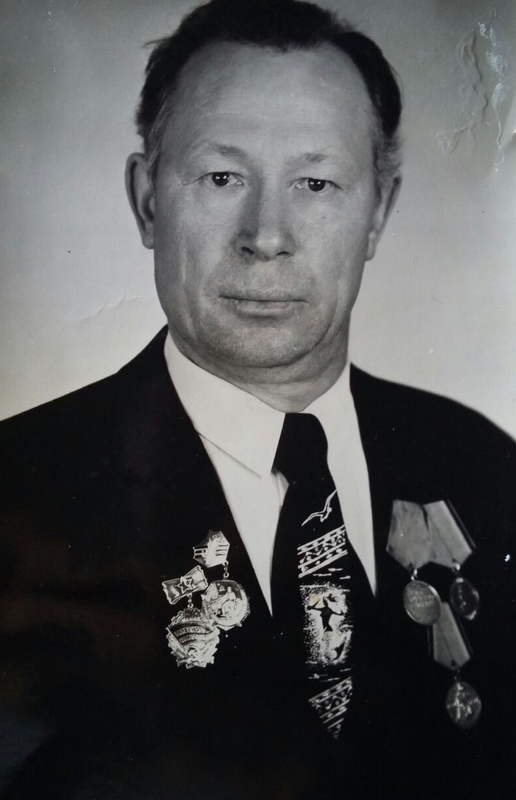
Zheltov Vasily Ivanovich
BACKGROUND: Red Army Troops: Ground Forces, Air Force (except marine aviation), Coast Guard, NKVD troops, Border Guard Division: 371st rifle division of Vitebsk Red Banner of the Orders of Suvorov and Kutuzov. My great-grandfather Zheltov Vasily Ivanovich, was born in 1900 in Morshansk, Tambov region. The father of 11 children was drafted to the front in the 371st rifle division, which was formed on November 30, 1941 in the rank of Red Army as a gunner. The 371st rifle division included: rifle and artillery regiments, anti-tank fighter division, anti-aircraft artillery, reconnaissance company, sapper battalion, communications battalion, medical and sanitary battalion, chemical protection company, motor transport company, field bakery, veterinary infirmary, field post station and field cash office of the State Bank. In early August 1943, the Supreme Command's headquarters ordered the troops of the Western Front to advance in order to defeat the opposing German Army Group Center, to take possession of the Roslavl-Smolensk border and prevent the transfer of Hitler's units from that part of the front to the south, where the Soviet armed forces were dealing the main blow. The 10th Army had three enemy infantry divisions in front of them, defending the line of 72km, which meant that each division was defending a 24km strip on average. August 6, 1943 units of the 10th Army began fighting to break through a year and a half long enemy's defense. Tank companies and assault rifle companies were the first to attack. The attack was preceded by art.training, but it was not able to completely suppress the resistance of the enemy, as the Germans had a year and a half to greatly strengthen its positions and surrounded them with minefields. The first tanks were hit by artillery, bumping into a minefield and being undermined by mines. The Soviet tankers' attack was supported by assault aircraft. But it was met by German bombers. The brutal battle took place in the air and on the ground. As a result, our tankers broke into the Verhnuu Pesochnu, in the battle for which they destroyed 4 enemy batteries, 6 tanks and hundreds of Hitlerites. The bloody battles for the liberation of the area lasted for a whole month. On August 10 at 5.30 a.m., our offensive began from the frontier of Verhnuu Pesochnu - Ostraya Sloboda. At 11.00 our troops captured Ostroya Sloboda, Babkin, Vorobievka and by 17.00 broke through the enemy's defense at the front of 9 km, and at a depth of 2.5 km. Seven settlements were liberated, including Natarovo, Mamonovo, Pupovo, Yasnaya Polyana and Shinkovo. On August 11, after three days of heavy fighting, Chernaya, Kulakovka and Koryagino were freed. On that day, the compounds of the 10th Army, supported by the front air force forced the Bolva River at the front of 7 km from Dolgoye to Glin'kov and advanced from 4 to 8 km, releasing 8 settlements, including Glin'kovo, Tyagaevo, K. Marx settlement. During the battle of August 9-11, the soldiers of the rifle division alone killed more than 200 enemy soldiers and officers, 40 people and many rifles were captured, machine guns, mortars, ammunition and several vehicles. According to combat reports from the 371st rifle division's chief of staff, Colonel Sakayev, it was clear that there was a fierce battle in which Vasiliy Ivanovich Zheltov, great-grandfather, was killed. By 18 p.m. on August 11, 1943: -12 people were killed, 36 wounded, by 1:30 a.m. on August 12, 1943: 73 persons were killed, 173 wounded, of whom 60% from aviation activities. Later, on August 30, the commander of the Bryansk Front ordered by September 2, 1943, to redeploy the troops of the Bryansk 50th Army to the area of Kirov and help in the liberation of Kirov region. The offensive began on September 7, 1943. Having overcome the enemy's fire resistance, our troops broke through the defense to a depth of 25 km and liberated 52 settlements. The enemy suffered heavy losses: about 2,000 Hitlerites were killed, 300 enemies were captured. We got rich trophies: 32 guns, 15 mortars, 100 machine guns, 27 cars and 6 platforms with military equipment and food, many warehouses with ammunition. And already on September 10 the territory of Kirovsky district was completely cleared of German fascist troops. Then the divisions moved to liberate Bryansk and on September 17, 1943, the city in which I now live, was completely liberated from the Nazis. My great-grandfather was killed in the fiercest battle on August 11, 1943 in Smolensk region. The primary place of burial in the village of Blizhnee Natarovo, then on the outskirts of the village of Ostraya Sloboda a common grave with the size of 40 square meters appeared. There were buried Soviet soldiers who died in the defensive and offensive battles of 1942 - 1943. In 1961, a monument was erected on the common grave. On the pedestal - a one-and-a-half-meter plaster sculpture of the kneeling warrior with a naked and mournfully bowed head, with a cape behind his back, in his right hand holding a helmet, in the left – a banner, poined down. In total, in the common grave in the village of Ostraya Sloboda rest ashes 447 soldiers. Of these, the names of 368 warriors are known and 79 warriors whose names are unknown. Vasiliy Ivanovich Zheltov took part in the battle of Moscow, including the storming of the Klin, participated in the battles at Rzhev and Vyazma and the liberation of the Smolensk region. ______________________________________________________________________________ 371st Rifle Division was formed in the autumn of 1941 in the Chelyabinsk region in Chebarkul. At the end of November and beginning of December 1941, it became part of the 30th Army, unloading from 2 to 5.12.41 at the Savelovo station. As of December 1, 1941, the 371st Rifle Division was part of the 30th Army of the Western Front. From December 5, the 30th Army participated in the counteroffensive of our troops near Moscow. On the night of December 9, the 371st Rifle Division of Major-General F. V. Chernyshev and the 21st Tank Brigade of Lieutenant Colonel A. L. Lesovoy fought hard near Shevelev, Yasenev (5 km northeast of Klin). The Klin-Rogachevo highway was cut off at the exit to Shevelev. On December 12, the 371st Rifle Division and 21st Tank Brigade continued fighting at the Selukhino border (6-10 km northeast of Klin), M. Shchapovo, repulsing an enemy counterattack from a forest south of Selukhino. The 1233rd Reshetov Rifle Regiment of the 371st Chelyabinsk Division's 371st Rifle Division fought especially selflessly. Breaking down two regiments of Nazi resistance near Praslovo and to the west, the 371st rifle division stormed into the northern outskirts of Klin. One regiment of this division fought on the front of M. Shchapovo, Pluskovo, having the right flank at the southern outskirts of Maydanov, the left - 1.5 km west of Kirp. On December 15, at 2 pm after many days and heavy fighting, units of the 371st rifle division of the 30th Army entered Klin. The 1263rd rifle regiment, commanded by Colonel Reshetov, was the first to break into the city. By 7 a.m. the other two regiments of the 371st rifle division entered the city. By the morning of December 20, the 371st regiment had reached the border of the Lama River. In the second echelon behind the 371st rifle division was concentrated 365th rifle division of Colonel M.A. Shchukin. By the end of December 21, 1229th regiment of the 371st rifle division freed Shestakovo. The attack on Palkino and Kelii began. Attempts of the 371st rifle division to liberate Chapaevo and Oshenevo villages on December 25 were also unsuccessful. The day before the 1233rd regiment of the 371st Rifle Division, without the support of the 8th Tank Brigade, had to leave the newly liberated Marmyli and Zvanovo, battalion commander Lieutenant Bashko was killed. 371st Infantry Division with the support of the 21st Tank Brigade, freed Kletki, Rozhdestvo, Pavlovskoye, Fedosovo launched an offensive towards Novo-Vasilyevskoye, Makarovo, Oshenevo and Chapaevo. All these settlements were also heavily fortified by the enemy defenses. In late December, the Germans introduced the most brutal discipline in their units. Retreat, any surrender of positions was punished up to shooting. Hitlerites fought with the tenacity of the doomed. The 371st Rifle Division's units near Novo-Vasilyevsk and Makarov suffered heavy losses, while the 21st Tank Brigade lost almost all its tanks near Kalicin. As of January 1, 1942, it was part of the 30th Army of the Kalinin Front. From late July 1942, it was part of the 30th Army of the Kalinin Front. 371 rd was fighting at Rzhev for the villages of Isakovo, Burakovo, Gubino, Kopytikha and Gribeyevo. In November 1942 it fought at Zubarevo village, Zubtsovsky district, Kalinin region. Since November 1943, 371st Division within the 33rd Army broke through the German deep fortification of Vitebsk with the code name "Bear's rampart".
Zheltov Vasily Ivanovich
BACKGROUND: Red Army Troops: Ground Forces, Air Force (except marine aviation), Coast Guard, NKVD troops, Border Guard Division: 371st rifle division of Vitebsk Red Banner of the Orders of Suvorov and Kutuzov. My great-grandfather Zheltov Vasily Ivanovich, was born in 1900 in Morshansk, Tambov region. The father of 11 children was drafted to the front in the 371st rifle division, which was formed on November 30, 1941 in the rank of Red Army as a gunner. The 371st rifle division included: rifle and artillery regiments, anti-tank fighter division, anti-aircraft artillery, reconnaissance company, sapper battalion, communications battalion, medical and sanitary battalion, chemical protection company, motor transport company, field bakery, veterinary infirmary, field post station and field cash office of the State Bank. In early August 1943, the Supreme Command's headquarters ordered the troops of the Western Front to advance in order to defeat the opposing German Army Group Center, to take possession of the Roslavl-Smolensk border and prevent the transfer of Hitler's units from that part of the front to the south, where the Soviet armed forces were dealing the main blow. The 10th Army had three enemy infantry divisions in front of them, defending the line of 72km, which meant that each division was defending a 24km strip on average. August 6, 1943 units of the 10th Army began fighting to break through a year and a half long enemy's defense. Tank companies and assault rifle companies were the first to attack. The attack was preceded by art.training, but it was not able to completely suppress the resistance of the enemy, as the Germans had a year and a half to greatly strengthen its positions and surrounded them with minefields. The first tanks were hit by artillery, bumping into a minefield and being undermined by mines. The Soviet tankers' attack was supported by assault aircraft. But it was met by German bombers. The brutal battle took place in the air and on the ground. As a result, our tankers broke into the Verhnuu Pesochnu, in the battle for which they destroyed 4 enemy batteries, 6 tanks and hundreds of Hitlerites. The bloody battles for the liberation of the area lasted for a whole month. On August 10 at 5.30 a.m., our offensive began from the frontier of Verhnuu Pesochnu - Ostraya Sloboda. At 11.00 our troops captured Ostroya Sloboda, Babkin, Vorobievka and by 17.00 broke through the enemy's defense at the front of 9 km, and at a depth of 2.5 km. Seven settlements were liberated, including Natarovo, Mamonovo, Pupovo, Yasnaya Polyana and Shinkovo. On August 11, after three days of heavy fighting, Chernaya, Kulakovka and Koryagino were freed. On that day, the compounds of the 10th Army, supported by the front air force forced the Bolva River at the front of 7 km from Dolgoye to Glin'kov and advanced from 4 to 8 km, releasing 8 settlements, including Glin'kovo, Tyagaevo, K. Marx settlement. During the battle of August 9-11, the soldiers of the rifle division alone killed more than 200 enemy soldiers and officers, 40 people and many rifles were captured, machine guns, mortars, ammunition and several vehicles. According to combat reports from the 371st rifle division's chief of staff, Colonel Sakayev, it was clear that there was a fierce battle in which Vasiliy Ivanovich Zheltov, great-grandfather, was killed. By 18 p.m. on August 11, 1943: -12 people were killed, 36 wounded, by 1:30 a.m. on August 12, 1943: 73 persons were killed, 173 wounded, of whom 60% from aviation activities. Later, on August 30, the commander of the Bryansk Front ordered by September 2, 1943, to redeploy the troops of the Bryansk 50th Army to the area of Kirov and help in the liberation of Kirov region. The offensive began on September 7, 1943. Having overcome the enemy's fire resistance, our troops broke through the defense to a depth of 25 km and liberated 52 settlements. The enemy suffered heavy losses: about 2,000 Hitlerites were killed, 300 enemies were captured. We got rich trophies: 32 guns, 15 mortars, 100 machine guns, 27 cars and 6 platforms with military equipment and food, many warehouses with ammunition. And already on September 10 the territory of Kirovsky district was completely cleared of German fascist troops. Then the divisions moved to liberate Bryansk and on September 17, 1943, the city in which I now live, was completely liberated from the Nazis. My great-grandfather was killed in the fiercest battle on August 11, 1943 in Smolensk region. The primary place of burial in the village of Blizhnee Natarovo, then on the outskirts of the village of Ostraya Sloboda a common grave with the size of 40 square meters appeared. There were buried Soviet soldiers who died in the defensive and offensive battles of 1942 - 1943. In 1961, a monument was erected on the common grave. On the pedestal - a one-and-a-half-meter plaster sculpture of the kneeling warrior with a naked and mournfully bowed head, with a cape behind his back, in his right hand holding a helmet, in the left – a banner, poined down. In total, in the common grave in the village of Ostraya Sloboda rest ashes 447 soldiers. Of these, the names of 368 warriors are known and 79 warriors whose names are unknown. Vasiliy Ivanovich Zheltov took part in the battle of Moscow, including the storming of the Klin, participated in the battles at Rzhev and Vyazma and the liberation of the Smolensk region. ______________________________________________________________________________ 371st Rifle Division was formed in the autumn of 1941 in the Chelyabinsk region in Chebarkul. At the end of November and beginning of December 1941, it became part of the 30th Army, unloading from 2 to 5.12.41 at the Savelovo station. As of December 1, 1941, the 371st Rifle Division was part of the 30th Army of the Western Front. From December 5, the 30th Army participated in the counteroffensive of our troops near Moscow. On the night of December 9, the 371st Rifle Division of Major-General F. V. Chernyshev and the 21st Tank Brigade of Lieutenant Colonel A. L. Lesovoy fought hard near Shevelev, Yasenev (5 km northeast of Klin). The Klin-Rogachevo highway was cut off at the exit to Shevelev. On December 12, the 371st Rifle Division and 21st Tank Brigade continued fighting at the Selukhino border (6-10 km northeast of Klin), M. Shchapovo, repulsing an enemy counterattack from a forest south of Selukhino. The 1233rd Reshetov Rifle Regiment of the 371st Chelyabinsk Division's 371st Rifle Division fought especially selflessly. Breaking down two regiments of Nazi resistance near Praslovo and to the west, the 371st rifle division stormed into the northern outskirts of Klin. One regiment of this division fought on the front of M. Shchapovo, Pluskovo, having the right flank at the southern outskirts of Maydanov, the left - 1.5 km west of Kirp. On December 15, at 2 pm after many days and heavy fighting, units of the 371st rifle division of the 30th Army entered Klin. The 1263rd rifle regiment, commanded by Colonel Reshetov, was the first to break into the city. By 7 a.m. the other two regiments of the 371st rifle division entered the city. By the morning of December 20, the 371st regiment had reached the border of the Lama River. In the second echelon behind the 371st rifle division was concentrated 365th rifle division of Colonel M.A. Shchukin. By the end of December 21, 1229th regiment of the 371st rifle division freed Shestakovo. The attack on Palkino and Kelii began. Attempts of the 371st rifle division to liberate Chapaevo and Oshenevo villages on December 25 were also unsuccessful. The day before the 1233rd regiment of the 371st Rifle Division, without the support of the 8th Tank Brigade, had to leave the newly liberated Marmyli and Zvanovo, battalion commander Lieutenant Bashko was killed. 371st Infantry Division with the support of the 21st Tank Brigade, freed Kletki, Rozhdestvo, Pavlovskoye, Fedosovo launched an offensive towards Novo-Vasilyevskoye, Makarovo, Oshenevo and Chapaevo. All these settlements were also heavily fortified by the enemy defenses. In late December, the Germans introduced the most brutal discipline in their units. Retreat, any surrender of positions was punished up to shooting. Hitlerites fought with the tenacity of the doomed. The 371st Rifle Division's units near Novo-Vasilyevsk and Makarov suffered heavy losses, while the 21st Tank Brigade lost almost all its tanks near Kalicin. As of January 1, 1942, it was part of the 30th Army of the Kalinin Front. From late July 1942, it was part of the 30th Army of the Kalinin Front. 371 rd was fighting at Rzhev for the villages of Isakovo, Burakovo, Gubino, Kopytikha and Gribeyevo. In November 1942 it fought at Zubarevo village, Zubtsovsky district, Kalinin region. Since November 1943, 371st Division within the 33rd Army broke through the German deep fortification of Vitebsk with the code name "Bear's rampart".
0 comment




2026 © Russian Military Historical Society Developed by Jetmix