Back to
album
album
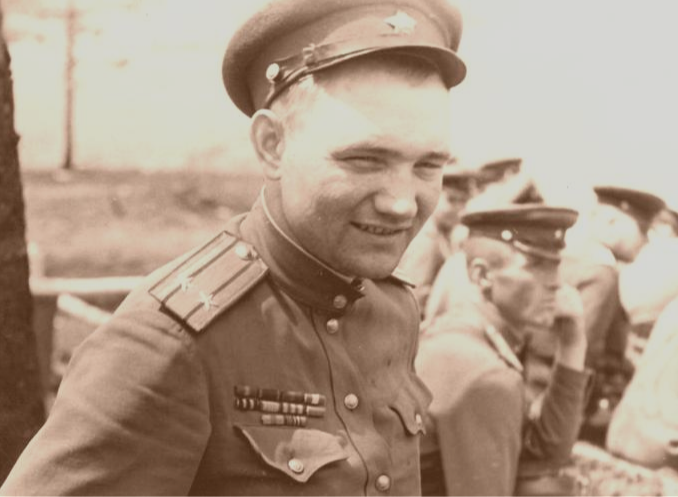
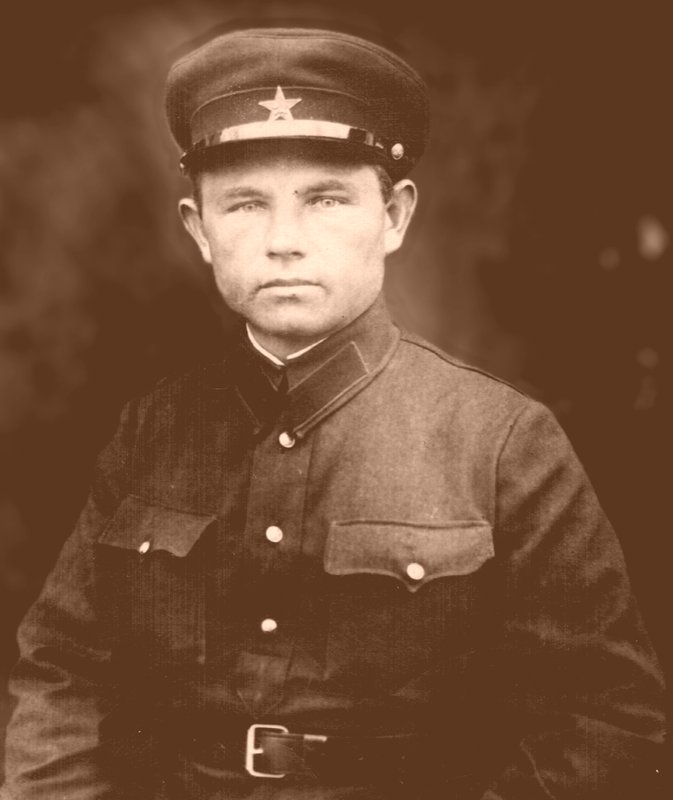
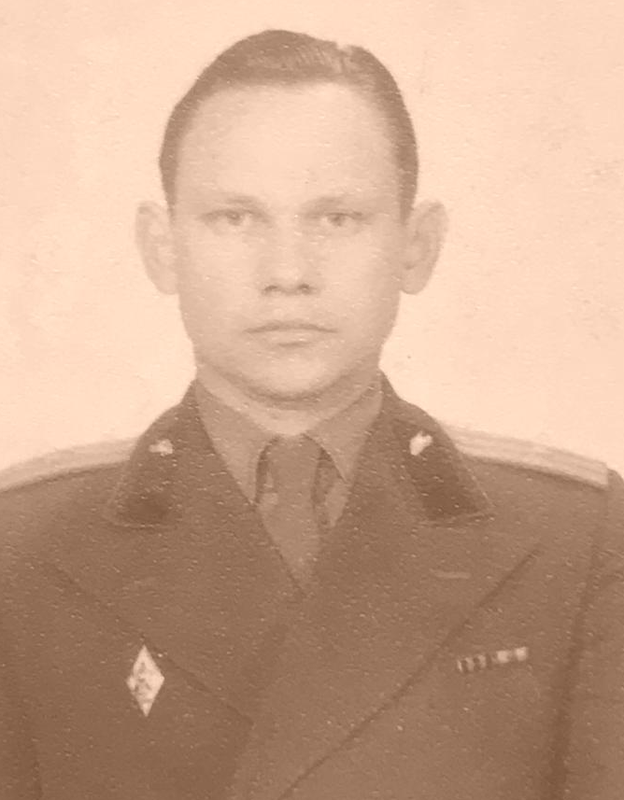
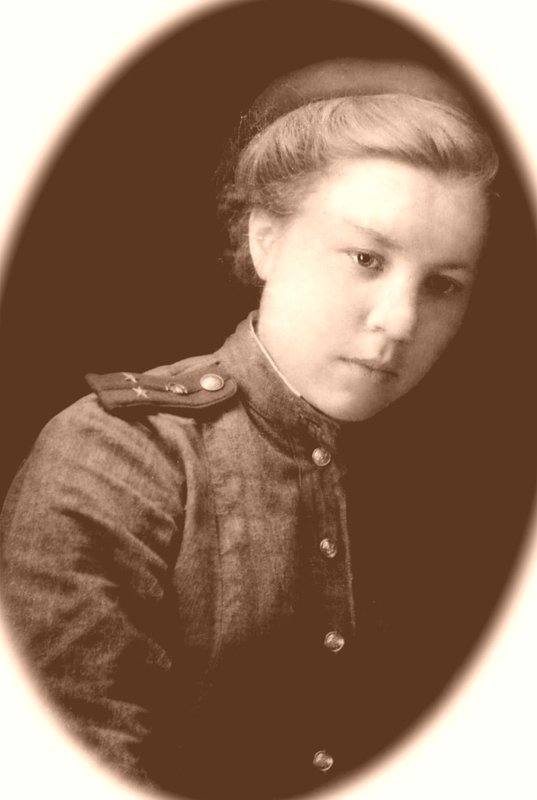
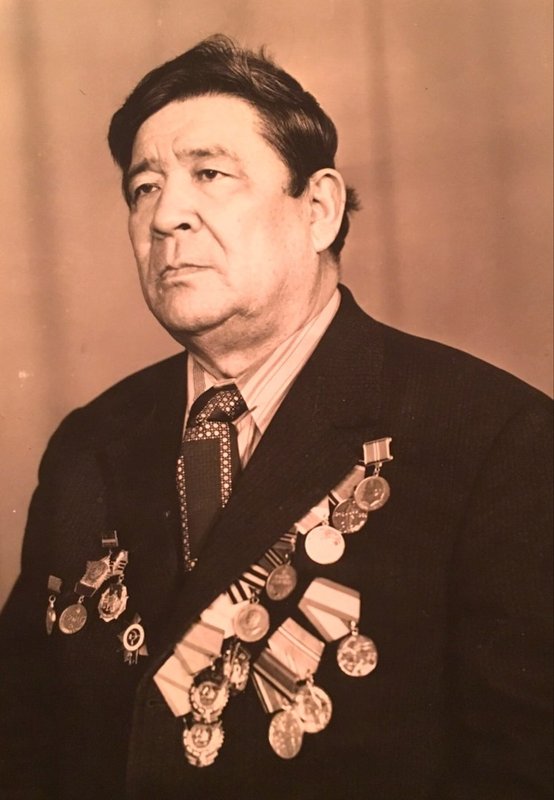

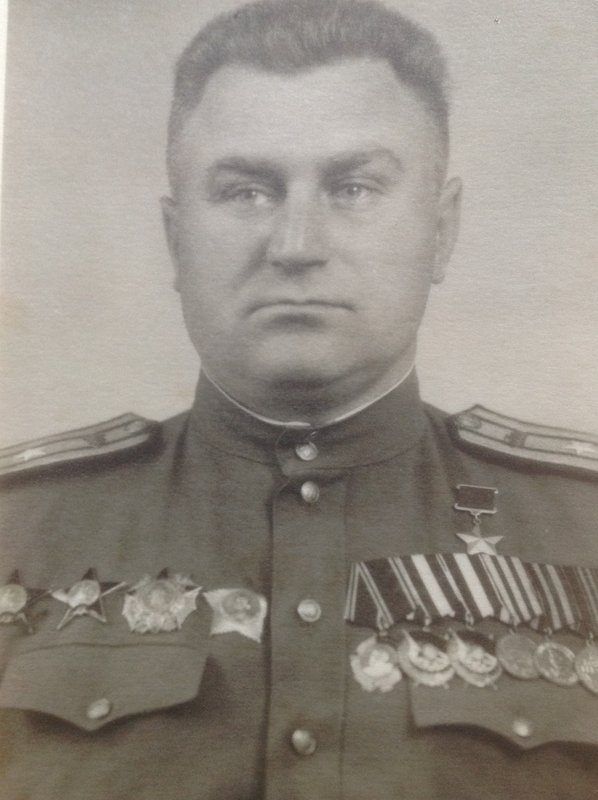
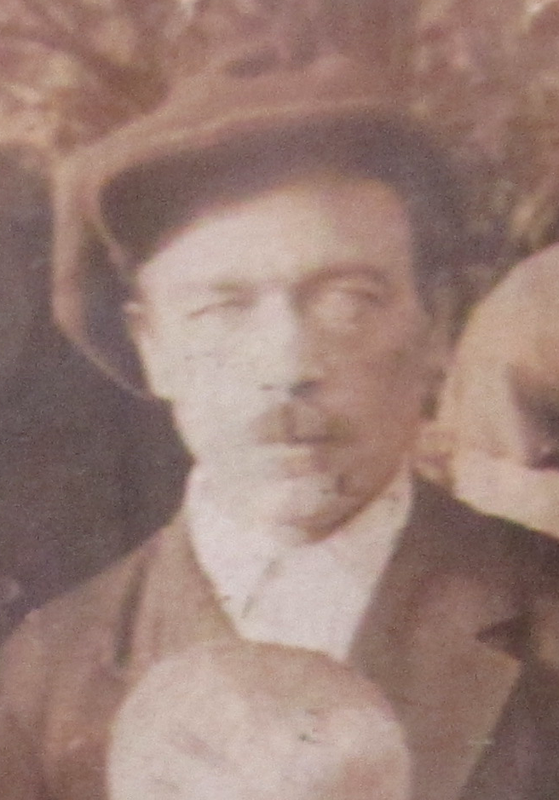
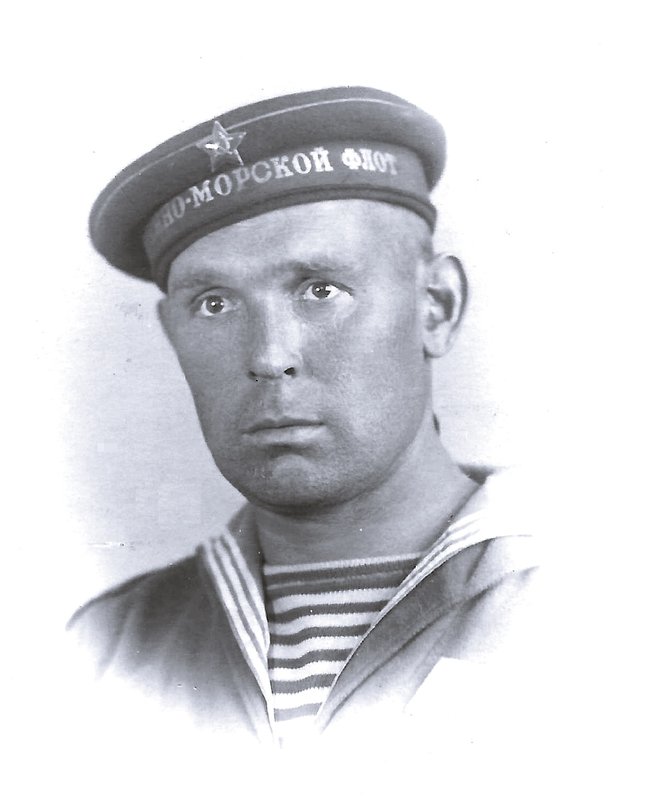

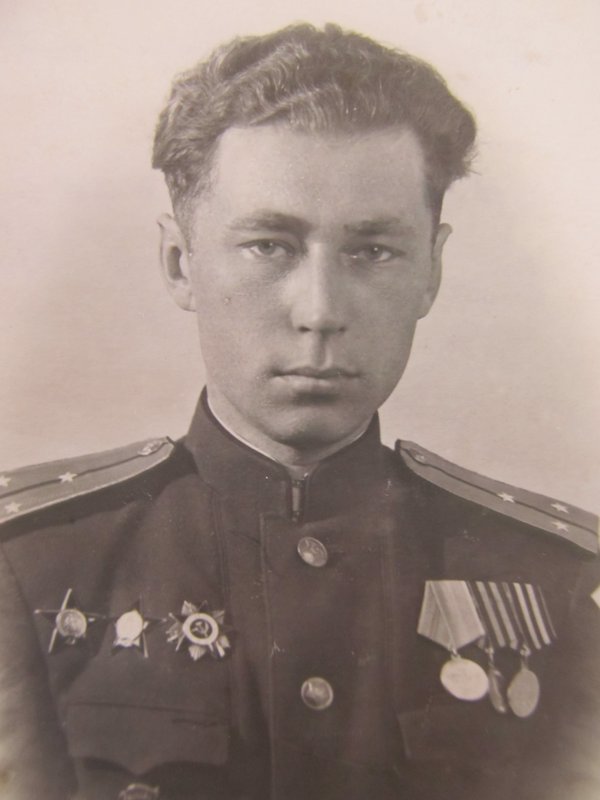
Zhirukhin Vasiliy Grigorievich
BACKGROUND: Rank: Lieutenant Troops: Ground Forces, Air Force (except marine aviation), Coast Guard, NKVD troops, Border Guards My grandfather, Vasiliy Zhirukhin, was born February 17, 1918 in the village of Kanino, Ryazan Province. After early graduation from the Ryazan Pedagogical Institute in 1941, he was drafted into the Red Army and sent to the courses of political workers. After completing the courses, in June 1942, my grandfather was enrolled as a political worker in the formative 30th Ski Rifle Brigade, which was sent to the Kalinin Front. During the fierce battles that continued throughout 1943, the brigade suffered serious losses, and since January 1944, Vasiliy Grigorievich, with the remains of the brigade, was included in the 836th rifle regiment of the Carpathian Red Banner Regiment of the 240th rifle regiment of the Kiev-Dnepr Red Banner Order of Suvorov and Bohdan Khmelnytsky Division of the 2nd Ukrainian Front. He continued to serve as battalion commander (assistant to the regiment's chief of staff for special communications) with the rank of senior lieutenant. He finished the war in Hungary. My grandfather did not like to talk about the war and, if we managed to persuade him, most often he remembered the following three points: In 1944, the regiment fought hard on the territory of the former Bessarabia, near the border with Romania, near the town of Gura-Gumor. The Soviet Army was preparing a breakthrough to the right of this settlement, and the 240th Division, in which my grandfather fought, was advancing in the Carpathians, distracting the attention and reserves of the fascist troops. During July-August, the division tried to make a breakthrough, but Hitler's troops took advantage of its advantageous location on the hills to prevent it from entering the Carpathians. The valley in front of Gura-Gumor and the settlement itself passed from hand to hand 15 times. The next episode that my grandfather remembered was the battle for the town of Ochawa in Czechoslovakia in February-March 1945. The attack of the battalion commanded by my grandfather, which began at 4 a.m., by 8 a.m. allowed to capture of half of the city. Next, the natural barrier was the river, the banks of which were mined by German engineers. The river was forced and the second attack was carried out in the evening. After a successful bypass maneuver, the platoon was able to secretly get close to the enemy's headquarters, and in a fleeting battle captured the entire command staff, seized headquarters equipment and disorganized the control of the German troops in this area, which allowed us to quickly break the resistance and minimize our losses. Vasiliy Zhirukhin was awarded the Order of Patriotic War II degree for decisive and brave actions in this battle. Another important stage on the military way was forcing the fast mountain river Tisza on the border of Czechoslovakia and Hungary in spring 1945. It took a whole week to prepare rafts and crossing equipment, as the spring full-flowing river was a serious obstacle. Out of 5 rafts commanded by my grandfather, only the first one was able to cross unnoticed, while the rest went under heavy gunfire. The second raft was smashed by a direct hit of artillery shells, the third and fourth raft turned over. However, the soldiers of the unit were able to get ashore and, having entered into a fierce battle, allowed the main forces to cross. My grandfather ended the war near the Hungarian town of Balatonfüred, which is located on Lake Balaton, by May 17, participating in scouting the mountainous wooded area and searching for scattered groups of German troops. My grandfather, Vasiliy Grigorievich Zhirukhin, was awarded two orders and six medals for participation in combat operations.
Zhirukhin Vasiliy Grigorievich
BACKGROUND: Rank: Lieutenant Troops: Ground Forces, Air Force (except marine aviation), Coast Guard, NKVD troops, Border Guards My grandfather, Vasiliy Zhirukhin, was born February 17, 1918 in the village of Kanino, Ryazan Province. After early graduation from the Ryazan Pedagogical Institute in 1941, he was drafted into the Red Army and sent to the courses of political workers. After completing the courses, in June 1942, my grandfather was enrolled as a political worker in the formative 30th Ski Rifle Brigade, which was sent to the Kalinin Front. During the fierce battles that continued throughout 1943, the brigade suffered serious losses, and since January 1944, Vasiliy Grigorievich, with the remains of the brigade, was included in the 836th rifle regiment of the Carpathian Red Banner Regiment of the 240th rifle regiment of the Kiev-Dnepr Red Banner Order of Suvorov and Bohdan Khmelnytsky Division of the 2nd Ukrainian Front. He continued to serve as battalion commander (assistant to the regiment's chief of staff for special communications) with the rank of senior lieutenant. He finished the war in Hungary. My grandfather did not like to talk about the war and, if we managed to persuade him, most often he remembered the following three points: In 1944, the regiment fought hard on the territory of the former Bessarabia, near the border with Romania, near the town of Gura-Gumor. The Soviet Army was preparing a breakthrough to the right of this settlement, and the 240th Division, in which my grandfather fought, was advancing in the Carpathians, distracting the attention and reserves of the fascist troops. During July-August, the division tried to make a breakthrough, but Hitler's troops took advantage of its advantageous location on the hills to prevent it from entering the Carpathians. The valley in front of Gura-Gumor and the settlement itself passed from hand to hand 15 times. The next episode that my grandfather remembered was the battle for the town of Ochawa in Czechoslovakia in February-March 1945. The attack of the battalion commanded by my grandfather, which began at 4 a.m., by 8 a.m. allowed to capture of half of the city. Next, the natural barrier was the river, the banks of which were mined by German engineers. The river was forced and the second attack was carried out in the evening. After a successful bypass maneuver, the platoon was able to secretly get close to the enemy's headquarters, and in a fleeting battle captured the entire command staff, seized headquarters equipment and disorganized the control of the German troops in this area, which allowed us to quickly break the resistance and minimize our losses. Vasiliy Zhirukhin was awarded the Order of Patriotic War II degree for decisive and brave actions in this battle. Another important stage on the military way was forcing the fast mountain river Tisza on the border of Czechoslovakia and Hungary in spring 1945. It took a whole week to prepare rafts and crossing equipment, as the spring full-flowing river was a serious obstacle. Out of 5 rafts commanded by my grandfather, only the first one was able to cross unnoticed, while the rest went under heavy gunfire. The second raft was smashed by a direct hit of artillery shells, the third and fourth raft turned over. However, the soldiers of the unit were able to get ashore and, having entered into a fierce battle, allowed the main forces to cross. My grandfather ended the war near the Hungarian town of Balatonfüred, which is located on Lake Balaton, by May 17, participating in scouting the mountainous wooded area and searching for scattered groups of German troops. My grandfather, Vasiliy Grigorievich Zhirukhin, was awarded two orders and six medals for participation in combat operations.
0 comment



2026 © Russian Military Historical Society Developed by Jetmix