Back to
album
album
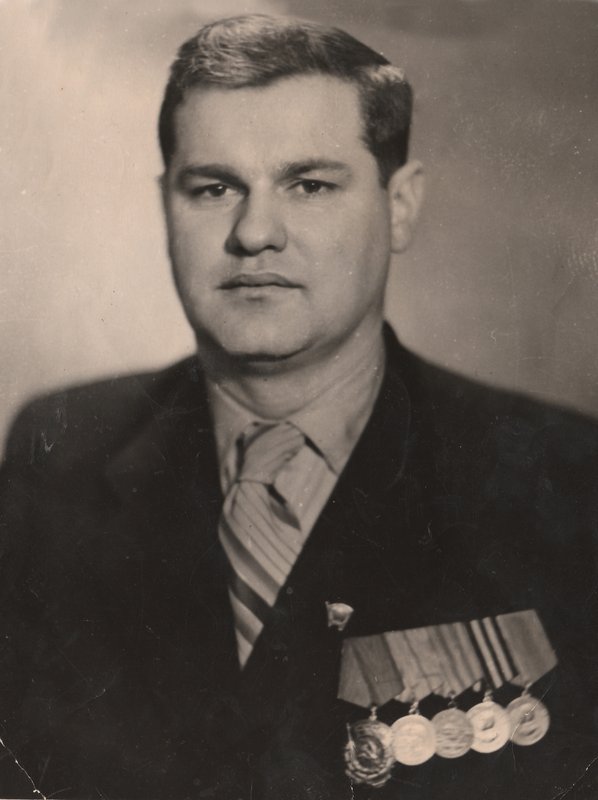
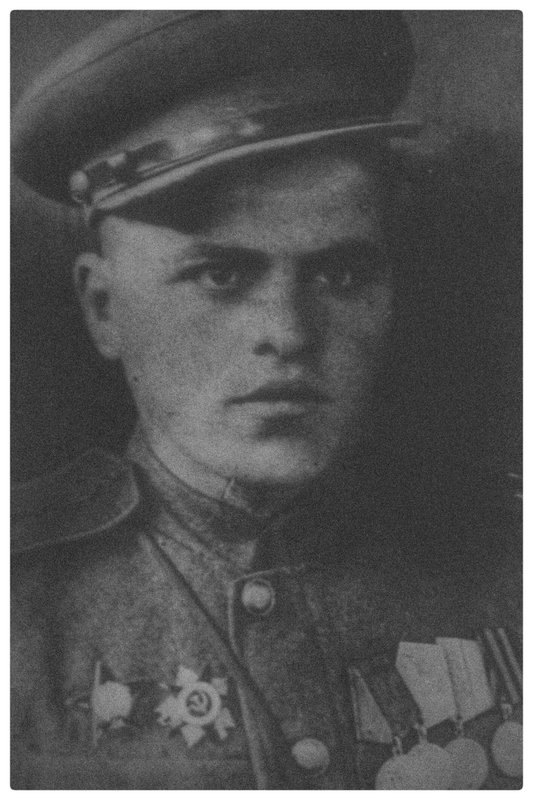
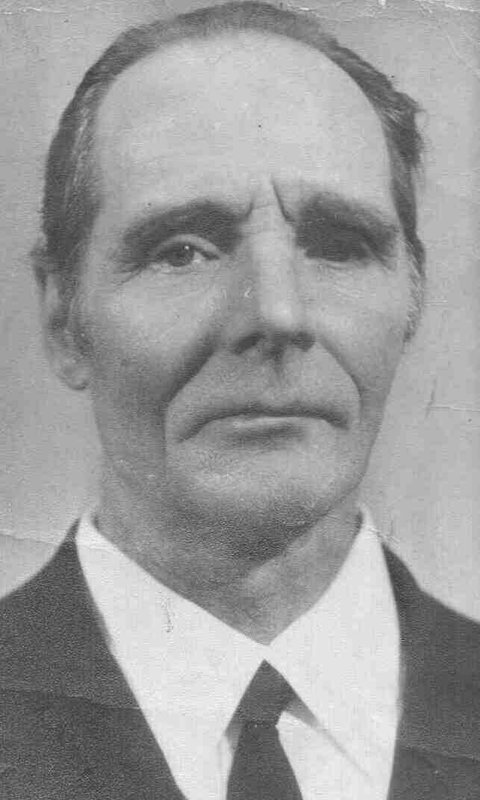
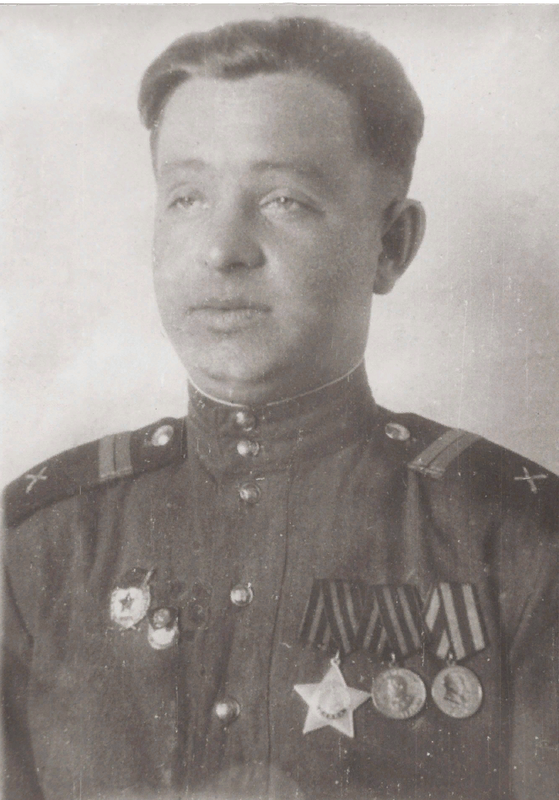
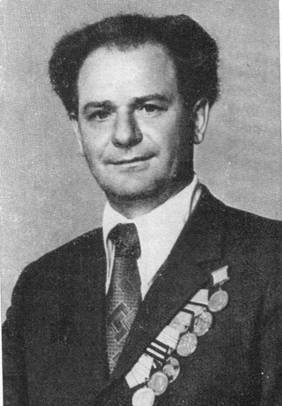
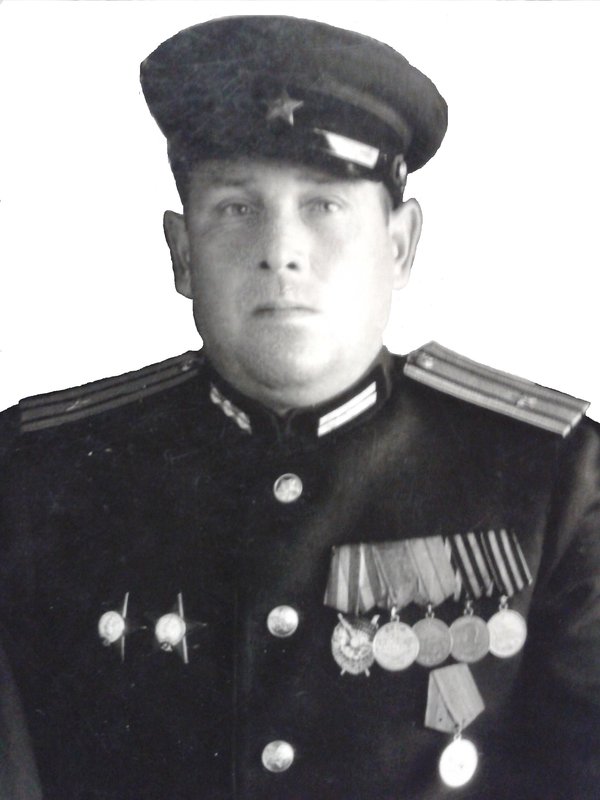
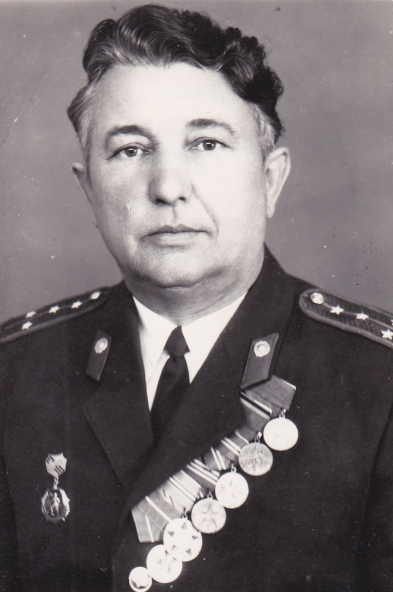
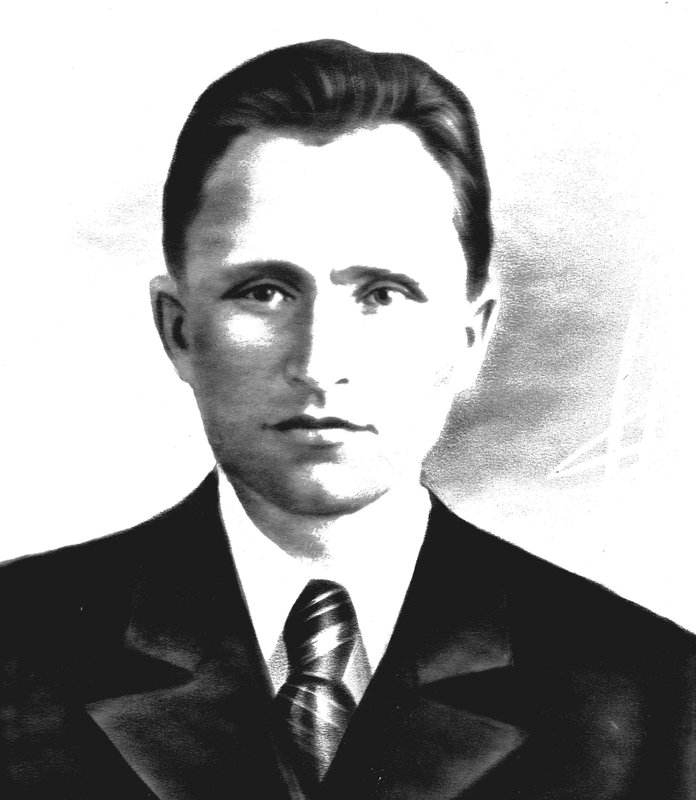
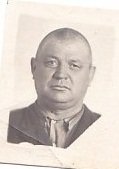
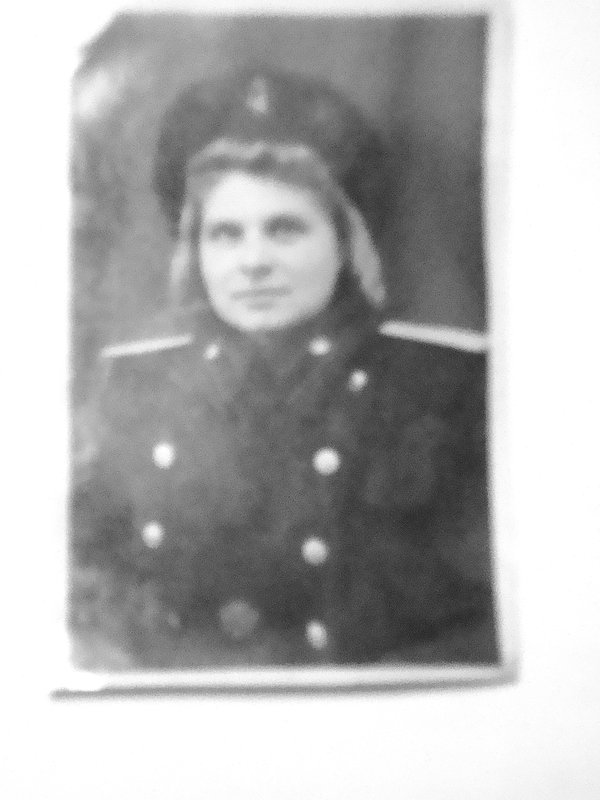
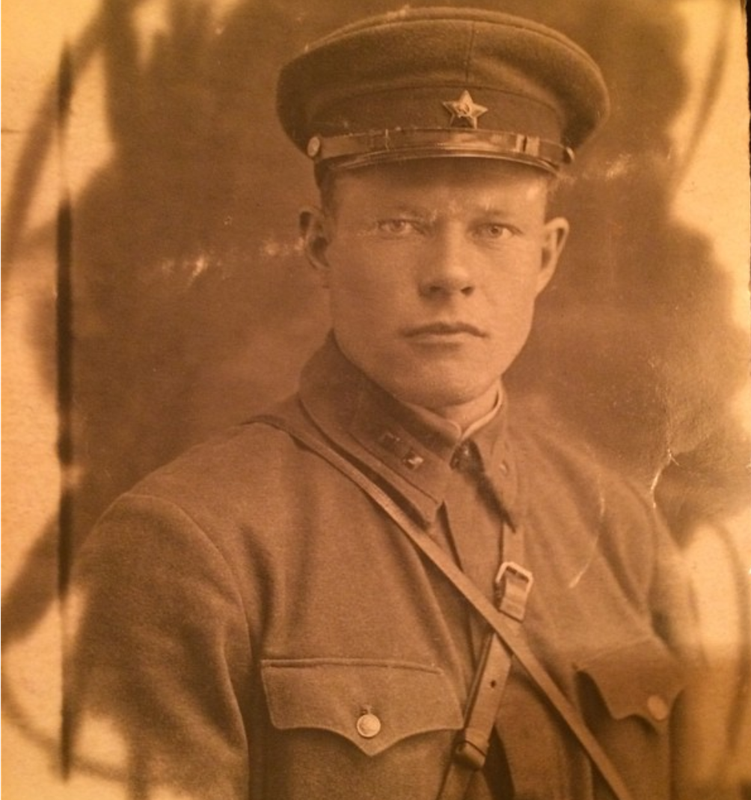
Krysyuk Peter Safronovich
Title: Major. Troops: Army, Air Force (except marine aviation), Coast Guard, NKVD, Border Guard. Division: 32nd Cavalry Smolensk Red Banner Order Suvorov Division. Peter Safronovich Krysyuk was born on April 30, 1912 in the town of Chernyakhov, Volyn province in the family of the hero of the First Patriotic War Georgievskogo cavalier Safron Krysyuk. In 1934, P.S. Krysyuk was called up to serve in the Workers' and Peasants' Red Army of Chernyakhiv RVC of Zhytomyr region of the Ukrainian SSR. From that moment on, his life was inseparably connected with the cavalry. He participated in battles near Lake Hasan (Japan) 29.07-11.08.1938, near Khalkhin-Gol River (Japan) 20-31.08.1939, in the Polish campaign of the Red Army 17-29.09.1939, in the Soviet-Finnish War 30.11.1939-12.03.1940 and in the Great Patriotic War 1941-1945. In December 1940, the Directorate of the Cavalry Army Group, where the grandfather served as a staff officer, was renamed the Directorate of the 26th Army. With the beginning of the Great Patriotic War, the 26th Army was included in the South-Western Front of the 1st formation, took part in the border battle, conducted heavy defensive battles on Vinnitsa direction, east of Proskurov, then on the section south of Kiev - Zolotonosh. During the Kiev strategic defensive operation, from July 7 to September 26, the troops of the 26th Army made several counterstrikes against the Nazi 1st tank group and delayed the advance of the enemy's 6th Army units south of Kiev. That allowed many of the city's industrial enterprises and some civilians to be evacuated. In addition to the 26th Army, the Kiev group of troops defending Kiev included the 5th and 37th Armies and units of the 21st and 38th Armies. All of them ended up in the Kiev melting pot. On September 16, 1941, the 26th Army under the command of Lieutenant-General F.Y.Kostenko was surrounded. The commander of the South-Western Front, Hero of the Soviet Union Colonel General M.P. Kirponos, the front's commander and members of the Front's Military Council were killed. The commander of the 5th Army, Major-General of the Tank Troops M.I.Potapov, was taken as prisoner. Experiencing an acute shortage of ammunition, the 26th Army spent eleven days fighting with superior enemy forces in full surroundings. On September 18, my grandfather, having reconnoitered the situation in the enemy camp, gave the command valuable information ensuring that the Red Army's military units would leave for a sheltered location. On September 28, my grandfather was assigned to the Military Committee of the 36th Cavalry Regiment of the 47th Cavalry Division. On the same day, Krysyuk Peter Safronovich led the regiment into battle near Kuzelin and the village of Yakhna, Fastivsky district, Kiev region. And he took all the parts of the 36th Cavalry Regiment out of the encirclement. The personnel of the 47th Cavalry Division who left the encirclement went to replenish the 32nd Cavalry Division. On November 20, 1941 my grandfather Krysyuk Peter Safronovich was presented with the Order of the Red Banner. From November 10, 1941 till the most victorious day on May 9, 1945 my grandfather walked the war roads with the 32nd Cavalry Division. On October 3, 1942, Krysyuk Peter Safronovich Commander 27 of the 32nd Cavalry Division of the Smolensk Red Banner Cavalry Order of Suvorov Division of the 3rd Guards Cavalry Order of Lenin of the Red Banner Corps (32 gv.kd 3 gv.kk) received the rank of Captain. The division did not know any defeats, for which it was transformed into the Guards Division. By order of the All-Union State Control Committee of 25.09.1943 for the liberation of the cities of Smolensk and Roslavl, distinguished in the battles of 32nd Cavalry Division was named Smolenskaya. By the Decree of the Presidium of the USSR Armed Forces of 25.07.1944 for the liberation of the cities of Lida and Grodno, for their valor and courage, 32 cavalry division was awarded the Order of the Red Banner. By the Decree of the Presidium of the USSR Armed Forces from 05.04.1945 for the liberation of the cities of Hejnice and Tukhol, for their valor and courage, the 32nd Guards Smolensk Red Banner Cavalry Division was awarded the Order of Suvorov II degree. The commander of the 32nd Guards cavalry division - colonel Ivan Prokofievich Kalyuzhny, commander of the 3rd Guards cavalry corps - major-general Nikolay Sergeevich Oslikovsky. (Many years later, he became a consultant at Mosfilm Studio. In the credits for the films "War and Peace", "The Quiet Don", "Running", "Elusive Avengers" there is an inscription - Lieutenant General N.S.Oslikovsky, a consultant). The Directive of the Higher Administrative District Rates No. 220143 of 14.07.1944 the 3rd Cavalry Corps was transferred from the 3rd Belorussian Front to the 2nd Belorussian Front under the command of Marshal of the Soviet Union Konstantin Rokossovsky. With these outstanding commanders, my grandfather Krysyuk Peter Safronovich went through the entire Great Patriotic War, participated in the battles for Kiev, for Stalingrad, for Donbass, for Smolensk, on the Kursk Bulge, for the liberation of Belarus and Poland, in the Berlin offensive. He was wounded 4 times, but returned to the front line again. Major Krysyuk Pyotr Safronovich was awarded two Red Star Orders, the Order of Combat Red Banner, medals 'For Combat Merits', 'For Stalingrad Defense', 'For Capture of Koenigsberg', 'For Victory over Germany' and others. My grandfather died in 1977. He was buried in Karaganda region in Kazakhstan. I am glad that I managed to have at least a little talk with my grandfather. I remember him and I am proud of him. I wish very much that growing up descendants would be interested in the exploits of grandfathers- great-grandfathers, learned the history of their fates, learned lessons, and always remember what the generation, that is disappearing in eternity, had to go through. People! Take care of the PEACE!
Krysyuk Peter Safronovich
Title: Major. Troops: Army, Air Force (except marine aviation), Coast Guard, NKVD, Border Guard. Division: 32nd Cavalry Smolensk Red Banner Order Suvorov Division. Peter Safronovich Krysyuk was born on April 30, 1912 in the town of Chernyakhov, Volyn province in the family of the hero of the First Patriotic War Georgievskogo cavalier Safron Krysyuk. In 1934, P.S. Krysyuk was called up to serve in the Workers' and Peasants' Red Army of Chernyakhiv RVC of Zhytomyr region of the Ukrainian SSR. From that moment on, his life was inseparably connected with the cavalry. He participated in battles near Lake Hasan (Japan) 29.07-11.08.1938, near Khalkhin-Gol River (Japan) 20-31.08.1939, in the Polish campaign of the Red Army 17-29.09.1939, in the Soviet-Finnish War 30.11.1939-12.03.1940 and in the Great Patriotic War 1941-1945. In December 1940, the Directorate of the Cavalry Army Group, where the grandfather served as a staff officer, was renamed the Directorate of the 26th Army. With the beginning of the Great Patriotic War, the 26th Army was included in the South-Western Front of the 1st formation, took part in the border battle, conducted heavy defensive battles on Vinnitsa direction, east of Proskurov, then on the section south of Kiev - Zolotonosh. During the Kiev strategic defensive operation, from July 7 to September 26, the troops of the 26th Army made several counterstrikes against the Nazi 1st tank group and delayed the advance of the enemy's 6th Army units south of Kiev. That allowed many of the city's industrial enterprises and some civilians to be evacuated. In addition to the 26th Army, the Kiev group of troops defending Kiev included the 5th and 37th Armies and units of the 21st and 38th Armies. All of them ended up in the Kiev melting pot. On September 16, 1941, the 26th Army under the command of Lieutenant-General F.Y.Kostenko was surrounded. The commander of the South-Western Front, Hero of the Soviet Union Colonel General M.P. Kirponos, the front's commander and members of the Front's Military Council were killed. The commander of the 5th Army, Major-General of the Tank Troops M.I.Potapov, was taken as prisoner. Experiencing an acute shortage of ammunition, the 26th Army spent eleven days fighting with superior enemy forces in full surroundings. On September 18, my grandfather, having reconnoitered the situation in the enemy camp, gave the command valuable information ensuring that the Red Army's military units would leave for a sheltered location. On September 28, my grandfather was assigned to the Military Committee of the 36th Cavalry Regiment of the 47th Cavalry Division. On the same day, Krysyuk Peter Safronovich led the regiment into battle near Kuzelin and the village of Yakhna, Fastivsky district, Kiev region. And he took all the parts of the 36th Cavalry Regiment out of the encirclement. The personnel of the 47th Cavalry Division who left the encirclement went to replenish the 32nd Cavalry Division. On November 20, 1941 my grandfather Krysyuk Peter Safronovich was presented with the Order of the Red Banner. From November 10, 1941 till the most victorious day on May 9, 1945 my grandfather walked the war roads with the 32nd Cavalry Division. On October 3, 1942, Krysyuk Peter Safronovich Commander 27 of the 32nd Cavalry Division of the Smolensk Red Banner Cavalry Order of Suvorov Division of the 3rd Guards Cavalry Order of Lenin of the Red Banner Corps (32 gv.kd 3 gv.kk) received the rank of Captain. The division did not know any defeats, for which it was transformed into the Guards Division. By order of the All-Union State Control Committee of 25.09.1943 for the liberation of the cities of Smolensk and Roslavl, distinguished in the battles of 32nd Cavalry Division was named Smolenskaya. By the Decree of the Presidium of the USSR Armed Forces of 25.07.1944 for the liberation of the cities of Lida and Grodno, for their valor and courage, 32 cavalry division was awarded the Order of the Red Banner. By the Decree of the Presidium of the USSR Armed Forces from 05.04.1945 for the liberation of the cities of Hejnice and Tukhol, for their valor and courage, the 32nd Guards Smolensk Red Banner Cavalry Division was awarded the Order of Suvorov II degree. The commander of the 32nd Guards cavalry division - colonel Ivan Prokofievich Kalyuzhny, commander of the 3rd Guards cavalry corps - major-general Nikolay Sergeevich Oslikovsky. (Many years later, he became a consultant at Mosfilm Studio. In the credits for the films "War and Peace", "The Quiet Don", "Running", "Elusive Avengers" there is an inscription - Lieutenant General N.S.Oslikovsky, a consultant). The Directive of the Higher Administrative District Rates No. 220143 of 14.07.1944 the 3rd Cavalry Corps was transferred from the 3rd Belorussian Front to the 2nd Belorussian Front under the command of Marshal of the Soviet Union Konstantin Rokossovsky. With these outstanding commanders, my grandfather Krysyuk Peter Safronovich went through the entire Great Patriotic War, participated in the battles for Kiev, for Stalingrad, for Donbass, for Smolensk, on the Kursk Bulge, for the liberation of Belarus and Poland, in the Berlin offensive. He was wounded 4 times, but returned to the front line again. Major Krysyuk Pyotr Safronovich was awarded two Red Star Orders, the Order of Combat Red Banner, medals 'For Combat Merits', 'For Stalingrad Defense', 'For Capture of Koenigsberg', 'For Victory over Germany' and others. My grandfather died in 1977. He was buried in Karaganda region in Kazakhstan. I am glad that I managed to have at least a little talk with my grandfather. I remember him and I am proud of him. I wish very much that growing up descendants would be interested in the exploits of grandfathers- great-grandfathers, learned the history of their fates, learned lessons, and always remember what the generation, that is disappearing in eternity, had to go through. People! Take care of the PEACE!
0 comment



2026 © Russian Military Historical Society Developed by Jetmix