Back to
album
album
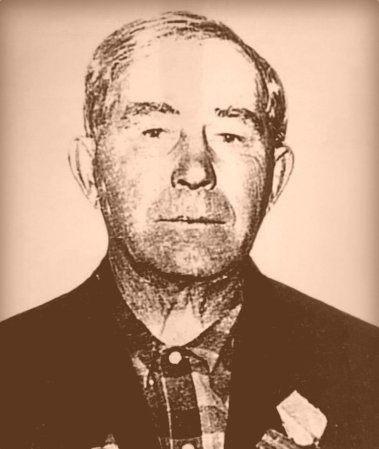
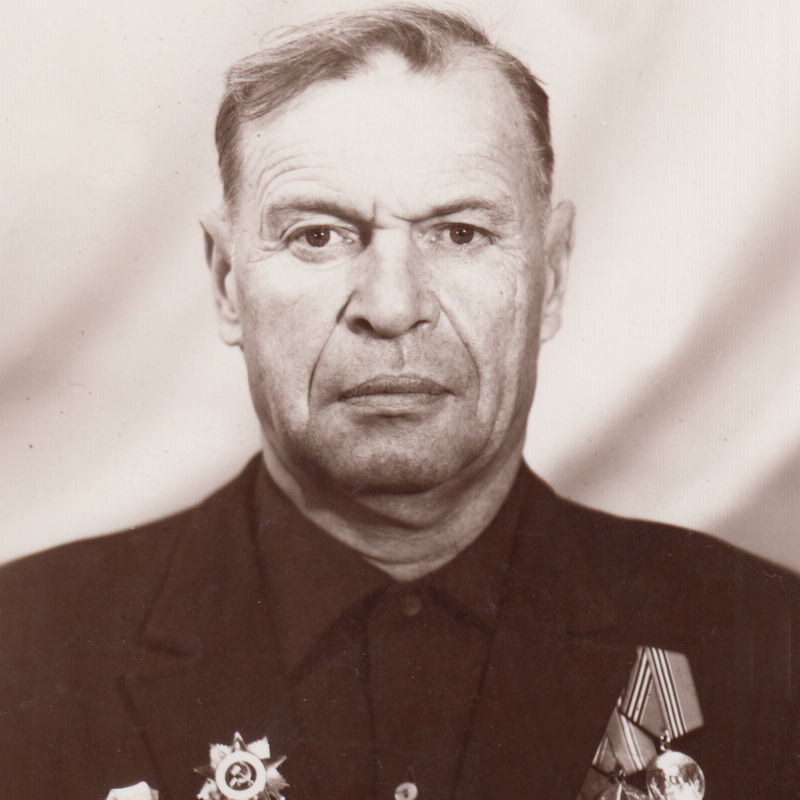
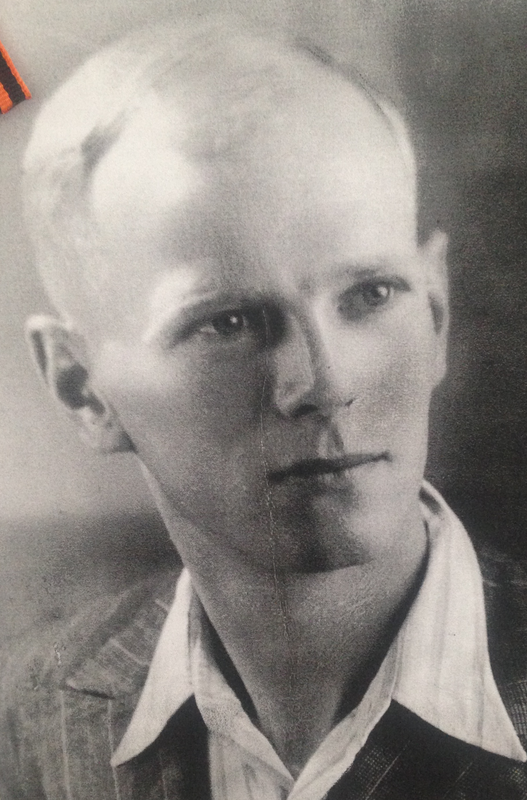
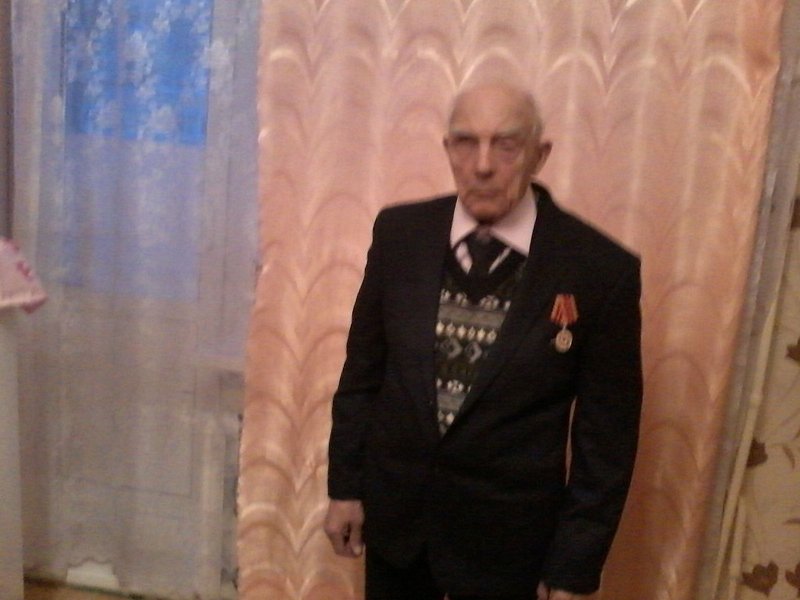
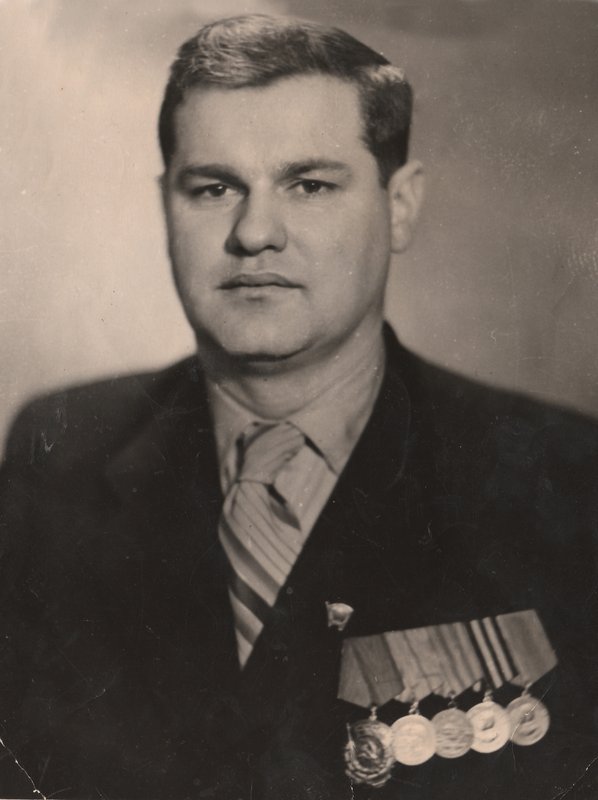
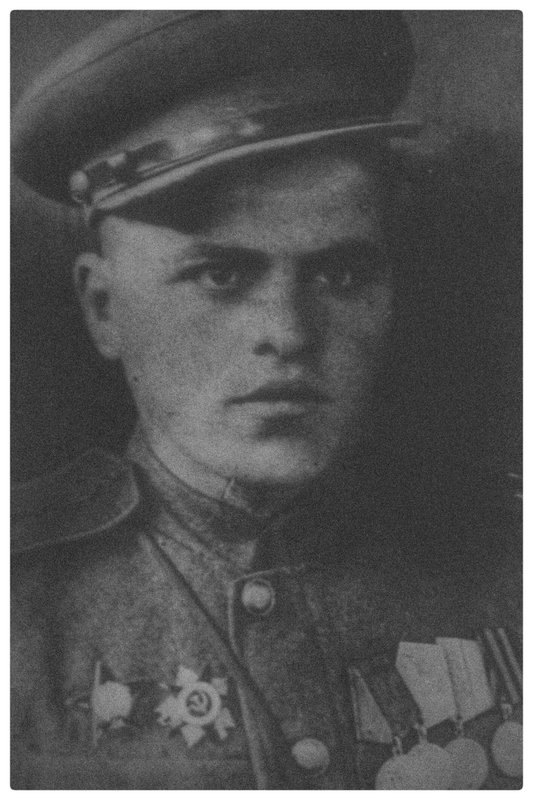
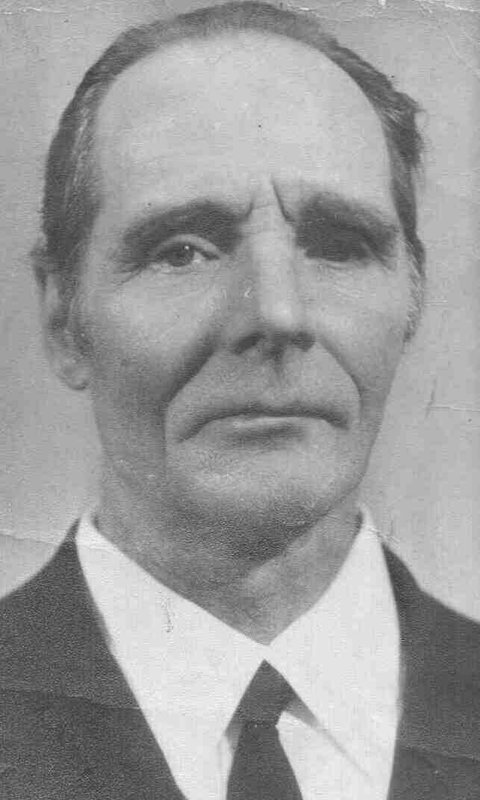
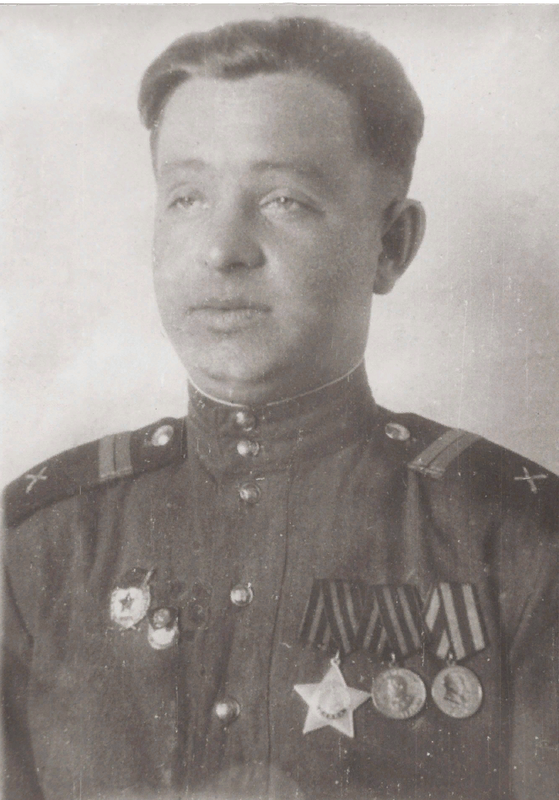
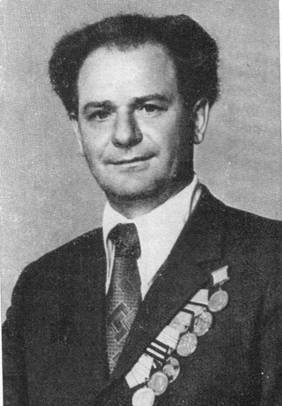
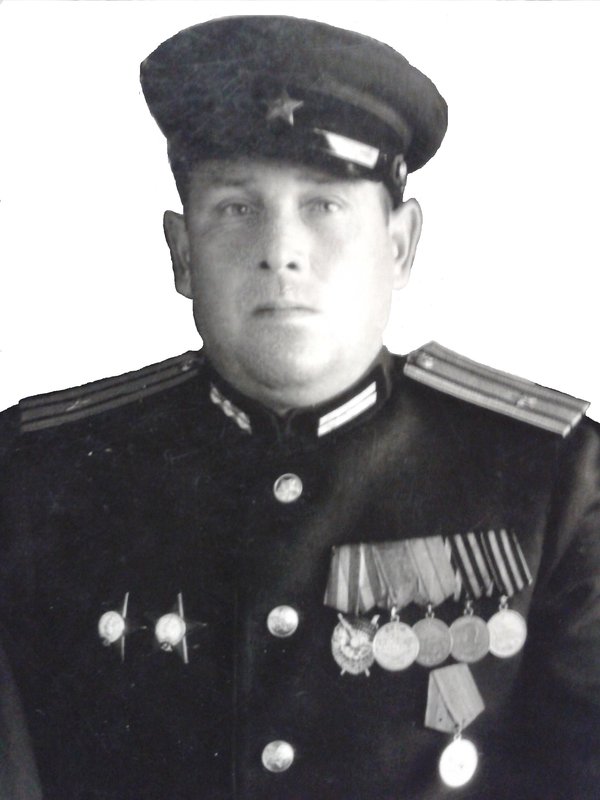
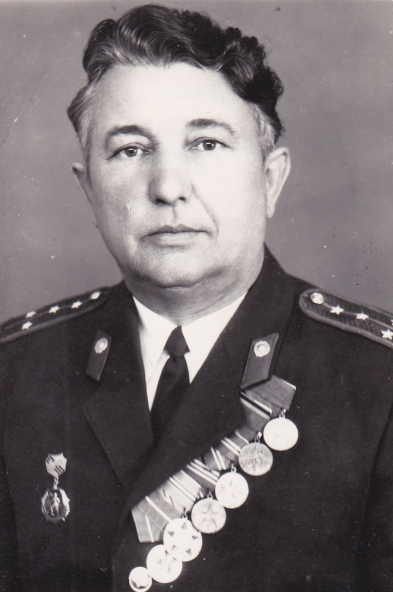
Kosolapov Alexander Yakovlevich
From a young age Alexander learned about hunger, orphanhood, persecution. He was brought up in a family of distant relatives as a farmhand. When the Great Patriotic War broke out, a lot of people went to the front, everyone wanted to help their country. Alexander did not stand aside. Not thinking about all the burden of the future, he took a junior officer course. He got to the front. In 1942, he received an exit wound to his lungs. He got to the hospital. Having been a little delayed, Alexander found himself at one of the main battles of the Great Patriotic War at Kursk Bulge. This battle was one of the most important stages on the way to the Soviet Union's victory over fascist Germany. The battle lasted less than two months. During that time, on a relatively small territory, a huge mass of troops clashed fiercely, using the most modern military equipment of the time. The battle on both sides involved more than 4 million people, over 69,000 guns and mortars, more than 13,000 tanks and self-propelled guns, and up to 12,000 combat aircrafts. On the Wehrmacht side, more than 100 divisions were involved, which accounted for more than 43 percent of the divisions on the Soviet-German front. From the Kursk Bulge, Alexander Yakovlevich reached Berlin. There he welcomed the long-awaited Victory. He was demobilized in 1946 with the rank of Captain. His life was not easy. The country had to be restored after the war. All forces were thrown into work. In 1947, Alexander Yakovlevich got a family. His wife was a girl from a simple family. Alexander fell in love with her for her kindness and mercy. So they formed a strong alliance. Moving up the career ladder, Alexander from 1951 to 1955 worked as director of Masloprom (Primorsky Masloprom Melekessky district, now Dmitrovgrad). All his life he was devoted to work and his family. He ended his life as a deeply old man, but the trace of war left a huge imprint on his heart and soul. His feat is immortal and will always live in our hearts.
Kosolapov Alexander Yakovlevich
From a young age Alexander learned about hunger, orphanhood, persecution. He was brought up in a family of distant relatives as a farmhand. When the Great Patriotic War broke out, a lot of people went to the front, everyone wanted to help their country. Alexander did not stand aside. Not thinking about all the burden of the future, he took a junior officer course. He got to the front. In 1942, he received an exit wound to his lungs. He got to the hospital. Having been a little delayed, Alexander found himself at one of the main battles of the Great Patriotic War at Kursk Bulge. This battle was one of the most important stages on the way to the Soviet Union's victory over fascist Germany. The battle lasted less than two months. During that time, on a relatively small territory, a huge mass of troops clashed fiercely, using the most modern military equipment of the time. The battle on both sides involved more than 4 million people, over 69,000 guns and mortars, more than 13,000 tanks and self-propelled guns, and up to 12,000 combat aircrafts. On the Wehrmacht side, more than 100 divisions were involved, which accounted for more than 43 percent of the divisions on the Soviet-German front. From the Kursk Bulge, Alexander Yakovlevich reached Berlin. There he welcomed the long-awaited Victory. He was demobilized in 1946 with the rank of Captain. His life was not easy. The country had to be restored after the war. All forces were thrown into work. In 1947, Alexander Yakovlevich got a family. His wife was a girl from a simple family. Alexander fell in love with her for her kindness and mercy. So they formed a strong alliance. Moving up the career ladder, Alexander from 1951 to 1955 worked as director of Masloprom (Primorsky Masloprom Melekessky district, now Dmitrovgrad). All his life he was devoted to work and his family. He ended his life as a deeply old man, but the trace of war left a huge imprint on his heart and soul. His feat is immortal and will always live in our hearts.
0 comment



2026 © Russian Military Historical Society Developed by Jetmix