Back to
album
album

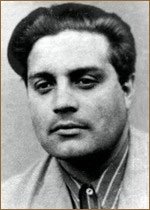
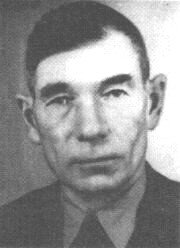
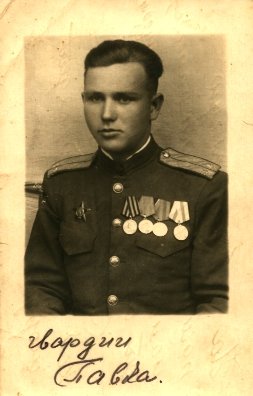
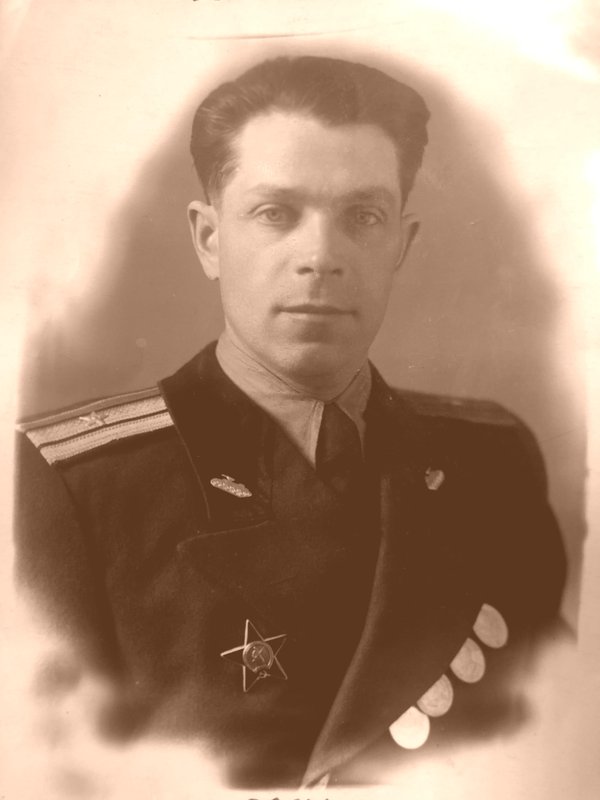
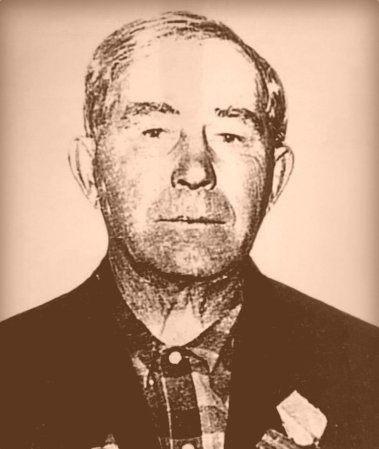
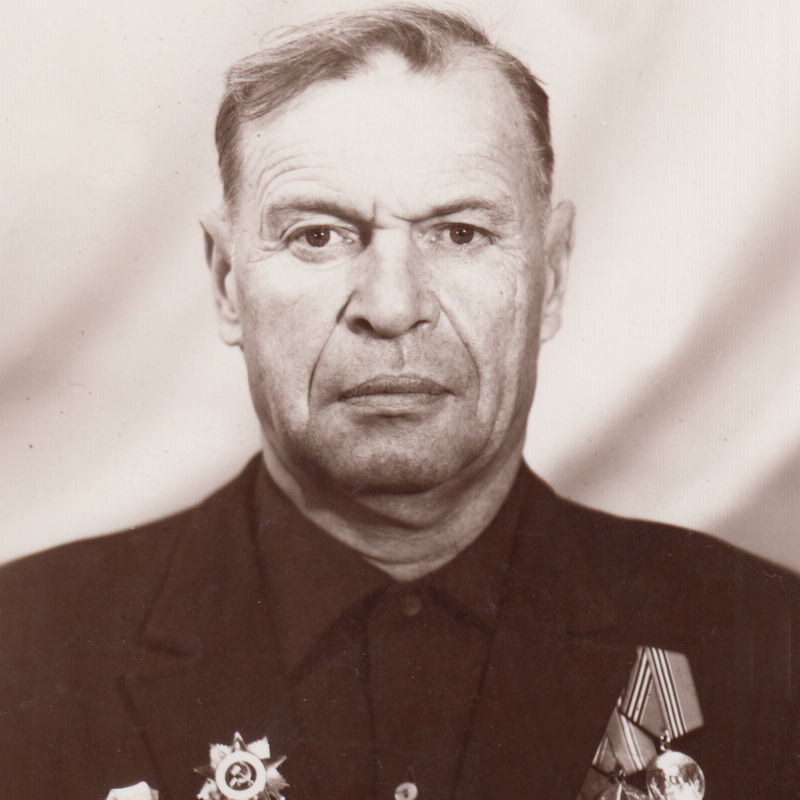
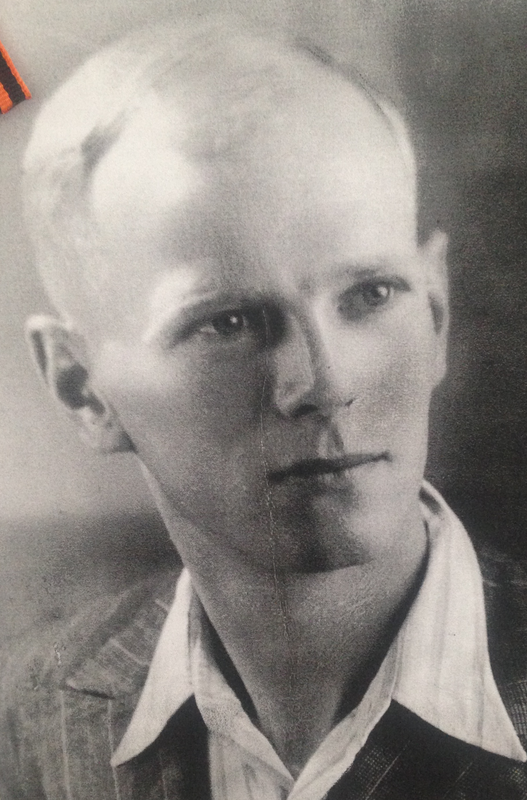
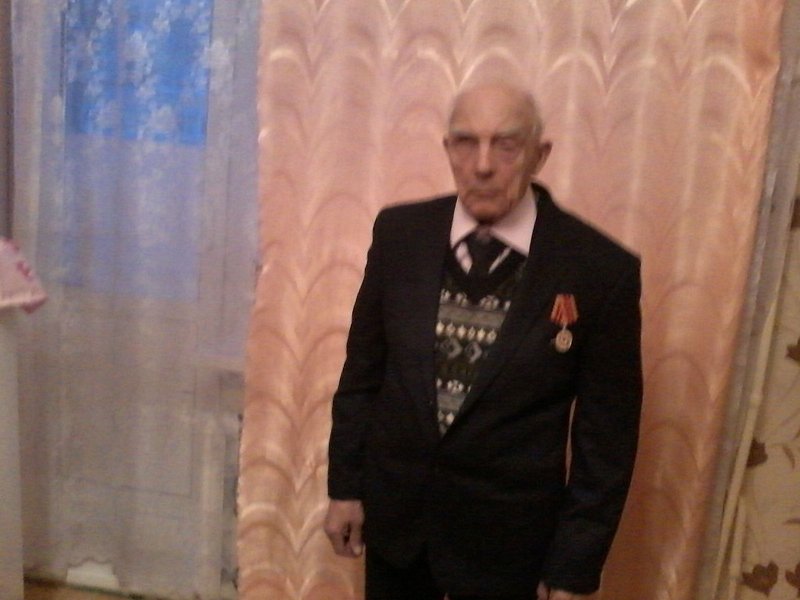
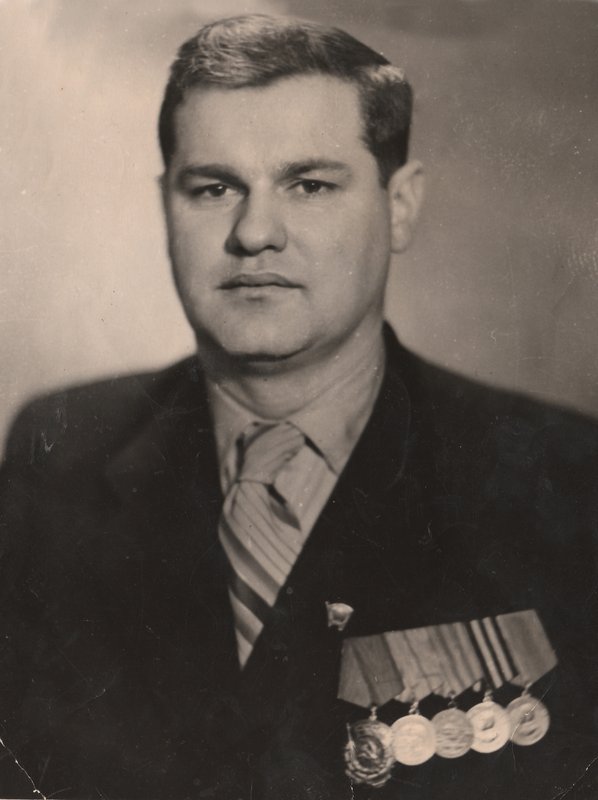
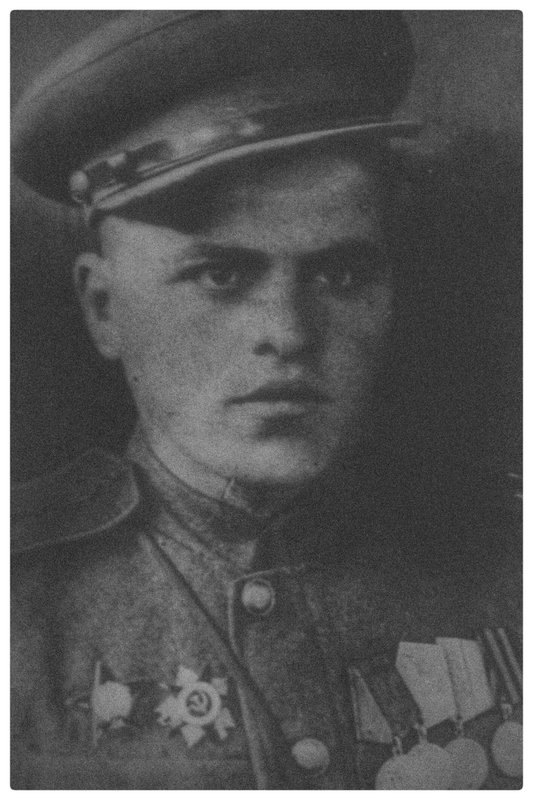
Komarov Ilya Ippatievich
Ilya Komarov was born on August 2, 1912 in the Republic of Buryatia, Zaigraevsky district in the village of Novaya Bryan. In 1935, he was conscripted into the army by the Khorinsky Military Committee. In December 1943, the battles for liberation of the district center of Taraskino took place. The tank, in which Komarov was, rushed into battle, destroying the enemy with fire and caterpillars, opening the way for a rifle company. A high railway embankment appeared in front. A fascist barrel was rising towards the tank. They could not shoot each other - the barrels were facing the sky. The radio shooter handed over the command to destroy the tank with a battering ram. In such cases, there was no time to think about it. To go on the frontal ram meant death. And how he wanted to get out of the battle as the winner, alevi and well!. Mechanic-driver Komarov hit the Nazi "Tiger" with the back of the fighting vehicle. The Tiger turned over. Embraced by flames, the enemy tank collapsed. The infantry's path was open. When Taraskino was freed, his comrades rocked him long and noisily. The battering ram was appreciated - the warrior's chest was decorated with the Order of the Red Star. In this battle, he got a contusion. He stayed in hospital for three months. After his recovery, he was sent to a distribution center, and from there to his company at the most important objects in the city. During his time in Leningrad, he managed to see and experience a lot. It was a terrible time. Leningrad was cut off from large land: there was no light, no water, no fuel, there was not enough food. Soldiers saw how people starved to death. The soldiers were provided with food from the air. Food was thrown off the planes, called "crop duster". Ilya Ippatyevich Komarov had many big and small awards: "For bravery", "For combat services", "For the defense of Leningrad", "Order of the Patriotic War" and other awards marked his military work. Ilya Komarov welcomed Victory Day in Leningrad. It was a great joy. Everyone congratulated each other, hugged and cried. They received a Narcomov ration, set a festive table, played music. It was a holiday with tears in the eyes. Ilya Ippatievich served in the army for another year and a half, only in December 1946 he came home. That ram on the fascist "Tiger" was the last battle, when not only his life hung by a thread, but also many soldiers and infantrymen, who rose to the attack after the "thirty-four", led by Komarov. Ilya Ippatievich died on February 17, 2004.
Komarov Ilya Ippatievich
Ilya Komarov was born on August 2, 1912 in the Republic of Buryatia, Zaigraevsky district in the village of Novaya Bryan. In 1935, he was conscripted into the army by the Khorinsky Military Committee. In December 1943, the battles for liberation of the district center of Taraskino took place. The tank, in which Komarov was, rushed into battle, destroying the enemy with fire and caterpillars, opening the way for a rifle company. A high railway embankment appeared in front. A fascist barrel was rising towards the tank. They could not shoot each other - the barrels were facing the sky. The radio shooter handed over the command to destroy the tank with a battering ram. In such cases, there was no time to think about it. To go on the frontal ram meant death. And how he wanted to get out of the battle as the winner, alevi and well!. Mechanic-driver Komarov hit the Nazi "Tiger" with the back of the fighting vehicle. The Tiger turned over. Embraced by flames, the enemy tank collapsed. The infantry's path was open. When Taraskino was freed, his comrades rocked him long and noisily. The battering ram was appreciated - the warrior's chest was decorated with the Order of the Red Star. In this battle, he got a contusion. He stayed in hospital for three months. After his recovery, he was sent to a distribution center, and from there to his company at the most important objects in the city. During his time in Leningrad, he managed to see and experience a lot. It was a terrible time. Leningrad was cut off from large land: there was no light, no water, no fuel, there was not enough food. Soldiers saw how people starved to death. The soldiers were provided with food from the air. Food was thrown off the planes, called "crop duster". Ilya Ippatyevich Komarov had many big and small awards: "For bravery", "For combat services", "For the defense of Leningrad", "Order of the Patriotic War" and other awards marked his military work. Ilya Komarov welcomed Victory Day in Leningrad. It was a great joy. Everyone congratulated each other, hugged and cried. They received a Narcomov ration, set a festive table, played music. It was a holiday with tears in the eyes. Ilya Ippatievich served in the army for another year and a half, only in December 1946 he came home. That ram on the fascist "Tiger" was the last battle, when not only his life hung by a thread, but also many soldiers and infantrymen, who rose to the attack after the "thirty-four", led by Komarov. Ilya Ippatievich died on February 17, 2004.
0 comment




2026 © Russian Military Historical Society Developed by Jetmix