Back to
album
album
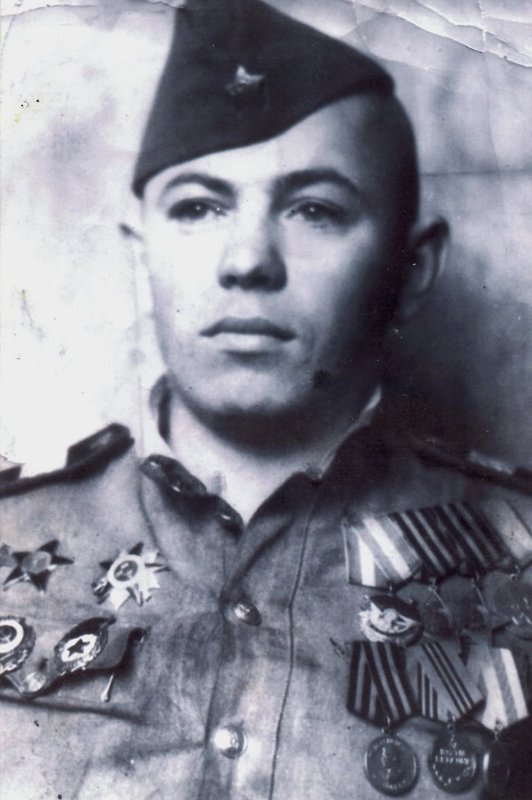

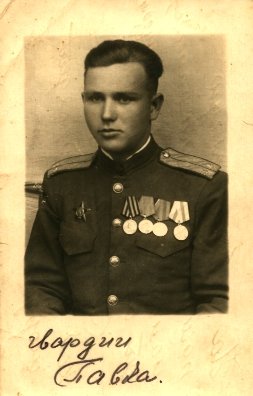
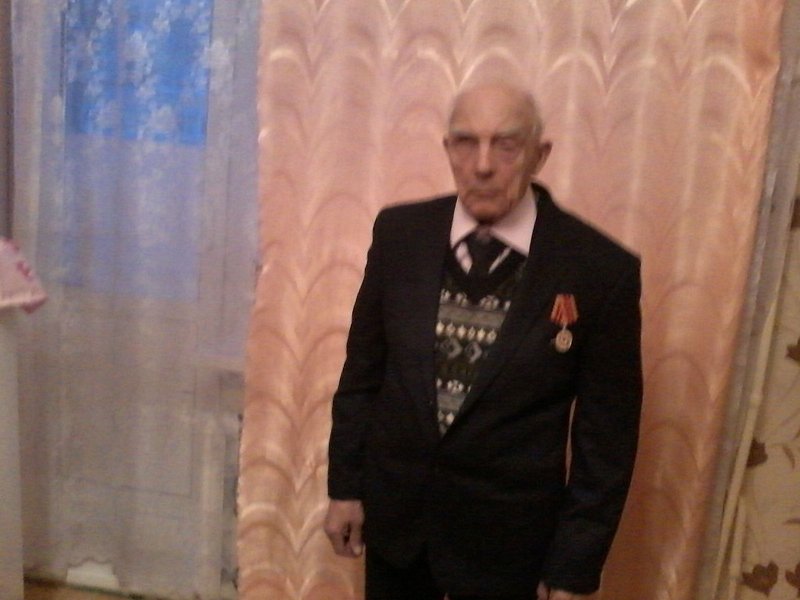
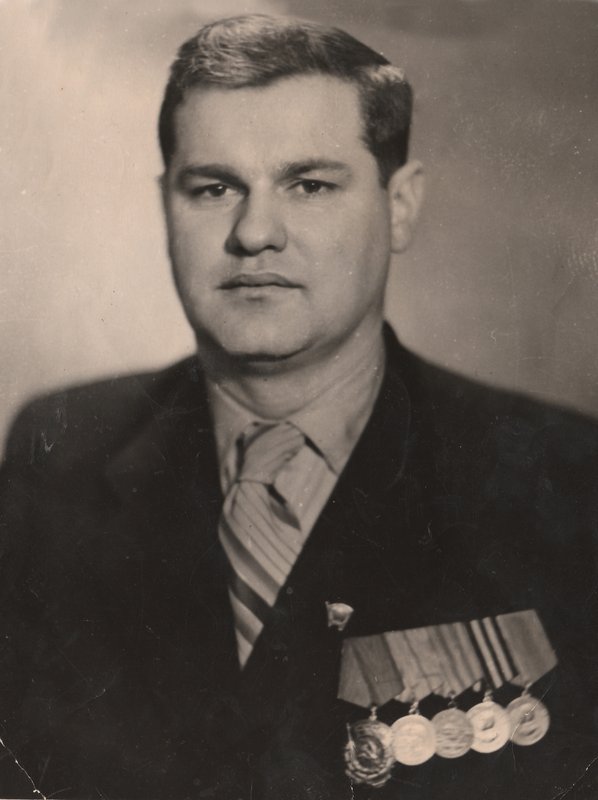
Kolyuka Fyodor Andreyevich
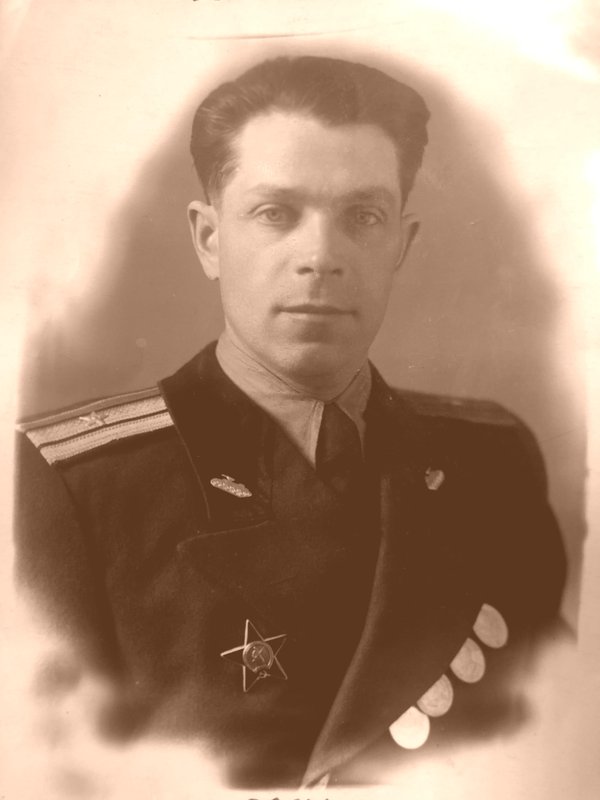
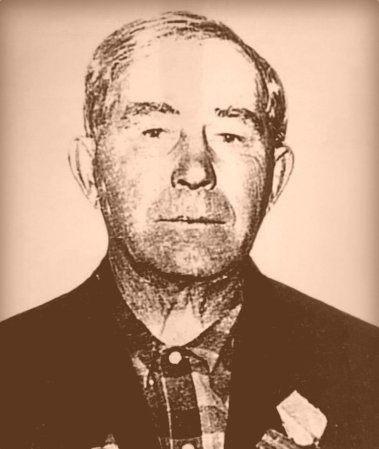
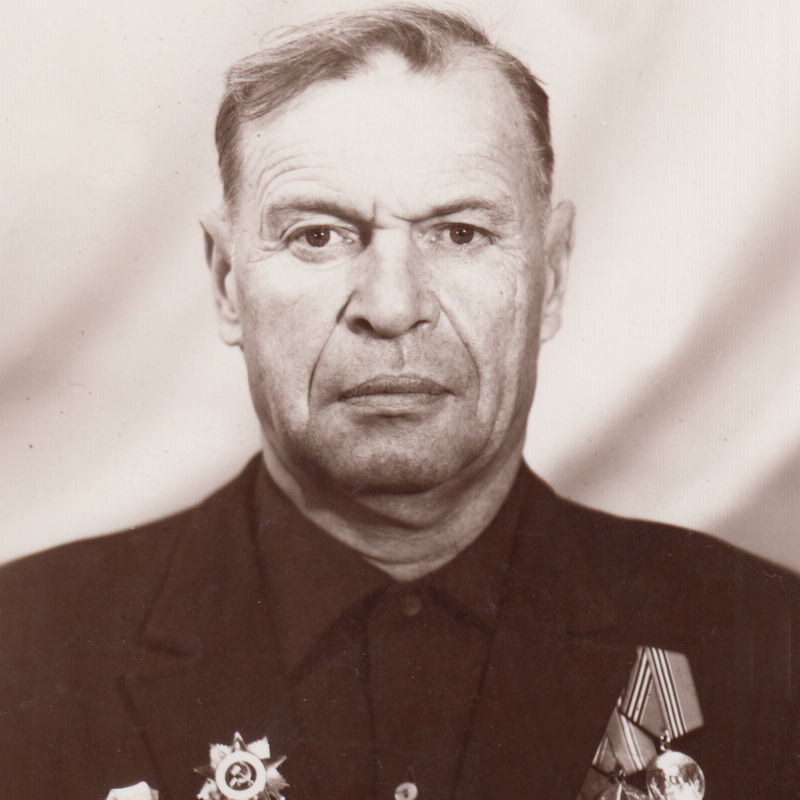
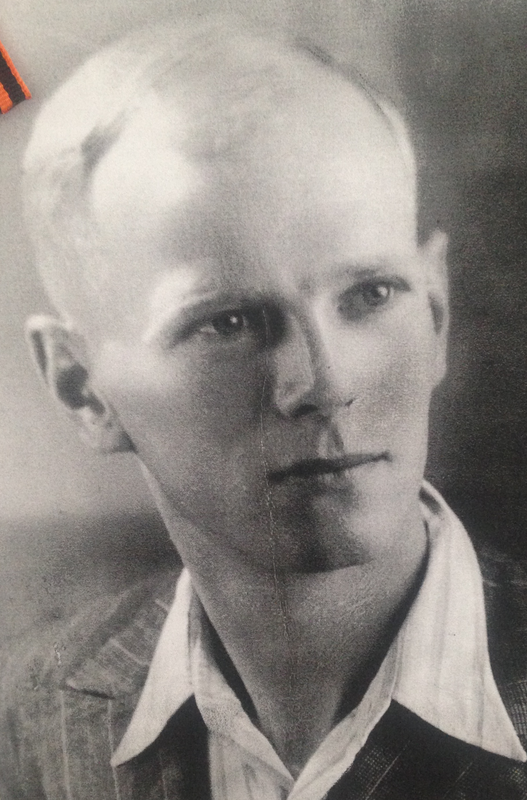
Fyodor Andreyevich Kolyuka was born in 1913 in Uspenke village of Buryn district, Sumy region. In 1932, after graduating from high school, he entered the Teacher Training College of the city Makeevka. In 1935, after graduating from the technical school, he was drafted into the Soviet Army. He served in the armored unit of the Kiev Military District as a sergeant (tank commander) until 1938. From 1938 to 1940 he was a cadet of the Orlov Armored School (Moscow Military District). From February 1940 to July 1942, he was a platoon commander of the cadets' platoon of the Oryol Armoured Personnel School (Moscow Military District). Fyodor Andreyevich began to take direct part in the battles in July 1942, at the North Caucasus Front, as Deputy Commander of the company of the tank brigade command. That brigade was attached to Cavalry Corps #17, which consisted of the Don and Kuban Cossacks under the command of Major General Kirichenko, a Civil War veteran. From Kolyuk's memoirs: "On July 29, the Germans began pushing back the 42nd Cavalry Regiment. Tanks and a motorized rifle battalion were introduced to support the regiment. The appearance of the tanks made a stunning impression on the Germans. With considerable losses, they began to withdraw in the riot. The German command hurriedly drew up a fresh force and the fighting resumed. It was a serious test of courage and combat skills for the brigade's personnel. And the brigade convincingly proved its excellent fighting ability. At the end of the day, the enemy pulled up the new units, performing a detour maneuver west of us (Biryuchoi station). He (the enemy) fell on our left flank at the area of the 30th Infantry Division and squeezed them out. The threat was created to surround all our units defending on the left flank. At this extremely acute moment, the commander of the tank company, Senior Lieutenant Goncharuk made a skilled tactical maneuver. He and his company promptly attacked the enemy's convoy, consisting of 2 infantry battalions and a division of mechanized anti-tank artillery. The strike was so fierce and formidable, and brought such devastation into the enemy's ranks that the Germans, despite their considerable numerical superiority, turned to more careful action. The daring attack of Goncharuk's tanks confused the plans of the Germans, their intention to make a detour and capture the village of Staro-Minska in order to disrupt the systematic deployment of our 17th Cavalry Corps, and thus put our units in a desperate situation. However, the Germans, wishing to seize the Kalinovka, accelerated the advance before our units arrived there. Then, Lieutenant Klimov attacked them and forced them to stop. He skillfully maneuvered under the fire of anti-tank guns, several of them were shot and more than one dozen Hitlerites were crushed with caterpillars. My grandfather was awarded medals for participation in the battles and for courage and bravery shown in the performance of military duty - "For the Defence of the Caucasus", "For Merit in Action", "For the Victory over Germany", orders - "Red Star", "Red Banner", "Patriotic War". In one of the battles, Fyodor Andreyevich's tank was directly hit by an enemy shell. At the end of his treatment, he continued to serve as commander of the company of cadets and senior teacher of firing training at the Orlov Tank School. From 1956 Kolyuk F.A. served as the commander of the tank battalion in the Belarusian Military District and in 1960 was dismissed to the reserve in the rank of Major. Over many years of impeccable service Fyodor Andreyevich brought up many officers, including Colonel-General - D.A. Volkogonov, Major-General Yu and many others.
Kolyuka Fyodor Andreyevich
Fyodor Andreyevich Kolyuka was born in 1913 in Uspenke village of Buryn district, Sumy region. In 1932, after graduating from high school, he entered the Teacher Training College of the city Makeevka. In 1935, after graduating from the technical school, he was drafted into the Soviet Army. He served in the armored unit of the Kiev Military District as a sergeant (tank commander) until 1938. From 1938 to 1940 he was a cadet of the Orlov Armored School (Moscow Military District). From February 1940 to July 1942, he was a platoon commander of the cadets' platoon of the Oryol Armoured Personnel School (Moscow Military District). Fyodor Andreyevich began to take direct part in the battles in July 1942, at the North Caucasus Front, as Deputy Commander of the company of the tank brigade command. That brigade was attached to Cavalry Corps #17, which consisted of the Don and Kuban Cossacks under the command of Major General Kirichenko, a Civil War veteran. From Kolyuk's memoirs: "On July 29, the Germans began pushing back the 42nd Cavalry Regiment. Tanks and a motorized rifle battalion were introduced to support the regiment. The appearance of the tanks made a stunning impression on the Germans. With considerable losses, they began to withdraw in the riot. The German command hurriedly drew up a fresh force and the fighting resumed. It was a serious test of courage and combat skills for the brigade's personnel. And the brigade convincingly proved its excellent fighting ability. At the end of the day, the enemy pulled up the new units, performing a detour maneuver west of us (Biryuchoi station). He (the enemy) fell on our left flank at the area of the 30th Infantry Division and squeezed them out. The threat was created to surround all our units defending on the left flank. At this extremely acute moment, the commander of the tank company, Senior Lieutenant Goncharuk made a skilled tactical maneuver. He and his company promptly attacked the enemy's convoy, consisting of 2 infantry battalions and a division of mechanized anti-tank artillery. The strike was so fierce and formidable, and brought such devastation into the enemy's ranks that the Germans, despite their considerable numerical superiority, turned to more careful action. The daring attack of Goncharuk's tanks confused the plans of the Germans, their intention to make a detour and capture the village of Staro-Minska in order to disrupt the systematic deployment of our 17th Cavalry Corps, and thus put our units in a desperate situation. However, the Germans, wishing to seize the Kalinovka, accelerated the advance before our units arrived there. Then, Lieutenant Klimov attacked them and forced them to stop. He skillfully maneuvered under the fire of anti-tank guns, several of them were shot and more than one dozen Hitlerites were crushed with caterpillars. My grandfather was awarded medals for participation in the battles and for courage and bravery shown in the performance of military duty - "For the Defence of the Caucasus", "For Merit in Action", "For the Victory over Germany", orders - "Red Star", "Red Banner", "Patriotic War". In one of the battles, Fyodor Andreyevich's tank was directly hit by an enemy shell. At the end of his treatment, he continued to serve as commander of the company of cadets and senior teacher of firing training at the Orlov Tank School. From 1956 Kolyuk F.A. served as the commander of the tank battalion in the Belarusian Military District and in 1960 was dismissed to the reserve in the rank of Major. Over many years of impeccable service Fyodor Andreyevich brought up many officers, including Colonel-General - D.A. Volkogonov, Major-General Yu and many others.
0 comment



2026 © Russian Military Historical Society Developed by Jetmix