Back to
album
album
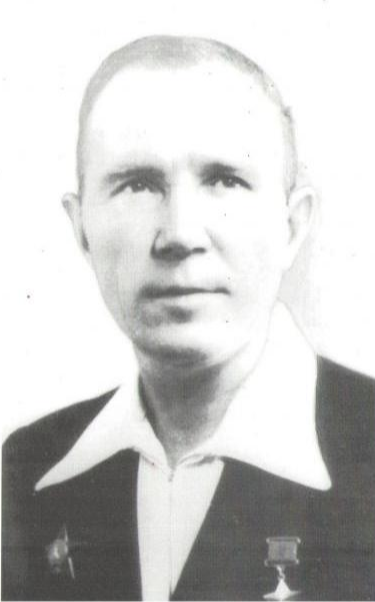
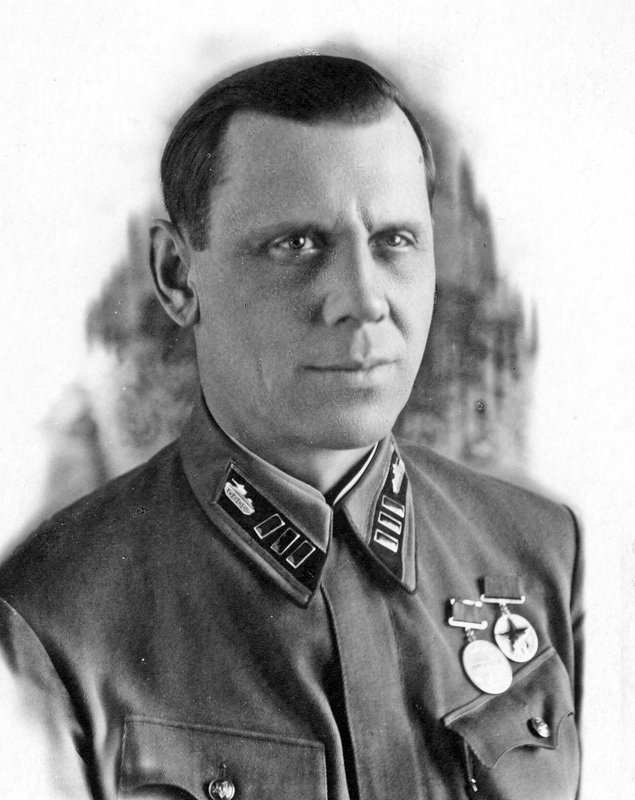
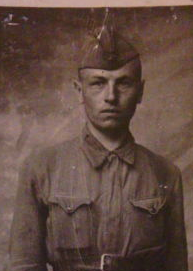
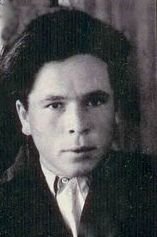
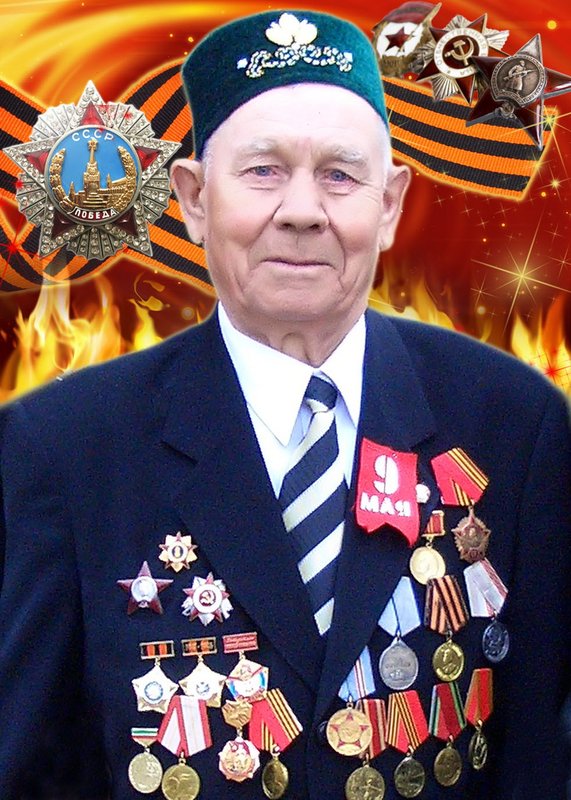
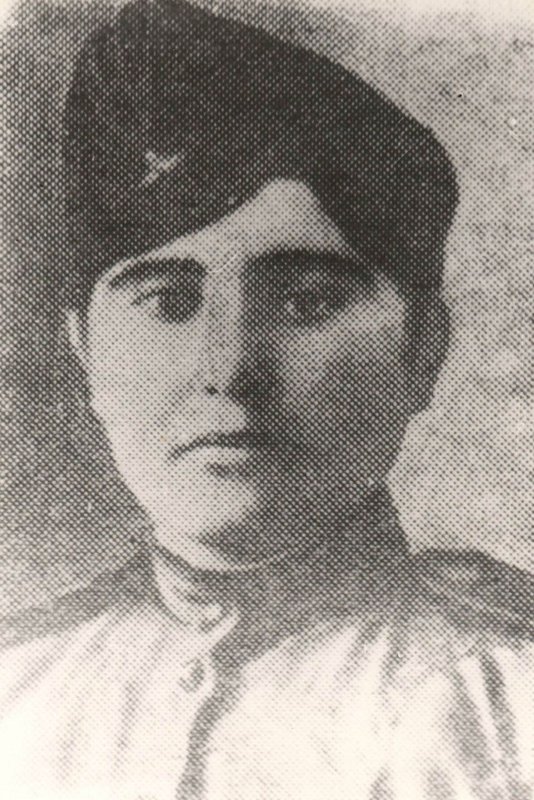
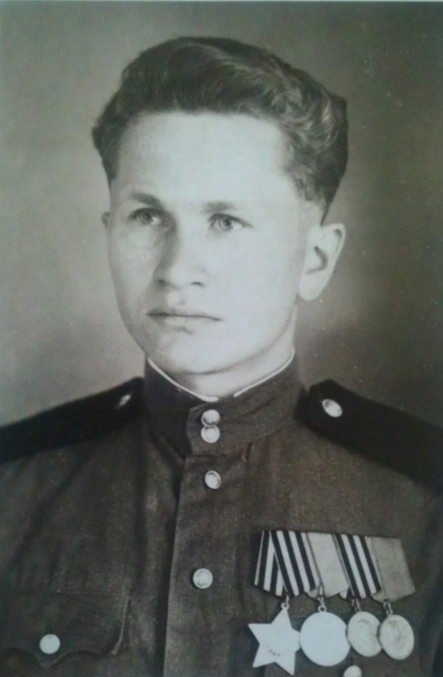
Ilchenko Fedor Mikhailovich
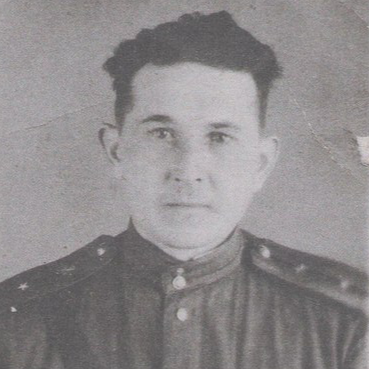
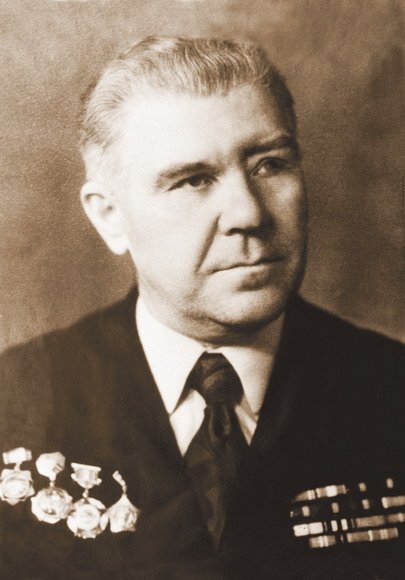
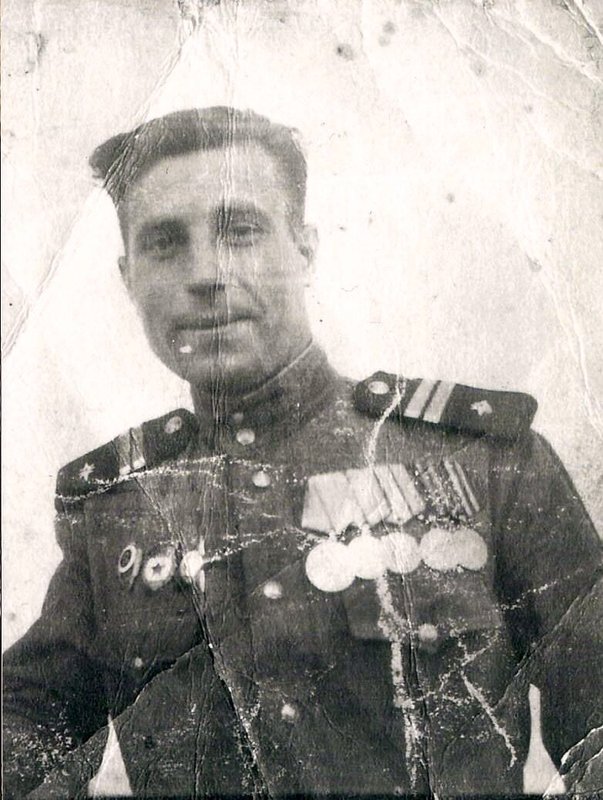
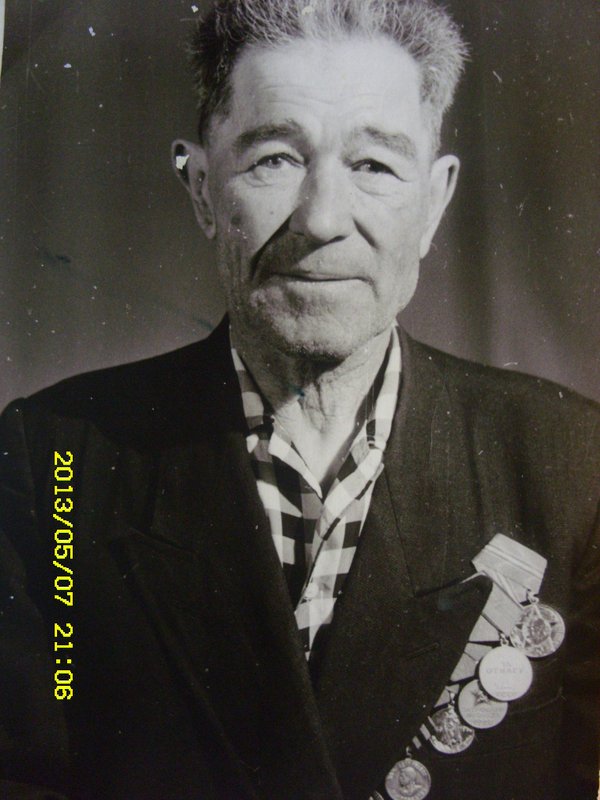
Rank: Lieutenant Colonel. Type of troops: Armored and mechanized troops. Division: 38th Infantry Division (2nd Formation). During the Great Patriotic War, Ilchenko F.M. was a gunner, assistant chief of the operational department of the headquarters of a rifle division, an army liaison officer, chief of staff of a brigade. Ilchenko Fyodor Mikhailovich took part in battles on the Crimean, Stalingrad, South-East, Don and other fronts. During the Battle of Stalingrad, he was only 22 years old, and he was a senior lieutenant, deputy chief of staff of the 38th separate motorized rifle brigade, which initially had more than five thousand people. After the battle on the Mamayev Kurgan, only 138 of them remained. He went down in history as a man who played an outstanding role in the capture of the headquarters of the 6th German field army and its commander, Field Marshal Friedrich Paulus. The capture of Paulus, according to his grandfather, was pure coincidence. It happens in war. This is the story he told us. Once they took a polyglot-tongue. Once, in one of the cellars, grandfather Fedya and his soldiers covered an enemy infirmary. It turned out that there were officers among the wounded. The captive polyglot-tongue knew many of them by sight. It was from them that we learned that all orders to the German group came from the ruins of a department store behind the "beautiful square" (as the Germans called the Square of the Fallen Fighters in Stalingrad). In the dark on January 31, 1943, Senior Lieutenant Ilchenko, Captain Gritsenko and Lieutenant Mezhirko (two of these officers later died), accompanied by a German parliamentary officer, got into the basement, where there used to be a warehouse for children's toys. It was from this basement, before capitulating, that the field marshal gave Hitler the last radiogram: "My Fuhrer, the Russians are at the door!" A snub-nosed senior lieutenant Ilchenko was waiting for him outside the door. There were few rooms in the basement. In one there is a kind of Paulus's office. There was neatness all around, in the middle there was a table covered with a green cloth, on which a soldier's lamp-smokehouse, made from a shell cartridge, burned. On the bed was an aging, unshaven man in a sweater of an incomprehensible color (in 1943 Paulus was 53 years old). The uniform hung on a chair. There was a cool accordion on the couch nearby. The 40-year-old German general Rosske, who was accompanying his grandfather, quietly said to that peasant only one thing: "The Russian has come!" Paulus got out of bed and squeezed out through force: "This is the final!" The field marshal of the German army surrenders to the Red Army. “So, the final!” - instead of greeting the grandfather said. And the gloomy field marshal nodded his head. By the end of the day, my grandfather accepted the surrender of the commander-in-chief of the fascist group, Field Marshal Paulus himself. Ilchenko F.M. was wounded four times in the war. The wounds were very serious: he lost an eye and for the rest of his life he was reminded of himself by a splinter of a German grenade, which the doctors could not get out of his head. After the war, Fedor Mikhailovich Ilchenko and his family settled in Kiev. The bright memory of Fyodor Mikhailovich will forever remain in our hearts.
Ilchenko Fedor Mikhailovich
Rank: Lieutenant Colonel. Type of troops: Armored and mechanized troops. Division: 38th Infantry Division (2nd Formation). During the Great Patriotic War, Ilchenko F.M. was a gunner, assistant chief of the operational department of the headquarters of a rifle division, an army liaison officer, chief of staff of a brigade. Ilchenko Fyodor Mikhailovich took part in battles on the Crimean, Stalingrad, South-East, Don and other fronts. During the Battle of Stalingrad, he was only 22 years old, and he was a senior lieutenant, deputy chief of staff of the 38th separate motorized rifle brigade, which initially had more than five thousand people. After the battle on the Mamayev Kurgan, only 138 of them remained. He went down in history as a man who played an outstanding role in the capture of the headquarters of the 6th German field army and its commander, Field Marshal Friedrich Paulus. The capture of Paulus, according to his grandfather, was pure coincidence. It happens in war. This is the story he told us. Once they took a polyglot-tongue. Once, in one of the cellars, grandfather Fedya and his soldiers covered an enemy infirmary. It turned out that there were officers among the wounded. The captive polyglot-tongue knew many of them by sight. It was from them that we learned that all orders to the German group came from the ruins of a department store behind the "beautiful square" (as the Germans called the Square of the Fallen Fighters in Stalingrad). In the dark on January 31, 1943, Senior Lieutenant Ilchenko, Captain Gritsenko and Lieutenant Mezhirko (two of these officers later died), accompanied by a German parliamentary officer, got into the basement, where there used to be a warehouse for children's toys. It was from this basement, before capitulating, that the field marshal gave Hitler the last radiogram: "My Fuhrer, the Russians are at the door!" A snub-nosed senior lieutenant Ilchenko was waiting for him outside the door. There were few rooms in the basement. In one there is a kind of Paulus's office. There was neatness all around, in the middle there was a table covered with a green cloth, on which a soldier's lamp-smokehouse, made from a shell cartridge, burned. On the bed was an aging, unshaven man in a sweater of an incomprehensible color (in 1943 Paulus was 53 years old). The uniform hung on a chair. There was a cool accordion on the couch nearby. The 40-year-old German general Rosske, who was accompanying his grandfather, quietly said to that peasant only one thing: "The Russian has come!" Paulus got out of bed and squeezed out through force: "This is the final!" The field marshal of the German army surrenders to the Red Army. “So, the final!” - instead of greeting the grandfather said. And the gloomy field marshal nodded his head. By the end of the day, my grandfather accepted the surrender of the commander-in-chief of the fascist group, Field Marshal Paulus himself. Ilchenko F.M. was wounded four times in the war. The wounds were very serious: he lost an eye and for the rest of his life he was reminded of himself by a splinter of a German grenade, which the doctors could not get out of his head. After the war, Fedor Mikhailovich Ilchenko and his family settled in Kiev. The bright memory of Fyodor Mikhailovich will forever remain in our hearts.
0 comment




2026 © Russian Military Historical Society Developed by Jetmix