Back to
album
album
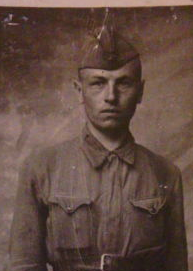
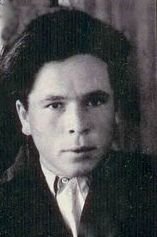
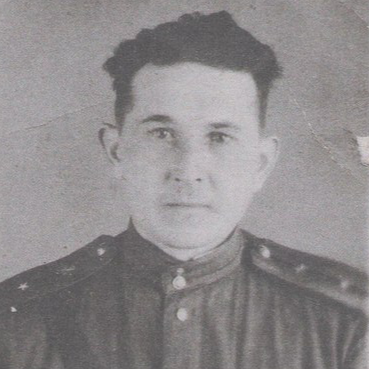
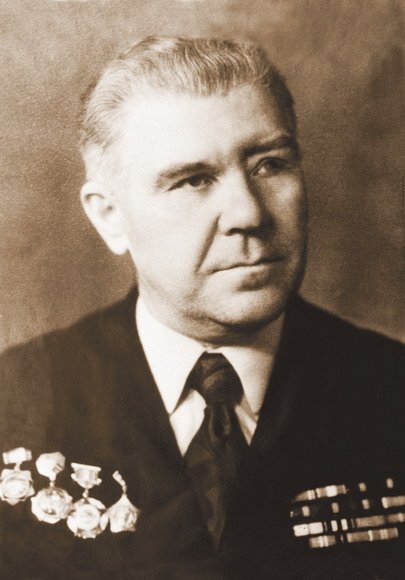
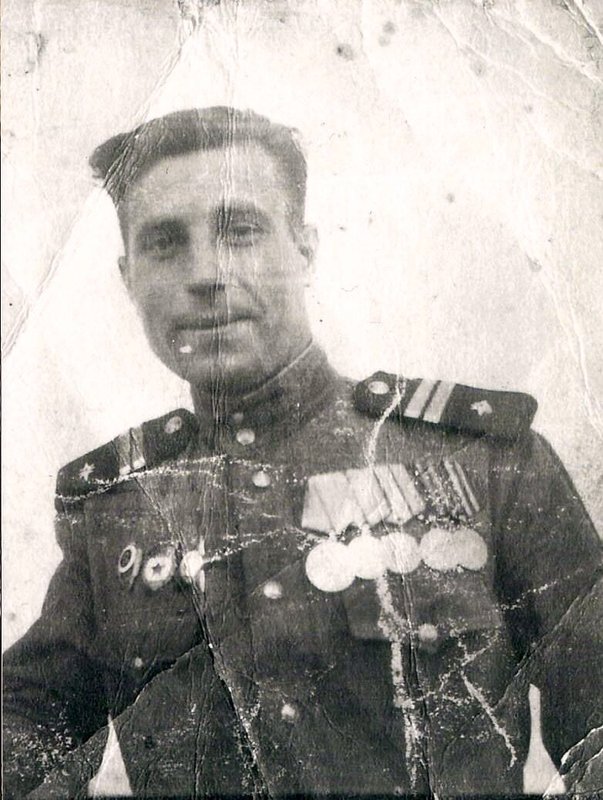
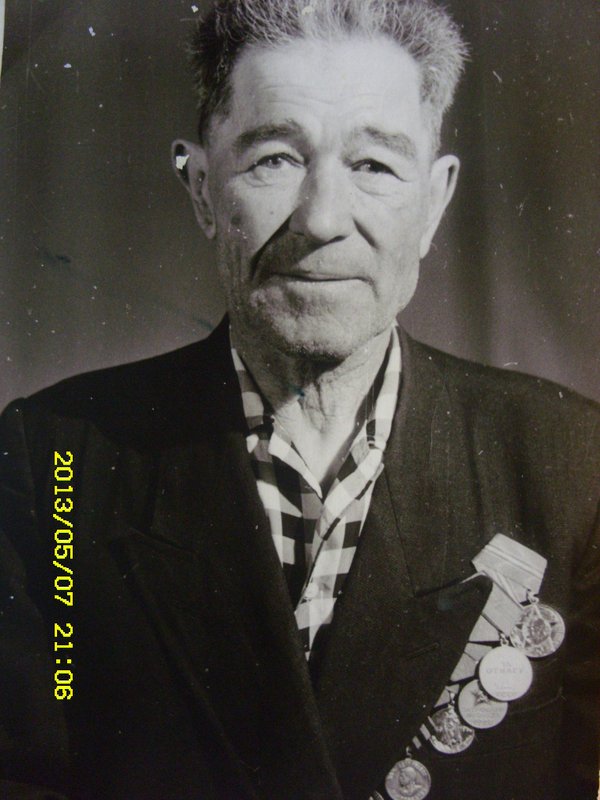
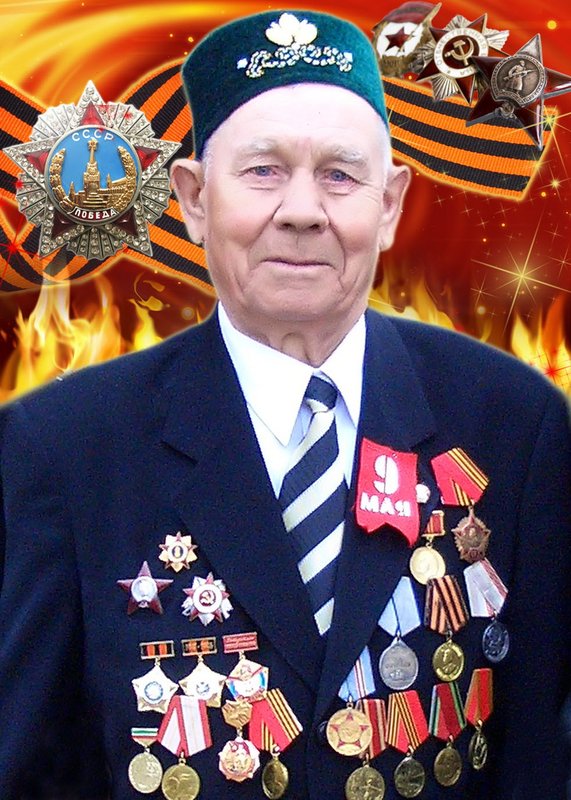
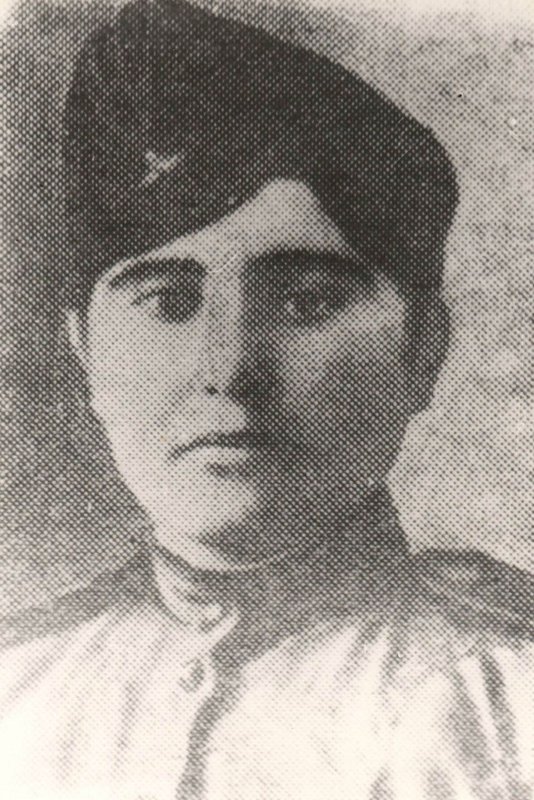
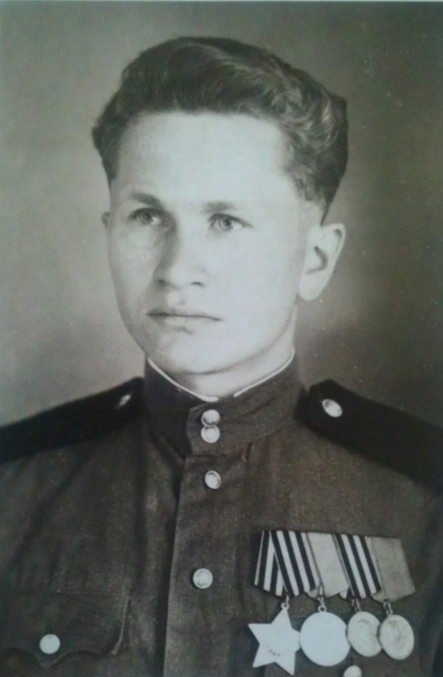

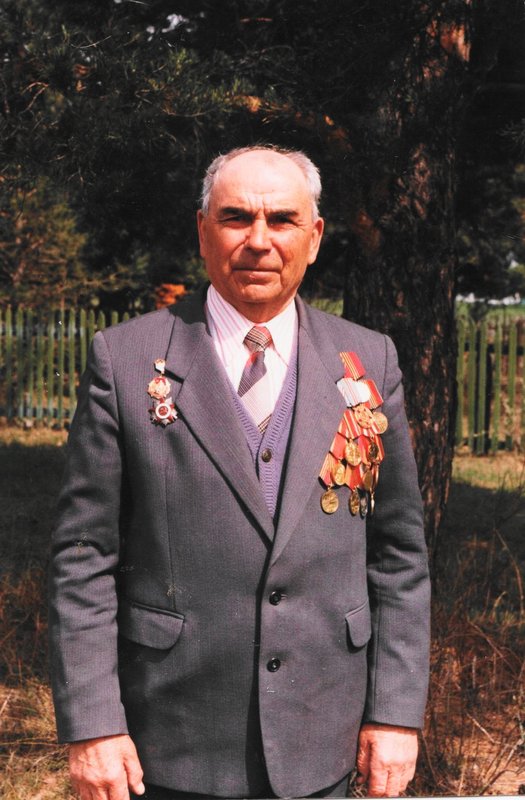
Igonin Pavel Fateevich
Rank: Red Army. Type of troops: Artillery. My father was born in the village of Mormyshi into a strong peasant family. In 1919, in May, he was drafted into Kolchak's army, but he fled from Barnaul to Novosibirsk, and then reached the Red Army units in the Urals by rail. And already in August he was enlisted in the Turkestan artillery division, a year later he switched to horse reconnaissance. Taking part in the battles, he reached the Crimea, forced Sevash. Miraculously survived after typhus and was terribly exhausted in December 1922, returned home. Got a family and until 1941 worked as a tractor driver on the collective farm "Memory of Lenin". In 1941 he was mobilized into the 236th Cavalry Regiment as a mortarman. Volkhov Front, Myasnoy Bor, here, within the framework of the unblocking of Leningrad, it was possible to break through the German defense, the soldiers of the Second Shock Army moved into the gap formed and began to rapidly advance in the direction of Lyuban. For the formed corridor, only 3-4 km wide, and sometimes even 300 meters, fierce battles unfolded. And even after many years, dad could not calmly recall that "meat grinder of war", later called "Valley of Death". He could not talk about it, tears did not allow to speak, he waved his hand in despair. And the memory was the medal "For Courage". In February 1942, during a transfer to another line, he was wounded by a direct hit to the wagon by a shell. Frightened horses carried him half-dead from the shelling. He was found by a local resident and sent to the medical battalion. His trachea was interrupted, his ribs were broken. Doctors wondered how he survived. In June, he was discharged from the Izhevsk evacuation hospital. Returning to the orphaned village, he took over the leadership of the collective farm. A telegram dated November 6, 1946, "To the chairman of the collective farm comrade P, F. Igonin. Congratulations to you and your collective farmers on the Great holiday of the 29th anniversary of the Great October Socialist Revolution. We express our full confidence in the fulfillment of the festive task of grain-giving." After 1949, dad worked at the Guseletovskaya MTS, and then in the carpentry. Labor awards were added to the military awards. He died in 1993.
Igonin Pavel Fateevich
Rank: Red Army. Type of troops: Artillery. My father was born in the village of Mormyshi into a strong peasant family. In 1919, in May, he was drafted into Kolchak's army, but he fled from Barnaul to Novosibirsk, and then reached the Red Army units in the Urals by rail. And already in August he was enlisted in the Turkestan artillery division, a year later he switched to horse reconnaissance. Taking part in the battles, he reached the Crimea, forced Sevash. Miraculously survived after typhus and was terribly exhausted in December 1922, returned home. Got a family and until 1941 worked as a tractor driver on the collective farm "Memory of Lenin". In 1941 he was mobilized into the 236th Cavalry Regiment as a mortarman. Volkhov Front, Myasnoy Bor, here, within the framework of the unblocking of Leningrad, it was possible to break through the German defense, the soldiers of the Second Shock Army moved into the gap formed and began to rapidly advance in the direction of Lyuban. For the formed corridor, only 3-4 km wide, and sometimes even 300 meters, fierce battles unfolded. And even after many years, dad could not calmly recall that "meat grinder of war", later called "Valley of Death". He could not talk about it, tears did not allow to speak, he waved his hand in despair. And the memory was the medal "For Courage". In February 1942, during a transfer to another line, he was wounded by a direct hit to the wagon by a shell. Frightened horses carried him half-dead from the shelling. He was found by a local resident and sent to the medical battalion. His trachea was interrupted, his ribs were broken. Doctors wondered how he survived. In June, he was discharged from the Izhevsk evacuation hospital. Returning to the orphaned village, he took over the leadership of the collective farm. A telegram dated November 6, 1946, "To the chairman of the collective farm comrade P, F. Igonin. Congratulations to you and your collective farmers on the Great holiday of the 29th anniversary of the Great October Socialist Revolution. We express our full confidence in the fulfillment of the festive task of grain-giving." After 1949, dad worked at the Guseletovskaya MTS, and then in the carpentry. Labor awards were added to the military awards. He died in 1993.
0 comment




2026 © Russian Military Historical Society Developed by Jetmix