Back to
album
album
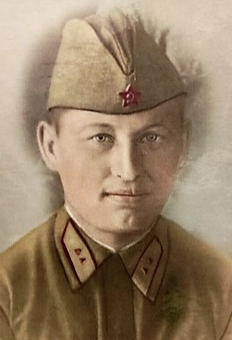
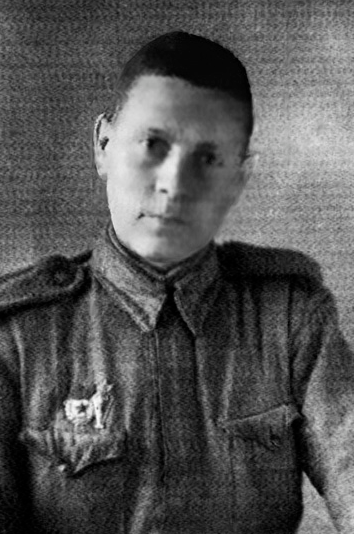
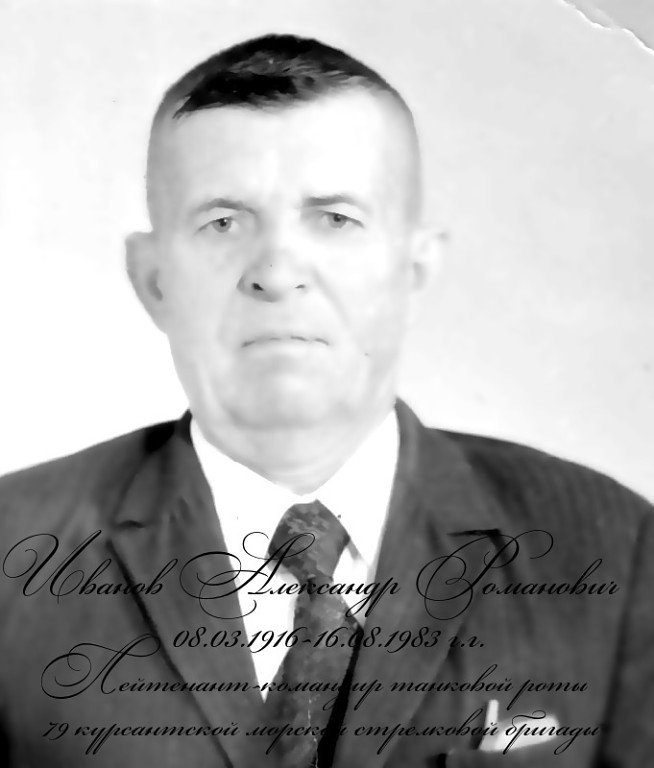
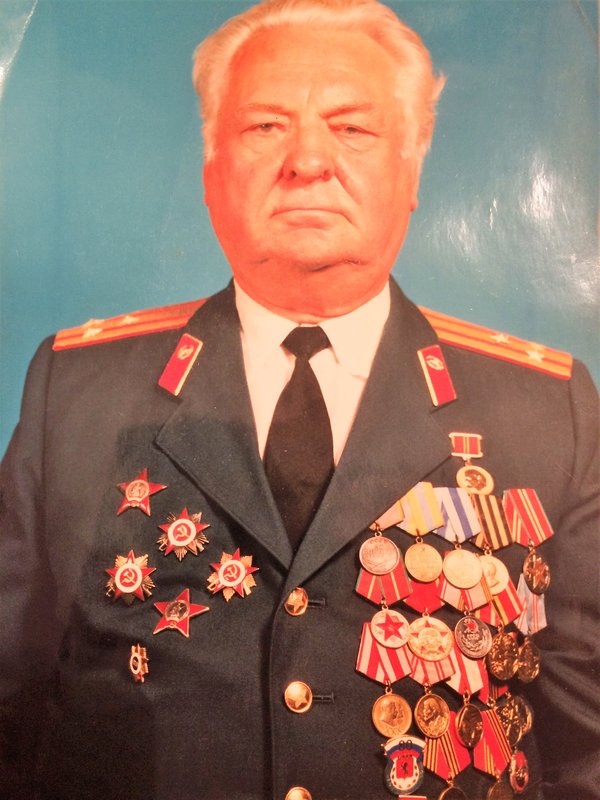
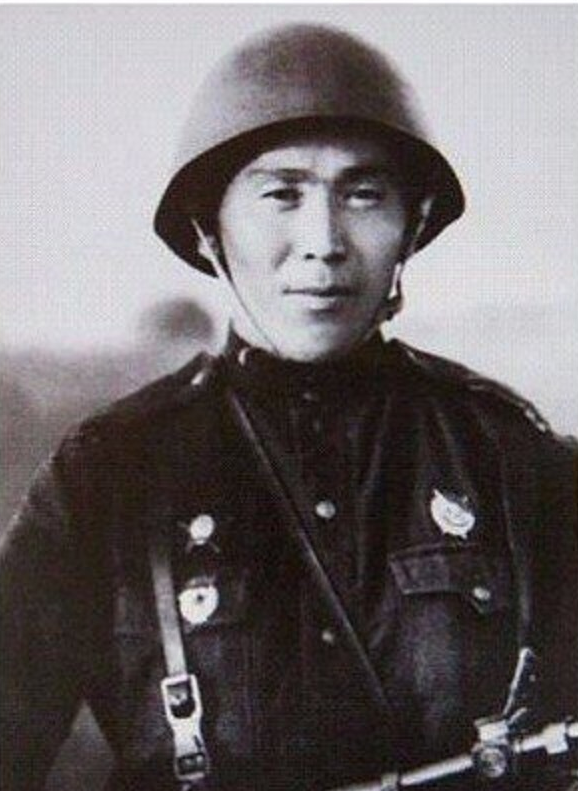


Ishchenko Mikhail Pavlovich
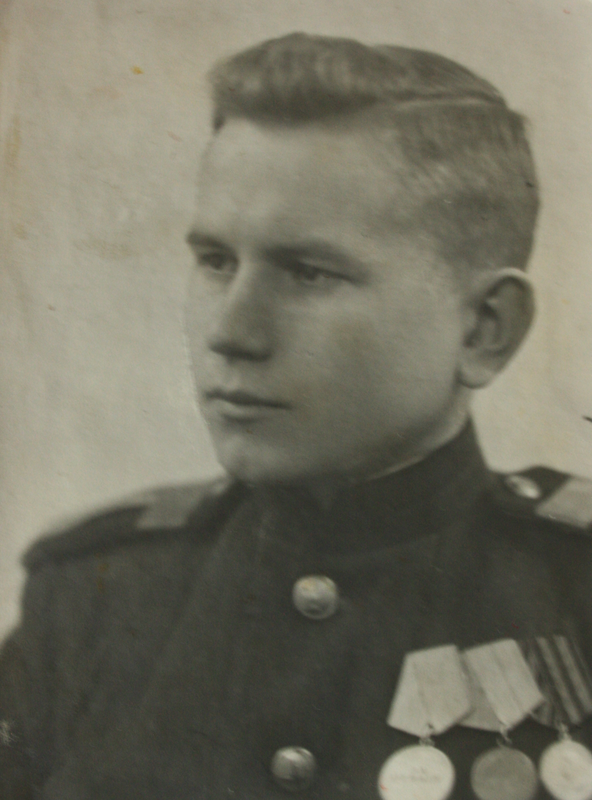
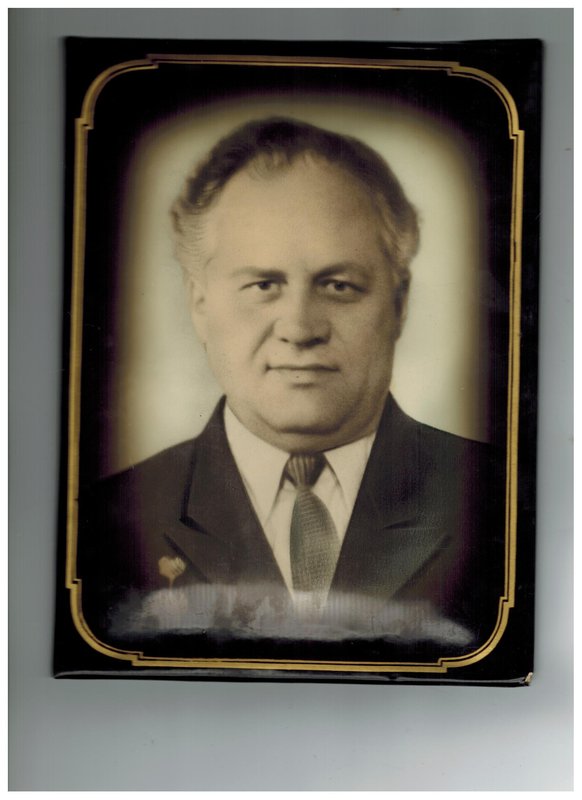
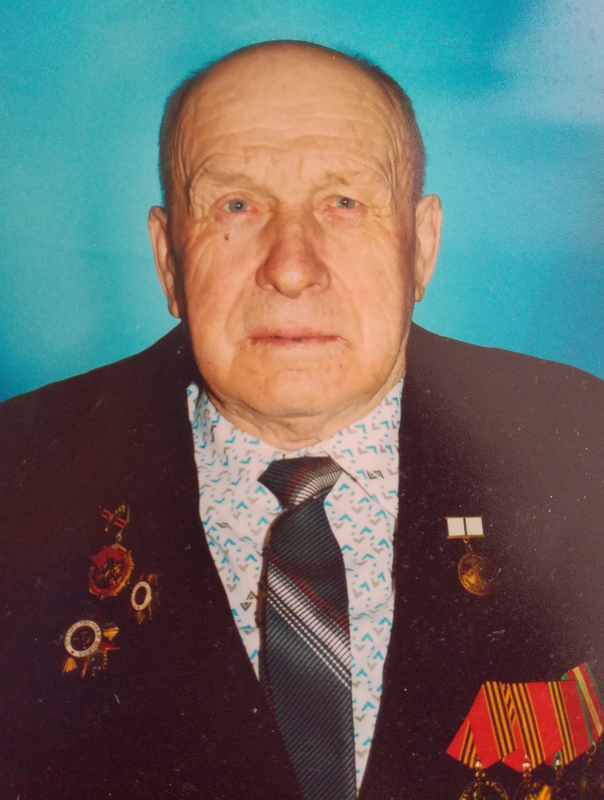
Rank: Red Army. Branch of the service: Ground Forces, Air Force (except naval aviation), coastal service, NKVD troops, border troops. I would like to write about my father, Mikhail Pavlovich Ischenko. He was born in 1926 in Ukraine, in the small town of Volnovakha, not far from Donetsk (at that time, Stalino) in a simple working-class family. As a child, he experienced everything, both hunger and cold, he even had to eat sparrows. Having barely reached the age of eighteen, he was drafted into the ranks of the Red Army in 1944 and fought as part of the 3rd Belorussian Front. He took part in the liberation of Orsha and part of Belarus. My father is from the generation of defenders of the Fatherland of the last military draft, and this is a special category of people. On January 13, 1945, the Soviet army launched the East Prussian operation, and at the beginning of April 1945, the assault on Konigsberg began. According to Soviet data, the losses of the troops of the 3rd Belorussian Front during the assault on Koenigsberg amounted to 3,700 people killed. The father survived but was seriously injured. A shrapnel knocked out 3 ribs, and the bullet stuck in soft tissues 1 cm from the spine. I remember from childhood how I looked at his X-ray and was surprised how a person can live with a bullet in the body. He lived a long life, he was many times invited to Belarus to military parades, but his health did not allow, and the country of the Soviet Union no longer existed. Having passed next to death, the father acquired exceptional resistance to adversity and a constant readiness to come to the rescue, despite his age and illness. He died in Donetsk at the age of 81.
Ishchenko Mikhail Pavlovich
Rank: Red Army. Branch of the service: Ground Forces, Air Force (except naval aviation), coastal service, NKVD troops, border troops. I would like to write about my father, Mikhail Pavlovich Ischenko. He was born in 1926 in Ukraine, in the small town of Volnovakha, not far from Donetsk (at that time, Stalino) in a simple working-class family. As a child, he experienced everything, both hunger and cold, he even had to eat sparrows. Having barely reached the age of eighteen, he was drafted into the ranks of the Red Army in 1944 and fought as part of the 3rd Belorussian Front. He took part in the liberation of Orsha and part of Belarus. My father is from the generation of defenders of the Fatherland of the last military draft, and this is a special category of people. On January 13, 1945, the Soviet army launched the East Prussian operation, and at the beginning of April 1945, the assault on Konigsberg began. According to Soviet data, the losses of the troops of the 3rd Belorussian Front during the assault on Koenigsberg amounted to 3,700 people killed. The father survived but was seriously injured. A shrapnel knocked out 3 ribs, and the bullet stuck in soft tissues 1 cm from the spine. I remember from childhood how I looked at his X-ray and was surprised how a person can live with a bullet in the body. He lived a long life, he was many times invited to Belarus to military parades, but his health did not allow, and the country of the Soviet Union no longer existed. Having passed next to death, the father acquired exceptional resistance to adversity and a constant readiness to come to the rescue, despite his age and illness. He died in Donetsk at the age of 81.
0 comment




2026 © Russian Military Historical Society Developed by Jetmix