Back to
album
album

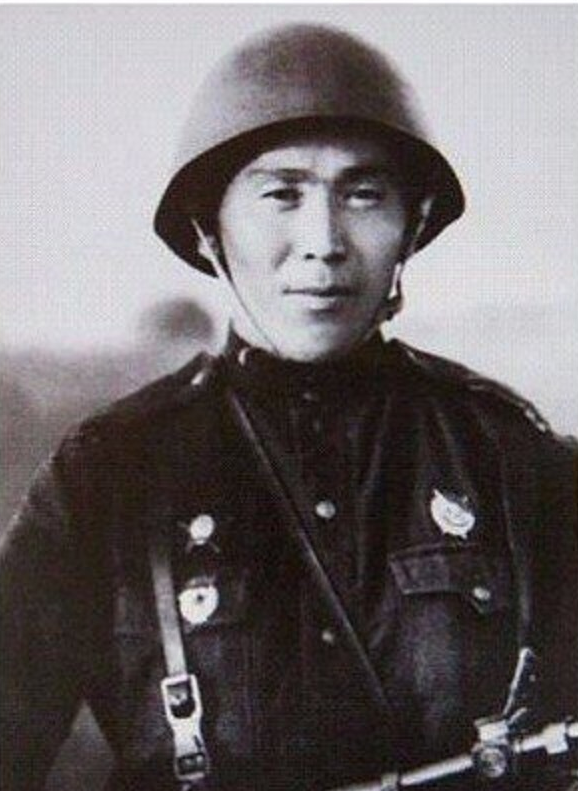

Ivanov Sergey Andreevich
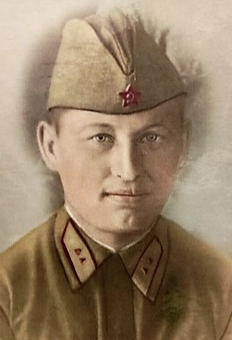
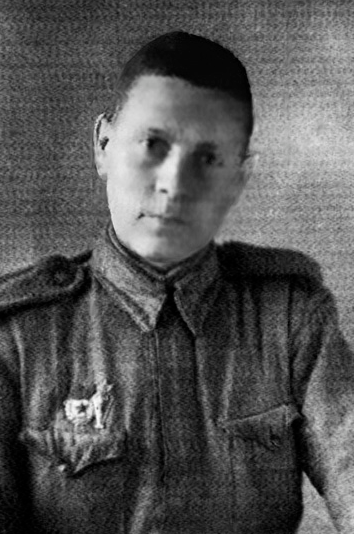
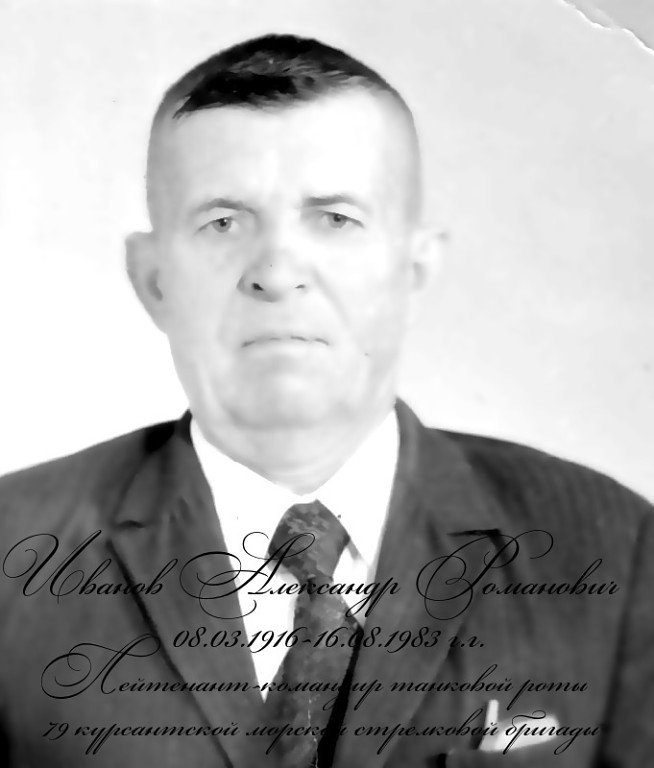
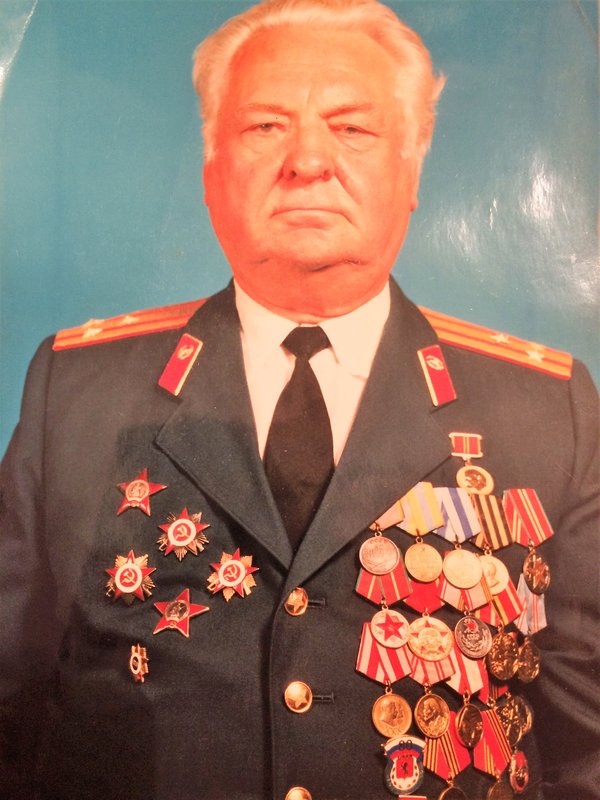
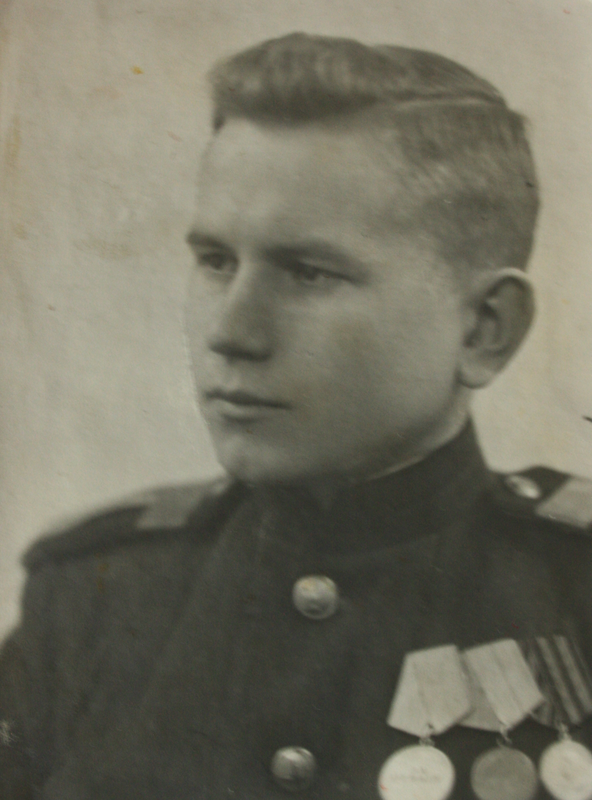
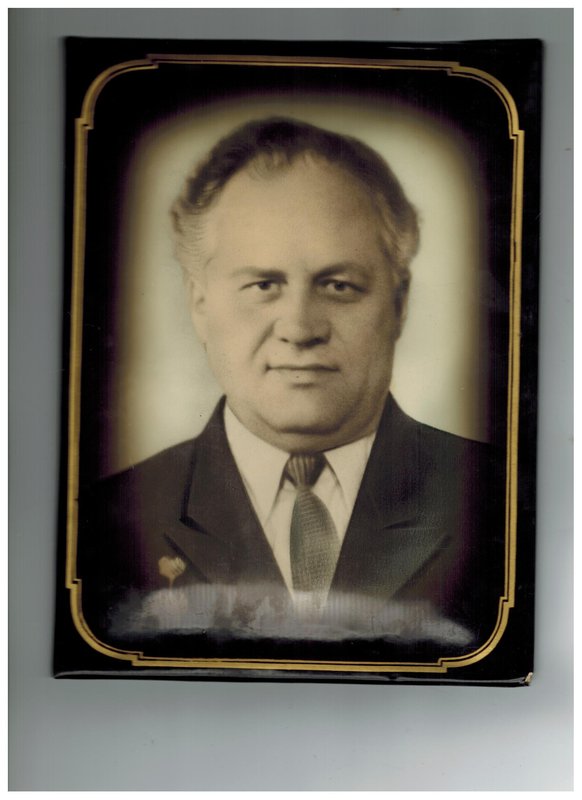
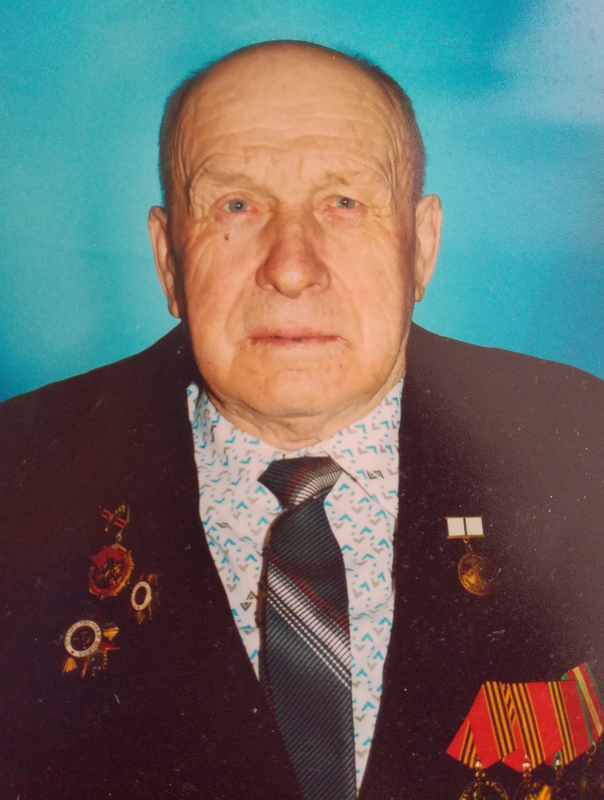
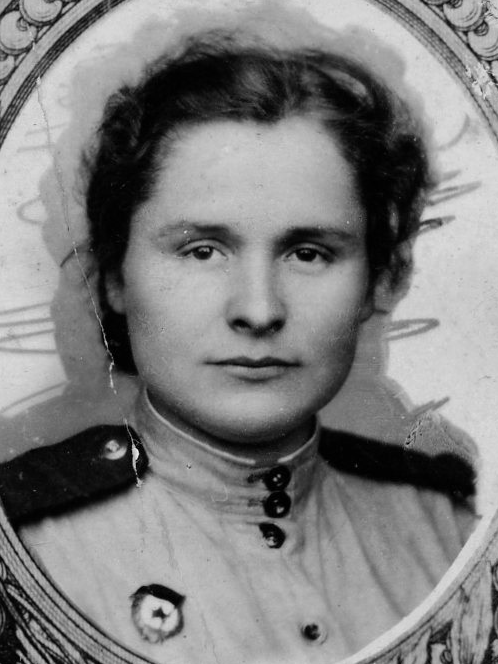
Rank: Petty Officer. Type of troops: Signal troops. Our father Sergei Andreevich Ivanov met the beginning of the war in Leningrad, but front-line mobilization did not affect him immediately, because on June 18, 1941, while undergoing field practice as part of his studies at the geodetic technical school, he broke his left collarbone and until November was being treated at the trauma institute ... On November 8, he was sent to study at the military school of radio operators of the Leningrad Front to study radio business. From the beginning of September 1941, the circle of the blockade of Leningrad was closed. The difficult pages of the life of the townspeople began. In his memoirs, the father writes that he wanted to eat and sleep all the time. Once, leaving the dugout where the students-radio operators lived, he lost consciousness and woke up in the hospital. In early April 1942 he was sent to the 55th Army, which was stationed in the southeast in the Rybatskoye settlement. There he met the radio operators, with whom he was later linked by many years of friendship. Among them was Vyacheslav Lappo - an Estonian, a good-natured person, the future creator of the receiving antenna of the first artificial Earth satellite. From my father's recollections of the war: "A terrible shelling was in one of the autumn days of 1943. The Nazis fired at the territory of the Spartak garden, which was located in the southeast of Leningrad. There, in a van, was my radio station. A trench was dug for the car, but since the soil was swampy, it was not possible to dig deeply. We only managed to cover the chassis of the car, and the van was almost all over the trench. During the shelling, I received a radiogram. Through the window I saw how the shells exploded and the explosions approached the radio station. One of the fragments from the explosion, breaking through the roof of the van, fell on the table where the radio station was. I took the splinter - it was still hot, the next explosion threw the car in which I was sitting and shook it violently. After the artillery shelling, the commander of our company said that the shell went into the swampy soil under the car and exploded in the depths. He scolded me for not getting out of the car and hiding in a trench. I replied: “How would the soldiers and the command look at me after that?” During this shelling and senior sergeant Podgorny was wounded by a shrapnel in the arm. He was saved from death by the medal "For the Defense of Leningrad" - a splinter hit it. On this day, two of our officers were killed. " Together with the 55th Army, (later 67) of the Leningrad Front, my father participated in the liberation of the Leningrad, the territory of the present Pskov region and the Baltic states. As a participant in hostilities during the Great Patriotic War, my father was awarded medals "For Courage", "For the Defense of Leningrad", the Order of the Great Patriotic War and other jubilee government awards. Since 1948, his father's life is closely connected with the Pskov State Pedagogical Institute named after CM. Kirov (hereinafter - the Pskov State Pedagogical University), he has gone from a student of the Faculty of History to Doctor of Historical Sciences, professor, head of the department. The memory of him is forever with us. Sons Andrey and Victor, grandchildren Pavel, Natalia, Alina.
Ivanov Sergey Andreevich
Rank: Petty Officer. Type of troops: Signal troops. Our father Sergei Andreevich Ivanov met the beginning of the war in Leningrad, but front-line mobilization did not affect him immediately, because on June 18, 1941, while undergoing field practice as part of his studies at the geodetic technical school, he broke his left collarbone and until November was being treated at the trauma institute ... On November 8, he was sent to study at the military school of radio operators of the Leningrad Front to study radio business. From the beginning of September 1941, the circle of the blockade of Leningrad was closed. The difficult pages of the life of the townspeople began. In his memoirs, the father writes that he wanted to eat and sleep all the time. Once, leaving the dugout where the students-radio operators lived, he lost consciousness and woke up in the hospital. In early April 1942 he was sent to the 55th Army, which was stationed in the southeast in the Rybatskoye settlement. There he met the radio operators, with whom he was later linked by many years of friendship. Among them was Vyacheslav Lappo - an Estonian, a good-natured person, the future creator of the receiving antenna of the first artificial Earth satellite. From my father's recollections of the war: "A terrible shelling was in one of the autumn days of 1943. The Nazis fired at the territory of the Spartak garden, which was located in the southeast of Leningrad. There, in a van, was my radio station. A trench was dug for the car, but since the soil was swampy, it was not possible to dig deeply. We only managed to cover the chassis of the car, and the van was almost all over the trench. During the shelling, I received a radiogram. Through the window I saw how the shells exploded and the explosions approached the radio station. One of the fragments from the explosion, breaking through the roof of the van, fell on the table where the radio station was. I took the splinter - it was still hot, the next explosion threw the car in which I was sitting and shook it violently. After the artillery shelling, the commander of our company said that the shell went into the swampy soil under the car and exploded in the depths. He scolded me for not getting out of the car and hiding in a trench. I replied: “How would the soldiers and the command look at me after that?” During this shelling and senior sergeant Podgorny was wounded by a shrapnel in the arm. He was saved from death by the medal "For the Defense of Leningrad" - a splinter hit it. On this day, two of our officers were killed. " Together with the 55th Army, (later 67) of the Leningrad Front, my father participated in the liberation of the Leningrad, the territory of the present Pskov region and the Baltic states. As a participant in hostilities during the Great Patriotic War, my father was awarded medals "For Courage", "For the Defense of Leningrad", the Order of the Great Patriotic War and other jubilee government awards. Since 1948, his father's life is closely connected with the Pskov State Pedagogical Institute named after CM. Kirov (hereinafter - the Pskov State Pedagogical University), he has gone from a student of the Faculty of History to Doctor of Historical Sciences, professor, head of the department. The memory of him is forever with us. Sons Andrey and Victor, grandchildren Pavel, Natalia, Alina.
0 comment



2026 © Russian Military Historical Society Developed by Jetmix