Back to
album
album

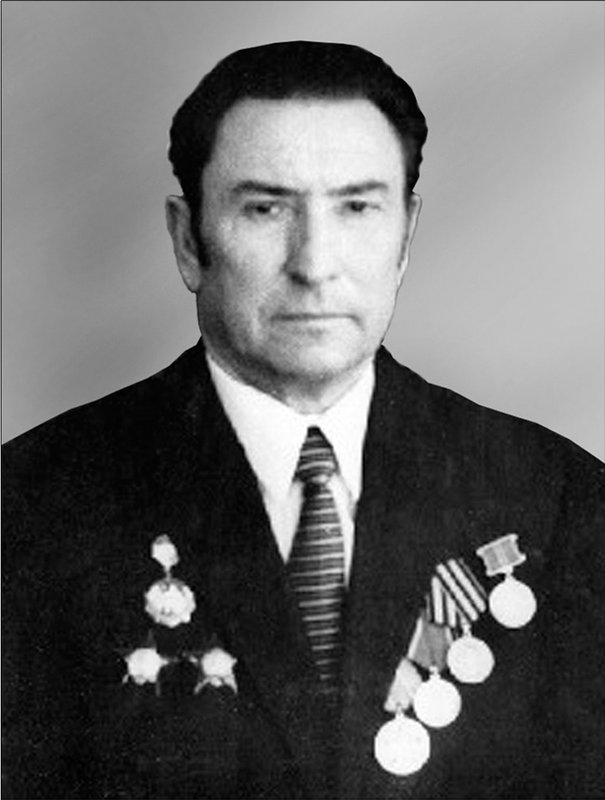

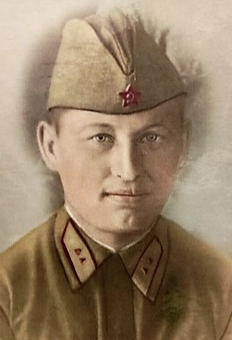
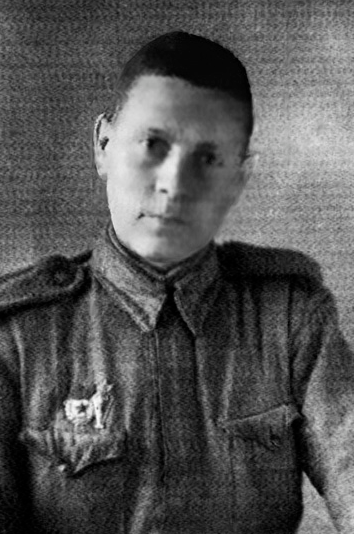
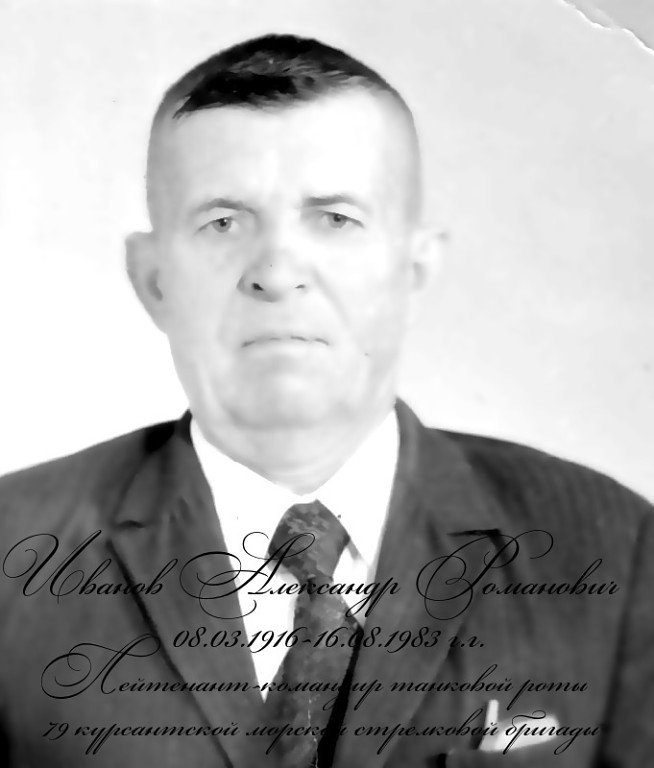
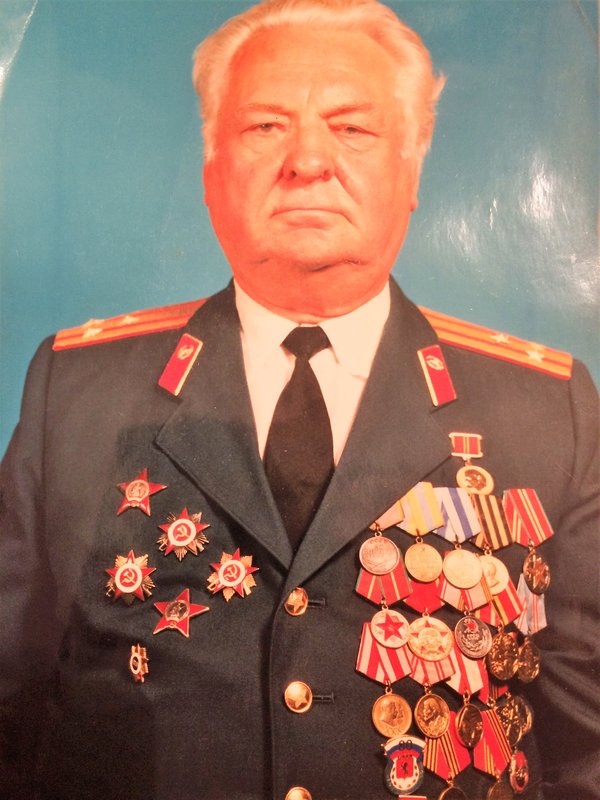
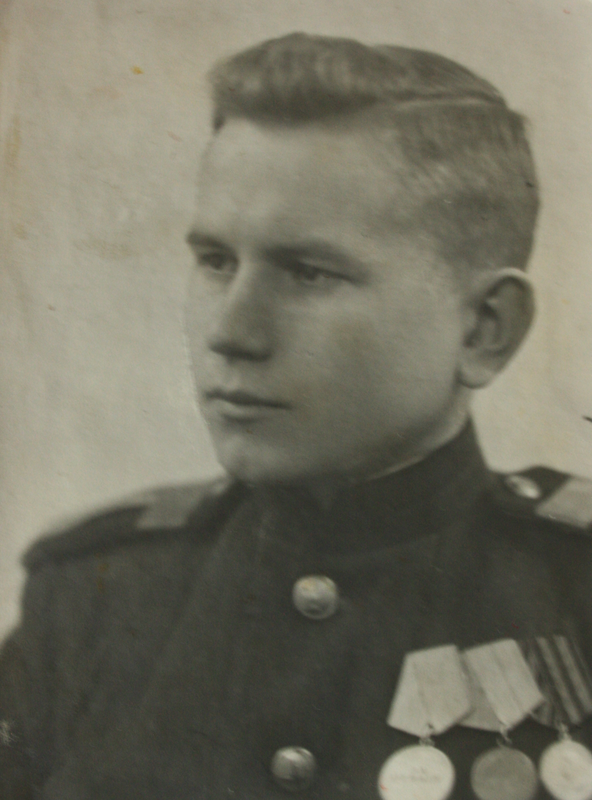
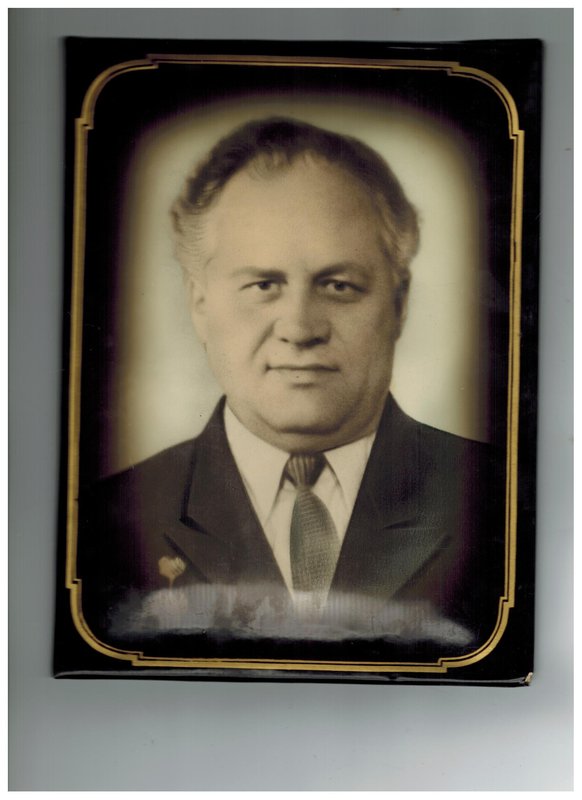
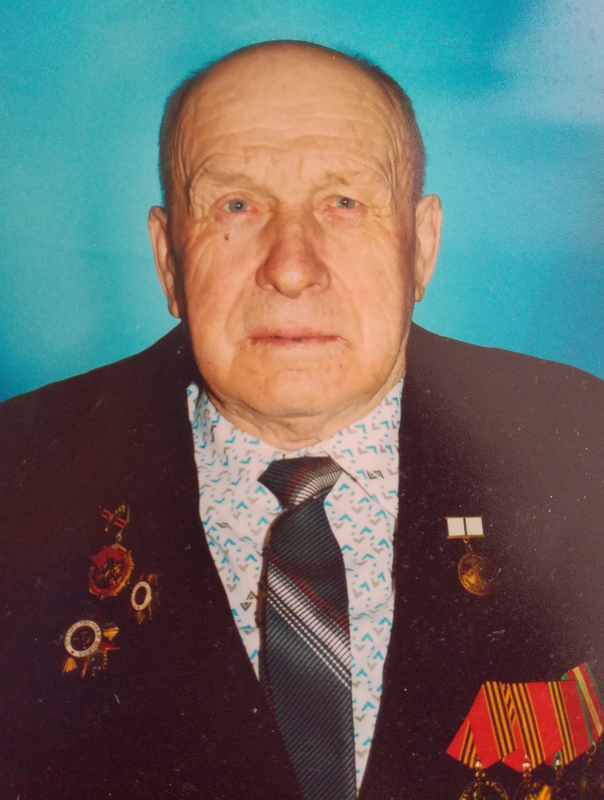
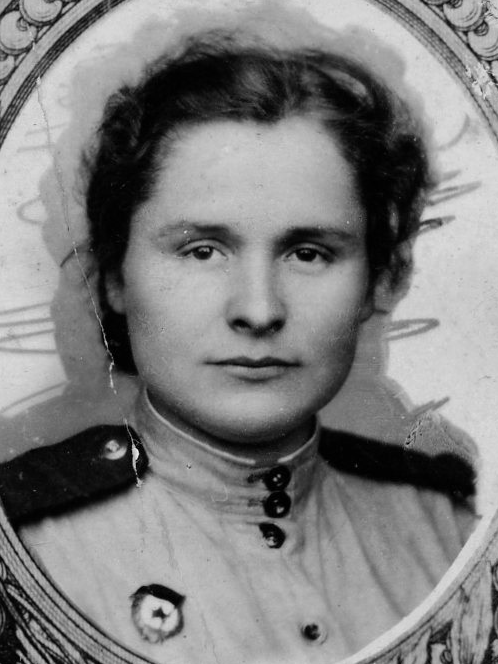
Ivanov Alexander Romanovich
Rank: Lieutenant Type of troops: Armored and mechanized troops 79th cadet naval rifle brigade was formed in September-December 1941 in the city of Novorosiysk. The brigade commander is Colonel Alexei Stepanovich Potapov. Military Commissar - Regimental Commissar Slesarev Ivan Andreevich. Chief of Staff - Major Morozov The ground forces were headed by the commander of the Primorsky Army, Major General Petrov I.E.By the beginning of June 1942, these forces consisted of seven rifle divisions, four brigades of marines, two regiments of marines, two tank battalions (38 tanks T -26) and one armored train. Ivanov A.R. was the commander of a tank company. On December 17, 1941, the Germans launched the second assault on Sevastopol. Arriving in the midst of the fighting for Sevastopol in December 21st of 1941, the 79th cadet naval rifle brigade was thrown into the decisive sector of the defense - in the Mekenziev mountains. Together with the 345th Rifle Brigade, it played an exceptional role in repelling the second enemy offensive. It occupied positions in the area of the Mekenzia farm. Capturing Sevastopol cost the enemy dearly. For eight months of fighting near Sevastopol, the enemy lost up to 300 thousand soldiers and officers killed and wounded, as well as a large amount of equipment. The defensive defense of Sevastopol, which lasted from autumn 1941 to July 1942, chained significant enemy forces to itself, which contributed to the improvement The situation for our troops on the southern wing of the Soviet-German front. After the failure in November of the first and in December 1941 of the second German offensive against Sevastopol, the Nazi command undertook a new, third offensive in June 1942. Taking this offensive, the enemy expected to seize Sevastopol in the shortest possible time in order to free up his 11th Army for operations on the southern wing of the Soviet-German front. In the June battles for Sevastopol, the brigade fought with the same selflessness. For three days of the June fighting, it lost up to 50% of all personnel. Ivanov A.R. was injured and hospitalized. The brigade actually ceased to exist, its remnants were reduced to a two-company battalion, which fought as part of other formations until the last day of defense. The heroic eight-month defense of Sevastopol went down in the history of the Great Patriotic War as an unsurpassed example of long-term and stubborn defense, as an example of mass heroism and dedication of the Soviet troops.
Ivanov Alexander Romanovich
Rank: Lieutenant Type of troops: Armored and mechanized troops 79th cadet naval rifle brigade was formed in September-December 1941 in the city of Novorosiysk. The brigade commander is Colonel Alexei Stepanovich Potapov. Military Commissar - Regimental Commissar Slesarev Ivan Andreevich. Chief of Staff - Major Morozov The ground forces were headed by the commander of the Primorsky Army, Major General Petrov I.E.By the beginning of June 1942, these forces consisted of seven rifle divisions, four brigades of marines, two regiments of marines, two tank battalions (38 tanks T -26) and one armored train. Ivanov A.R. was the commander of a tank company. On December 17, 1941, the Germans launched the second assault on Sevastopol. Arriving in the midst of the fighting for Sevastopol in December 21st of 1941, the 79th cadet naval rifle brigade was thrown into the decisive sector of the defense - in the Mekenziev mountains. Together with the 345th Rifle Brigade, it played an exceptional role in repelling the second enemy offensive. It occupied positions in the area of the Mekenzia farm. Capturing Sevastopol cost the enemy dearly. For eight months of fighting near Sevastopol, the enemy lost up to 300 thousand soldiers and officers killed and wounded, as well as a large amount of equipment. The defensive defense of Sevastopol, which lasted from autumn 1941 to July 1942, chained significant enemy forces to itself, which contributed to the improvement The situation for our troops on the southern wing of the Soviet-German front. After the failure in November of the first and in December 1941 of the second German offensive against Sevastopol, the Nazi command undertook a new, third offensive in June 1942. Taking this offensive, the enemy expected to seize Sevastopol in the shortest possible time in order to free up his 11th Army for operations on the southern wing of the Soviet-German front. In the June battles for Sevastopol, the brigade fought with the same selflessness. For three days of the June fighting, it lost up to 50% of all personnel. Ivanov A.R. was injured and hospitalized. The brigade actually ceased to exist, its remnants were reduced to a two-company battalion, which fought as part of other formations until the last day of defense. The heroic eight-month defense of Sevastopol went down in the history of the Great Patriotic War as an unsurpassed example of long-term and stubborn defense, as an example of mass heroism and dedication of the Soviet troops.
0 comment



2026 © Russian Military Historical Society Developed by Jetmix