Back to
album
album
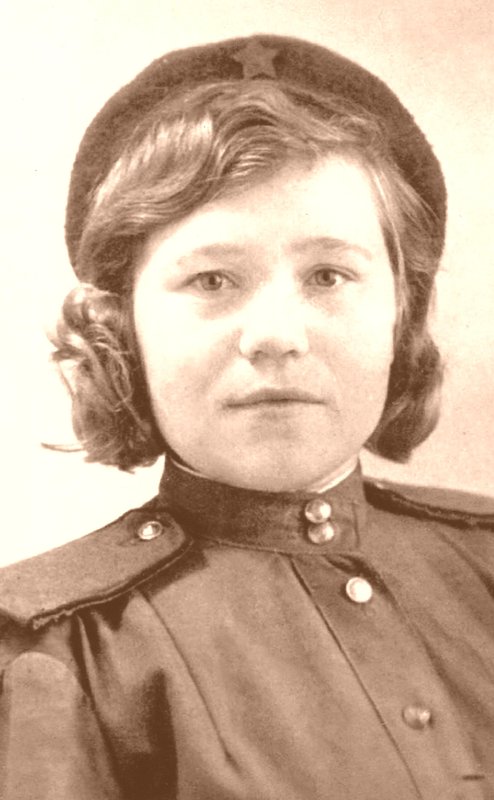
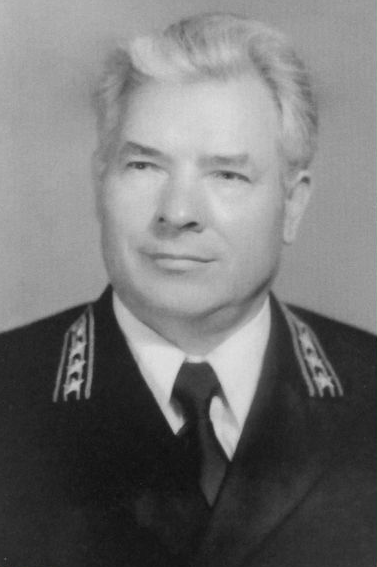
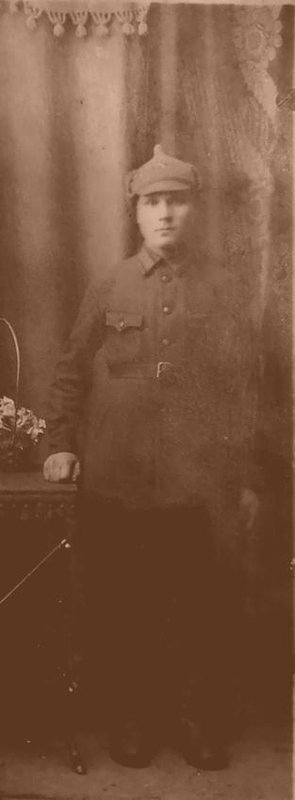
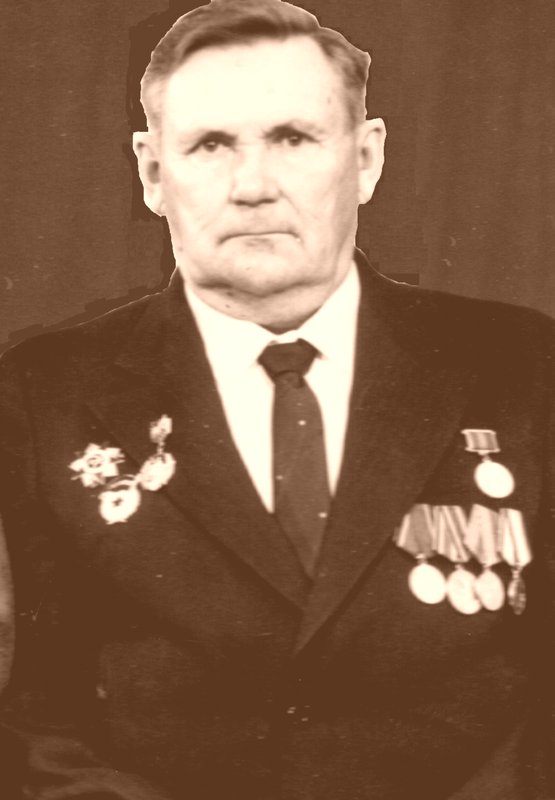
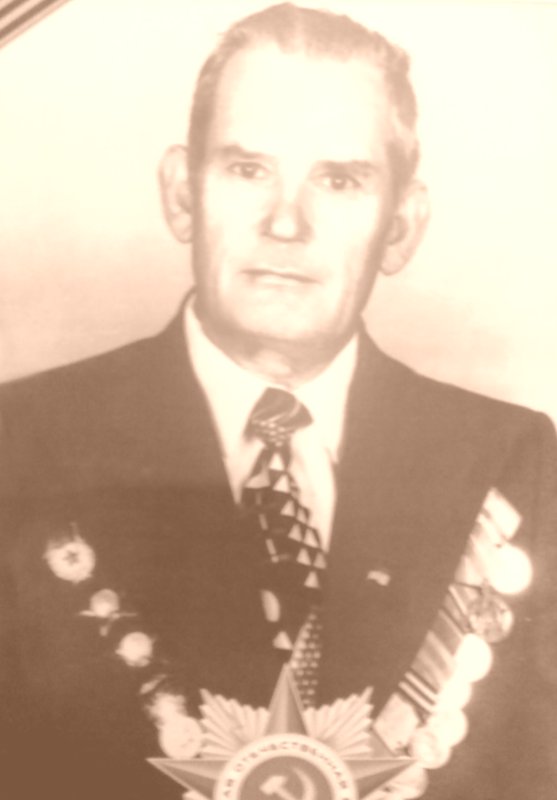
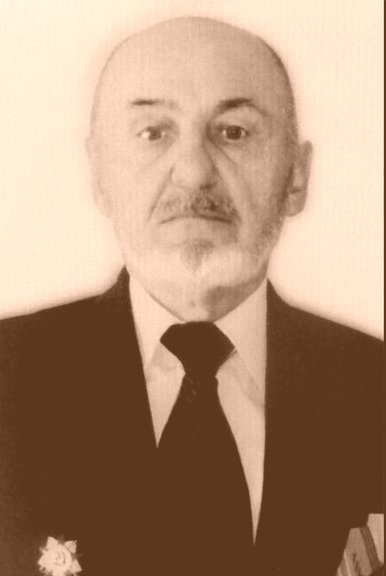
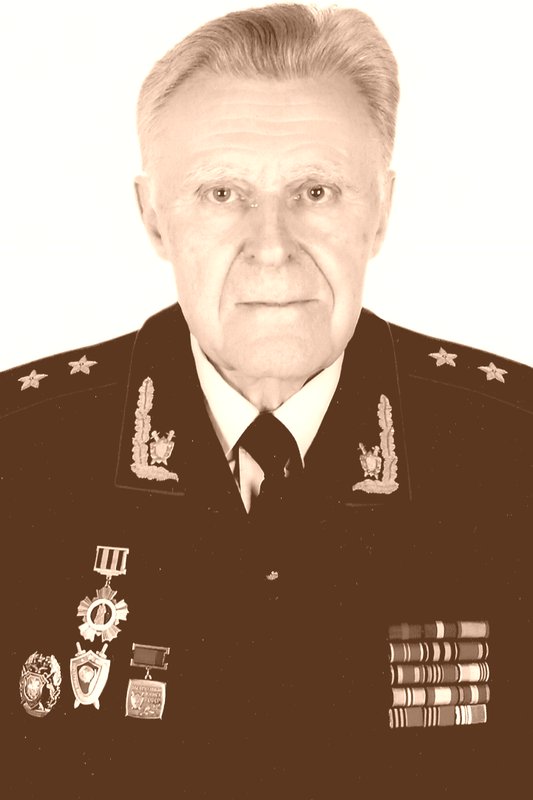

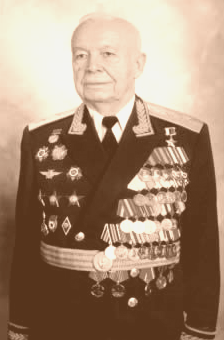
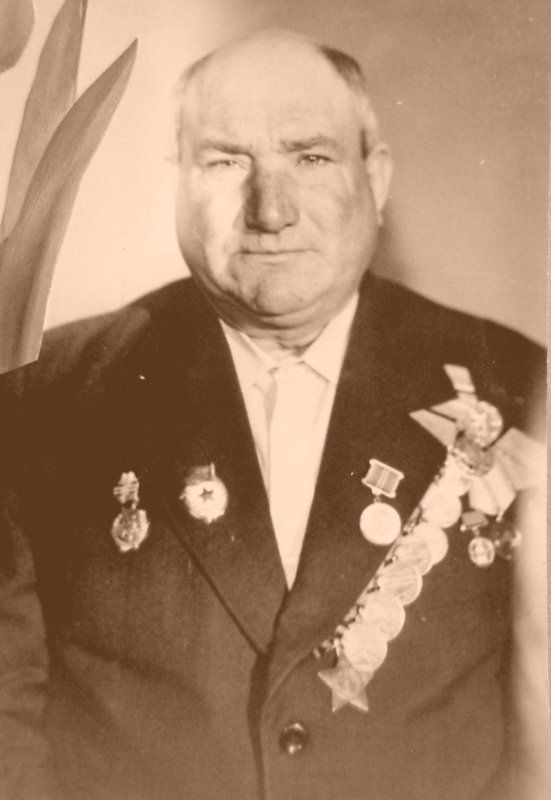
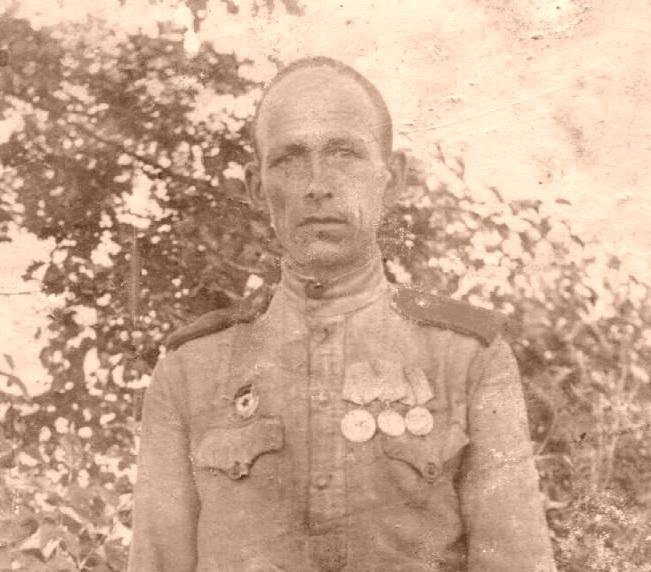
Turchin Dmitry Afanasevich
Turchin Dmitry Afanasevich was born in 1924 in the village of Novo-Khatunichi, Shkotovsky District, Primorsky Territory. Member of the Great Patriotic War, scientist and lawyer, professor, Doctor of Law, Honored Lawyer of the Russian Federation, Honorary Worker of Higher Professional Education of the Russian Federation, Honorary Worker of Science and Technology of the Russian Federation, Labor Veteran, Honorary Veteran of the Prosecutor General's Office of the Russian Federation - a legendary and unique person who lives and works next to us. A man of a difficult and heroic fate, along which the twentieth century rolled with all its weight. The harsh time after the Civil War, the years of the formation of the Soviet state, political repressions did not pass by his family either. A hungry, homeless childhood, he often lived with distant relatives and complete strangers, at one time he was even hidden under another name. However, no hardships and troubles broke young Dmitry, and in 1942 he graduated from the only ten-year school number 1 in the city of Artem. Among other graduates, hiding his 17-year-old age from the military commissar, he zealously tries to get to the front as a volunteer, and this practically works, but at the last moment, in some incomprehensible way to him, these circumstances are clarified and he is incapacitated already ready for departure to the front of a military unit. By the summer of 1942, the situation on all fronts was difficult and hard. All the guys rushing to the front were registered by the military registration and enlistment office and, if necessary, taking into account their education, called to war. In the end, Turchin was involved in technical work in the military registration and enlistment office as a clerical worker. His duties included keeping records of the economic property of enterprises and organizations. Observing how every night the military registration and enlistment office sent two or three cars of recruits, Dmitry turned to the commissioner every day about sending them to the army, but to no avail. In early September 1942, Turchin ran into the commissar's office, demanding to be immediately sent to the front with the first car. For which the commissioner said to him: “I am planning to send you to the school. But I see, foolishly, you will still run away. Therefore, hell with you, take your documents and go! " So, on September 4, 1942, service began in the Marine Corps of the 915th separate battery of the regimental artillery of the Pacific Fleet on Russky Island in the position held as "gun number" of the Red Army soldier Turchin. As he writes in his memoirs, "... three full years in a row in anticipation of the battle ...". During this time, what military specialties did not have to be mastered. He was a cavalryman and artilleryman, driver, scout and radio operator. Finally, in August 1945, the long-awaited hour came! By this time, D. A. Turchin received the rank of corporal and was already a member of the CPSU (b) / CPSU. “… Life in a war consists of a series of moments. And this was confirmed by the appearance of the command platoon commander. He said that the landing command needed at least two more good radio operators with a radio station. Looking into my eyes, he smiled. “Go! - he said. - While the battalion commander is not visible. And corporal Turchin went ... Off the coast of Korea, jumping into the sea while landing from a ship in full gear with a heavy radio on his shoulders, he sank headlong into the water ... To swim out alive, you could drop the radio, but losing the radio in combat conditions meant that same inevitable death, and D.A.Turchin made another choice, he walked along the seabed towards the coast and walked until he came out ... As part of the 354th separate battalion of the marines of the 915th separate artillery battery of the Pacific Fleet, he participated in the liberation of two cities in North Korea. On the way to the city, Yuuki came under heavy artillery fire, 12 people survived from their company. From the memoirs of DA Turchin: “…. Part of the soldiers died from artillery salvos. But this provision only added anger and rage to the personnel. On one of the flanks, a Japanese battery fired so much that it slowed down the advance of our units. The command ordered to paralyze the activity of the enemy battery. One of the companies of the 354th battalion of the marines, despite the losses, literally burst into the position of the battery, the guards of which were destroyed, and the gunners fled. Fighter Akimov, seeing that the battery's guns were in combat readiness, together with his comrades, under dense small arms fire, turned the guns towards the enemy and opened continuous fire on the enemy from his own guns with direct fire. The enemy was stunned and chose to retreat. For his feat, resourcefulness, courage and ingenuity in battle, Akimov was awarded the Order of Lenin ... ". By order No. 372 of the Supreme Commander-in-Chief of the Generalissimo of the Soviet Union, Comrade Stalin, dated August 23, 1945, corporal D. A. Turchin, among the distinguished Red Navy men, foremen and officers of ships and units of the Pacific Fleet, was grateful for excellent military operations in battles with the Japanese in the Far East. By the decree of the Presidium of the Supreme Soviet of the USSR dated 09/30/1945 for participation in hostilities against the Japanese imperialists, D.A. Turchin was awarded the medal "For Victory over Japan".From the memoirs of DA Turchin: “The demobilization came only in 1947. Four and a half years of my youth were swallowed up by the war…. In the aspect of the past, I cannot but say about Vladivostok. After all, the city was located at the front line and was closely connected with it. And now, after demobilization, many people told me that once a small ship was standing at the oil depot. At this time, a Japanese suicide bomber appeared over the bay. He headed for the ship. But, obviously, he decided to hit a more important object - a tank farm, began to unfold. At that moment, a sailor, who was on duty on the deck of the ship, killed a suicide bomber from a machine-gun mount. The plane fell into the bay near the oil depot. It is interesting to know if it actually happened. If there was, then maybe to find it in order to confirm the Japanese attacks on the peaceful city. " After demobilization from the ranks of the armed forces in March 1947, D. A. Turchin works as a reporter at the editorial office of the Shakhtar newspaper in the city of Artyom and, through the party line, goes to study at the Khabarovsk law school, which he graduates with honors in 1949, and then to 1955 - All-Union Correspondence Law Institute (VYUZI). Since 1949, D.A. Turchin served in the prosecutor's office of the Primorsky Territory, successively occupying the positions of assistant to the prosecutor of the city of Artem, prosecutor of the department for supervision of places of detention, senior investigator of the regional prosecutor's office. In December 1953, he was appointed prosecutor of the Shmakovsky district (now the Kirovsky district of the Primorsky Territory), in 1957 - the prosecutor of the city of Lesozavodsk. In 1959, he was transferred to the post of prosecutor of the general supervision department of the prosecutor's office of the Primorsky Territory.
Turchin Dmitry Afanasevich
Turchin Dmitry Afanasevich was born in 1924 in the village of Novo-Khatunichi, Shkotovsky District, Primorsky Territory. Member of the Great Patriotic War, scientist and lawyer, professor, Doctor of Law, Honored Lawyer of the Russian Federation, Honorary Worker of Higher Professional Education of the Russian Federation, Honorary Worker of Science and Technology of the Russian Federation, Labor Veteran, Honorary Veteran of the Prosecutor General's Office of the Russian Federation - a legendary and unique person who lives and works next to us. A man of a difficult and heroic fate, along which the twentieth century rolled with all its weight. The harsh time after the Civil War, the years of the formation of the Soviet state, political repressions did not pass by his family either. A hungry, homeless childhood, he often lived with distant relatives and complete strangers, at one time he was even hidden under another name. However, no hardships and troubles broke young Dmitry, and in 1942 he graduated from the only ten-year school number 1 in the city of Artem. Among other graduates, hiding his 17-year-old age from the military commissar, he zealously tries to get to the front as a volunteer, and this practically works, but at the last moment, in some incomprehensible way to him, these circumstances are clarified and he is incapacitated already ready for departure to the front of a military unit. By the summer of 1942, the situation on all fronts was difficult and hard. All the guys rushing to the front were registered by the military registration and enlistment office and, if necessary, taking into account their education, called to war. In the end, Turchin was involved in technical work in the military registration and enlistment office as a clerical worker. His duties included keeping records of the economic property of enterprises and organizations. Observing how every night the military registration and enlistment office sent two or three cars of recruits, Dmitry turned to the commissioner every day about sending them to the army, but to no avail. In early September 1942, Turchin ran into the commissar's office, demanding to be immediately sent to the front with the first car. For which the commissioner said to him: “I am planning to send you to the school. But I see, foolishly, you will still run away. Therefore, hell with you, take your documents and go! " So, on September 4, 1942, service began in the Marine Corps of the 915th separate battery of the regimental artillery of the Pacific Fleet on Russky Island in the position held as "gun number" of the Red Army soldier Turchin. As he writes in his memoirs, "... three full years in a row in anticipation of the battle ...". During this time, what military specialties did not have to be mastered. He was a cavalryman and artilleryman, driver, scout and radio operator. Finally, in August 1945, the long-awaited hour came! By this time, D. A. Turchin received the rank of corporal and was already a member of the CPSU (b) / CPSU. “… Life in a war consists of a series of moments. And this was confirmed by the appearance of the command platoon commander. He said that the landing command needed at least two more good radio operators with a radio station. Looking into my eyes, he smiled. “Go! - he said. - While the battalion commander is not visible. And corporal Turchin went ... Off the coast of Korea, jumping into the sea while landing from a ship in full gear with a heavy radio on his shoulders, he sank headlong into the water ... To swim out alive, you could drop the radio, but losing the radio in combat conditions meant that same inevitable death, and D.A.Turchin made another choice, he walked along the seabed towards the coast and walked until he came out ... As part of the 354th separate battalion of the marines of the 915th separate artillery battery of the Pacific Fleet, he participated in the liberation of two cities in North Korea. On the way to the city, Yuuki came under heavy artillery fire, 12 people survived from their company. From the memoirs of DA Turchin: “…. Part of the soldiers died from artillery salvos. But this provision only added anger and rage to the personnel. On one of the flanks, a Japanese battery fired so much that it slowed down the advance of our units. The command ordered to paralyze the activity of the enemy battery. One of the companies of the 354th battalion of the marines, despite the losses, literally burst into the position of the battery, the guards of which were destroyed, and the gunners fled. Fighter Akimov, seeing that the battery's guns were in combat readiness, together with his comrades, under dense small arms fire, turned the guns towards the enemy and opened continuous fire on the enemy from his own guns with direct fire. The enemy was stunned and chose to retreat. For his feat, resourcefulness, courage and ingenuity in battle, Akimov was awarded the Order of Lenin ... ". By order No. 372 of the Supreme Commander-in-Chief of the Generalissimo of the Soviet Union, Comrade Stalin, dated August 23, 1945, corporal D. A. Turchin, among the distinguished Red Navy men, foremen and officers of ships and units of the Pacific Fleet, was grateful for excellent military operations in battles with the Japanese in the Far East. By the decree of the Presidium of the Supreme Soviet of the USSR dated 09/30/1945 for participation in hostilities against the Japanese imperialists, D.A. Turchin was awarded the medal "For Victory over Japan".From the memoirs of DA Turchin: “The demobilization came only in 1947. Four and a half years of my youth were swallowed up by the war…. In the aspect of the past, I cannot but say about Vladivostok. After all, the city was located at the front line and was closely connected with it. And now, after demobilization, many people told me that once a small ship was standing at the oil depot. At this time, a Japanese suicide bomber appeared over the bay. He headed for the ship. But, obviously, he decided to hit a more important object - a tank farm, began to unfold. At that moment, a sailor, who was on duty on the deck of the ship, killed a suicide bomber from a machine-gun mount. The plane fell into the bay near the oil depot. It is interesting to know if it actually happened. If there was, then maybe to find it in order to confirm the Japanese attacks on the peaceful city. " After demobilization from the ranks of the armed forces in March 1947, D. A. Turchin works as a reporter at the editorial office of the Shakhtar newspaper in the city of Artyom and, through the party line, goes to study at the Khabarovsk law school, which he graduates with honors in 1949, and then to 1955 - All-Union Correspondence Law Institute (VYUZI). Since 1949, D.A. Turchin served in the prosecutor's office of the Primorsky Territory, successively occupying the positions of assistant to the prosecutor of the city of Artem, prosecutor of the department for supervision of places of detention, senior investigator of the regional prosecutor's office. In December 1953, he was appointed prosecutor of the Shmakovsky district (now the Kirovsky district of the Primorsky Territory), in 1957 - the prosecutor of the city of Lesozavodsk. In 1959, he was transferred to the post of prosecutor of the general supervision department of the prosecutor's office of the Primorsky Territory.
0 comment



2026 © Russian Military Historical Society Developed by Jetmix