Back to
album
album
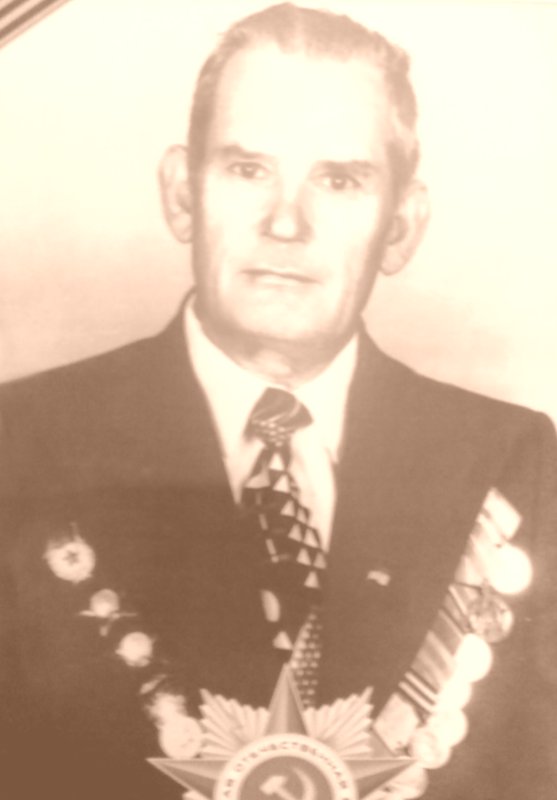
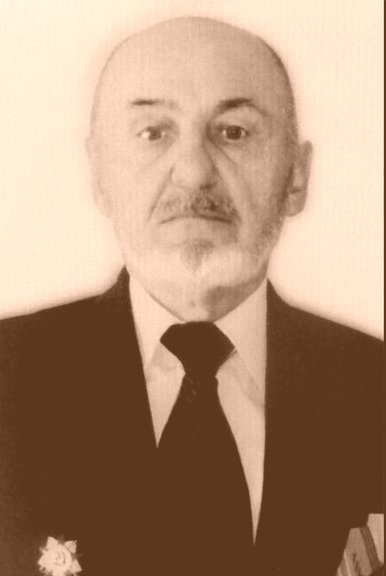
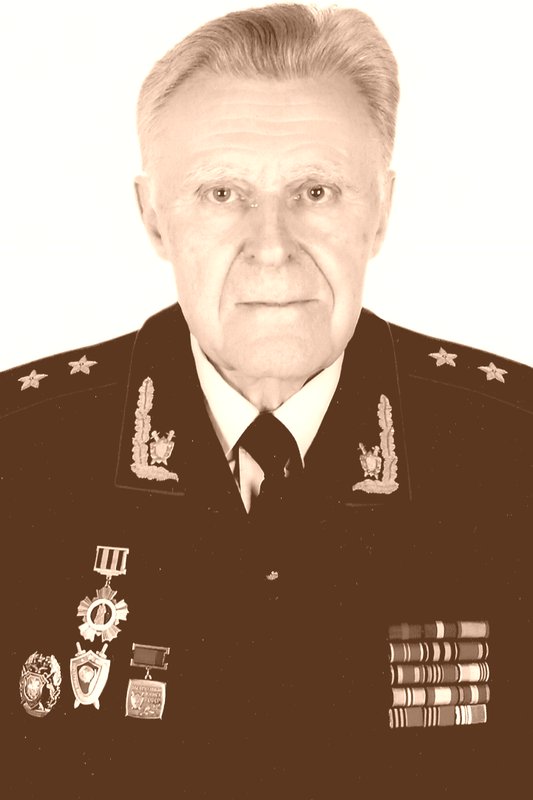
Sypko Vasily Petrovich
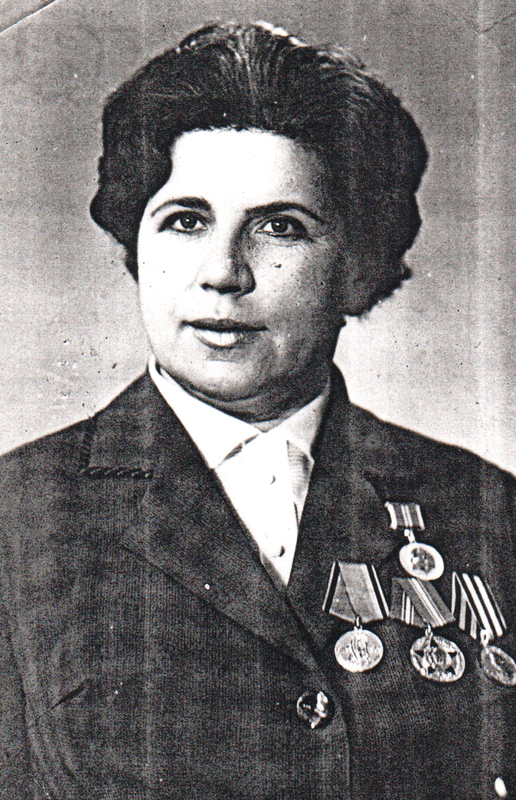
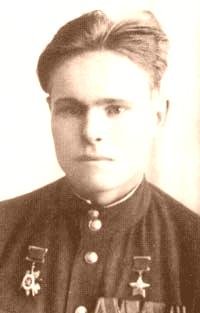
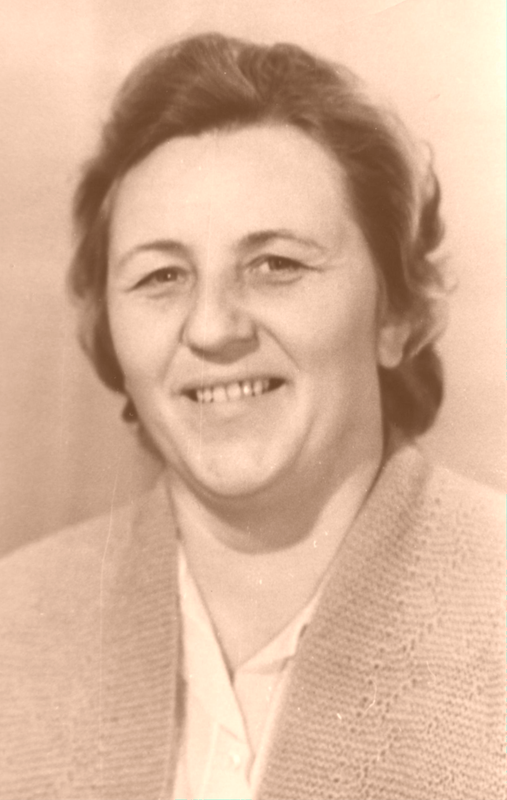
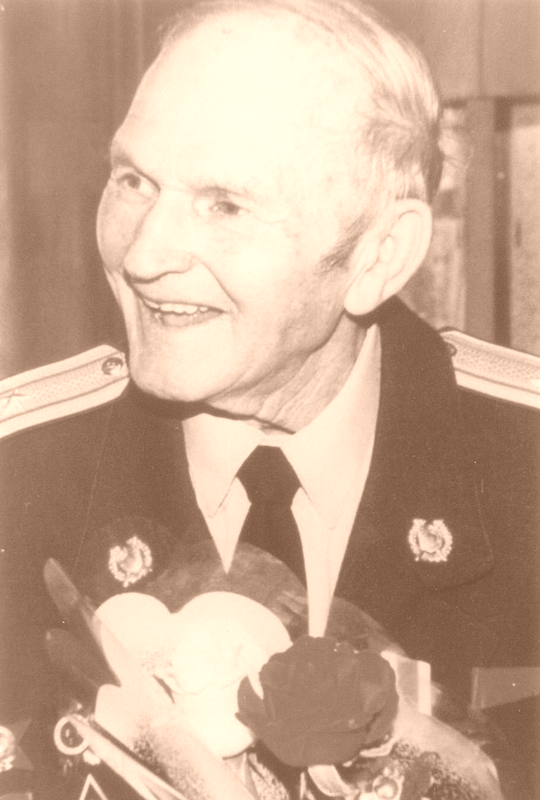
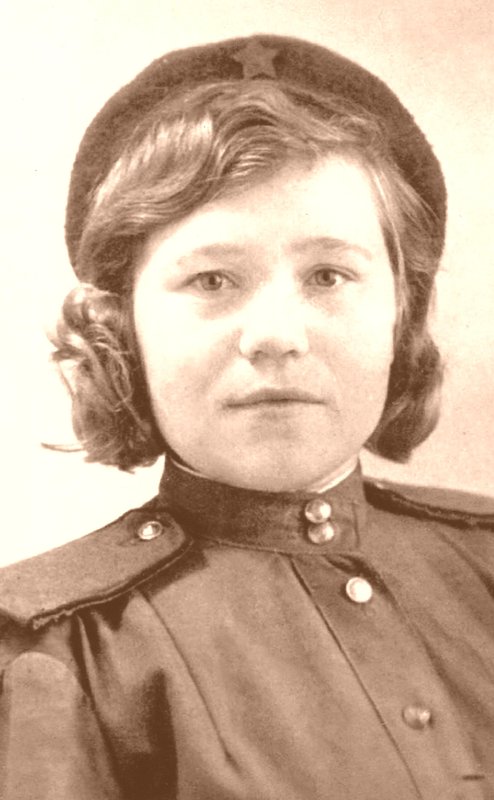
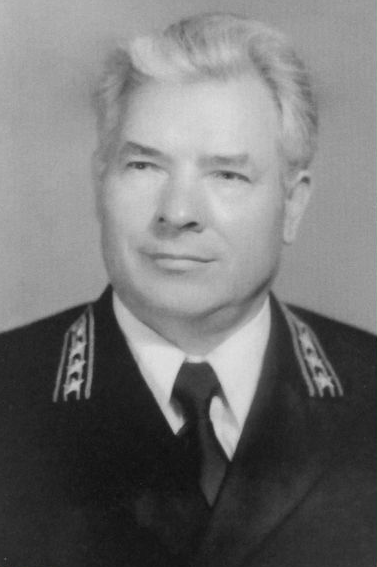
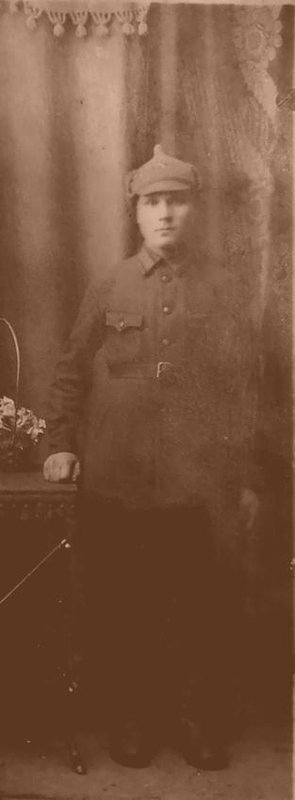
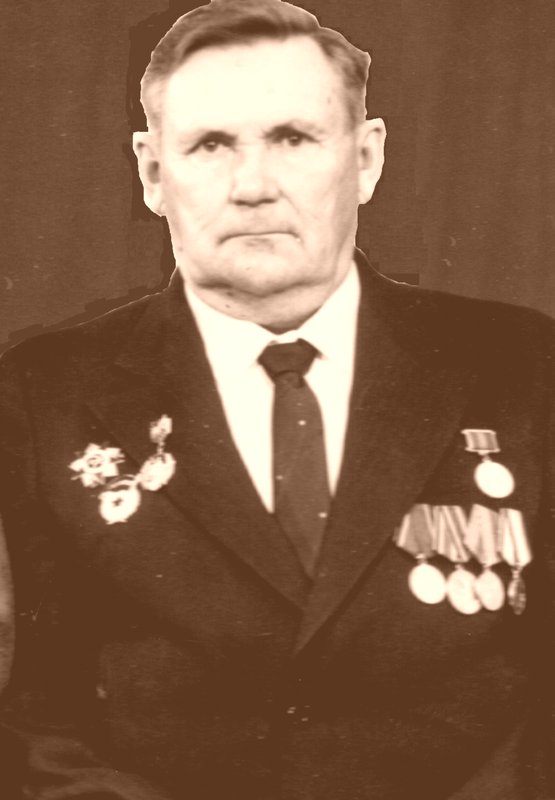
Sypko Vasily Petrovich was born on February 4, 1924 in the village of Troitskoye, Tatar District, Novosibirsk Region. Drafted to the front on August 17, 1942 by the Shmakovsky RVK of the Ussuri region. He fought in the active army since September 1942. Sergeant, senior telegraph operator in the 114th separate communications battalion of the 194th rifle division of the Rechitsa Red Banner. He fought on the Central, 2nd and 3rd Belorussian fronts, took part in the Battle of Kursk. He was awarded the Order of the Patriotic War of the II degree, medals "For the capture of Konigsberg" and "For the victory over Germany in the Great Patriotic War 1941-1945." Until now, the memory of the long kilometers of war, traversed by the former sergeant (squad leader) of the 194th Infantry Division of the Rechitsa Red Banner Division, Vasily Petrovich Sypko, and the heroic deeds he performed, is still alive. From the memoirs of Vasily Petrovich Sypko: “The gala evening dedicated to the graduates of secondary school No. 1 in the city of Lesozavodsk, held at the end of May 1941, is still remembered. There were 25 of us in the 10th "B" class. They had fun at the evening, dreamed of further education. I dreamed of entering the Far Eastern Pedagogical Institute of the city of Vladivostok at the turbine-building faculty of the mechanical engineering department, where I soon sent my documents. But the war broke out ... Everything changed dramatically. A card system was introduced. Instead of studying, he went to work as an inspector at the Shmakovskaya Inspectorate of the Central Statistical Administration (Narkhozuchet) in the city of Lesozavodsk. In August 1942, he was drafted into the Red Army and sent to a training regiment stationed in the village of Knyaze-Volkonka of the Khabarovsk Military District - from where, instead of studying as part of a platoon, he was sent to the village of Poyarkovo, Amur Region, to procure agricultural products for our unit, where he stayed until November ... In the middle of December 1942, some of the soldiers, including myself, were uniform (short fur coats, felt boots, caps with earflaps, fur mittens) - and were sent to the front from the railway station in Khabarovsk. At the station Alkino-2 (Bashkiria), during an inspector's check, part of the soldiers, as unprepared for hostilities, were removed from the echelon - and we, dressed in category 5 overcoats, were sent to a training camp (dugouts) for military training, where we stayed until March 1943. Then we were again sent to the Central Front (Kursk-Oryol Bulge) by echelon. There I, in the 460th Infantry Regiment of the 194th Infantry Division with the rank of sergeant (squad commander), fought heavy battles in the Central, 2nd and 3rd Belorussian fronts. He liberated Belarus and Poland, took part in the hardest battle on the Kursk-Oryol Buldge, in the forcing of the rivers: Berezina, Sozh, Dnieper; in the defeat of the fascist troops in the Bobruisk entrapment; in the liberation of the city of Rechitsa, the assault and capture of Konigsberg and the forcing of the Frisch Ghar Bay in the Baltic Sea - where on the Frisch Nerung Spit in the morning of May 9, 1945, the war ended for us. The fascists threw out the white flag. " In battles, Vasily Petrovich was twice wounded, several times he was covered with earth from the explosion of bombs and shells. He took part in hand-to-hand combat and fights. In April-May 1947 he was demobilized and came to his mother in the city of Lesozavodsk, where in August 1947 he entered the Khabarovsk two-year law school, after which, by order of the then prosecutor of the Primorsky Territory, Boldyrev, he was appointed people's investigator of the Terneisky district prosecutor's office. In 1952-1953 he studied at the all-Union courses of the prosecutor's office in the city of Kharkov, and then was appointed prosecutor in various cities and districts of the Primorsky Territory: first in Chernigov, Spassky and Oktyabrsky districts, later in the cities of Arsenyev (1963-1973) and Lesozavodsk (1973 –1975), later - in the Anuchinsky region (1975–1984). Vasily Petrovich has devoted more than 34 years to work in the prosecutor's office. In 1985, in honor of the 40th anniversary of Victory, he was awarded the Order of the Patriotic War, II degree. He was also awarded with many jubilee medals. In honor of the 65th anniversary of the liberation of Belarus, he was awarded the medal "For the liberation of Belarus". In 2008, the Prosecutor General of the Russian Federation awarded Vasily Petrovich the medal "Veteran of the Prosecutor's Office of the Russian Federation". Vasily Petrovich Sypko died in 2017.
Sypko Vasily Petrovich
Sypko Vasily Petrovich was born on February 4, 1924 in the village of Troitskoye, Tatar District, Novosibirsk Region. Drafted to the front on August 17, 1942 by the Shmakovsky RVK of the Ussuri region. He fought in the active army since September 1942. Sergeant, senior telegraph operator in the 114th separate communications battalion of the 194th rifle division of the Rechitsa Red Banner. He fought on the Central, 2nd and 3rd Belorussian fronts, took part in the Battle of Kursk. He was awarded the Order of the Patriotic War of the II degree, medals "For the capture of Konigsberg" and "For the victory over Germany in the Great Patriotic War 1941-1945." Until now, the memory of the long kilometers of war, traversed by the former sergeant (squad leader) of the 194th Infantry Division of the Rechitsa Red Banner Division, Vasily Petrovich Sypko, and the heroic deeds he performed, is still alive. From the memoirs of Vasily Petrovich Sypko: “The gala evening dedicated to the graduates of secondary school No. 1 in the city of Lesozavodsk, held at the end of May 1941, is still remembered. There were 25 of us in the 10th "B" class. They had fun at the evening, dreamed of further education. I dreamed of entering the Far Eastern Pedagogical Institute of the city of Vladivostok at the turbine-building faculty of the mechanical engineering department, where I soon sent my documents. But the war broke out ... Everything changed dramatically. A card system was introduced. Instead of studying, he went to work as an inspector at the Shmakovskaya Inspectorate of the Central Statistical Administration (Narkhozuchet) in the city of Lesozavodsk. In August 1942, he was drafted into the Red Army and sent to a training regiment stationed in the village of Knyaze-Volkonka of the Khabarovsk Military District - from where, instead of studying as part of a platoon, he was sent to the village of Poyarkovo, Amur Region, to procure agricultural products for our unit, where he stayed until November ... In the middle of December 1942, some of the soldiers, including myself, were uniform (short fur coats, felt boots, caps with earflaps, fur mittens) - and were sent to the front from the railway station in Khabarovsk. At the station Alkino-2 (Bashkiria), during an inspector's check, part of the soldiers, as unprepared for hostilities, were removed from the echelon - and we, dressed in category 5 overcoats, were sent to a training camp (dugouts) for military training, where we stayed until March 1943. Then we were again sent to the Central Front (Kursk-Oryol Bulge) by echelon. There I, in the 460th Infantry Regiment of the 194th Infantry Division with the rank of sergeant (squad commander), fought heavy battles in the Central, 2nd and 3rd Belorussian fronts. He liberated Belarus and Poland, took part in the hardest battle on the Kursk-Oryol Buldge, in the forcing of the rivers: Berezina, Sozh, Dnieper; in the defeat of the fascist troops in the Bobruisk entrapment; in the liberation of the city of Rechitsa, the assault and capture of Konigsberg and the forcing of the Frisch Ghar Bay in the Baltic Sea - where on the Frisch Nerung Spit in the morning of May 9, 1945, the war ended for us. The fascists threw out the white flag. " In battles, Vasily Petrovich was twice wounded, several times he was covered with earth from the explosion of bombs and shells. He took part in hand-to-hand combat and fights. In April-May 1947 he was demobilized and came to his mother in the city of Lesozavodsk, where in August 1947 he entered the Khabarovsk two-year law school, after which, by order of the then prosecutor of the Primorsky Territory, Boldyrev, he was appointed people's investigator of the Terneisky district prosecutor's office. In 1952-1953 he studied at the all-Union courses of the prosecutor's office in the city of Kharkov, and then was appointed prosecutor in various cities and districts of the Primorsky Territory: first in Chernigov, Spassky and Oktyabrsky districts, later in the cities of Arsenyev (1963-1973) and Lesozavodsk (1973 –1975), later - in the Anuchinsky region (1975–1984). Vasily Petrovich has devoted more than 34 years to work in the prosecutor's office. In 1985, in honor of the 40th anniversary of Victory, he was awarded the Order of the Patriotic War, II degree. He was also awarded with many jubilee medals. In honor of the 65th anniversary of the liberation of Belarus, he was awarded the medal "For the liberation of Belarus". In 2008, the Prosecutor General of the Russian Federation awarded Vasily Petrovich the medal "Veteran of the Prosecutor's Office of the Russian Federation". Vasily Petrovich Sypko died in 2017.
0 comment



2026 © Russian Military Historical Society Developed by Jetmix