Back to
album
album
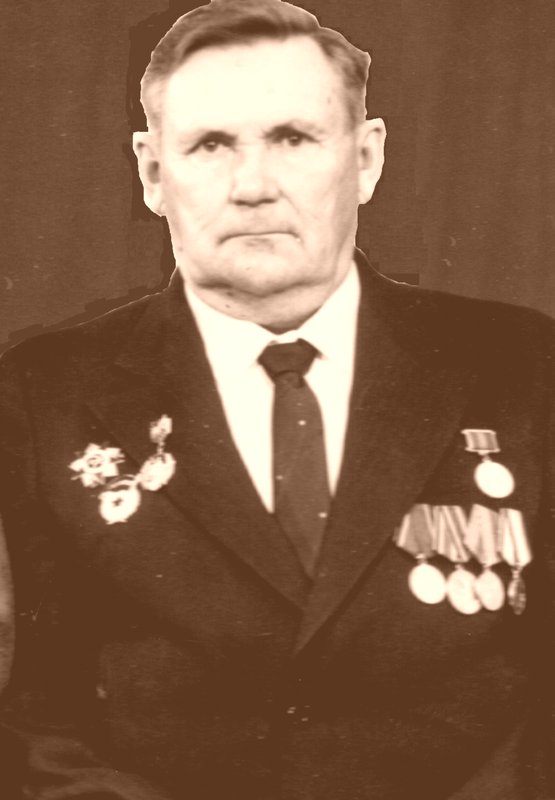
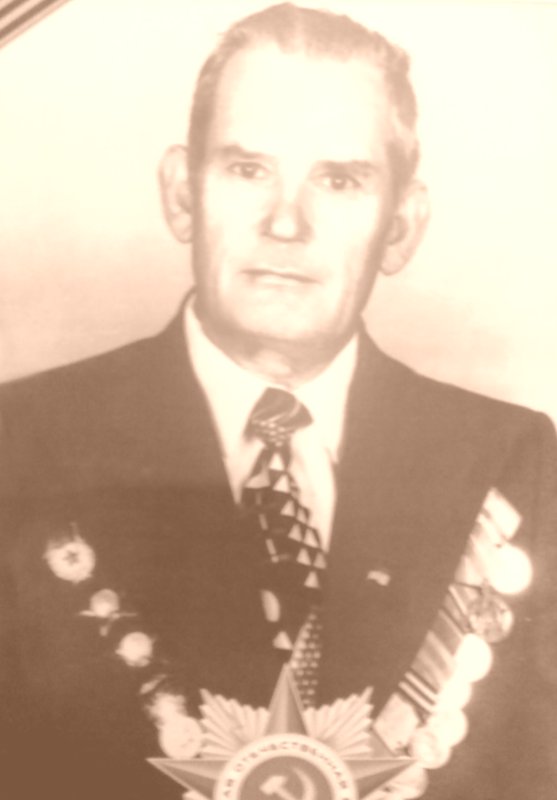
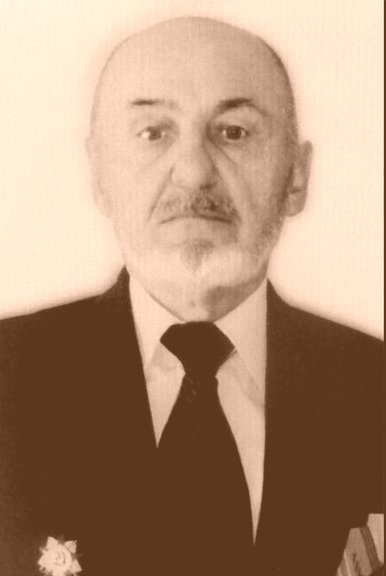
Smolkova (Pryakhina) Maria Grigorievna
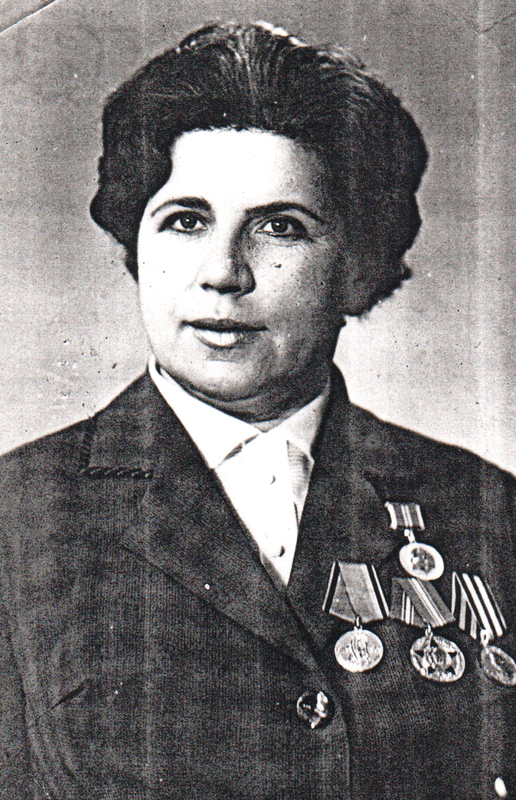
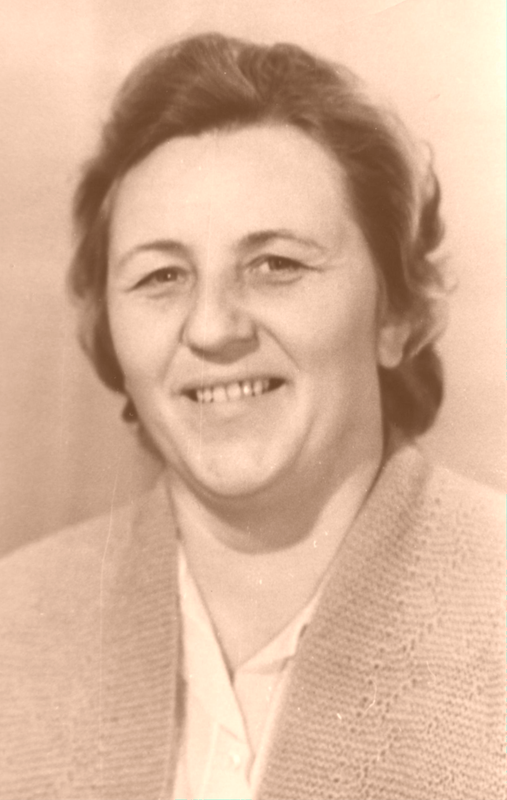
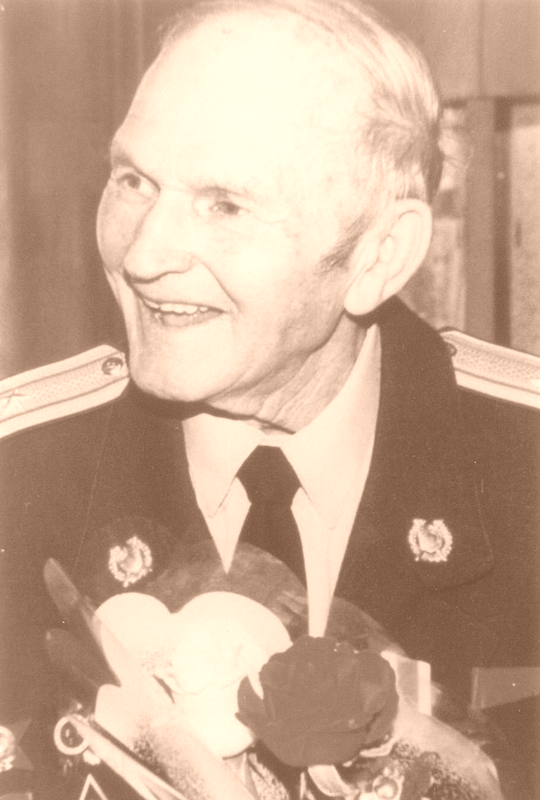
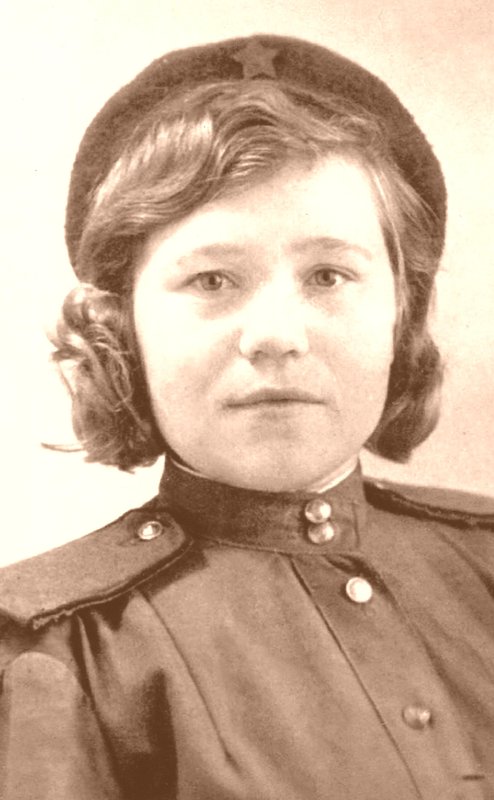
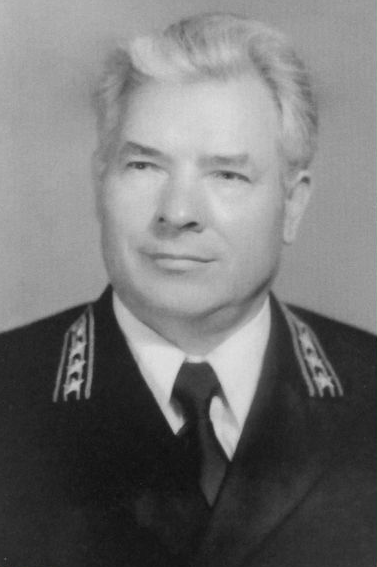
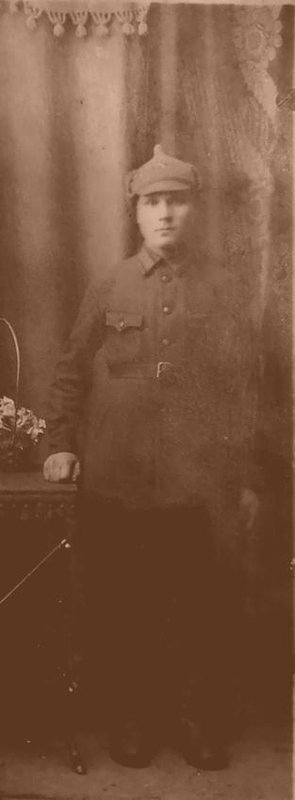
Smolkova (Pryakhina) Maria Grigorievna was born in 1923 in the Penza region. Four of her brothers were taken to the war, she was taken to the war as the fifth in 1942, when an order was issued to mobilize women. In the war, 2 brothers Nikolai and Mikhail were killed, 2 other brothers Ivan and Fyodor returned from the war, my grandmother also reached Romania and returned. Her Red Army book from the times of the Great Patriotic War has been preserved. It states that she was a Red Army air defense observer. As she said, the task of her and her fellow soldiers was to detect the approach of German aircraft by sound and report this to the anti-aircraft gunners who destroyed enemy aircraft. They were taught this. She said that the sound of German aircraft was different from ours, it was scary, ominous for her, and the sound of our aircraft made her happy. She was on the front line, she said that the girls were afraid, because as she said: “The front line is not marked with a pencil, we do not know whether we are on our territory or on the territory of the enemy, where it is possible to meet eye to eye with the Nazis, but we go with coils with a telephone wire on the shoulder. " She said that she was very afraid to be left behind when the cars in which they were traveling stopped at the stations, and the girls took turns going to fetch water, so I remembered the number of my unit for life. During one of the halts, the girls found a samovar and decided to warm the water in it in order to wash their hair. When my grandmother went to fetch water, a German bomb fell in the place where the samovar was, and grandmother would have died if she had not gone to fetch water. She said: "So it was not destiny to die in the war." She spoke about the war with humor, said that the first time she ate fill was during the war. The village was constantly starving, and she had a large family. Her Red Army book has been preserved, where there are all the records of her conscription and her service. There are also war photographs, they are very well preserved, her notes have been preserved on the back of the photographs. One photograph shows her military unit, the reverse says "May 10, 1945 on Victory Day." She said that they learned about the victory on May 10 and thought that it was on that day that victory in the war came. At that time she was in Romania.
Smolkova (Pryakhina) Maria Grigorievna
Smolkova (Pryakhina) Maria Grigorievna was born in 1923 in the Penza region. Four of her brothers were taken to the war, she was taken to the war as the fifth in 1942, when an order was issued to mobilize women. In the war, 2 brothers Nikolai and Mikhail were killed, 2 other brothers Ivan and Fyodor returned from the war, my grandmother also reached Romania and returned. Her Red Army book from the times of the Great Patriotic War has been preserved. It states that she was a Red Army air defense observer. As she said, the task of her and her fellow soldiers was to detect the approach of German aircraft by sound and report this to the anti-aircraft gunners who destroyed enemy aircraft. They were taught this. She said that the sound of German aircraft was different from ours, it was scary, ominous for her, and the sound of our aircraft made her happy. She was on the front line, she said that the girls were afraid, because as she said: “The front line is not marked with a pencil, we do not know whether we are on our territory or on the territory of the enemy, where it is possible to meet eye to eye with the Nazis, but we go with coils with a telephone wire on the shoulder. " She said that she was very afraid to be left behind when the cars in which they were traveling stopped at the stations, and the girls took turns going to fetch water, so I remembered the number of my unit for life. During one of the halts, the girls found a samovar and decided to warm the water in it in order to wash their hair. When my grandmother went to fetch water, a German bomb fell in the place where the samovar was, and grandmother would have died if she had not gone to fetch water. She said: "So it was not destiny to die in the war." She spoke about the war with humor, said that the first time she ate fill was during the war. The village was constantly starving, and she had a large family. Her Red Army book has been preserved, where there are all the records of her conscription and her service. There are also war photographs, they are very well preserved, her notes have been preserved on the back of the photographs. One photograph shows her military unit, the reverse says "May 10, 1945 on Victory Day." She said that they learned about the victory on May 10 and thought that it was on that day that victory in the war came. At that time she was in Romania.
0 comment



2026 © Russian Military Historical Society Developed by Jetmix