Back to
album
album
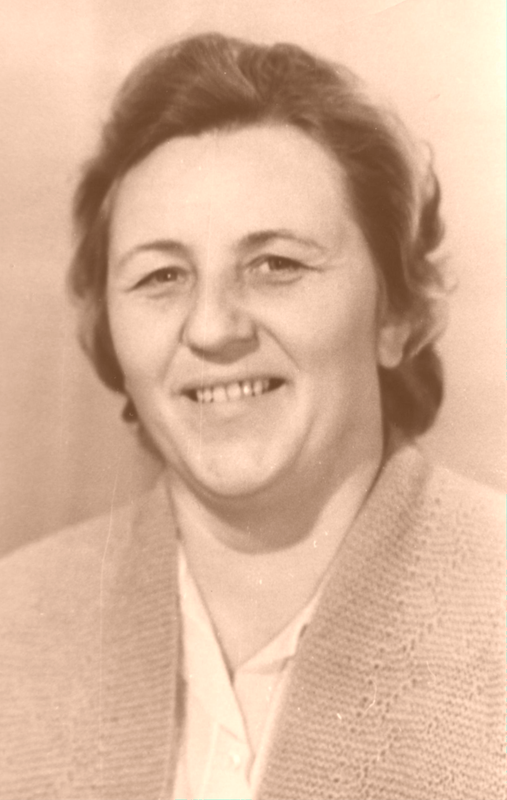
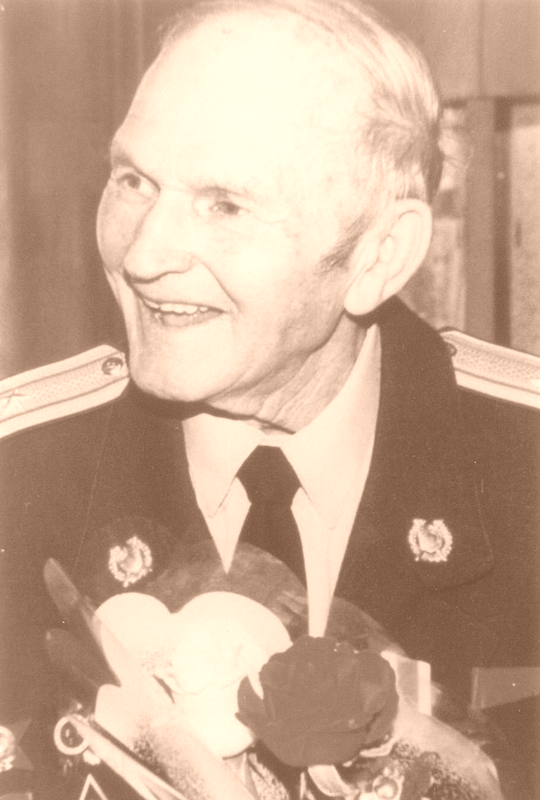
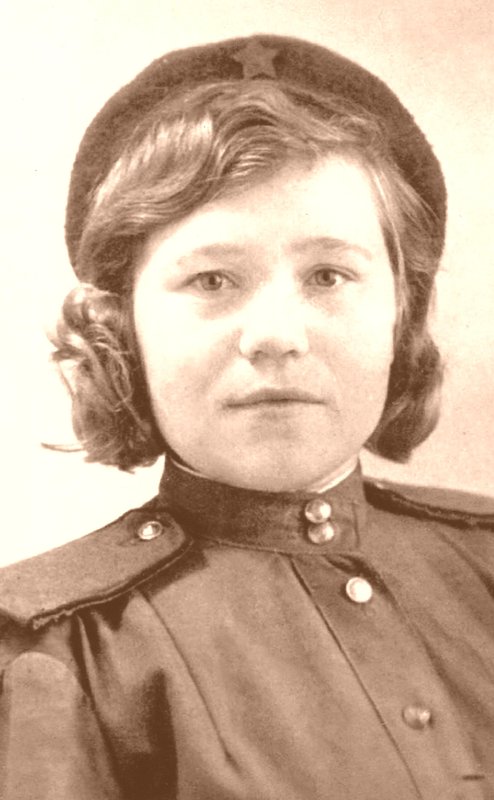
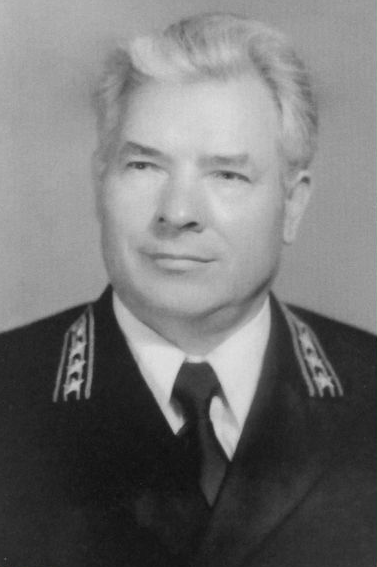
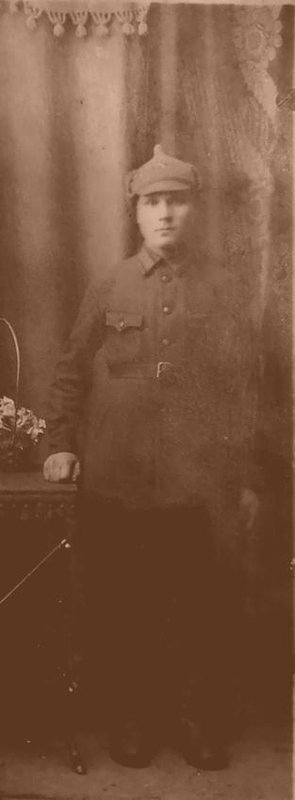
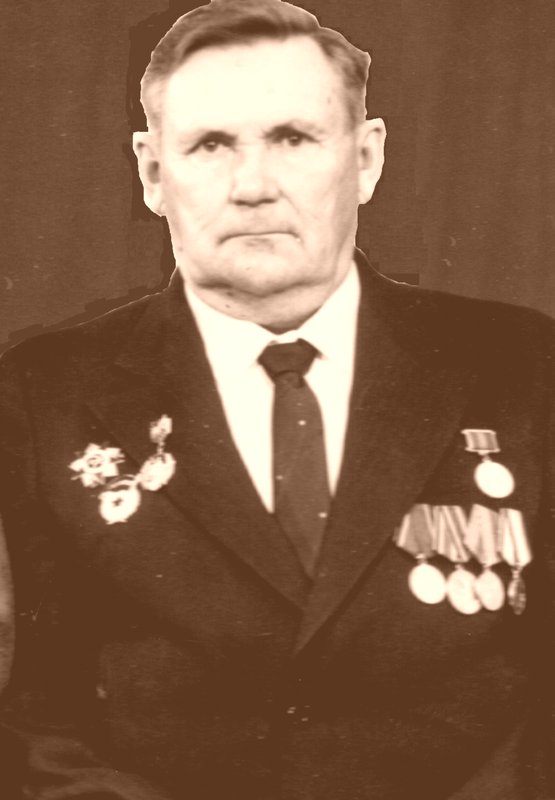
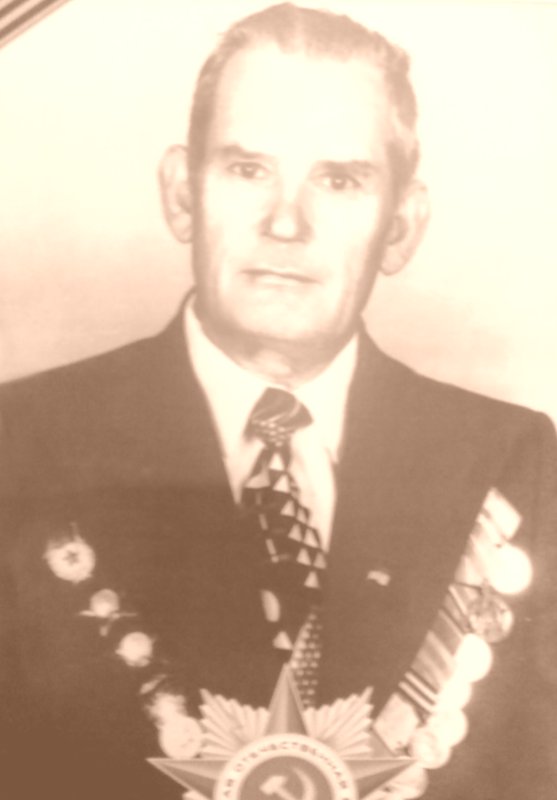
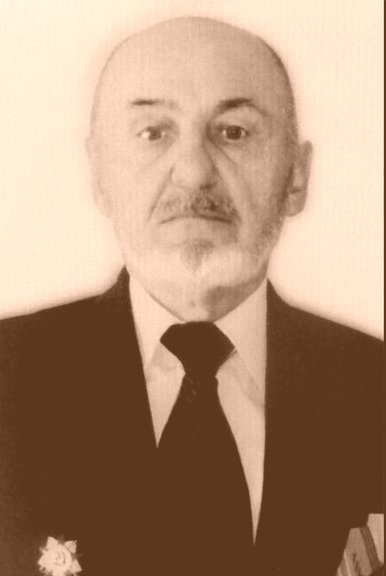
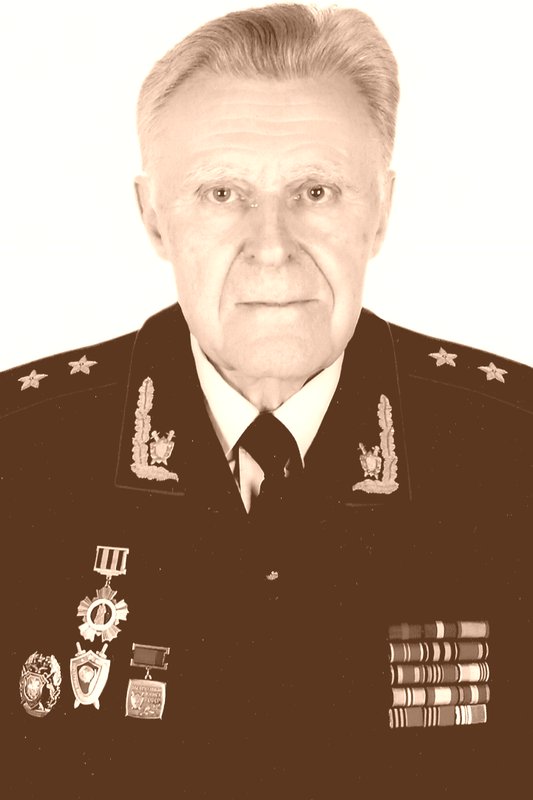

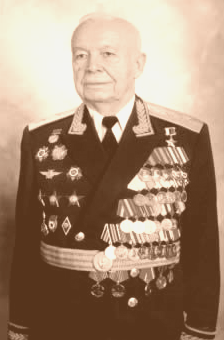
Alexey Tretyakov
Alexey Antonovich Tretyakov was born on May 16, 1924 in Ukraine, in the village of Alexandrovka, Chernigov region, in the family of Anton Artemovich and Maria Ivanovna Tretyakov. Then the family moved to the Amur Region for resettlement and settled in the town of Kivnet, Bureya District (a railway station, now part of the village of Bureya). Anton Artemovich and Maria Ivanovna had nine children. Alexey was the eldest of the children, so the war fell to his lot. At the beginning of 1943, at the age of 18, he was drafted into the Red Army. First - to Khabarovsk, to the school of junior commanders, and six months later he was sent to the Western Front. There he ended up in a reconnaissance company. According to his stories, they often went behind the front line for "tongues" - and not without success. In one of these sorties, his commander was seriously wounded - and he was dragging him out by crawling, in a box from under shells across the front line. They crawled more than three kilometers. The commander survived, he was wounded in the neck. After the war, my grandfather met with the commander. It was somewhere in the seventies. When they met, they hugged and could not speak for a long time, only cried. They left behind the front line and with sabotage missions (they hunted food from the Germans, shot German officers from sniper rifles). One day, returning from another assignment, they saw a German officer walking on horseback. They removed him from the horse, tied him up and, together with the stallion, brought him to their positions. The stallion was then given the nickname "trophy" and was presented to the regiment commander, whose service horse had died the day before. My grandfather said that this stallion carried out commands only in German. Near Kursk he was seriously wounded. They came from reconnaissance and settled in the trench for lunch - and at that time the mortar shelling began. The first mine fell far ahead of the trench, the second from behind. The third mine hit the breastwork of the trench - and he remembered nothing else ... He woke up already in the hospital, when the nurse was washing the dirt and blood from his head. Shrapnel from a mine hit the head, shoulder, leg and chest. He survived. After the war, when X-rays were taken, he was always asked: “Have you been to the war? Does the shard bother you? Well, then a soldier - go with him, it is very dangerous to remove him, it is close to your heart. " His children often put a magnet on his leg and head - and it stuck to the body, since there were metal fragments inside. Order of the Great Patriotic War II degree "found" him after the war, somewhere in the 80s. He was summoned to the military registration and enlistment office, where the award was solemnly presented. Alexey Antonovich Tretyakov died in 1988.
Alexey Tretyakov
Alexey Antonovich Tretyakov was born on May 16, 1924 in Ukraine, in the village of Alexandrovka, Chernigov region, in the family of Anton Artemovich and Maria Ivanovna Tretyakov. Then the family moved to the Amur Region for resettlement and settled in the town of Kivnet, Bureya District (a railway station, now part of the village of Bureya). Anton Artemovich and Maria Ivanovna had nine children. Alexey was the eldest of the children, so the war fell to his lot. At the beginning of 1943, at the age of 18, he was drafted into the Red Army. First - to Khabarovsk, to the school of junior commanders, and six months later he was sent to the Western Front. There he ended up in a reconnaissance company. According to his stories, they often went behind the front line for "tongues" - and not without success. In one of these sorties, his commander was seriously wounded - and he was dragging him out by crawling, in a box from under shells across the front line. They crawled more than three kilometers. The commander survived, he was wounded in the neck. After the war, my grandfather met with the commander. It was somewhere in the seventies. When they met, they hugged and could not speak for a long time, only cried. They left behind the front line and with sabotage missions (they hunted food from the Germans, shot German officers from sniper rifles). One day, returning from another assignment, they saw a German officer walking on horseback. They removed him from the horse, tied him up and, together with the stallion, brought him to their positions. The stallion was then given the nickname "trophy" and was presented to the regiment commander, whose service horse had died the day before. My grandfather said that this stallion carried out commands only in German. Near Kursk he was seriously wounded. They came from reconnaissance and settled in the trench for lunch - and at that time the mortar shelling began. The first mine fell far ahead of the trench, the second from behind. The third mine hit the breastwork of the trench - and he remembered nothing else ... He woke up already in the hospital, when the nurse was washing the dirt and blood from his head. Shrapnel from a mine hit the head, shoulder, leg and chest. He survived. After the war, when X-rays were taken, he was always asked: “Have you been to the war? Does the shard bother you? Well, then a soldier - go with him, it is very dangerous to remove him, it is close to your heart. " His children often put a magnet on his leg and head - and it stuck to the body, since there were metal fragments inside. Order of the Great Patriotic War II degree "found" him after the war, somewhere in the 80s. He was summoned to the military registration and enlistment office, where the award was solemnly presented. Alexey Antonovich Tretyakov died in 1988.
0 comment



2026 © Russian Military Historical Society Developed by Jetmix